
Sign up to save your podcasts
Or

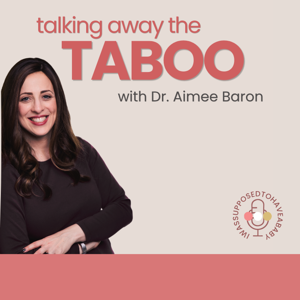


In this episode, released for Men's Health Awareness Month, Dr. Aimee Baron sits down with David, a 33-year-old convert to Judaism living in Israel, who reached out to talk openly about his experience as a sperm donor.
Raised in a Spanish-Mexican household in Texas, David made aliyah (immigrated to Israel), and in 2021 was approved as a donor at an Israeli clinic. He talks about why he donated, warnings that it would hurt his shidduch (dating for marriage) prospects, praying for these children at the Kotel (Western Wall), and how learning at 22 that the man who raised him was actually his stepfather taught him that family isn't always about biology.
If you are considering donor conception or wondering what it means to become a donor, this episode offers a rare and honest view from the other side.
This episode is part of 12 Months of Compassion, IWSTHAB's year-long series of webinars and podcasts. You can find every episode and event in the series on our 12 Months of Compassion page with the month of November focusing on Men's Health Awareness Month
Content note: This episode includes discussion of infant death
In this episode, Dr. Baron sits down with Zissel Garber, a lawyer and mother of two living daughters, for an honest conversation about the five pregnancies that shaped her family and the grief and gratitude she carries with her every day.
Zissel opens up about her first pregnancy, a molar pregnancy that grew into cancer, and the six months of chemotherapy she underwent before she could try again. In her second pregnancy, she gave birth to her daughter Bracha (blessing) at 20 weeks, and Bracha died shortly after. Zissel shares what it meant to hold her, to give her a name full of meaning, and to speak about her without apology, even when it makes others uncomfortable.
After learning she had cervical incompetence, or, as Zissel prefers to call it, "cervical insufficiency," she carried two more pregnancies filled with uncertainty, and her daughters each arrived early, bringing their own fears and hopes. With openness, she speaks about the grief that still visits her years later, on first days of school and at birthday parties, and why she sees this not as a journey with an ending, but as a path.
This episode is part of 12 Months of Compassion, IWSTHAB's year-long series of webinars and podcasts. You can find every episode and event in the series on our 12 Months of Compassion page with the month of October focusing on grief and loss.
About Zissel Garber:
Mom to 3 girls, 2 living and living in a space for both joy and grief at the same time. Trying to manage ways to honor my path to parenthood, my first born that isn't living and still very much an influence on how I parent and who I am.
Instagram
Connect with us:
Website Instagram - send us a message YouTube Facebook TikTok LinkedIn
On this re-released episode, Dr. Baron sits down with Yonina Kaufman, LCSW, PMH-C, Clinical Coordinator for A Time HUG Clinical Coordinator to talk about grief. Together they explore the "typical" or "expected" grieving process, how to support a friend or loved one who is hurting, and how to navigate the triggers that can come up along the way, including pregnancy announcements.
Yonina addresses a question many people quietly carry, how to know if you're "grieving too much," and offers gentle, grounded guidance on all things related to grief.
Whether you are grieving a loss yourself or standing beside someone who is, this episode is for you.
About Yonina Kaufman LCSW, PMH-C | Grief & Perinatal Therapist:
Grief & Perinatal Therapist and HUG Clinical Coordinator
atime HUG Email Instagram atime
Connect with us:
Website Instagram - send us a message YouTube Facebook TikTok LinkedIn
Please note that this episode discusses topics such as mental health, mental illness, depression, and suicide that individuals may find difficult to listen to.
In this episode, Dr. Baron sits down with sisters Miriam Gross and Esther Leah Rothman. Together, they explore where mental health and fertility meet, and what it's like when one sister builds the family the other once hoped for. Miriam shares her mental and physical health journey, including a high-risk pregnancy after major fibroid surgery, followed by severe postpartum depression and a psychiatric hospitalization as a new mother. Though making peace with not having another child has been a difficult and ongoing emotional process, rabbinic guidance gave her permission to put her own wellbeing first and focus on the family she already had. Esther Leah shares what it was like to step in during Miriam's hardest years, babysitting her nephew and helping at home so their parents could be there for her sister. She also opens up about her own history of depression and anxiety, and how overwhelming motherhood can be. Through it all, she's learned to hold two truths at once: deep gratitude for her children and the very real exhaustion of being a mother, all while staying sensitive to what her sister has lost. If you are watching a sibling live the life you wanted, or struggling with mental illness or postpartum depression, then this episode is for you.
About Miriam Gross:
Miriam and Esther Leah are sisters. Originally from Los Angeles, Miriam now lives in Highland Park NJ and Esther Leah lives in Far Rockaway NY. Through their parallel pregnancy journeys, they have become closer, despite their 11 year age difference. They are here to share those journeys with you today.
About Esther Leah Rothman:
I am a 30 years old, FT working mother of 3, originally from LA , now living in Far Rockaway, NY.
Connect with us:
Website Instagram - send us a message YouTube Facebook TikTok LinkedIn
Please note that this episode discusses topics such as mental health, mental illness, depression, and suicide that individuals may find difficult. If you want to avoid this content, skip to minute 22:32 in the episode. Please take care of yourself while listening.
In partnership with Sharsheret for Breast Cancer Awareness Month, Dr. Baron sits down with Shoshana Stavsky to dive into the full arc of her journey through infertility, mental health, and breast cancer.
Shoshana shares what it meant to spend years navigating chronic pain, failed treatments, and multiple surgeries while trying to grow her family, and how that period led her into severe clinical depression. She opens up about the invisible weight of infertility compared to the visible, communal support she later received after a diagnosis of breast cancer, and why that contrast made one harder to carry than the other.
Along the way, she explores how questioning your faith doesn't push you away from it, but can actually bring you closer. Shoshana reflects on choosing to "party through" hardship rather than let suffering define her, and on the power of radical acceptance in moving forward.
If you're navigating infertility, mental or physical health struggles this episode is for you.
About Shoshana Stavsky :
Shoshana Stavsky shares her lived experience of infertility, depression, and breast cancer with honesty and heart. Through the challenges, she found her voice in writing and art, using them as tools for healing and connection. Grounded in emunah and bitachon, her message is about resilience, faith, and continuing to live fully-even in the middle of it all.
Instagram Email Facebook
Sharsheret
Donate Here for Breast Cancer Awareness Month Website
Connect with us:
Website Instagram - send us a message YouTube Facebook TikTok LinkedIn
In this re-released episode we Dr. Aimee Baron sits down with Rabbi Yisrael Motzen, who launched "Kol Echad," an Orthodox Union initiative to make sure no one in our community is overlooked or left behind. As we enter the High Holiday season, many of us gather with family, see old friends at shul, and catch up on a year's worth of life. But for those who don't fit the "expected mold" these moments can feel isolating instead of uplifting.
Together, they talk explore simple and practical suggestions that synagogues, hosts, and individuals can make to be more inviting and inclusive. This conversation is both honest and hopeful, reminding us that community is built not only at the family table but also in the act of making space for each other. Whether you're someone who has felt forgotten or someone who wants to do better at seeing others, this episode offers wisdom, compassion, and a path forward.
About Rabbi Yisrael Motzen:
Rabbi Yisrael Motzen is the Rabbi of Ner Tamid Greenspring Valley Congregation in Baltimore, Maryland. He serves as special assistant to the executive vice presidents of the Orthodox Union and is also the director of Kol Echad, a new OU department dedicated to creating communities where every single person matters.
Instagram Kol Echad on Instagram Kol Echad E-Magazine
In this episode, Dr. Baron sits down with Chavie Bruk, mother of five adopted children and is the co-director of Chabad Lubavitch of Montana and voice of Totally Unexpected to discuss the emotional and spiritual intensity of the High Holidays while honoring yourself and your experiences.
Chavie shares what it means to enter the High Holiday season when living with unanswered prayers and infertility. She discusses the physical and mental weight of managing public community expectations during the month of Elul and Rosh Hashanah while holding space for personal pain. She and Dr. Baron explore the reality of triggers, from social media back-to-school posts, pregnancy announcements, to prying questions she stresses why self-awareness and personal boundaries are essential for self-protection.
The conversation also touches on practical strategies for handling insensitive comments during social and holiday gatherings. She reflects on offering space to move away from things out of one's control and toward seeking presence and acceptance in life.
If you're navigating unanswered prayers and holiday stressors, this episode is for you.
About Chavie Bruk:
Chavie Bruk is a mother of five adopted children and is the co-director of Chabad Lubavitch of Montana together with her husband. On her podcast, Totally Unexpected! Chavie sits with guests to her about the one unexpected moment that changed their lives. She hopes listeners will see themselves in these stories, feeling a little less alone and little more connected.
Instagram Website Substack Totally Unexpected Podcast
Hear more from Chavie Bruk:
Episode 8: My Adoption Stories Episode 47: Expectations, Pain, and Adoption Episode 100 Episode 141: Pain Doesn't End…or Does it? Episode 180: Raw, Honest and Still Struggling
Resources Mentioned: Anna Bernacki
Connect with us:
Website Instagram - send us a message YouTube Facebook TikTok LinkedIn
In this episode, Dr. Baron sits down with Chani Levertov, director of Fruitful , for a conversation about her own fertility journey and the unwavering faith that carried her through.
Chani walks through her secondary infertility diagnosis after her second child, genetic testing embryos and cancelled transfers, and the C-section scar ectopic pregnancy that required emergency surgery. She speaks openly about grieving a healthy, wanted pregnancy she had to let go of to save her own life, and about doing it all quietly, behind the "mask" she wore while running Fruitful and co-directing Smile on Seniors through years of private pain.
She opens up about what she calls "witnessing grief," the kind of support people may be afraid to give.
If you're navigating your own story of faith, secondary infertility, or loss, this episode is for you.
Resources and Contributions from Chani:
Hearing "No" year after year Dearest little embryo Voices From the Community post
About Chani Levertov :
Wife to the amazing Levi Levertov, mother to my three incredible children, director of Fruitful, co-director of Smile on Seniors
Instagram Email
Connect with us:
Website Instagram - send us a message YouTube Facebook TikTok LinkedIn
In this episode, Dr. Baron sits down with Lisa Babich, a Kallah (bride) teacher and Rebbetzin at the Fifth Avenue Synagogue in Manhattan, for a conversation exploring how learning the laws of Taharat HaMishpacha (family purity) can foster deep body awareness, emotional resilience, and connection in relationships.
Lisa Babich shares her journey into teaching brides and serving as a mikveh attendant, explaining how cycle tracking through Jewish ritual can feel empowering. She addresses the delicate balance of preparing brides for the difficult realities of fertility journeys while balancing emotions.
The conversation also touches on navigating feelings of disconnect, anger, or relationship strain, as Lisa Babich shares why nuanced guidance and knowing when to bring in an expert are so crucial.
If you're navigating Halacha or coping with the unexpected detours of building a family, this episode is for you.
About Lisa Babich:
Lisa Babich is a born-and-raised New Yorker from Queens, New York. She serves as a Rebbetzin at the Fifth Avenue Synagogue and is a speech-language pathologist, dedicating her life to education, community building, and Jewish outreach.
Lisa began teaching and outreach work at the young age of 19. She taught at the American-based seminary TBY and spent five years teaching through EMETT Russian Outreach. She later continued her educational work at the Jewish Enrichment Center in Manhattan's West Village alongside her husband, Rabbi Eli Babich.
Today, Lisa is widely known for her warmth, insight, and ability to connect with people from all backgrounds. She writes dating advice for the popular "Navigators" column in the Five Towns Jewish Times, is a sought-after kallah teacher, and is passionate about helping individuals deepen their connection to Judaism and explore their Jewish heritage
Instagram Email
Connect with us:
Website Instagram - send us a message YouTube Facebook TikTok LinkedIn
In this episode, Dr. Baron explores the relationship between Halacha (Jewish Law) and fertility. She sits down with Dena Block, Co-Director of Nishmat's Miriam Glaubach Center and and Rabbi Elan Segelman of Rabbinic Director of PUAH, to discuss the nuanced intersection of Jewish law, fertility challenges, and emotional well-being.
Dena Block addresses what is commonly referred to as "halachic infertility," explaining why she prefers the term "ovulation before mikvah". She outlines the practical, halachic, and medical considerations couples face when cycle timing impacts their ability to conceive, while emphasizing the deep emotional burden and frustration this creates for religious families.
In a re-released segement we join Rabbi Elon Siegelman, who unpacks the complex Halachic considerations surrounding third-party reproduction. Rabbi Segelman walks through the history of rabbinic rulings on IVF, donor eggs, surrogacy, and donor sperm, offering a compassionate breakdown of how different individuals approach these deeply personal choices.
If you are navigating the intersection of Jewish law and family building, this episode is for you.
This episode is part of our 12 Months of Compassion programming. This year-long program is designed to provide accessible education and emotional support through webinars and podcasts Each session features expert speakers followed by a live Q&A, all rooted in Jewish values
About Dena Block:
Dena Block is the Co-Director of Nishmat's Miriam Glaubach Center, where she oversees the education, professional development, and support of Yoatzot Halacha. As a Yoetzet Halacha herself, she provides halachic guidance to women on a broad range of issues relating to women's health and Jewish law. She is also a certified Nishmat Yoetzet Halacha Fertility Counselor, with advanced expertise in supporting individuals and couples navigating infertility and fertility treatments within the framework of halacha. Before joining the Miriam Glaubach Center full-time in 2021, she served as a Yoetzet Halacha in communities throughout the tri-state area and taught Gemara and Halacha at Ma'ayanot Yeshiva High School for Girls. She also brings experience in fundraising, nonprofit leadership, marketing, and communications. Dena lives in Raanana with her husband and 5 children and can be reached at [email protected].
Nishmat Yoatzot Instagram Fertility counselors contact form or WhatsApp +972-2-6404330 (Israel and American contact)
About Rabbi Elan Segelman:
Rabbi Segelman is the rabbinic director for PUAH in America. After studying in Israel for two years at Yeshivat Kerem B'Yavneh, Rabbi Segelman attained a B.A. in Psychology from Touro College's Lander College for Men, as well as an M.A. from Touro College's Graduate School of Jewish Studies. Shortly after completing his Semicha, he was appointed as a Shoel U'Maishiv and Rebbe in the Lander College Judaic Studies Program. In 2016, Rabbi Segelman became the Rabbinic Educator at New York Medical College & Touro College of Dental Medicine in Valhalla, NY. Rabbi Segelman currently resides in Los Angeles, California, where he serves as the Rabbi of the Young Israel of Hancock Park. PUAH [email protected]
Click Here to Donate or Sponsor an episode
Connect with us:
Website Instagram - send us a message YouTube Facebook TikTok LinkedIn
From the publisher's feed

221 Listeners
107 Listeners

1,993 Listeners
263 Listeners

235 Listeners
289 Listeners
820 Listeners
233 Listeners

229 Listeners
1,121 Listeners
347 Listeners
334 Listeners
101 Listeners
46 Listeners

517 Listeners