
Sign up to save your podcasts
Or

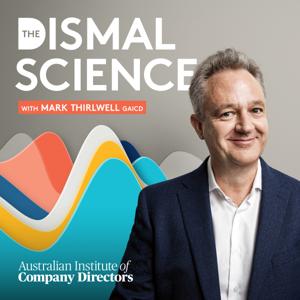


The US Federal Reserve has changed the way it makes monetary policy decisions for the world's largest economy. Its former chair Janet Yellen said that the changes would appear subtle to most "normal human beings". So why is it such a big deal for economists? Plus the latest quarterly GDP numbers put Australia officially in its first recession in three decades.
This episode was recorded on 3 September.
The Federal government looks to curb China's influence in the states, plus the Victorian situation continues to take its toll on jobs and investment.
We look at the latest GDP data from Scandinavia and ask whether Sweden has gotten the benefit of a more lenient approach to lockdowns. Plus RBA Governor Philip Lowe responds to his critics.
The Victorian second wave seems to have passed its peak but the lockdown continues to weigh down confidence, the RBA's new set of downbeat forecasts and wages growth slows to record lows. Apologies for the *dismal* audio quality on this one. We had some home technical problems in the home studios this week.
The US and Europe experienced ugly contractions in the second quarter, though China seems to be out the other side. Plus what the Victorian restrictions mean for the rest of the economy, the resilience of Australian exports and Zoom fatigue.
Australia has just experienced its worst deflation in 70 years. Should we be worried? Plus falling confidence, a rising dollar, more job losses, paid pandemic leave and the Robinhood effect.
The 'eye-watering' debt and deficit numbers released in the mini budget, the government extends JobKeeper, the RBA governor takes aim at Modern Monetary Theory, and the coronavirus spike in Victoria and NSW continues to weigh on confidence.
Should governments be more transparent in their thinking about the economy at a time of uncertainty? Plus the Victorian spike undermines confidence in the recovery and the problems with how global public health is funded.
Could this recession leave permanent scars on the economy? Plus the Victorian COVID spike dents confidence, the turn in the job market, the Fed buys Apple bonds and twenty years of the GST.
The grim IMF forecasts, record low job vacancies, what the Victorian spike means for the national economy and a very wonky discussion on the future of monetary policy.
From the publisher's feed

20 Listeners

10 Listeners

19 Listeners
21 Listeners
14 Listeners
83 Listeners
49 Listeners

19 Listeners
45 Listeners
25 Listeners
8 Listeners
46 Listeners
23 Listeners

28 Listeners

4 Listeners