
Sign up to save your podcasts
Or

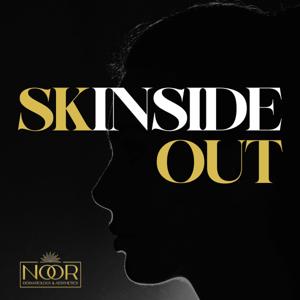

The Fitzpatrick Skin Type Scale has been a cornerstone of dermatology for decades, but how much does it really tell us about your skin?
In this episode of Skinside Out, the team breaks down the six Fitzpatrick skin types, explains the difference between tanning and burning, and discusses why skin type is about much more than skin color alone. They explore how dermatologists use the scale to assess sun sensitivity, skin cancer risk, and laser treatment safety, while also examining its limitations in today's increasingly diverse population.
You'll learn why ethnicity, genetics, and individual skin behavior matter, how misconceptions about tanning can affect skin health, and why newer classification systems may provide a more personalized approach to dermatologic care in the future.
Whether you're curious about your own skin type, considering laser treatments, or simply want to better understand how your skin responds to sun exposure, this episode offers valuable insights from the experts.
Learn more about Noor Dermatology:
https://www.noorderm.com/
00:00 – Introduction to the Fitzpatrick Skin Type Scale
00:35 – What the Fitzpatrick Scale actually measures
01:00 – Why skin tone and skin type are not the same thing
01:45 – Understanding Fitzpatrick Skin Type I
02:20 – Fitzpatrick Skin Type II explained
02:45 – Fitzpatrick Skin Type III explained
03:00 – Fitzpatrick Skin Type IV explained
03:10 – Fitzpatrick Skin Type V explained
03:20 – Fitzpatrick Skin Type VI explained
03:35 – How dermatologists use the scale in clinical practice
04:05 – Why patient history matters more than appearance alone
05:00 – The importance of discussing ethnicity before laser treatments
06:00 – Common misconceptions about tanning and sun exposure
07:20 – Tanning vs. burning: what's actually happening in your skin?
08:10 – How skin type affects sun protection recommendations
08:45 – Limitations of the Fitzpatrick classification system
09:10 – Emerging alternatives and newer skin classification methods
10:00 – How AI may help personalize skin analysis in the future
10:40 – The importance of diverse representation in dermatology research
11:30 – Why skin-of-color education is becoming increasingly important
12:00 – Should dermatology move beyond the Fitzpatrick Scale?
12:45 – The future of personalized skin assessments
13:20 – Why the Fitzpatrick Scale remains useful despite its limitations
14:00 – Final thoughts and key takeaways
14:40 – Closing remarks
 View all episodes
 By NOOR Dermatology & Aesthetics
5
66 ratings
The Fitzpatrick Skin Type Scale has been a cornerstone of dermatology for decades, but how much does it really tell us about your skin?
In this episode of Skinside Out, the team breaks down the six Fitzpatrick skin types, explains the difference between tanning and burning, and discusses why skin type is about much more than skin color alone. They explore how dermatologists use the scale to assess sun sensitivity, skin cancer risk, and laser treatment safety, while also examining its limitations in today's increasingly diverse population.
You'll learn why ethnicity, genetics, and individual skin behavior matter, how misconceptions about tanning can affect skin health, and why newer classification systems may provide a more personalized approach to dermatologic care in the future.
Whether you're curious about your own skin type, considering laser treatments, or simply want to better understand how your skin responds to sun exposure, this episode offers valuable insights from the experts.
Learn more about Noor Dermatology:
https://www.noorderm.com/
00:00 – Introduction to the Fitzpatrick Skin Type Scale
00:35 – What the Fitzpatrick Scale actually measures
01:00 – Why skin tone and skin type are not the same thing
01:45 – Understanding Fitzpatrick Skin Type I
02:20 – Fitzpatrick Skin Type II explained
02:45 – Fitzpatrick Skin Type III explained
03:00 – Fitzpatrick Skin Type IV explained
03:10 – Fitzpatrick Skin Type V explained
03:20 – Fitzpatrick Skin Type VI explained
03:35 – How dermatologists use the scale in clinical practice
04:05 – Why patient history matters more than appearance alone
05:00 – The importance of discussing ethnicity before laser treatments
06:00 – Common misconceptions about tanning and sun exposure
07:20 – Tanning vs. burning: what's actually happening in your skin?
08:10 – How skin type affects sun protection recommendations
08:45 – Limitations of the Fitzpatrick classification system
09:10 – Emerging alternatives and newer skin classification methods
10:00 – How AI may help personalize skin analysis in the future
10:40 – The importance of diverse representation in dermatology research
11:30 – Why skin-of-color education is becoming increasingly important
12:00 – Should dermatology move beyond the Fitzpatrick Scale?
12:45 – The future of personalized skin assessments
13:20 – Why the Fitzpatrick Scale remains useful despite its limitations
14:00 – Final thoughts and key takeaways
14:40 – Closing remarks

1,007 Listeners

26 Listeners

288 Listeners

30 Listeners

575 Listeners

42 Listeners

29 Listeners

24 Listeners
162 Listeners

6 Listeners

74 Listeners
4 Listeners

0 Listeners

7 Listeners

19 Listeners

7 Listeners

5 Listeners

0 Listeners

0 Listeners

0 Listeners
13 Listeners

0 Listeners

0 Listeners

8 Listeners

3 Listeners

5 Listeners

0 Listeners