
Sign up to save your podcasts
Or

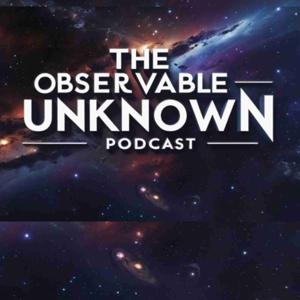


What are you missing right in front of you?
In this provocative interlude of The Observable Unknown, Dr. Juan Carlos Rey explores one of the most quietly disruptive findings in modern cognitive science: that we routinely fail to perceive what is plainly visible, not because it is hidden, but because it is unexpected.
Drawing on classic research by Daniel Simons and Christopher Chabris on inattentional blindness, as well as foundational work by Arien Mack and Ronald Rensink on perceptual omission and change blindness, this episode examines how attention functions not only as a spotlight but as a filter that excludes vast portions of reality from conscious awareness.
Listeners are guided through the implications of selective perception, including how the brain edits incoming information, why continuity is an illusion constructed from fragments, and how expectation shapes what is allowed to appear in experience at all. This interlude extends beyond visual perception into cognition and identity, revealing how individuals fail to detect internal contradictions, behavioral patterns, and repeating emotional loops for the same reason they miss external anomalies.
Integrating insights from Dr. Rey’s Chance As a Cultural Language, the episode introduces a provocative reframing: what we often call randomness, coincidence, or chance may simply reflect unseen structure—elements of reality that were never organized into awareness in the first place.
Topics include:
This episode marks a critical expansion in the current arc on perception and identity, challenging listeners to reconsider not only what they see, but what they have never seen—and may never notice without deliberate intervention.
The Observable Unknown continues its exploration at the intersection of neuroscience, psychology, and philosophy, offering a precise and thought-provoking examination of how reality is constructed, filtered, and quietly misunderstood.
The Observable Unknown is a podcast exploring consciousness at the intersection of neuroscience, culture, and lived experience. It is written and hosted by Dr. Juan Carlos Rey of drjuancarlosrey.com and crowscupboard.com, an interdisciplinary scholar whose work bridges neuroscience, philosophy, and the interior dimensions of human experience.
What if the “self” you trust most is not something you are, but something your brain is doing?
In this intellectually rigorous interlude of The Observable Unknown, Dr. Juan Carlos Rey explores one of the most provocative claims in contemporary neuroscience and philosophy: that the self may not be a fixed entity, but a continuously generated model.
Drawing on the work of philosopher Thomas Metzinger and neuroscientist Judson Brewer, this episode examines how narrative identity is constructed through the brain’s Default Mode Network, the system responsible for self-referential thinking, memory, and internal storytelling. Rather than discovering who we are, the brain may be maintaining a coherent story that feels stable simply because it is repeated.
This interlude also integrates Dr. Rey’s own research and applied frameworks, particularly from The Cost of the Move, exploring how individuals repeatedly return to familiar internal narratives, investing in identities that are predictable rather than accurate. Listeners will encounter a deeper examination of how repetition shapes identity, why painful self-concepts can feel stable, and how the illusion of a continuous self is reinforced through cognitive loops.
Topics include:
This episode challenges listeners to reconsider the nature of identity, asking whether the voice we trust as “ourselves” is a stable truth or a well-rehearsed pattern of thought. It continues the arc exploring perception, illusion, and the instability of reality, inviting a more precise and less comfortable understanding of the human mind.
The Observable Unknown is a podcast exploring consciousness at the intersection of neuroscience, culture, and lived experience. It is written and hosted by Dr. Juan Carlos Rey of drjuancarlosrey.com and crowscupboard.com, an interdisciplinary scholar whose work bridges neuroscience, philosophy, and the interior dimensions of human experience. https://squareup.com/outreach/nyD7vi/subscribe
Why do some people keep returning to music that makes them feel worse?
In this Mailbag Installment of The Observable Unknown, Dr. Juan Carlos Rey responds to a powerful listener question about the pull toward sad, melancholic music and whether this pattern reflects something psychologically wrong. Drawing from contemporary research in music psychology, affect regulation, and neuroscience, this episode explores how emotional states, behavioral repetition, and nervous system patterning interact to shape lived experience.
Referencing work by Juslin and Västfjäll, Peter Kivy, and Sandra Garrido on music and emotion, as well as broader insights from affective neuroscience and interoception research, Dr. Rey explains why individuals often choose music that mirrors their internal state rather than altering it. The discussion examines how sadness can become a familiar emotional environment, how rumination reinforces affective loops, and how repeated exposure to certain emotional tones may stabilize the nervous system around them over time.
This episode also introduces a deeper psychological framework: the distinction between expressing emotion and participating in its continuation. Integrating concepts from Dr. Rey’s work in The Cost of the Move, listeners are invited to consider the hidden consequences of repeatedly returning to the same emotional terrain and how internal patterns may quietly shape identity.
Topics include:
This conversation offers a nuanced, non-pathologizing perspective for anyone who feels drawn to emotionally intense music, helping listeners understand the difference between healthy emotional processing and self-reinforcing patterns that may quietly impact mood, relationships, and daily functioning.
The Observable Unknown is a podcast exploring consciousness at the intersection of neuroscience, culture, and lived experience. It is written and hosted by Dr. Juan Carlos Rey of drjuancarlosrey.com and crowscupboard.com, an interdisciplinary scholar whose work bridges neuroscience, philosophy, and the interior dimensions of human experience. https://squareup.com/outreach/nyD7vi/subscribe
What if you are not perceiving reality, but predicting it?
In this unsettling and intellectually charged interlude of The Observable Unknown, Dr. Juan Carlos Rey explores one of the most provocative ideas in modern neuroscience: that the brain is not a passive receiver of the world, but an active prediction engine constructing reality in real time.
Drawing on the work of theoretical neuroscientist Karl Friston and consciousness researcher Anil Seth, this episode examines the predictive processing model of perception, including the concept of reality as a “controlled hallucination” shaped by prior beliefs, expectations, and survival-driven inference. Rather than simply reacting to sensory input, the brain continuously generates models of the world and updates them only when prediction errors become unavoidable.
This interlude also integrates Dr. Rey’s own research and applied frameworks on cognitive pacing and temporal anticipation, highlighting how anxiety, identity, and decision-making are often governed by projections into the future rather than present-moment reality. Listeners will encounter a refined exploration of how internal narratives shape perception, why certainty can be neurologically misleading, and how unexamined assumptions quietly structure lived experience.
Topics include:
This episode marks the beginning of a new arc exploring perception, illusion, and the instability of reality itself. It invites listeners to reconsider not only what they see, but how they see—and whether their experience of the world is as direct as it feels.
The Observable Unknown continues its exploration at the intersection of neuroscience, philosophy, and lived human experience, offering intellectually rigorous and psychologically precise reflections for those willing to question the foundations of perception.
The Observable Unknown is a podcast exploring consciousness at the intersection of neuroscience, culture, and lived experience. It is written and hosted by Dr. Juan Carlos Rey of drjuancarlosrey.com and crowscupboard.com, an interdisciplinary scholar whose work bridges neuroscience, philosophy, and the interior dimensions of human experience. https://squareup.com/outreach/nyD7vi/subscribe
Sufism, Neuroscience, and the Regulated Heart: A Conversation with Salima Adelstein
What happens inside the human nervous system when spiritual practice becomes lived experience rather than abstract belief?
In this episode of The Observable Unknown, Dr. Juan Carlos Rey sits down with Sufi spiritual guide and global meditation teacher Salima Adelstein to explore the psychological, physiological, and relational dimensions of contemplative practice. Drawing from decades of direct healing work with individuals facing illness, emotional suffering, and existential crisis, Adelstein offers a grounded perspective on how devotional disciplines reshape perception, emotional regulation, and identity.
Together, they examine how rhythmic breath, repetition, and relational presence may function as ancient regulatory technologies. The conversation moves beyond metaphysical language into the embodied realities of healing: how attention reorganizes under ritual conditions, how trauma alters the capacity for inner stillness, and how experiences described as unity or grace might correspond to shifts in nervous-system coherence.
Listeners will also hear a nuanced exploration of leadership presence, interpersonal attunement, and the role of contemplative traditions in addressing modern anxiety, burnout, and social fragmentation. Rather than presenting spirituality as escape, this episode frames devotional practice as a structured encounter with perception itself.
For those interested in the neuroscience of meditation, the psychology of healing, or the cultural relevance of ancient spiritual traditions in a technologically accelerated world, this dialogue offers both intellectual rigor and experiential insight.
This is a conversation about how the human organism learns to stabilize meaning.
The Observable Unknown is a podcast exploring consciousness at the intersection of neuroscience, culture, and lived experience. It is written and hosted by Dr. Juan Carlos Rey of drjuancarlosrey.com and crowscupboard.com, an interdisciplinary scholar whose work bridges neuroscience, philosophy, and the interior dimensions of human experience.
What happens to human consciousness when survival is no longer theoretical, but visible in the eyes of another species?
In this episode of The Observable Unknown, Dr. Juan Carlos Rey speaks with Stacy James, founder of Dazzle Africa, a conservation-focused safari and philanthropy organization working in Zambia’s South Luangwa ecosystem. Their conversation explores the psychological, ethical, and ecological dimensions of modern conservation work, including wildlife protection, anti-poaching initiatives, community empowerment, and the emotional impact of direct encounters with endangered animals.
Together, they examine how immersive wilderness experiences can reshape perception, alter emotional regulation, and awaken a deeper sense of moral responsibility. The discussion moves beyond travel and tourism into questions of human identity, environmental ethics, resilience, and the neuroscience of awe.
Listeners interested in conservation psychology, ecological philosophy, environmental ethics, wildlife preservation, sustainable travel, and the emotional science of human–nature connection will find this dialogue especially compelling.
This episode invites a reconsideration of how stewardship, presence, and conscious engagement with the natural world can transform both personal awareness and collective responsibility.
For more information, or to donate to Dazzle Africa, visit www.dazzleimpact.org
The Observable Unknown is a podcast exploring consciousness at the intersection of neuroscience, culture, and lived experience. It is written and hosted by Dr. Juan Carlos Rey of drjuancarlosrey.com and crowscupboard.com, an interdisciplinary scholar whose work bridges neuroscience, philosophy, and the interior dimensions of human experience.
Breath, Regulation, and High Performance - The Neuroscience of Meditation with Spencer Delisle
What if clarity is not a personality trait, but a trained physiological condition?
In this deeply reflective conversation, Dr. Juan Carlos Rey sits with global meditation teacher and executive performance coach Spencer Delisle to examine how breathwork, contemplative practice, and nervous system regulation influence leadership, resilience, and decision-making under pressure.
Drawing on Spencer’s background in cardiology and oncology research, the discussion explores how ancient regulatory practices intersect with modern neuroscience. Together, they investigate flow states, trauma-sensitive breath techniques, attentional control, and the subtle ways chronic stress reshapes perception and behavior.
Listeners will discover how respiratory rhythm affects cognition, why high performers often struggle with internal dysregulation, and how contemplative training may become a defining skill of the coming decades.
This episode offers both philosophical depth and practical insight for anyone seeking emotional steadiness, mental clarity, and sustainable peak performance.
Topics include:
If you are interested in neuroscience, psychology, leadership development, meditation, performance optimization, or emotional resilience, this conversation provides a rare synthesis of science and lived contemplative practice. For more information, visit https://www.artoflivingcanadacentre.org/
The Observable Unknown is a podcast exploring consciousness at the intersection of neuroscience, culture, and lived experience. It is written and hosted by Dr. Juan Carlos Rey of drjuancarlosrey.com and crowscupboard.com, an interdisciplinary scholar whose work bridges neuroscience, philosophy, and the interior dimensions of human experience.
In this profoundly relatable Mailbag Installment of The Observable Unknown, Dr. Juan Carlos Rey responds to a moving listener letter about chronic health anxiety, hypochondriasis, and the fear that bodily sensations signal imminent illness. Blending neuroscience, psychology, and lived human experience, this episode explores why the brain can become hyper-vigilant to internal signals and how fear can reshape perception over time.
Drawing on research from scholars such as Gordon Asmundson on health anxiety, Hugo Critchley on interoception and the insular cortex, and David Barlow on anxiety regulation and interoceptive exposure, Dr. Rey explains the physiological and cognitive loops that make the body feel unsafe even in the absence of disease. The conversation also examines the generational transmission of anxiety patterns and how family history can influence nervous system sensitivity.
Listeners will gain practical insight into rebuilding trust in the body, understanding somatic awareness without catastrophic thinking, and restoring a grounded relationship with uncertainty. This episode also introduces a structured perspective on navigating anticipatory fear through disciplined temporal awareness, echoing themes from Dr. Rey’s work on cognitive pacing and emotional regulation.
If you struggle with health anxiety, somatic preoccupation, panic about symptoms, or chronic worry about illness, this thoughtful and academically grounded discussion offers clarity, reassurance, and direction.
The Observable Unknown is a podcast exploring consciousness at the intersection of neuroscience, culture, and lived experience. It is written and hosted by Dr. Juan Carlos Rey of drjuancarlosrey.com and crowscupboard.com, an interdisciplinary scholar whose work bridges neuroscience, philosophy, and the interior dimensions of human experience.
In this contemplative interlude of The Observable Unknown, Dr. Juan Carlos Rey brings the recent arc on altered states to a refined point of synthesis. Interlude LI: The Integrated Self - Regulation as Freedom explores a central question at the intersection of neuroscience, psychology, and lived human experience: what if true freedom is not merely philosophical, but physiological?
Drawing on the research of affective neuroscientist Lisa Feldman Barrett, neurologist Antonio Damasio, and theoretical neuroscientist Karl Friston, this episode examines how emotional construction, somatic signaling, and predictive brain processes shape identity, perception, and agency. Rather than treating trance, prayer, music, or moral emotion as isolated phenomena, Dr. Rey presents them as endogenous regulatory technologies. Each represents a biologically grounded pathway through which the nervous system can alter consciousness without pharmacological intervention.
Listeners will encounter a lucid exploration of the somatic marker hypothesis and its implications for decision-making, the predictive processing model of mind as a generator of reality expectations, and contemporary perspectives on emotional granularity and self-regulation. The episode also considers how breath, rhythm, focused attention, and compassionate engagement may function as practical tools for stabilizing physiological states.
At its core, this interlude proposes that psychological freedom emerges from state mobility. The regulated nervous system becomes capable of shifting between intensity and calm, engagement and reflection, passion and clarity. In a cultural moment often defined by dysregulation and cognitive overload, this insight offers a grounded framework for cultivating resilience, self-awareness, and deliberate transformation.
This episode will resonate with listeners interested in the neuroscience of consciousness, emotional regulation, predictive brain theory, contemplative practice, and integrative approaches to mental clarity and personal agency. It continues the podcast’s commitment to rigorous research, aesthetic depth, and intellectually honest dialogue about the biological foundations of meaning.
The Observable Unknown is a podcast exploring consciousness at the intersection of neuroscience, culture, and lived experience. It is written and hosted by Dr. Juan Carlos Rey of drjuancarlosrey.com and crowscupboard.com, an interdisciplinary scholar whose work bridges neuroscience, philosophy, and the interior dimensions of human experience.
What if ecstasy is not an escape from reality, but a sign that the nervous system has entered its most coherent mode of functioning?
In this contemplative solo interlude of The Observable Unknown, Dr. Juan Carlos Rey explores the neuroscience and psychology of flow states, absorption, and peak human performance without substances. Drawing on the pioneering work of psychologist Mihaly Csikszentmihalyi, as well as contemporary neurocognitive research by Arne Dietrich and Ulrich Weger, this episode examines how optimal experience emerges when attention, skill, and challenge align within the body’s regulatory architecture.
Listeners will encounter a refined synthesis of research on transient hypofrontality, dopamine-mediated motivation, attentional immersion, and altered time perception, including insights from Kent Berridge, Wolfram Schultz, and David Eagleman. Together, these perspectives illuminate how artistic creativity, athletic trance, and deep intellectual engagement may reflect a state of neural integration rather than deviation.
Rather than romanticizing intoxication or mystical escape, this interlude offers a grounded exploration of how clarity, precision, and disciplined absorption can generate states often described as transcendent. The discussion situates flow within broader themes of emotional regulation, predictive processing, and embodied cognition, continuing the podcast’s larger inquiry into consciousness, identity, and human potential.
Ideal for listeners interested in neuroscience, psychology of performance, contemplative practice, creativity research, and peak experience, this episode invites reflection on a profound possibility:
The Observable Unknown is a podcast exploring consciousness at the intersection of neuroscience, culture, and lived experience. It is written and hosted by Dr. Juan Carlos Rey of drjuancarlosrey.com and crowscupboard.com, an interdisciplinary scholar whose work bridges neuroscience, philosophy, and the interior dimensions of human experience.
From the publisher's feed
The Observable Unknown is a scientific and psychological podcast exploring consciousness, perception, behavior, identity, altered states, symbolism, neuroscience, and the hidden structures shaping…

91,018 Listeners

78,398 Listeners

43,827 Listeners

43,362 Listeners

26,829 Listeners
14,348 Listeners

8,656 Listeners

111,865 Listeners

7,165 Listeners
3,377 Listeners

29,207 Listeners
713 Listeners

479 Listeners
1,395 Listeners
8,792 Listeners