"I got a lotta problems with you people; now, you're gonna hear about it!" So barked George* Costanza's dad Frank 20 years ago this week, in a classic episode of Seinfeld that introduced the country to Festivus, an alternative and heretofore private December holiday created by Daniel O'Keefe, the father of Seinfeld writer Dan O'Keefe. Now recognized as occurring on December 23, Festivus includes a simple aluminum pole, Feats of Strength (which involves wrestling the head of the household to the ground), and most famously, the Airing of Grievances.
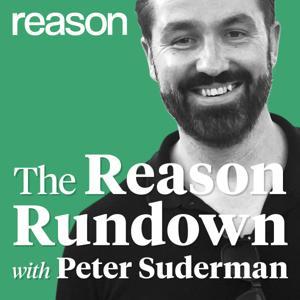
It is that last activity which wraps up our special year-in-review Reason Podcast, featuring myself, Nick Gillespie, Katherine Mangu-Ward, and Peter Suderman. But SPOILER ALERT: My grievance, originally aimed in the general direction of sellout fiscal conservatives who have ballooned the federal deficit and debt once back in power, turns at the last minute toward Nerdpants Suderman (pictured), who beginning at the 50-minute mark of this podcast decides to direct his Festivus animus at the makers of The Last Jedi for reasons he could not elucidate without IMMEDIATELY SPOILING THE MOVIE FOR ME AND ANYONE LISTENING. His response to a man who A) does not review movies professionally, and B) has young children? "You basically missed the spoilers deadline." The monster.
The episode, however, focuses mostly on the big stories of 2017—the elephant in the room, the world's undercovered horrors and triumphs, the transformation of music-delivery systems, the last wheezing gasps of the 20th century, and (obviously) the aliens that will swallow us whole in 2018.