
Sign up to save your podcasts
Or

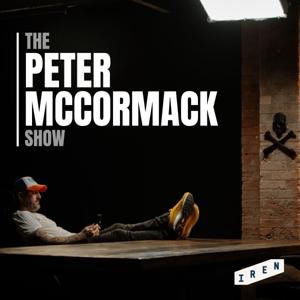

Mike Brock is the lead at TBD, the Bitcoin-focused subsidiary of Block. In this interview, we discuss being a post-libertarian, reconciling the best elements of libertarianism with support for liberal democracy, and how Bitcoin improves the incentive structures within governing institutions.
- - - -
The persuasiveness of libertarian ideology is incredibly effective: the idea of individual liberty is both a simple and powerful message in a world where such freedoms are seemingly under perpetual attack. In the 20th century, the basis of modern libertarian thinking was provided by people such Ayn Rand.
In recent years libertarianism has witnessed a resurgence and invigoration in the wake of the Iraq war and global financial crisis. Many young people witnessed the transparent failings of the state juxtaposed with increasing encroachments on civil liberties in a new digital world. Bitcoin's innovation of providing financial sovereignty in this context resulted in an understandable bonding of doctrine and technology.
But as Bitcoin matures, what was the pipe dream of it being able to change society is increasingly becoming a possibility. Is it therefore time to question the libertarian thinking that has been used to grow Bitcoin's popularity? Can libertarianism provide a complete and robust basis for society? Or, are it's ideas best assimilated into more orthodox political systems?
Such discussions may be challenging for those who have been at the forefront of the battle to enable Bitcoin to grow. But, as Bitcoin's popularity widens and it attracts people of all political persuasians, this is the time for a debate to test the limits and strengths of libertarian thinking, and establish the red lines if and when compromises need to be made.
Hosted on Acast. See acast.com/privacy for more information.
 View all episodes
 By Peter McCormack

4.8
21432,143 ratings
Mike Brock is the lead at TBD, the Bitcoin-focused subsidiary of Block. In this interview, we discuss being a post-libertarian, reconciling the best elements of libertarianism with support for liberal democracy, and how Bitcoin improves the incentive structures within governing institutions.
- - - -
The persuasiveness of libertarian ideology is incredibly effective: the idea of individual liberty is both a simple and powerful message in a world where such freedoms are seemingly under perpetual attack. In the 20th century, the basis of modern libertarian thinking was provided by people such Ayn Rand.
In recent years libertarianism has witnessed a resurgence and invigoration in the wake of the Iraq war and global financial crisis. Many young people witnessed the transparent failings of the state juxtaposed with increasing encroachments on civil liberties in a new digital world. Bitcoin's innovation of providing financial sovereignty in this context resulted in an understandable bonding of doctrine and technology.
But as Bitcoin matures, what was the pipe dream of it being able to change society is increasingly becoming a possibility. Is it therefore time to question the libertarian thinking that has been used to grow Bitcoin's popularity? Can libertarianism provide a complete and robust basis for society? Or, are it's ideas best assimilated into more orthodox political systems?
Such discussions may be challenging for those who have been at the forefront of the battle to enable Bitcoin to grow. But, as Bitcoin's popularity widens and it attracts people of all political persuasians, this is the time for a debate to test the limits and strengths of libertarian thinking, and establish the red lines if and when compromises need to be made.
Hosted on Acast. See acast.com/privacy for more information.

3,339 Listeners

771 Listeners

2,177 Listeners

426 Listeners
740 Listeners

1,837 Listeners

278 Listeners

236 Listeners

649 Listeners

655 Listeners

442 Listeners

132 Listeners

123 Listeners

445 Listeners

103 Listeners