
Sign up to save your podcasts
Or

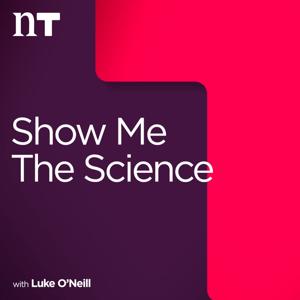

Why do we sweat? And what secrets does it hold about our bodies? On this week’s podcast, Professor Luke O'Neill dives into the fascinating science of sweat. From keeping our body temperature in check to signalling stress and even potential mate selection, sweat is far more than just water and salt.
The podcast explores how sweat is made by specialized eccrine glands, originating from plasma in our blood, and why humans are among the sweatiest animals on the planet. Luke explains how the average adult can produce up to four litres a day, and why staying hydrated is crucial.
But there’s more: stress, exercise, and climate all change how and why we sweat. Sweat itself is odorless, but bacteria, lactic acid, and urea can create the smells we associate with adolescence, gyms, and armpits. And surprisingly, sweat contains proteins that fight bacteria, hinting at a role in our body’s natural defence.
Could sweat one day be a diagnostic tool for disease? Why do identical twins sweat the same amount? And could it even act as a pheromone signal? Professor O’Neill explains all this and more, in a conversation sparked by a listener question from Siún.
If you want to ask Luke your own science question, email him at:
 View all episodes
 By Newstalk
5
55 ratings
Why do we sweat? And what secrets does it hold about our bodies? On this week’s podcast, Professor Luke O'Neill dives into the fascinating science of sweat. From keeping our body temperature in check to signalling stress and even potential mate selection, sweat is far more than just water and salt.
The podcast explores how sweat is made by specialized eccrine glands, originating from plasma in our blood, and why humans are among the sweatiest animals on the planet. Luke explains how the average adult can produce up to four litres a day, and why staying hydrated is crucial.
But there’s more: stress, exercise, and climate all change how and why we sweat. Sweat itself is odorless, but bacteria, lactic acid, and urea can create the smells we associate with adolescence, gyms, and armpits. And surprisingly, sweat contains proteins that fight bacteria, hinting at a role in our body’s natural defence.
Could sweat one day be a diagnostic tool for disease? Why do identical twins sweat the same amount? And could it even act as a pheromone signal? Professor O’Neill explains all this and more, in a conversation sparked by a listener question from Siún.
If you want to ask Luke your own science question, email him at:

177 Listeners

6 Listeners

7 Listeners

2 Listeners

54 Listeners

60 Listeners

61 Listeners

57 Listeners

2 Listeners

5 Listeners

13 Listeners
42 Listeners

2 Listeners

3 Listeners

0 Listeners

5 Listeners

1 Listeners

2 Listeners

0 Listeners

362 Listeners

89 Listeners

37 Listeners

23 Listeners

51 Listeners

109 Listeners

37 Listeners

41 Listeners

23 Listeners

1 Listeners

1 Listeners

9 Listeners

10 Listeners

0 Listeners

3 Listeners