
Sign up to save your podcasts
Or

By Jennifer
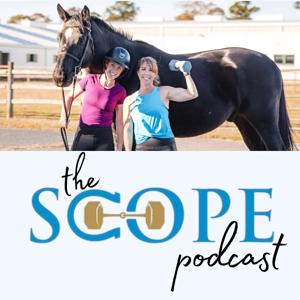
Two perspectives; one sport. Unfiltered conversations about the equestrian world.

5
4545 ratings


The podcast currently has 84 episodes available.
The most played episodes among Podcast App listeners.
Send us Fan Mail In this episode of Scope, hosts Jen Barker and Karen Tanner dive into the pressing issue of accessibility in the equestrian world, specifically focusing on making horse shows more affordable. As they unpack a range of solutions, they tackle some controversial ideas that may stir the pot among equestrians. Episode Highlights: •Rethinking Prize Money: Jen and Karen propose eliminating prize money in the amateur and junior divisions, arguing that it may not incentivize participation. They suggest redirecting those funds to lower entry fees for all competitors. •Membership Costs: The discussion shifts to the high costs associated with USEF and USHJA memberships. The hosts advocate for a tiered membership system that extends the validity of memberships based on the number of shows attended, helping those who participate less frequently. •Braiding Debates: Another contentious point arises as they contemplate whether judges should penalize unbraided horses. Jen and Karen explore the implications of this practice on both costs and the livelihoods of braiders, suggesting a potential compromise to create more accessible showing options. •Accessibility vs. Tradition: Throughout the episode, they challenge the equestrian community to reconsider traditions that may hinder accessibility. They emphasize that while some practices enhance the show experience, they can also contribute to rising costs. Join Jen and Karen as they navigate these complex topics with humor and insight, aiming to spark a conversation that could lead to real change in the equestrian community. Don’t miss this thought-provoking episode that blends practicality with a bit of rebellion, perfect for anyone invested in the future of horse showing! Support the show

Send us Fan Mail In this episode of Scope, hosts Jen Barker and Karen Tanner revisit their recent judging episode, which sparked a lively debate. Jen receives a text that feels like a summons to the principal’s office, and it turns out to be from their guest, Sissy Wickes. With a mix of humor and seriousness, they dive deep into what they got right and wrong in their previous discussion about judging in equestrian competitions. Sissy, an accomplished judge and trainer with extensive experience in the equestrian world, brings her expertise to the table. As a member of the US Equestrian Federation’s task force on judging, she has been instrumental in shaping standards and education. Sissy emphasizes the importance of understanding the judging process, noting that many misconceptions stem from a lack of education about what judges look for and the parameters of judging. The trio discusses the complexities of judging different horses and the varying standards judges may have. Topics include the pressures trainers face, the realistic expectations riders should have, and the challenges of competing at different levels. They also touch on the vital role of transparency in the sport, questioning how to better educate participants and spectators alike. As the conversation progresses, they explore the rise of social media and live streaming, and how these platforms can amplify criticism but also offer opportunities for constructive feedback. Sissy shares insights from her work on the USEF task force, advocating for changes in judging education and licensing that could lead to a more consistent judging experience. This episode is packed with thoughtful dialogue, aiming to bridge gaps in understanding while fostering a community centered around learning and improvement within the equestrian world. Tune in for a candid discussion that might just challenge your perceptions of judging in horse sports! Don’t miss this engaging episode featuring insightful perspectives from industry veterans. Support the show
Send us Fan Mail In this episode of Scope, hosts Karen Tanner and Jen Barker dive into the intriguing world of equestrian judging with their segment “Red Flag, Green Flag, Pink Flag: Judges Edition.” Drawing on recent discussions surrounding pony finals, the duo explores the complexities and controversies of judging standards, the pressures judges face, and the impact of their decisions on competitors. They kick off the episode with a light-hearted banter about vocal warm-ups and AI-driven feedback, setting a playful tone before delving into the serious topic of judging. Karen and Jen discuss the public scrutiny judges often endure, likening it to the pressures faced by officials in high-stakes sports like the NFL or NBA. They share insights from a judge who has experienced this firsthand, revealing the challenges of maintaining professionalism amidst criticism. As they navigate various scenarios, they assess the nuances of judging criteria, including whether judges favor well-known trainers. They tackle the perception of bias, the importance of transparency in scoring, and the need for standardized deductions for errors. Tune in for a thought-provoking discussion that not only critiques the judging process but also emphasizes the need for understanding and growth within the equestrian community. Whether you’re a competitor, trainer, or just a fan of the sport, this episode offers valuable insights into the often-misunderstood role of judges in equestrian competitions. Support the show
Send us Fan Mail In this episode of Scope, hosts Karen Tanner and Jen Barker welcome the esteemed Dr. Rhea Merck, a sports psychologist and author, to explore the intricacies of performance anxiety and mental health in the equestrian world. As a veteran of working with student-athletes, Dr. Merck shares her insights on the psychological challenges riders face, especially those stemming from anxiety. Karen and Jen dive deep into topics like the difference between healthy nervous energy and crippling anxiety, and how that affects both riders and their horses. They discuss techniques for grounding oneself, the impact of parental involvement on young athletes’ performance, and the importance of mindfulness practices in managing anxiety. Dr. Merck also introduces listeners to EMDR, a trauma treatment technique, explaining how it can aid athletes recovering from injuries or traumatic experiences. With practical advice and relatable anecdotes, this episode is a must-listen for anyone involved in sports, particularly equestrian disciplines, shedding light on how mental health plays a critical role in athletic performance. Join us for an enlightening conversation that not only addresses common struggles but also empowers athletes to harness their mental strength. Don’t forget to check us out on Patreon for exclusive content and workouts, and tune in next time for more insights on Scope! Support the show
Send us Fan Mail In this episode of Scope, Jen Barker and Karen Tanner dive into the complexities of advancement in equestrian sports, exploring the fine line between ambition and readiness. With a nostalgic nod to the 80s and 90s, they share personal hair journeys while transitioning into a serious discussion about the pressures trainers feel up allow riders to "move up" in jumping levels. The hosts dissect the notion of advancement as a status symbol and the potential pitfalls it can create for both riders and trainers. They emphasize the importance of competency over mere ambition and introduce the concept of Minimum Eligibility Requirements (MERS) as a framework for ensuring safety and skill in the sport. As they navigate through various viewpoints on how to balance horse welfare and rider capability, they highlight the necessity for trainer certification and the potential benefits it could bring to the equestrian community. With a sprinkle of humor and candid reflections, Jen and Karen address the challenges faced by trainers in guiding riders toward responsible advancement, ultimately urging listeners to prioritize skill, safety, and the integrity of the sport. Join them for a thought-provoking discussion that challenges the status quo and encourages a deeper understanding of the risks and rewards in the journey of equestrian advancement. --- If you have any specific elements you’d like to focus on or adjust, let me know! Support the show
The podcast currently has 84 episodes available.

11,883 Listeners

369,976 Listeners
11,964 Listeners
167 Listeners
75 Listeners

47,048 Listeners

4,485 Listeners

7,734 Listeners

6,449 Listeners
4,252 Listeners
11 Listeners

10 Listeners
51 Listeners

1,568 Listeners

173 Listeners