
Sign up to save your podcasts
Or

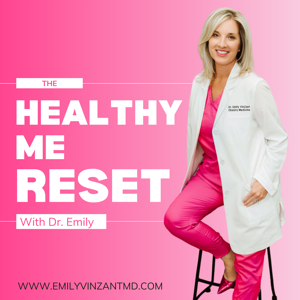

Did you know that there's a specific day of the year when the risk of heart attack and stroke suddenly increases?
In this episode, Dr. Emily dives into the science behind this phenomenon and explains why even a slight disruption in our sleep can affect our heart, hormones, and overall health.
Our bodies operate on something called a circadian rhythm—our natural internal clock that tells us when to sleep, wake, eat, and repair. When that rhythm gets disrupted, even by just an hour, it can throw several systems off balance.
Sleep isn't just rest. It's when the body performs critical repair processes. During sleep:
Heart rate and breathing slow down
Metabolism shifts into recovery mode
The brain organizes and clears information from the day
Hormones rebalance to prepare the body for the next day
When sleep is disrupted, these systems don't reset properly.
One of the biggest factors involved is cortisol, often called the body's stress hormone.
When we are sleep-deprived or stressed, cortisol remains elevated longer than it should. This creates a cascade of effects, including:
Increased blood pressure
Higher stress on the cardiovascular system
Disrupted blood sugar regulation
Increased inflammation
All of these can contribute to an increased risk of heart attack or stroke—especially when layered on top of chronic sleep deprivation.
Sleep deprivation also affects behavior and decision-making.
Research shows that when people are sleep deprived, they are more likely to:
Crave sugary or highly processed foods
Experience bigger energy crashes
Make poorer food choices
Eat more frequently throughout the day
This combination of poor sleep, stress hormones, and unhealthy eating patterns creates a cycle that can negatively impact long-term health.
Sleep plays a powerful role in regulating metabolism, hormone balance, and brain health. During sleep, the brain essentially performs a "cleanup" process—strengthening neural connections, organizing memories, and clearing out metabolic waste.
It's also when the body resets insulin responses and gives the digestive system a break.
Without adequate sleep, these processes become disrupted, increasing the risk for issues like:
Obesity
Diabetes
Cardiovascular disease
Chronic stress
While we can't eliminate daylight saving time ourselves, we can take steps to support our bodies during these transitions.
A few simple strategies include:
Prioritizing consistent sleep schedules
Reducing evening screen time and technology use
Supporting healthy nighttime routines
Managing stress levels
Being mindful of food choices when tired
These lifestyle habits help support your circadian rhythm and give your body the recovery time it needs.
Sometimes the biggest health risks aren't obvious—they're hidden in our daily habits. Understanding how sleep impacts your body can help you make simple changes that support better health.
Ready for more guidance and support? Head to www.emilyvinzantmd.com or follow Dr. Emily on Facebook and Instagram for more science-backed common-sense health.
 View all episodes
 By Emily VinZant, MD

4.6
5353 ratings
Did you know that there's a specific day of the year when the risk of heart attack and stroke suddenly increases?
In this episode, Dr. Emily dives into the science behind this phenomenon and explains why even a slight disruption in our sleep can affect our heart, hormones, and overall health.
Our bodies operate on something called a circadian rhythm—our natural internal clock that tells us when to sleep, wake, eat, and repair. When that rhythm gets disrupted, even by just an hour, it can throw several systems off balance.
Sleep isn't just rest. It's when the body performs critical repair processes. During sleep:
Heart rate and breathing slow down
Metabolism shifts into recovery mode
The brain organizes and clears information from the day
Hormones rebalance to prepare the body for the next day
When sleep is disrupted, these systems don't reset properly.
One of the biggest factors involved is cortisol, often called the body's stress hormone.
When we are sleep-deprived or stressed, cortisol remains elevated longer than it should. This creates a cascade of effects, including:
Increased blood pressure
Higher stress on the cardiovascular system
Disrupted blood sugar regulation
Increased inflammation
All of these can contribute to an increased risk of heart attack or stroke—especially when layered on top of chronic sleep deprivation.
Sleep deprivation also affects behavior and decision-making.
Research shows that when people are sleep deprived, they are more likely to:
Crave sugary or highly processed foods
Experience bigger energy crashes
Make poorer food choices
Eat more frequently throughout the day
This combination of poor sleep, stress hormones, and unhealthy eating patterns creates a cycle that can negatively impact long-term health.
Sleep plays a powerful role in regulating metabolism, hormone balance, and brain health. During sleep, the brain essentially performs a "cleanup" process—strengthening neural connections, organizing memories, and clearing out metabolic waste.
It's also when the body resets insulin responses and gives the digestive system a break.
Without adequate sleep, these processes become disrupted, increasing the risk for issues like:
Obesity
Diabetes
Cardiovascular disease
Chronic stress
While we can't eliminate daylight saving time ourselves, we can take steps to support our bodies during these transitions.
A few simple strategies include:
Prioritizing consistent sleep schedules
Reducing evening screen time and technology use
Supporting healthy nighttime routines
Managing stress levels
Being mindful of food choices when tired
These lifestyle habits help support your circadian rhythm and give your body the recovery time it needs.
Sometimes the biggest health risks aren't obvious—they're hidden in our daily habits. Understanding how sleep impacts your body can help you make simple changes that support better health.
Ready for more guidance and support? Head to www.emilyvinzantmd.com or follow Dr. Emily on Facebook and Instagram for more science-backed common-sense health.

12,912 Listeners

1,989 Listeners

8,783 Listeners

2,100 Listeners

7,503 Listeners

16,637 Listeners

9,231 Listeners
1,561 Listeners

62 Listeners
110 Listeners

29,207 Listeners

17,668 Listeners

19,524 Listeners

1,196 Listeners

348 Listeners