
Sign up to save your podcasts
Or



Have you ever known you needed to say something, but stayed quiet because you were worried about upsetting someone, creating conflict, or saying it the wrong way?
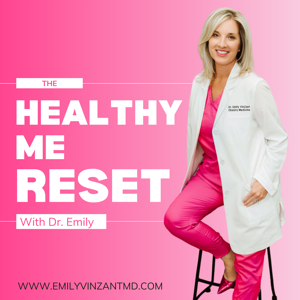
In this episode of The Healthy Me Reset, Dr. Emily shares a simple three-step process for approaching difficult conversations in a healthier, more intentional way.
Whether the conversation is with your spouse, your child, a friend, or someone at work, the goal isn't to find the perfect words or control how the other person responds. It's to prepare yourself to show up calmly, communicate what matters, and let the other person own their response.
Listen in to learn more:00:00:50 | Why We Avoid Difficult Conversations Knowing you have something important to say doesn't necessarily make it easier to say it. Fear of upsetting someone or creating conflict can keep us quiet even when a conversation needs to happen.
0:04:12 |Steady Your Emotions Before starting a difficult conversation, check your emotional state. Going into a conversation already activated, nervous, angry, or defensive can change both how you communicate and how the other person responds.
0:06:09 | Give Yourself Time to Reset Taking a few minutes to breathe, pray, gather your thoughts, or simply calm your body can help you enter the conversation more intentionally.
0:06:41 | Start With a Shared Goal Before focusing on what you disagree about, identify what you both ultimately want. Starting with common ground can completely change the tone of a difficult conversation.
0:07:49 | Finding Common Ground in Family Conversations Dr. Emily shares how establishing a shared goal helped her blended family have a more honest conversation about what they wanted their family to become.
0:08:55 | Using Shared Goals at Work The same approach can work professionally. Dr. Emily shares how identifying a win for both sides helped her approach a contract conversation about expanding her work in obesity medicine.
00:09:38 | Let the Other Person Own Their Reaction You can be thoughtful about how you communicate, but you can't control another person's response. Your responsibility is how you show up and share what needs to be said.
00:12:38 | Know When to Give the Conversation Space Healthy communication doesn't mean every disagreement gets resolved immediately. Sometimes the best choice is to step away, allow emotions to settle, and return to the conversation later.
00:13:15 | The Three Steps to Remember Steady your emotions. Start with a shared goal. Let the other person own their reaction.
Key TakeawaysDifficult conversations usually go better when you prepare your emotional state before you begin.
You don't need to eliminate nervousness before speaking. Your voice can shake and you can still say what needs to be said.
Starting with a shared goal can create common ground before addressing an uncomfortable issue.
You are responsible for how you communicate, but you cannot control another person's reaction.
Giving someone space to process can be part of healthy communication.
Sometimes the goal isn't immediate agreement. It's communicating honestly and intentionally while staying grounded in who you want to be.
Learn more about Dr. Emily, her coaching, and The Healthy Me Reset: https://www.emilyvinzantmd.com/
Listen to The Healthy Me Reset on Apple Podcasts and leave a rating or review: https://podcasts.apple.com/us/podcast/the-healthy-me-reset/id1596288398
Medical DisclaimerThe Healthy Me Reset podcast is for general informational and educational purposes only and does not constitute medical advice or the practice of medicine. The information shared on this podcast is not intended to replace professional medical advice, diagnosis, or treatment. Always consult your physician or another qualified healthcare professional regarding your individual health and medical needs.
What can spending time in Spain, France, and Italy teach us about eating healthier at home?
After returning from a Mediterranean cruise, Dr. Emily shares three simple habits she noticed again and again: eating more vegetables, keeping meals simple, and moving naturally throughout the day.
This isn't about perfectly recreating a Mediterranean diet or following another rigid food plan. It's about noticing the everyday habits that make healthier choices feel more natural and finding realistic ways to bring them into your own life.
Dr. Emily also talks about one important adjustment she recommends for women who are focused on weight loss: making sure you're getting enough protein to help maintain muscle while still incorporating Mediterranean-style eating.
In This Episode00:03:26 | Veggies at Breakfast Why vegetables don't have to be reserved for lunch and dinner, and how Mediterranean breakfasts challenged the typical American idea of "breakfast food."
00:05:26 | Easy Mediterranean-Inspired Breakfast Ideas Grilled tomatoes, avocado, and other simple ways to add vegetables without completely changing what you eat.
00:07:00 | Simplifying the Plate Why Dr. Emily noticed fewer "everything mixed together" meals and what separating foods can teach us about portions and intentional eating.
00:07:47 | What Tapas Can Teach Us Smaller portions, simpler foods, and slowing down enough to actually enjoy the meal.
00:08:38 | Eating Differently in Italy Dr. Emily shares what she noticed about first and second courses in Italy and how the structure naturally creates a pause before deciding whether you need more food.
00:10:53 | Movement as Part of Everyday Life Walking, gathering outside, and moving throughout the day aren't necessarily considered "exercise." They're simply part of daily life.
00:13:08 | What Happened on the Scale After the Cruise Dr. Emily shares what happened when she returned home, including temporary swelling, eating differently while traveling, and just how much they moved throughout the trip.
00:13:57 | Three Mediterranean Habits to Bring Home More vegetables and whole foods, simpler portions, and more natural movement without needing to overhaul your entire life.
00:15:08 | Mindfulness Over Perfection Why Dr. Emily believes sustainable healthy changes aren't necessarily about finding the perfect diet plan, but becoming more mindful of everyday choices.
00:15:48 | Mediterranean Eating and Protein Why women focused on weight loss or maintaining muscle may want to be more intentional about protein while adopting Mediterranean-style eating.
00:16:55 | Combining Mediterranean Eating With Dr. Emily's Approach How Dr. Emily incorporates protein first while still embracing many of the principles she observed throughout the Mediterranean.
Key TakeawaysHealthy eating doesn't have to start with removing foods. Sometimes it can begin by simply adding more vegetables to meals, including breakfast.
Mediterranean-style meals often emphasize vegetables, fish, beans, olive oil, and other less processed foods.
Separating foods and slowing down a meal can give you more opportunity to notice when you're satisfied before automatically eating more.
Movement doesn't have to happen only during a workout. Short walks and frequent movement throughout the day add up.
You don't need to follow a Mediterranean diet perfectly to borrow some of its everyday habits.
For women focused on weight loss and maintaining muscle, Dr. Emily recommends being intentional about including adequate protein alongside Mediterranean-style foods.
Sustainable change is less about following a perfect diet and more about becoming mindful of what you're eating and how you're living.
Dr. Emily's Energized Eating Plan Dr. Emily's approach with her coaching clients focuses on protein, vegetables, and then the rest of the meal.
Mediterranean Diet A style of eating emphasizing foods such as vegetables, whole grains, beans, fish, olive oil, and other unsaturated fats.
Barcelona, Spain One of the stops where Dr. Emily experienced Mediterranean-style breakfasts and meals firsthand.
Lucca, Italy Where Dr. Emily noticed the traditional first-course/second-course approach to eating.
Cinque Terre, Italy Dr. Emily's favorite destination from the trip and her recommendation if you need a few minutes of beautiful Mediterranean daydreaming.
Connect with Dr. EmilyLearn more about Dr. Emily, her coaching, and the Healthy Me Reset: https://www.emilyvinzantmd.com/
Enjoying the podcast? Leave a rating and review on Apple Podcasts. Your review helps more women discover The Healthy Me Reset and find practical, sustainable ways to improve their health.
Medical DisclaimerThe Healthy Me Reset podcast is for general informational and educational purposes only and does not constitute medical advice or the practice of medicine. The information shared on this podcast is not intended to replace professional medical advice, diagnosis, or treatment. Always consult your physician or another qualified healthcare professional regarding your individual health and medical needs.
What does healthy eating really look like—and how can we make it simple enough to actually stick with?
In this episode, Dr. Emily breaks down the latest dietary guidance and connects it to what we can learn from the Blue Zones. She talks about prioritizing whole foods, especially plant-based foods, limiting ultra-processed foods, and choosing a flexible eating pattern that fits your life and culture.
She also shares her simple "energized eating plan" — protein, veggies, and then the rest—and explains why protein is especially important for weight loss, perimenopause, and menopause. She discusses the importance of fiber, beans, fruits and vegetables, sugary drinks, artificial sweeteners, and why highly processed foods can keep us coming back for more.
Most importantly, Dr. Emily reminds us that healthy eating doesn't have to be perfect. Whether it's adding a vegetable to every meal, eating more beans, preparing food ahead of time, reducing sugary drinks, or simply finding easier ways to get groceries, one simple step forward can make a big difference.
The goal isn't the perfect diet—the goal is a sustainable plan you can actually live with.
If this episode speaks to you, share it with people who may need this—and don't forget to leave a review so more people can find the podcast.
Do you really need to see your doctor every year for a physical?
It's a question many of us ask—especially as technology makes it easier to track our health from home. Watches, rings, telemedicine, urgent care, and at-home testing can give us more information than ever. But can technology really replace having a doctor who knows you and your health history?
In this episode, Dr. Emily takes a closer look at what a yearly physical is actually for—and why the answer may be more personal than simply "yes, every year."
She talks about:
Your health deserves more than a number on a watch or a test result sitting in your inbox. Sometimes, the most valuable part of a physical is having someone who knows you—your history, your risks, your changes, and what questions to ask next.
So if your yearly physical is coming up—or it's been a while—this episode is for you.
Listen to Episode 115 and ask yourself: Do I need a yearly physical, or do I need a better plan for my preventive care?
If this episode speaks to you, share it with people who may need this—and don't forget to leave a review so more people can find the podcast.
Ready for more guidance and support? Head to www.emilyvinzantmd.comhttps://www.emilyvinzantmd.com/ or follow Dr. Emily on Facebook and Instagram for more science-backed common-sense health.
Back-to-school season can bring excitement, but it can also bring a whole lot of worry. And sometimes, that worry feels bigger than we know how to handle.
Dr. Emily gets real about back-to-school anxiety, parenting fears, safety concerns, social media, and the stories our minds create when we feel afraid.
She shares honestly about her own worries as a mom and how this year has felt heavier. With everything we see in the news and on social media—from school safety concerns to heartbreaking stories involving children—it can be easy for our brains to move from "What happened?" to "What if this happens to my child?"
And that distinction matters.
In this episode, she talks about:
She also shares personal stories about her own daughter, flying anxiety, social media breaks, and the ways she has learned to recognize when her brain is creating a story that doesn't necessarily match the facts.
One of the biggest reminders in this episode is simple:
We don't have to control everything around us to create safety.
Sometimes, we need to pause, ask "Is this the fact, or is this my story?" and permit our minds to move toward a safer place.
And for those of us who live by faith, there is another important piece: we can prepare our children, take wise action, and then give what we cannot control to God.
If back-to-school anxiety has been weighing on you—or if you find yourself caught in worrying, doom-scrolling, or imagining every possible "what if"—this episode is for you.
Take a breath. Step back. Look at the facts. Notice what your thoughts are doing.
And remember: you don't have to carry every fear your mind brings to you.
If this episode speaks to you, share it with another parent who may need this reminder—and don't forget to leave a review so more people can find the podcast.
Ready for more guidance and support? Head to www.emilyvinzantmd.comhttps://www.emilyvinzantmd.com/ or follow Dr. Emily on Facebook and Instagram for more science-backed common-sense health.
The new school year is coming—and if you're anything like me, you're probably thinking about schedules, school drop-offs, pickups, work, dinner, and how on earth all of it is going to fit together.
But there's something else that happens when a new school year begins.
We reset, too.
In Episode 113, I'm talking about that feeling of a fresh start—and how easy it is to get really excited about all the things we're going to change.
We're going to get healthier. We're going to exercise. We're going to worry less. We're going to be more present. We're going to get our lives together.
And it sounds amazing… for about ten seconds.
Then our brain starts reminding us about all the things we're going to have to change.
That's where I want us to pause.
Because I've talked about this before: we don't need to change everything at once. We don't need to build up five days before starting some giant new plan, only to expect ourselves to do it perfectly—and then quit when we don't.
Let's focus on progress instead of perfection.
I also share a little about what this school-year transition feels like for me personally, especially watching my youngest head into third grade. There's something emotional about realizing that your "baby" isn't quite so little anymore.
And while we're talking about resets, I want to invite you into the Fasting Flock for a special 24-hour fast on August 17 as we pray for our children, our schools, their safety, and all the people who simply want the best for them.
We'll talk about what that reset can look like and why sometimes creating a little space is exactly what we need.
And then we're taking a little detour into something I've been thinking about a LOT lately:
perimenopause.
Because the internet has no shortage of things we're apparently supposed to do for our hormones, our weight, our inflammation, our energy, and our bodies.
Weighted vests. Weight-loss strategies. Medications. Diet plans. You name it.
But just because something works for someone else doesn't mean it's automatically the right strategy for you.
I want us to think about the bigger picture—especially muscle maintenance, metabolism, long-term health, and what actually makes sense for our bodies at this point in our lives.
So as we head into a new school year, maybe your reset doesn't need to be some huge overhaul.
Maybe it's simply asking:
What do I want this year to feel like?
What do I want my health to look like?
What do I want to worry less about?
What do I want to make more space for?
And what's one thing I can start with?
Because you don't have to do everything.
You have to start.
🎧 Listen to Episode 113: Healthy School Year Reset Strategies.
And send this one to the person who keeps saying, "Okay, I'm starting Monday." 😉
What if the back-to-school reset you need isn't actually for your kids—it's for you?
A new school year brings new routines, new goals, and that familiar feeling that this year will be different.
But before you try to change everything at once, I want you to pause.
Because the goal isn't perfection.
The goal is progress.
⭐ If you enjoyed this episode…Please follow the podcast, leave a review, and share this episode with someone who could benefit from it.
If the scale suddenly feels unpredictable, your clothes fit differently, or your body no longer responds the way it once did, you are not imagining it—and you are certainly not alone.
In this episode, Dr. Emily shares one of the most noticeable—and often frustrating—changes women experience during this season: weight gain. She also shares practical ways to support your health during this transition, including regular movement, strength training, better sleep habits, and choosing more natural, less processed foods. Most importantly, she reminds women that this season does not require perfection. It requires patience, consistency, and a willingness to learn what your changing body needs.
She explains why weight commonly shifts during perimenopause, why more fat may begin collecting around the belly, and how hormonal changes can affect inflammation, sleep, mood, eating habits, and muscle mass. She also clears up some common confusion surrounding hormone replacement therapy and weight gain.
This episode is not about blaming your hormones or making you afraid of what is ahead. It is about understanding what is happening inside your body so you can respond with wisdom, curiosity, and grace.
In This Episode, You'll Learn:
Your body is not failing you. It is moving through a real and complex transition. You can still take care of yourself, build healthy routines, maintain your strength, and become the healthiest version of yourself as you enter this next season of life.
Listen now and discover how to work with your body instead of fighting against it.
Ready for more guidance and support? Head to www.emilyvinzantmd.comhttps://www.emilyvinzantmd.com/ or follow Dr. Emily on Facebook and Instagram for more science-backed common-sense health.
Could the mood changes, brain fog, weight gain, joint pain, swelling, or exhaustion women experience in midlife be connected to perimenopause—or is something else going on?
Over the past year, Dr. Emily has experienced several health concerns that seemed unrelated at first—shoulder pain, back pain, swelling in her ankles and eyelids, weight changes, infections, mood changes, brain fog, and simply not feeling like herself.
This led her to ask an important question: Could perimenopause and changing estrogen levels be contributing to inflammation and these seemingly disconnected symptoms?
In This Episode, Dr. Emily Discusses:Dr. Emily does not offer a one-size-fits-all answer. Instead, she encourages women to pay attention to what is happening in their bodies, ask questions, and have an honest conversation with a trusted physician.
Women are often caring for children, supporting aging parents, managing careers, and carrying countless responsibilities at the same time. It is easy to dismiss symptoms as stress, aging, or simply being busy—but those symptoms still deserve attention.
If you have been feeling swollen, achy, exhausted, forgetful, emotional, or simply unlike yourself, this episode may help you feel understood. You are not imagining it, and you are certainly not alone.
Ready for more guidance and support? Head to www.emilyvinzantmd.comhttps://www.emilyvinzantmd.com/ or follow Dr. Emily on Facebook and Instagram for more science-backed common-sense health.
Have you ever looked at someone who appears healthy and thought, "I want that," only to immediately tell yourself, "But I'd have to starve," "I don't have the time," or "That's just not me"?
In this episode, Dr. Emily talks about "skinny thoughts"—the quick, unhealthy thoughts that run through our minds and quietly limit our progress.
Even after more than 15 years in her own weight-loss journey and six years of coaching, Dr. Emily still catches herself having these thoughts. She reminds listeners that there is no shame in this. Some thoughts may shift quickly once recognized, while others are deeply ingrained and may persist.
The goal is not to judge ourselves. It is about becoming aware of our thoughts, pausing, and choosing what happens next.
Dr. Emily shares how her past dieting experiences created the belief that losing weight meant starving. She also talks about the stories people tell themselves about not having enough time, energy, or money—and how those thoughts can stop them before they begin.
She also explores the role food plays in people's lives. Food can easily become the most accessible source of comfort, entertainment, and excitement. However, when people begin to find joy through movement, creativity, relationships, learning something new, or spending time outside, they no longer need food to carry all that weight.
In This Episode, Dr. Emily Discusses:One of the tools Dr. Emily uses with her coaching clients is called "the pause."
Instead of immediately acting on a thought, she encourages people to let it sit for a moment. That small space gives the higher-thinking part of the brain time to step in and evaluate whether the thought is actually true.
The pause allows them to slow down and ask:
If the answer is no, they can let the thought go without taking action based on it.
Dr. Emily encourages listeners to picture the healthiest version of themselves and consider:
People do not have to change every thought at once. They can begin by noticing one thought, allowing it to sit, and creating a little space before choosing their next action.
If you have ever felt that becoming healthier would require starving, giving up everything you enjoy, or becoming someone you are not, this episode is for you.
Ready for more guidance and support? Head to www.emilyvinzantmd.comhttps://www.emilyvinzantmd.com/ or follow Dr. Emily on Facebook and Instagram for more science-backed common-sense health.
What does it really look like to help your child build a healthy relationship with food?
In this episode, Dr. Emily tackles one of today's biggest parenting challenges—raising healthy eaters in a culture that often confuses health with dieting. Her message is simple: "We really don't want our kids dieting." Instead of focusing on restriction, she shares practical, evidence-based habits that help children develop lifelong healthy relationships with food.
Drawing insights from the American Academy of Pediatrics book Your Child Is Not Their Weight, Dr. Emily explains why parents should focus less on perfect meals and more on consistent family habits. She discusses the importance of offering a variety of foods, keeping regular meal and snack times, avoiding food as a reward, and creating distraction-free family meals where children can learn to listen to their own hunger and fullness cues.
Throughout the episode, Dr. Emily reminds parents that "you control what comes into the house, and your child controls how much they eat." Rather than becoming a "short-order cook," she encourages families to serve one meal, include at least one familiar food for picky eaters, and allow children to explore new foods without pressure.
She closes with three powerful reminders that have made the biggest difference in her own family:
As Dr. Emily says, "If you can start to demonstrate a healthier relationship with food, they're going to pick up on it." Small, consistent changes today can shape a lifetime of healthy habits for your children.
🎧 Listen now and discover how to raise confident, healthy eaters—without diets, guilt, or food battles.
Ready for more guidance and support? Head to www.emilyvinzantmd.comhttps://www.emilyvinzantmd.com/ or follow Dr. Emily on Facebook and Instagram for more science-backed common-sense health.
From the publisher's feed
12,884 Listeners

1,987 Listeners
8,778 Listeners
2,087 Listeners
7,476 Listeners

16,622 Listeners
9,148 Listeners
1,509 Listeners
61 Listeners
112 Listeners

29,204 Listeners

17,808 Listeners

19,254 Listeners

1,192 Listeners

344 Listeners