
Sign up to save your podcasts
Or

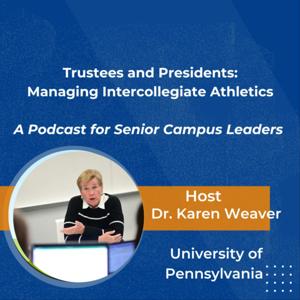


Dr. Karen Weaver and Melanie Bennett discuss the top risks facing college athletics as identified by United Educators, a risk management and liability insurance company. They explore various themes, including the impact of Name, Image, and Likeness (NIL) regulations, health risks such as concussions, legal considerations in risk management, emergency preparedness, and the importance of addressing hazing and abuse in sports. The conversation also touches on hiring practices for coaches, navigating uncertain legal landscapes, and the significance of Title IX and gender equity in athletics. The discussion concludes with practical recommendations for college presidents and athletic departments to mitigate risks and ensure the safety and well-being of student-athletes.
#CollegeAthletics #RiskManagement #NIL #HigherEd #SportsSafety #Podcast #EducationMatters #AthleteWellbeing #CampusLife #StudentSafety
From gambling busts to coaching chaos, discover why S&P Global analysts now spend more time talking about athletics than ever before—and what it means for your institution's financial future.
In this eye-opening conversation, S&P Global rating analysts Beth Bishop and Ken Rodgers reveal how a single headline can trigger years of financial scrutiny, why your entire basketball team entering the transfer portal tanks your credit metrics, and how the House v. NCAA settlement is forcing universities to make billion-dollar bets on their athletic futures. Whether it's the reputational damage from a gambling scandal or the strategic gamble of jumping conferences, every headline now has a price tag—and someone's keeping score.
College athletics is increasingly financially strained, running deficits as costs skyrocket. Yet revenues remain undervalued, especially in sponsorship, despite massive fan engagement, media consumption and attendance. Unlocking growth requires commercially minded leadership, new revenue streams, cost discipline, and corporate-style structures to modernize the business model and fully monetize college sports. Michael Schreiber, is the Founder and Executive Chairman of Playfly Sports is today’s guest.
What do University Leaders need to know about the Sports Broadcasting Act of 1961? Tulane law professor Gabe Feldman joins the conversation where he discusses this and other key legal issues for college sports to keep an eye on for 2026.
Feldman explains that while the NFL has successfully pooled its television revenue, college sports have not been granted the same privileges. This legal framework limits the potential for universities to share broadcasting revenue, which could otherwise support rising expenses in college athletics.
As the landscape of college sports continues to evolve rapidly, understanding the nuances of legal and financial challenges becomes increasingly essential for university leaders.
In the ever-evolving landscape of higher education, the need for institutions to adapt and prioritize the well-being of their students has never been more crucial. In a recent podcast episode featuring Dr. Beverly Daniel Tatum, a renowned educator and former president of Spelman College, we delve into an audacious decision that reshaped the college's athletics program and shifted its focus towards holistic wellness.
Through her research, Dr. Tatum discovered alarming statistics: young Black women were among the most sedentary groups in the United States, leading to increased health risks such as obesity and hypertension. With a mission to prepare students for lives of service and leadership, she envisioned a shift from traditional athletics to a wellness initiative that would benefit the entire student body, rather than just a select few athletes.
The “College Athletics” infrastructure is collapsing under the growing workloads of staff retrenchment and changing job descriptions. Whether its wins, squad sizes, in athlete medical care and/or for academic transfers coming in from the portal, the enterprise is under more pressure than ever.
Kevin McClure, professor of Education Policy at the University of North Carolina-Wilmington, just wrote a book called “The Caring University”. Concerned about the state of employment and employees who work on campus, Kevin emphasizes the persistent "churn and burn" mentality within institutions, (where employees are often undervalued) is vastly underdiscussed, particularly in athletics. He discusses examples of employees who leave higher education due to poor working conditions, highlighting the need for institutions to reassess their approach. Rather than merely replacing staff, universities should focus on improving job conditions and employee experiences to retain talent.
Book: The Caring University, Reimagining the Higher Education Workplace After the Great Resignation out now. Find it here: https://drkevinrmcclure.com/book/
Josh Walker, Co-Founder and CEO of Sports Innovation Lab (now a part of Genius Sports) explains where new NCAA revenue streams are coming from. Calling it the “Premium Economy”, Josh encourages senior leaders to understand and leverage their most valuable assets in today’s entertainment economy—live sports.
Our conversation explores the evolving landscape of live entertainment in the context of higher education, emphasizing the need for college presidents to embrace new opportunities for monetization and community engagement through innovative strategies and technology.
Dr. Luke Wood, Sacramento State's ninth president, is leading an ambitious FCS to FBS transition for the university's football program. He discusses his vision for elevating athletics as an economic development engine, bringing celebrity coaches like Mike Bibby and Shaquille O'Neal to campus, advocating for revenue share as racial justice, and his bold prediction that Sac State will become a flagship university within five years.
Join Dr. Karen Weaver and special guest Armand Alacbay, Chief of Staff and Vice President for Government Relations at the American Council for Trustees and Alumni for a timely exploration of the Big Ten’s headline-making $2.4 billion private equity deal with UC Investments. Learn why top universities like Michigan and USC are hitting pause, how trustee oversight is essential in college sports finance, and what’s really at stake for the future of the Big Ten. Don’t miss this candid discussion on transparency, governance, and tough decisions in higher education leadership.
Also included are three panelists from the ACTA webinar held November 14 who offered key commentary as this crisis began to boil into the open.
First: Michigan Regent Sarah Hubbard
Second: ACTA President Michael Poliakoff
Third: USC Regent Jeff Smulyan
Full ACTA webinar: https://www.youtube.com/watch?v=FJEnqmA66_0&t=5s
University of San Diego President Jim Harris discusses the potential restructuring of the NCAA, particularly focusing on the Power Four conferences and their financial influence via football over all of college athletics.
He suggests that these conferences could establish their own governance and rules, separate from the NCAA, to better manage their unique challenges, especially in football. This could lead to a more equitable distribution of power and decision-making within college sports, allowing for a more tailored approach to regulations and financial management.
As leaders, we have to start having these conversations.
From the publisher's feed

31,925 Listeners
50 Listeners

147 Listeners

20,172 Listeners

152 Listeners

150 Listeners

9,061 Listeners

6,064 Listeners

195 Listeners
64 Listeners