
Sign up to save your podcasts
Or

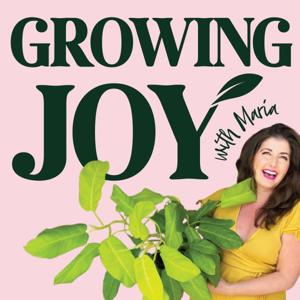

When I first started gardening, the second someone mentioned hardiness zones or frost dates, my eyes would immediately glaze over.
I had no idea what my USDA hardiness zone was. I didn’t know how to find my last frost date. I didn’t understand what “Zone 6B” or “Zone 10A” even meant for my plants. I had lived in the same place my entire life and somehow never once looked at a zone map. I didn’t think it mattered.
Now, after years of gardening (and now living in South Florida in zone 10B), my hardiness zone and frost dates are second nature to me. But whenever I talk to new gardeners and say, “Oh, I’m in zone 10B,” I see that same glazed-over look. And I get it. Words like USDA hardiness zone, frost dates, and microclimates sound technical and overwhelming. They’re not exactly things we learned in school.
But understanding your gardening climate is one of the most important things you can do as a plant parent.
Knowing your hardiness zone tells you what plants can survive your winters. Knowing your first and last frost dates helps you time your seed starting and planting correctly. And understanding microclimates can help you push your zone just enough to grow something you didn’t think was possible.
So in this Best of Growing Joy replay, I’m bringing back my conversation with Rochelle Greayer of Pith + Vigor. This episode was recorded when I had just moved to the Catskills and was planning my very first outdoor garden. We break down what hardiness zones actually mean, how to find your frost dates, what those little A and B letters stand for, and how to use all of it to confidently plan your first garden.
In this episode, we learn:
Mentioned in our conversation:
What’s your USDA hardiness zone, and what are you planting this season?
Check out the full show notes and blog to find your zone and plan your garden with confidence!
Follow Rochelle
Website
Classes
Follow Maria and Growing Joy:
Order my book: Growing Joy: The Plant Lover's Guide to Cultivating Happiness (and Plants)by Maria Failla, Illustrated by Samantha Leung
Join the Bloom and Grow Garden Party Community Platform & App AKA the plantiest and kindest corner of the internet! Get your FREE 2-week trial here!
Take the Plant Parent Personality Quiz (Get the perfect plants, projects and educational resources for YOUR Lifestyle)
Support Bloom and Grow Radio by becoming a Plant Friend on Patreon!
Instagram: @growingjoywithmaria
Tiktok: @growingjoywithmaria
Subscribe to the Growing Joy Youtube channel! /growingjoywithmaria
Website: www.growingjoywithmaria.com
Pinterest: @growingjoywithmaria
Hosted by Simplecast, an AdsWizz company. See pcm.adswizz.com for information about our collection and use of personal data for advertising.
 View all episodes
 By Maria Failla- Happy Plant Lady and Author of Growing Joy: The Plant Lover's Guide to Cultivating Happiness

4.8
865865 ratings
When I first started gardening, the second someone mentioned hardiness zones or frost dates, my eyes would immediately glaze over.
I had no idea what my USDA hardiness zone was. I didn’t know how to find my last frost date. I didn’t understand what “Zone 6B” or “Zone 10A” even meant for my plants. I had lived in the same place my entire life and somehow never once looked at a zone map. I didn’t think it mattered.
Now, after years of gardening (and now living in South Florida in zone 10B), my hardiness zone and frost dates are second nature to me. But whenever I talk to new gardeners and say, “Oh, I’m in zone 10B,” I see that same glazed-over look. And I get it. Words like USDA hardiness zone, frost dates, and microclimates sound technical and overwhelming. They’re not exactly things we learned in school.
But understanding your gardening climate is one of the most important things you can do as a plant parent.
Knowing your hardiness zone tells you what plants can survive your winters. Knowing your first and last frost dates helps you time your seed starting and planting correctly. And understanding microclimates can help you push your zone just enough to grow something you didn’t think was possible.
So in this Best of Growing Joy replay, I’m bringing back my conversation with Rochelle Greayer of Pith + Vigor. This episode was recorded when I had just moved to the Catskills and was planning my very first outdoor garden. We break down what hardiness zones actually mean, how to find your frost dates, what those little A and B letters stand for, and how to use all of it to confidently plan your first garden.
In this episode, we learn:
Mentioned in our conversation:
What’s your USDA hardiness zone, and what are you planting this season?
Check out the full show notes and blog to find your zone and plan your garden with confidence!
Follow Rochelle
Website
Classes
Follow Maria and Growing Joy:
Order my book: Growing Joy: The Plant Lover's Guide to Cultivating Happiness (and Plants)by Maria Failla, Illustrated by Samantha Leung
Join the Bloom and Grow Garden Party Community Platform & App AKA the plantiest and kindest corner of the internet! Get your FREE 2-week trial here!
Take the Plant Parent Personality Quiz (Get the perfect plants, projects and educational resources for YOUR Lifestyle)
Support Bloom and Grow Radio by becoming a Plant Friend on Patreon!
Instagram: @growingjoywithmaria
Tiktok: @growingjoywithmaria
Subscribe to the Growing Joy Youtube channel! /growingjoywithmaria
Website: www.growingjoywithmaria.com
Pinterest: @growingjoywithmaria
Hosted by Simplecast, an AdsWizz company. See pcm.adswizz.com for information about our collection and use of personal data for advertising.
984 Listeners
682 Listeners
353 Listeners
801 Listeners
563 Listeners
1,584 Listeners
403 Listeners
1,854 Listeners
439 Listeners
107 Listeners
195 Listeners
261 Listeners
193 Listeners
155 Listeners
131 Listeners