
Sign up to save your podcasts
Or

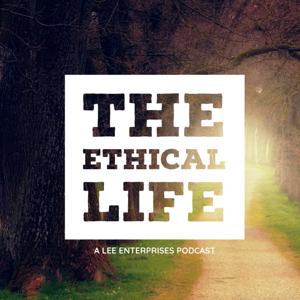

Episode 232: Citizenship is a word we hear constantly, especially in political debates, yet it remains surprisingly hard to pin down. Is it simply a legal status, confirmed by documents and protected by law? Or is it something deeper — a set of habits, responsibilities and shared expectations that shape how people live together?
In this episode of The Ethical Life, hosts Richard Kyte and Scott Rada take on that question at a moment when the idea of citizenship feels especially strained. Immigration debates, proposed changes to the U.S. citizenship test and growing frustration with democratic institutions have turned citizenship into a flashpoint, often discussed in stark, binary terms: citizen or not, insider or outsider.
But Kyte argues that this framing misses something essential.
Drawing on ethics, history and lived experience, the conversation explores citizenship as both a legal designation and a moral practice. While legal status defines standing within a political system, democratic life, Kyte says, only survives when people actively participate in it — by staying informed, voting, attending local meetings, understanding how institutions work and accepting the slow, imperfect work of self-government.
The discussion ranges widely, touching on the decline of civics education, disagreements over how American history should be taught and the question of what citizens — both naturalized and native-born — should reasonably be expected to know. Rada raises the uncomfortable reality that many people born in the United States would struggle to pass the same civics test required of new citizens, prompting a deeper examination of what society values and what it neglects to teach.
The episode also looks ahead, with the country approaching its 250th anniversary, and asks how Americans should think about national identity, pride and criticism at the same time. Kyte challenges the idea that acknowledging historical failures requires rejecting the broader democratic project, framing the American experiment instead as an ongoing effort marked by progress, setbacks and responsibility.
 View all episodes
 By Scott Rada and Richard Kyte


3.8
2323 ratings
Episode 232: Citizenship is a word we hear constantly, especially in political debates, yet it remains surprisingly hard to pin down. Is it simply a legal status, confirmed by documents and protected by law? Or is it something deeper — a set of habits, responsibilities and shared expectations that shape how people live together?
In this episode of The Ethical Life, hosts Richard Kyte and Scott Rada take on that question at a moment when the idea of citizenship feels especially strained. Immigration debates, proposed changes to the U.S. citizenship test and growing frustration with democratic institutions have turned citizenship into a flashpoint, often discussed in stark, binary terms: citizen or not, insider or outsider.
But Kyte argues that this framing misses something essential.
Drawing on ethics, history and lived experience, the conversation explores citizenship as both a legal designation and a moral practice. While legal status defines standing within a political system, democratic life, Kyte says, only survives when people actively participate in it — by staying informed, voting, attending local meetings, understanding how institutions work and accepting the slow, imperfect work of self-government.
The discussion ranges widely, touching on the decline of civics education, disagreements over how American history should be taught and the question of what citizens — both naturalized and native-born — should reasonably be expected to know. Rada raises the uncomfortable reality that many people born in the United States would struggle to pass the same civics test required of new citizens, prompting a deeper examination of what society values and what it neglects to teach.
The episode also looks ahead, with the country approaching its 250th anniversary, and asks how Americans should think about national identity, pride and criticism at the same time. Kyte challenges the idea that acknowledging historical failures requires rejecting the broader democratic project, framing the American experiment instead as an ongoing effort marked by progress, setbacks and responsibility.

91,297 Listeners
21,954 Listeners

43,837 Listeners

38,430 Listeners

43,687 Listeners

38,950 Listeners

27,011 Listeners
10,387 Listeners

7,718 Listeners
12,730 Listeners

113,121 Listeners

2,380 Listeners
16,512 Listeners

14,324 Listeners
10 Listeners

48 Listeners

16,525 Listeners
8 Listeners

4 Listeners

11 Listeners

8 Listeners