
Sign up to save your podcasts
Or

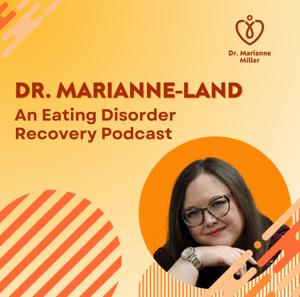

Have you ever wondered whether your eating disorder behaviors have shifted from coping and self-regulation into self-harm?
In this solo episode, Dr. Marianne Miller explores the overlap between eating disorders and self-harm and explains how eating disorder behaviors can gradually become harmful even when they begin as attempts to cope. She examines eating disorder recovery through a trauma-informed, neurodivergent-affirming, and liberation-focused lens and offers clarity without shame or blame.
Dr. Marianne explains how eating disorders can function as self-harm and how trauma, dissociation, sensory overwhelm, and chronic stress shape eating disorder behaviors. She discusses neurodivergence and eating disorders, including how autistic and ADHD individuals may rely on eating patterns for regulation. She explores common self-harm behaviors that often co-occur with eating disorders, including cutting, scratching, burning, and other forms of injury, and explains the shared emotional logic behind these behaviors.
She clarifies the difference between self-regulation and self-harm and explains how eating disorder behaviors can shift between these roles over time. She outlines how to recognize when an eating disorder moves from regulation into harm by identifying warning signs such as rigidity, shame, dissociation, physical consequences, and isolation. She also describes what breaking the cycle can look like by focusing on safety, agency, and flexible coping rather than punishment or control.
You question whether your eating disorder behaviors feel punishing or unsafe.
This episode explores eating disorders and self-harm, eating disorder recovery, self-harm behaviors and eating disorders, trauma and eating disorders, neurodivergence and eating disorders, dissociation and eating disorders, restriction and binge eating, ARFID and sensory overwhelm, building safety in eating disorder recovery, and trauma-informed eating disorder therapy.
This episode includes discussion of self-harm, including cutting and other forms of injury, eating disorders, trauma, dissociation, and suicidal thinking. Please listen with care and take breaks as needed.
Autism & Anorexia: When Masking Looks Like Restriction, & Recovery Feels Unsafe via Apple & Spotify.
Recovering Again: Navigating Eating Disorders After a Late Neurodivergent Diagnosis (Part 1) With Stacie Fanelli, LCSW @edadhd_therapist via Apple & Spotify.
Minding the Gap: The Intersection Between AuDHD & Eating Disorders With Stacie Fanelli, LCSW @edadhd_therapist via Apple & Spotify
Dr. Marianne Miller is a licensed marriage and family therapist specializing in eating disorders, including ARFID, binge eating disorder, anorexia, and long-term eating disorder patterns. She takes a neurodivergent-affirming, trauma-informed, and liberation-focused approach and hosts the Dr. Marianne-Land podcast.
Dr. Marianne offers eating disorder therapy in California, Texas, and Washington DC, and provides coaching worldwide. Learn more at drmariannemiller.com.
 View all episodes
 By mariannemillerphd
5
1818 ratings
Have you ever wondered whether your eating disorder behaviors have shifted from coping and self-regulation into self-harm?
In this solo episode, Dr. Marianne Miller explores the overlap between eating disorders and self-harm and explains how eating disorder behaviors can gradually become harmful even when they begin as attempts to cope. She examines eating disorder recovery through a trauma-informed, neurodivergent-affirming, and liberation-focused lens and offers clarity without shame or blame.
Dr. Marianne explains how eating disorders can function as self-harm and how trauma, dissociation, sensory overwhelm, and chronic stress shape eating disorder behaviors. She discusses neurodivergence and eating disorders, including how autistic and ADHD individuals may rely on eating patterns for regulation. She explores common self-harm behaviors that often co-occur with eating disorders, including cutting, scratching, burning, and other forms of injury, and explains the shared emotional logic behind these behaviors.
She clarifies the difference between self-regulation and self-harm and explains how eating disorder behaviors can shift between these roles over time. She outlines how to recognize when an eating disorder moves from regulation into harm by identifying warning signs such as rigidity, shame, dissociation, physical consequences, and isolation. She also describes what breaking the cycle can look like by focusing on safety, agency, and flexible coping rather than punishment or control.
You question whether your eating disorder behaviors feel punishing or unsafe.
This episode explores eating disorders and self-harm, eating disorder recovery, self-harm behaviors and eating disorders, trauma and eating disorders, neurodivergence and eating disorders, dissociation and eating disorders, restriction and binge eating, ARFID and sensory overwhelm, building safety in eating disorder recovery, and trauma-informed eating disorder therapy.
This episode includes discussion of self-harm, including cutting and other forms of injury, eating disorders, trauma, dissociation, and suicidal thinking. Please listen with care and take breaks as needed.
Autism & Anorexia: When Masking Looks Like Restriction, & Recovery Feels Unsafe via Apple & Spotify.
Recovering Again: Navigating Eating Disorders After a Late Neurodivergent Diagnosis (Part 1) With Stacie Fanelli, LCSW @edadhd_therapist via Apple & Spotify.
Minding the Gap: The Intersection Between AuDHD & Eating Disorders With Stacie Fanelli, LCSW @edadhd_therapist via Apple & Spotify
Dr. Marianne Miller is a licensed marriage and family therapist specializing in eating disorders, including ARFID, binge eating disorder, anorexia, and long-term eating disorder patterns. She takes a neurodivergent-affirming, trauma-informed, and liberation-focused approach and hosts the Dr. Marianne-Land podcast.
Dr. Marianne offers eating disorder therapy in California, Texas, and Washington DC, and provides coaching worldwide. Learn more at drmariannemiller.com.

909 Listeners
3,068 Listeners
702 Listeners
47 Listeners
111 Listeners

11,361 Listeners

41,500 Listeners
5,812 Listeners

10,503 Listeners

20,637 Listeners
20 Listeners

145 Listeners

2,986 Listeners

10,882 Listeners