
Sign up to save your podcasts
Or



Based on Podcast App listening data
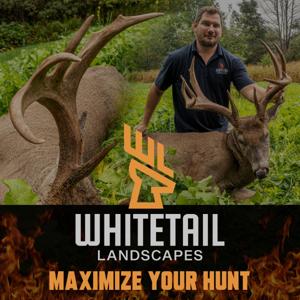
In this episode of Maximize Your Hunt, host Jon Teater discusses various aspects of land management and hunting strategies with guest Brad Harper (Harper Growing Solutions). They explore changes in business focus, the importance of soil health, nitrogen management, and the role of carbon in soil microbiology. The conversation also delves into organic matter goals, nutrient management in sandy soils, product development for nutrient availability, and addressing soil imbalances. The episode concludes with a discussion on seed treatment and the importance of quality seed products.
Takeaways:
Social Links
https://whitetaillandscapes.com/
https://www.facebook.com/whitetaillandscapes/
https://www.instagram.com/whitetail_landscapes/?hl=en
Harper Growing Solutions (harpergs.com)
Hosted by Simplecast, an AdsWizz company. See pcm.adswizz.com for information about our collection and use of personal data for advertising.
This conversation delves into the intricacies of managing hunting properties, focusing on soil health, water sources, and the behavioral ecology of deer. The speakers emphasize the importance of creating a closed-loop system for soil health, the strategic placement of water holes to attract wildlife, and the integration of aquatic ecosystems to enhance hunting success. They share personal experiences and practical advice for land management, aiming to maximize the effectiveness of hunting properties. In this conversation, the speakers discuss the importance of ecosystem health, particularly in relation to pond management and wildlife. They emphasize the need for sustainable practices that enhance soil and forage quality while minimizing reliance on chemical interventions. The discussion also covers the significance of water resources in maintaining healthy ecosystems and the impact of current land management practices on wildlife health. The speakers advocate for a shift in mentality towards more holistic and ecologically sound approaches to land management.
takeaways
Social
Social Links
https://whitetaillandscapes.com/
https://www.facebook.com/whitetaillandscapes/
https://www.instagram.com/whitetail_landscapes/?hl=en
https://www.theuntamedambition.com/
https://www.theuntamedambition.com/whitetailambition
Hosted by Simplecast, an AdsWizz company. See pcm.adswizz.com for information about our collection and use of personal data for advertising.
In this episode of Maximize Your Hunt, host Jon Teater and Thomas Mlsna (Untamed Ambition) discuss various aspects of land management and hunting strategies. They delve into the current trends in land management, the challenges faced by landowners, and the role of realtors in land transactions. The conversation also covers habitat improvement strategies, the importance of water sources for wildlife, and the maintenance of water holes and ponds. Throughout the discussion, they emphasize the need for careful planning and consideration of individual property needs.
takeaways
Social
Social Links
https://whitetaillandscapes.com/
https://www.facebook.com/whitetaillandscapes/
https://www.instagram.com/whitetail_landscapes/?hl=en
https://www.theuntamedambition.com/
https://www.theuntamedambition.com/whitetailambition
Hosted by Simplecast, an AdsWizz company. See pcm.adswizz.com for information about our collection and use of personal data for advertising.
In this episode of Maximize Your Hunt, Jon Teater discusses various aspects of land management and habitat improvement, focusing on the principles of biomimicry. The host shares personal experiences related to property management and emphasize the importance of sunlight and functional design in creating sustainable ecosystems. The conversation highlights the need for efficient use of natural resources and the role of cooperation in nature. In this conversation, the speakers explore the intricate dynamics of nature, focusing on the balance between competition and cooperation within ecosystems. They discuss the importance of biodiversity, local expertise in managing wildlife, and the natural regulatory mechanisms that maintain ecological balance. The conversation emphasizes the need for sustainable practices in wildlife management, prioritizing quality over quantity, and understanding the limits of nature to ensure long-term ecological health.
Takeaways
Social Links
https://whitetaillandscapes.com/
https://www.facebook.com/whitetaillandscapes/
https://www.instagram.com/whitetail_landscapes/?hl=en
Hosted by Simplecast, an AdsWizz company. See pcm.adswizz.com for information about our collection and use of personal data for advertising.
In this episode of Maximize Your Hunt, the host discusses various strategies for improving hunting properties through effective land management and habitat improvement. The conversation covers the importance of cooperation among plants, innovative pruning techniques, and the integration of pioneer species to enhance soil health and biodiversity. The host also shares insights from a master class and emphasizes the significance of designing optimal habitats for deer, ultimately aiming to create a sustainable and productive environment for both wildlife and hunters. In this conversation, the speakers delve into the intricacies of tree planting, pruning techniques, and the importance of creating healthy ecosystems for wildlife, particularly deer. They discuss the significance of timing in pruning, the tools that can be used, and the ecological principles that govern successful land management. The conversation also touches on the role of pioneer species in establishing a thriving habitat and the practical steps one can take to improve deer habitat on their property. Additionally, the speakers highlight the importance of sustainable practices in the nursery business and the benefits of using simple tools like machetes for efficient land management.
takeaways
Social Links
https://whitetaillandscapes.com/
https://www.facebook.com/whitetaillandscapes/
https://www.instagram.com/whitetail_landscapes/?hl=en
Hosted by Simplecast, an AdsWizz company. See pcm.adswizz.com for information about our collection and use of personal data for advertising.
In this episode of Maximize Your Hunt, the host discusses various strategies for improving hunting properties through effective land management and habitat improvement. The conversation covers the importance of cooperation among plants, innovative pruning techniques, and the integration of pioneer species to enhance soil health and biodiversity. The host also shares insights from a master class and emphasizes the significance of designing optimal habitats for deer, ultimately aiming to create a sustainable and productive environment for both wildlife and hunters. In this conversation, the speakers delve into the intricacies of tree planting, pruning techniques, and the importance of creating healthy ecosystems for wildlife, particularly deer. They discuss the significance of timing in pruning, the tools that can be used, and the ecological principles that govern successful land management. The conversation also touches on the role of pioneer species in establishing a thriving habitat and the practical steps one can take to improve deer habitat on their property. Additionally, the speakers highlight the importance of sustainable practices in the nursery business and the benefits of using simple tools like machetes for efficient land management.
Takeaways
Social Links
https://www.instagram.com/erik.schellenberg/
https://bcfnursery.com/home
https://whitetaillandscapes.com/
https://www.facebook.com/whitetaillandscapes/
https://www.instagram.com/whitetail_landscapes/?hl=en
Hosted by Simplecast, an AdsWizz company. See pcm.adswizz.com for information about our collection and use of personal data for advertising.
In this episode of Maximize Your Hunt, host Jon Teater discusses land management and habitat improvement strategies with guest Eric Schellenberg. They explore the importance of building infrastructure for hunting properties, the principles of agroforestry and syntropic agriculture, and the role of ecological succession in plant cooperation. The conversation also delves into high density planting techniques and soil fertility management to enhance wildlife habitats and improve deer interest.
Takeaways
Social Links
https://www.instagram.com/erik.schellenberg/
https://bcfnursery.com/home
https://whitetaillandscapes.com/
https://www.facebook.com/whitetaillandscapes/
https://www.instagram.com/whitetail_landscapes/?hl=en
Hosted by Simplecast, an AdsWizz company. See pcm.adswizz.com for information about our collection and use of personal data for advertising.
In this episode of Maximize Your Hunt, host Jon Teater discusses the critical aspects of land management for hunting properties, focusing on the importance of roads, effective design strategies, and erosion control. He emphasizes that well-maintained roads are essential for accessibility and efficiency in property management. The conversation also covers water management techniques and the significance of planning for year-round property use to ensure successful hunting seasons.
Takeaways
Social Links
https://whitetaillandscapes.com/
https://www.facebook.com/whitetaillandscapes/
https://www.instagram.com/whitetail_landscapes/?hl=en
Hosted by Simplecast, an AdsWizz company. See pcm.adswizz.com for information about our collection and use of personal data for advertising.
In this episode of Maximize Your Hunt, host Jon Teater discusses various aspects of hunting property management with guest Perry Battin. They explore personal hunting experiences, the importance of infrastructure, the value of consulting, and the role of fire in habitat management. The conversation emphasizes the need for simplicity in land management practices and the benefits of experiencing different hunting regions. In this conversation, the speakers discuss various aspects of land management, focusing on the cultural differences in agricultural practices, the importance of collaboration with farmers, and the need for long-term planning and infrastructure in property improvement. They emphasize the significance of addressing erosion and poor agricultural practices while encouraging listeners to consider diverse perspectives in land management. The conversation concludes with advice on taking a gradual approach to farm improvement and the value of consulting with experts.
Takeaways
Social Links
https://whitetaillandscapes.com/
https://www.facebook.com/whitetaillandscapes/
https://www.instagram.com/whitetail_landscapes/?hl=en
Hosted by Simplecast, an AdsWizz company. See pcm.adswizz.com for information about our collection and use of personal data for advertising.
In this episode of Maximize Your Hunt, host Jon Teater and Ethan Tapper explore the complexities of land stewardship, focusing on the use of herbicides, the challenges of managing invasive species, and strategies for improving forest health. The speakers discuss the importance of resilience in forest ecosystems, the role of deer management in regeneration, and innovative techniques like hinge cutting to enhance habitat diversity. The discussion also touches on the upcoming book 'The Forest Year', which reflects on seasonal changes in forest management.
Takeaways:
Social Links
https://ethantapper.com/
https://www.bearislandforestry.com/
https://www.instagram.com/howtoloveaforest/?hl=en
https://www.youtube.com/channel/UCG5pCDPHUyOiA2vW1l7L6oA
https://www.facebook.com/howtoloveaforest/
https://whitetaillandscapes.com/
https://www.facebook.com/whitetaillandscapes/
https://www.instagram.com/whitetail_landscapes/?hl=en
Hosted by Simplecast, an AdsWizz company. See pcm.adswizz.com for information about our collection and use of personal data for advertising.
From the publisher's feed
Ranked by our users in the last 21 days
4,838 Listeners
38,064 Listeners
1,490 Listeners

775 Listeners
584 Listeners
698 Listeners
824 Listeners

384 Listeners
642 Listeners

1,432 Listeners

548 Listeners
1,677 Listeners

1,221 Listeners

369 Listeners
350 Listeners