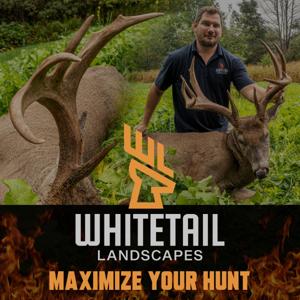
Whitetail Landscapes - Hunting & Habitat Management

Whitetail Landscapes - Hunting & Habitat Management

Download on the App Store
  • Favorites

    20

    Followers

  • Typical duration

    42 min

    per episode

Based on Podcast App listening data

Whitetail Landscapes - Hunting & Habitat Management episodes

  • EP217 Whitetail Deer Master Class Event, Elevate Your Hunting Game

    In this episode of Maximize Your Hunt, host Jon Teater (Whitetail Landscapes) discusses the importance of building relationships in hunting consulting, shares insights from his upcoming masterclass, and emphasizes the significance of design philosophy in habitat management. He also highlights the role of water management in attracting deer and shares his tree planting strategies while engaging with the community.

    Takeaways

    • This podcast is intended to discuss relationships.
    • Building relationships with clients is crucial for success.
    • Consulting requires hands-on experience and creativity.
    • The hunting and property management field is becoming more competitive and polluted.
    • Masterclasses provide valuable insights and hands-on learning.
    • Water management is essential for deer attraction.
    • Design philosophy should consider ecological approaches.
    • Tree planting can enhance habitat and community engagement.
    • Engaging local youth in land management is beneficial.
    • Understanding deer behavior is key to effective hunting strategies.
    •  

      Social Links

      https://whitetaillandscapes.com/

      https://www.facebook.com/whitetaillandscapes/

      https://www.instagram.com/whitetail_landscapes/?hl=en


      Hosted by Simplecast, an AdsWizz company. See pcm.adswizz.com for information about our collection and use of personal data for advertising.

      32 min
    • EP216 Trees for Cover, Rodent Protection, Late Dropping Fruit Options for Deer

      In this episode of Maximize Your Hunt, host Jon Teater discusses (Whitetail Landscapes) the importance of land management and habitat improvement for hunting properties. Joined by Austin Unruh from Trees for Grazers, they explore various topics including the significance of plant diversity, integrating trees into pastures, protecting young trees from wildlife, and the benefits of specific tree species like honey locust for deer. The conversation emphasizes practical strategies for enhancing hunting landscapes and ensuring ecological balance. This conversation delves into the ecological and nutritional significance of mulberries, particularly in relation to wildlife management and sustainable land practices. The speakers discuss the benefits of mulberries for deer and other wildlife, their role in ecosystem design, and best practices for planting and managing these trees. They emphasize the long-term advantages of integrating mulberries into land management strategies, highlighting their cost-effectiveness and nutritional value.

      Takeaways

      • Diversity of plants enhances the landscape's ecological services.
      • Leaf litter is a nutrient resource for insects and birds.
      • Tartarian honeysuckle can negatively impact native plants.
      • Integrating trees into pastures provides shade and food for livestock.
      • Shade is crucial for the health of deer and cattle.
      • Protecting young trees from wildlife is essential for survival.
      • Tree tubes can be a costly solution for protecting trees.
      • Honey locust pods provide critical energy for deer in winter.
      • Trees typically produce biennially, affecting food availability for wildlife.
      • Choosing the right cultivars can maximize benefits for wildlife. Mulberries serve as an important food source for wildlife.
      • They can be managed for both fruit and foliage.
      • Mulberries have a high protein content compared to other fruits.
      • The tree can be maintained as a shrub or allowed to grow tall.
      • Mulberries are known for their vigorous growth and resilience.
      • They can bear fruit in as little as one to two years.
      • Integrating mulberries into land management can enhance wildlife habitats.
      • Long-term strategies can lead to sustainable land use.
      • Mulberries provide energy and nutrients during critical seasons.
      • Cost-effective management of mulberries can yield benefits for decades.
      •  

        Social Links

        https://whitetaillandscapes.com/

        https://www.facebook.com/whitetaillandscapes/

        https://www.instagram.com/whitetail_landscapes/?hl=en

        https://treesforgraziers.com/

        https://www.youtube.com/channel/UCCmkofs5dbH-_AxrNf9B2GA/videos


        Hosted by Simplecast, an AdsWizz company. See pcm.adswizz.com for information about our collection and use of personal data for advertising.

        1 hr 2 min
      • EP215 Healthy Landscapes, Pond Design, High Density Tree Plantings, Wildlife Habitat

        This podcast episode explores various strategies for maximizing hunting properties through effective land management, habitat improvement, and sustainable practices. The conversation delves into the importance of evaluating landscapes, managing water resources, and integrating wildlife support systems. The guest, Ben Falk, shares insights on pond design, the role of animals in fertility, and the benefits of perennial crops, emphasizing a holistic approach to land stewardship. In this conversation, the speakers delve into various aspects of sustainable land management, focusing on tree management, the use of herbicides, the dynamics of invasive species, and the human impact on ecosystems. Jon Teater and Ben discuss the importance of working with nature rather than against it, emphasizing the long-term benefits of planting trees and fostering biodiversity. The conversation also touches on the mindset shifts necessary for effective land stewardship and the legacy that current practices can leave for future generations.


        takeaways

        • Start your design with soil type and regional land use.
        • Evaluate your property at a finer level for better management.
        • Animal enrichment creates healthier wildlife environments.
        • Water management is crucial for supporting life and habitats.
        • Ponds provide multiple benefits, including recreation and wildlife support.
        • Integrate trees and perennial crops for sustainable growth.
        • Cows can enhance soil fertility through their natural behaviors.
        • Thinning trees can promote better growth and health.
        • Planting diverse species can create resilient ecosystems.
        • Managing water resources can lead to new springs and groundwater recharge. Hardwoods can reset and manage tree populations effectively.
        • Plums can be toxic to cattle, necessitating careful management.
        • Nature's systems are inherently balanced and not making mistakes.
        • Herbicides are often unnecessary; plants can manage themselves.
        • Invasive species can be beneficial and should be understood, not eradicated.
        • We are part of nature and can positively influence ecosystems.
        • Planting trees is a long-term investment in the future.
        • The act of planting trees can shift one's perspective on nature.
        • Human impact on landscapes can create lasting legacies.
        • Digital hygiene is important for health in a tech-driven world.


        Social Links

        https://www.wholesystemsdesign.com/

        https://www.facebook.com/wholesystemsdesign/

        https://www.youtube.com/@wholesystems

        https://www.instagram.com/ben_falk_wsd/?hl=en

        https://whitetaillandscapes.com/

        https://www.facebook.com/whitetaillandscapes/

        https://www.instagram.com/whitetail_landscapes/?hl=en


        Hosted by Simplecast, an AdsWizz company. See pcm.adswizz.com for information about our collection and use of personal data for advertising.

        1 hr 10 min
      • EP214 Quick Cover, Wildlife Field Conversion and Plantings, Coppice and Pollarding Trees

        In this episode of 'Maximize Your Hunt', host John Teater discusses various strategies for improving hunting properties through effective land management and habitat improvement with guest Mark Krawczyk (Keyline Vermont). The conversation covers the importance of understanding native and non-native plants, the benefits of agroforestry, and the significance of designing effective planting layouts. Jon and Mark emphasize the need for thoughtful planning in creating zones of use within properties to maximize their potential for wildlife and hunting success. In this conversation, the speakers delve into the intricacies of agroforestry, focusing on techniques such as coppicing and pollarding, and their benefits for land management and biodiversity. They discuss the importance of structural diversity in ecosystems and share personal insights on life philosophies related to land stewardship and sustainable practices.

        takeaways

        • Maximizing hunting properties requires effective land management.
        • Understanding the role of native and non-native plants is crucial.
        • Agroforestry integrates trees and shrubs into agricultural practices.
        • Designing effective planting layouts can enhance wildlife habitats.
        • Creating zones of use helps in managing land effectively.
        • Proximity to core zones increases stewardship capabilities.
        • Iterative design allows for flexibility in land management.
        • Water collection and management are key in planting designs.
        • Black currants are a resilient crop for wildlife and humans.
        • Access to different zones enhances interaction with the land. The layout of access ways is crucial in agroforestry systems.
        • Coppicing and pollarding are ancient practices that enhance forest management.
        • Beavers serve as natural forest management tools.
        • Coppicing can improve habitat for wildlife and increase biodiversity.
        • Pollarding allows for sustainable forage management for livestock.

        Hosted by Simplecast, an AdsWizz company. See pcm.adswizz.com for information about our collection and use of personal data for advertising.

        1 hr 1 min
      • EP213 Roadside Screening, Design Mistakes, Permaculture, Wildlife Windbreak

        In this episode of Maximize Your Hunt, host Jon Teater discusses habitat management, sustainable living, and ecological design with guest Mark Krawczyk (Keyline Vermont). They explore the importance of detailed property layout, learning from mistakes in land management, and the significance of understanding soil and site characteristics. The conversation delves into planting strategies, coppicing techniques, and integrating agroforestry into landscapes. They also touch on wildlife management and the benefits of creating habitat connectivity.


        takeaways

        • Habitat management requires meticulous planning and effort.
        • Sustainable living is about connecting with your property.
        • Learning from mistakes is essential in land management.
        • Soil characteristics greatly influence planting success.
        • Coppicing can enhance tree growth and soil health.
        • Integrating multiple species can create a resilient ecosystem.
        • Wildlife can be both a challenge and an opportunity.
        • Design principles help simplify complex decisions.
        • Agroforestry can enhance productivity and biodiversity.
        • Creating windbreaks can protect crops and improve conditions


        Social Links

        https://www.valleyclayplain.com/

        https://www.keylinevermont.com/

        https://whitetaillandscapes.com/

        https://www.facebook.com/whitetaillandscapes/

        https://www.instagram.com/whitetail_landscapes/?hl=en


        Hosted by Simplecast, an AdsWizz company. See pcm.adswizz.com for information about our collection and use of personal data for advertising.

        47 min
      • EP212 Habitat Layout Rules, Escape Cover, Bedding, Deer Psychology

        In this episode of Maximize Your Hunt, host Jon Teater discusses the essential principles of habitat management for hunting properties. He emphasizes the importance of tree planting, understanding deer behavior, and creating safe spaces to enhance deer movement and feeding. The conversation covers the challenges faced in poor habitat areas, the dynamics of deer populations, and effective design principles for habitat management. Jon shares insights on how to create a low-stress environment for deer, the significance of food sources, and long-term management strategies to build a thriving deer herd.


        takeaways

        • Building a good hunting property starts now.
        • Tree planting is crucial for habitat improvement.
        • Understanding deer behavior is key to management.
        • Poor habitat areas present unique challenges.
        • Deer population dynamics affect hunting success.
        • Creating security is the first rule of habitat design.
        • Curved lines in design reduce deer vigilance.
        • Food sources should be embedded within bedding areas.
        • Calm environments lead to predictable deer movement.
        • Long-term management strategies are essential for success.


        Social Links

        https://whitetaillandscapes.com/

        https://www.facebook.com/whitetaillandscapes/

        https://www.instagram.com/whitetail_landscapes/?hl=en


        Hosted by Simplecast, an AdsWizz company. See pcm.adswizz.com for information about our collection and use of personal data for advertising.

        46 min
      • EP211 Easy Midwest Hunting, Pressured Deer Behavior, Deer Habitat Master Class

        In this episode of Maximize Your Hunt, host Jon Teater discusses the intricacies of managing hunting properties, particularly focusing on the differences between the Midwest and Northeast regions of the United States. He emphasizes the importance of understanding local landscapes and deer behavior, which can significantly impact hunting success. Teater also introduces his upcoming masterclass, where he will share hands-on strategies for habitat improvement and land management, encouraging listeners to think critically about their own properties and the ecological factors at play.

        Throughout the conversation, Teater highlights the significance of landscape vigilance and the need for diversity in habitat design. He shares insights from his experiences working with clients, illustrating how tailored approaches can enhance deer populations and improve hunting outcomes. The episode serves as a valuable resource for hunters looking to maximize their time in the field by applying thoughtful land management techniques and understanding the unique challenges posed by different environments. In this episode, the conversation delves into the complexities of deer behavior and management, particularly in relation to hunting pressure across different regions. The speakers discuss how varying levels of hunting pressure influence deer vigilance and movement patterns, emphasizing that deer in low-pressure environments tend to exhibit less fear and more predictable behaviors. They share personal experiences from hunting in the Northeast and Midwest, highlighting the differences in deer populations and the impact of environmental factors on deer health and behavior. The discussion also touches on the importance of habitat management and creating a conducive environment for deer to thrive, which can lead to better hunting outcomes.

        Takeaways

        • Now is the time to do habitat work
        • Master class will help clients level up
        • We want reliability, consistency, and resources in the landscape.
        • Deer are smarter than we give them credit
        • We need to think about the function of a plant on the landscape
        • Deer in low-pressure environments are less vigilant.
        • Habitat quality directly affects deer health and movement.
        • Inconsistent human activity can lead to deer becoming more cautious.
        • Creating a safe space for deer can improve their feeding habits.
        • Understanding deer behavior is crucial for effective hunting.


        Social Links

        https://whitetaillandscapes.com/

        https://www.facebook.com/whitetaillandscapes/

        https://www.instagram.com/whitetail_landscapes/?hl=en


        Hosted by Simplecast, an AdsWizz company. See pcm.adswizz.com for information about our collection and use of personal data for advertising.

        53 min
      • EP210 Deer Population Management, Deer Density, Data Collection, Late Food

        In this episode of Maximize Your Hunt, host Jon Teater discusses with Mark Haslam (Southeast Whitetail) various aspects of deer management, including the challenges posed by winter weather, the importance of tree planting, and strategies for managing deer populations effectively. He emphasizes the need for a thoughtful approach to habitat improvement and population control, while also highlighting the significance of data collection in understanding deer health and dynamics. The conversation also touches on the impact of neighboring properties on deer populations and the importance of collaboration among landowners. This conversation delves into the complexities of deer management, focusing on the implications of young mothers in deer populations, effective harvest strategies, and the importance of adapting hunting techniques. The discussion highlights the significance of food plot management and seasonal strategies to enhance hunting success while emphasizing the need for thoughtful conservation practices.


        takeaways

        • Planting trees is a rewarding activity for landowners.
        • Winter weather can significantly impact hunting schedules.
        • Effective deer management requires a comprehensive plan.
        • Understanding local deer dynamics is crucial for success.
        • Trail cameras are essential for monitoring deer populations.
        • Data collection helps in making informed management decisions.
        • Population swings can occur due to neighboring properties.
        • Healthy deer populations require careful monitoring and management.
        • Collaboration among landowners can improve deer management outcomes.
        • Seasonal changes affect deer health and behavior. Young female deer may not be the best mothers.
        • Understanding deer age is crucial for management.
        • Harvesting does can improve buck movement.
        • Food plots need to be established carefully.
        • Hunting strategies should adapt to deer behavior.
        • Observation is key to successful hunting.
        • Sanctuaries can be beneficial but need management.
        • Older does are often more cautious and avoid hunters.
        • Effective habitat management leads to better hunting outcomes.
        • Engaging the next generation in hunting is important.


        Social Links

        https://whitetaillandscapes.com/

        https://www.facebook.com/whitetaillandscapes/

        https://www.instagram.com/whitetail_landscapes/?hl=en

        Southeast Whitetail – Habitat, Conservation & Venison

        Southeast Whitetail (@southeast.whitetail) • Instagram photos and videos


        Hosted by Simplecast, an AdsWizz company. See pcm.adswizz.com for information about our collection and use of personal data for advertising.

        1 hr 6 min
      • EP209 Details of the Hunt, Bedding Strategy and Layout, Increase Daylight Activity

        In this episode of Maximize Your Hunt, host Jon Teater discusses various aspects of hunting property management with Rocky Burrus SA Farms. They explore the challenges faced during the hunting season, including time constraints and environmental factors. The conversation delves into strategies for improving deer movement and habitat, emphasizing the importance of access and design in creating effective hunting environments. The episode also highlights the balance between family commitments and hunting, showcasing the dedication required to succeed in both areas. In this conversation, the speakers delve into the intricacies of deer habitat design, focusing on strategies to enhance food availability, manage deer movement, and create effective hunting scenarios. They discuss the importance of understanding deer behavior, the impact of habitat management on hunting success, and the social dynamics among deer that influence their presence in certain areas. The conversation emphasizes the need for careful planning and observation in wildlife management to optimize hunting experiences.


        takeaways

        • The podcast focuses on maximizing hunting property through land management.
        • Client engagement is crucial for sharing new tools and strategies.
        • Balancing family life with hunting commitments is a common challenge.
        • Environmental factors significantly impact deer movement and hunting success.
        • Access routes are essential for effective hunting strategies.
        • Transforming habitat through logging can enhance deer behavior.
        • Understanding deer behavior helps in planning hunting strategies.
        • Using technology like cameras can aid in tracking deer activity.
        • Creating a diverse habitat can attract more deer to the property.
        • Strategic planning is key to successful hunting and property management. A patternable shape can enhance deer habitats.
        • Understanding deer behavior is crucial for effective hunting.
        • Bedding areas should be strategically designed for deer comfort.
        • Water sources are essential in warmer climates for deer.
        • Creating micro bedding areas can improve deer movement.
        • Observation over a year can inform better habitat management decisions.
        • Access routes should be planned to minimize disturbance.
        • Hunting strategies should adapt to deer social dynamics.
        • Effective hunting scenarios involve staging areas between bedding spots.
        • A hospitable environment encourages deer to stay in the area.


        Social Links

        https://www.facebook.com/safarmmanagement/

        https://www.instagram.com/safarmmanagementservice/?hl=en

        https://whitetaillandscapes.com/

        https://www.facebook.com/whitetaillandscapes/

        https://www.instagram.com/whitetail_landscapes/?hl=en


        Hosted by Simplecast, an AdsWizz company. See pcm.adswizz.com for information about our collection and use of personal data for advertising.

        1 hr 7 min
      • EP208 New Consulting Options in the Midwest, Smart Intrusion, Property Layout

        In this episode of Maximize Your Hunt, host Jon Teater discusses various strategies for managing hunting properties, including the sale of chestnut trees, property design, and the importance of minimizing human intrusion. Guest Perry Battin is now supporting Whitetail Landscapes as a consultant and shares insights from his experience in the Midwest and Drury Outdoors, emphasizing the significance of understanding deer behavior and the role of data collection through trail cameras. The conversation also covers scent management and preparation for hunting, highlighting the need for careful planning and execution to maximize success in the field. In this conversation, the speakers delve into the intricacies of deer hunting, focusing on the relationship between deer behavior and human interaction, effective property design for hunting, food plot strategies, and the complexities of making hunting decisions under pressure. They emphasize the importance of collaboration and knowledge sharing in enhancing hunting success and land management practices.


        takeaways

        • Chestnut trees for habitat improvement.
        • Designing hunting properties involves strategic tree planting.
        • Minimizing overstory trees enhances habitat for deer.
        • Understanding companion planting can improve tree growth.
        • Intrusion management is crucial for successful hunting.
        • Utilizing trail cameras effectively aids in deer tracking.
        • Scent management is essential for hunting success.
        • Planning hunting strategies based on weather and deer behavior.
        • Learning from experienced hunters can enhance property management.
        • Regularly reviewing trail camera data informs hunting decisions. The scent of farm equipment can be less alarming to deer than human scent.
        • Using natural features like creeks can help conceal hunters from deer.
        • Human activity on farms can sometimes have a minimal impact on deer behavior.
        • Understanding deer dynamics is crucial for effective hunting strategies.
        • Quality habitat is essential for attracting and holding deer.
        • Designing hunting properties requires careful consideration of access and wind direction.
        • Food plots should be strategically placed to maximize deer attraction at different times of the year.
        • Collaboration with experienced hunters can lead to better land management decisions.
        • Hunting decisions can be complicated by multiple deer and external pressures.
        • Sharing knowledge and experiences can help others improve their hunting success.


        Social Links

        https://www.facebook.com/perry.battin/

        https://www.instagram.com/perry_battin/

        https://whitetaillandscapes.com/

        https://www.facebook.com/whitetaillandscapes/

        https://www.instagram.com/whitetail_landscapes/?hl=en


        Hosted by Simplecast, an AdsWizz company. See pcm.adswizz.com for information about our collection and use of personal data for advertising.

        1 hr 2 min

      About Whitetail Landscapes - Hunting & Habitat Management

      From the publisher's feed

      Whitetail Landscapes focuses on enhancing whitetail deer hunting properties through design and management efforts. Jon Teater owns and operates Whitetail Landscapes and has established clients…

      Best of Whitetail Landscapes - Hunting & Habitat Management

      Ranked by our users in the last 21 days
      More shows like Whitetail Landscapes - Hunting & Habitat Management

      Wired To Hunt Podcast by MeatEater

      Wired To Hunt Podcast

      4,838 Listeners

      The MeatEater Podcast by MeatEater

      The MeatEater Podcast

      38,064 Listeners

      Working Class Bowhunter by Working Class Bowhunter

      Working Class Bowhunter

      1,488 Listeners

      Truth From The Stand Deer Hunting Podcast by Clint Campbell

      Truth From The Stand Deer Hunting Podcast

      774 Listeners

      Habitat Podcast by Jared Van Hees

      Habitat Podcast

      583 Listeners

      The Element Hunting Podcast by The Element

      The Element Hunting Podcast

      698 Listeners

      East Meets West Hunt by Beau Martonik

      East Meets West Hunt

      822 Listeners

      Land & Legacy - Habitat + Hunting by Land & Legacy

      Land & Legacy - Habitat + Hunting

      384 Listeners

      The WHTL Podcast - Whitetail Deer Hunting Tactics, Stories & Expert Guests by Jake Hofer

      The WHTL Podcast - Whitetail Deer Hunting Tactics, Stories & Expert Guests

      641 Listeners

      The Southern Outdoorsmen Hunting Podcast by Andrew Maxwell & Jacob Myers

      The Southern Outdoorsmen Hunting Podcast

      1,428 Listeners

      Chasing Giants with Don Higgins by Terry Peer

      Chasing Giants with Don Higgins

      549 Listeners

      Fist Full of Dirt by Mossy Oak

      Fist Full of Dirt

      1,676 Listeners

      Gamekeeper Podcast by Mossy Oak

      Gamekeeper Podcast

      1,218 Listeners

      HUNTR by HUNTR

      HUNTR

      368 Listeners

      Podium Archer podcast by boujeebrandon, mfjj

      Podium Archer podcast

      348 Listeners