
Sign up to save your podcasts
Or

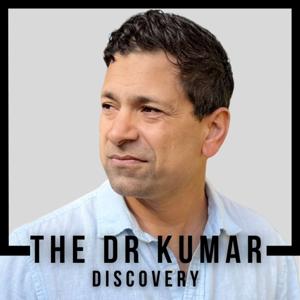

Light is more than illumination - it’s a biological signal that directly interacts with human physiology.
In this episode of The Dr. Kumar Discovery, Dr. Ravi Kumar speaks with Dr. Jason Rountree, an expert in clinical photobiomodulation, about how red and near-infrared light therapy influences cellular metabolism, inflammation, and tissue regeneration.
The conversation begins at the mitochondrial level, where specific wavelengths of light, particularly in the 650–1,064 nanometer range, are absorbed by cytochrome c oxidase within the electron transport chain. This interaction can increase ATP production, improve cellular signaling, and restore metabolic function in damaged or energy-depleted tissues.
Dr. Rountree explains how this mechanism has translated into clinical applications for chronic pain, musculoskeletal injuries, wound healing, and skin rejuvenation. By temporarily increasing nitric oxide release and improving microcirculation, photobiomodulation may accelerate tissue repair while reducing inflammation and pain signaling.
The discussion then expands into neurological applications. Transcranial photobiomodulation, which delivers near-infrared light through the skull, is being explored as a potential intervention for neurodegenerative diseases such as Alzheimer’s. Early research suggests that targeted light exposure may reduce neuroinflammation, improve cerebral blood flow, and enhance glymphatic clearance - mechanisms that support cognitive function and brain health.
Throughout the conversation, Dr. Rountree provides practical guidance on evaluating consumer devices. With many inexpensive products flooding the market, he explains how wavelength accuracy, energy density, and clinical testing determine whether a device delivers therapeutic results or simply expensive placebo.
At its core, this episode reframes light as a biological tool: one capable of modulating mitochondrial function, improving tissue resilience, and potentially reshaping how we approach chronic disease and recovery.
What You’ll Learn:
Dr. Jason Rountree is a chiropractor and clinical expert in photobiomodulation with extensive experience in laser therapy and regenerative medicine. He is a 2010 graduate of Logan College of Chiropractic and serves as the Clinic Director of Montana Laser and Medical Center, an integrative regenerative medicine clinic that performs more than 10,000 laser therapy treatments annually.
As the founder of the Laser Therapy Institute, he has trained hundreds of healthcare professionals in the clinical use of laser and light therapies, helping practitioners integrate photobiomodulation into evidence-based treatment protocols.
If you enjoyed this episode, make sure to subscribe, rate, and review it on Apple Podcasts, Spotify, and YouTube Podcasts. Instructions on how to do so are here.
Episode Highlights:
Episode Resources:
 View all episodes
 By Dr Ravi Kumar MD
5
6868 ratings
Light is more than illumination - it’s a biological signal that directly interacts with human physiology.
In this episode of The Dr. Kumar Discovery, Dr. Ravi Kumar speaks with Dr. Jason Rountree, an expert in clinical photobiomodulation, about how red and near-infrared light therapy influences cellular metabolism, inflammation, and tissue regeneration.
The conversation begins at the mitochondrial level, where specific wavelengths of light, particularly in the 650–1,064 nanometer range, are absorbed by cytochrome c oxidase within the electron transport chain. This interaction can increase ATP production, improve cellular signaling, and restore metabolic function in damaged or energy-depleted tissues.
Dr. Rountree explains how this mechanism has translated into clinical applications for chronic pain, musculoskeletal injuries, wound healing, and skin rejuvenation. By temporarily increasing nitric oxide release and improving microcirculation, photobiomodulation may accelerate tissue repair while reducing inflammation and pain signaling.
The discussion then expands into neurological applications. Transcranial photobiomodulation, which delivers near-infrared light through the skull, is being explored as a potential intervention for neurodegenerative diseases such as Alzheimer’s. Early research suggests that targeted light exposure may reduce neuroinflammation, improve cerebral blood flow, and enhance glymphatic clearance - mechanisms that support cognitive function and brain health.
Throughout the conversation, Dr. Rountree provides practical guidance on evaluating consumer devices. With many inexpensive products flooding the market, he explains how wavelength accuracy, energy density, and clinical testing determine whether a device delivers therapeutic results or simply expensive placebo.
At its core, this episode reframes light as a biological tool: one capable of modulating mitochondrial function, improving tissue resilience, and potentially reshaping how we approach chronic disease and recovery.
What You’ll Learn:
Dr. Jason Rountree is a chiropractor and clinical expert in photobiomodulation with extensive experience in laser therapy and regenerative medicine. He is a 2010 graduate of Logan College of Chiropractic and serves as the Clinic Director of Montana Laser and Medical Center, an integrative regenerative medicine clinic that performs more than 10,000 laser therapy treatments annually.
As the founder of the Laser Therapy Institute, he has trained hundreds of healthcare professionals in the clinical use of laser and light therapies, helping practitioners integrate photobiomodulation into evidence-based treatment protocols.
If you enjoyed this episode, make sure to subscribe, rate, and review it on Apple Podcasts, Spotify, and YouTube Podcasts. Instructions on how to do so are here.
Episode Highlights:
Episode Resources:

8,748 Listeners

370,110 Listeners
3,767 Listeners
3,457 Listeners
9,231 Listeners
7,995 Listeners

29,207 Listeners

19,524 Listeners

18,151 Listeners

10,800 Listeners

12,143 Listeners
8,873 Listeners
1,211 Listeners

1,737 Listeners