
Sign up to save your podcasts
Or

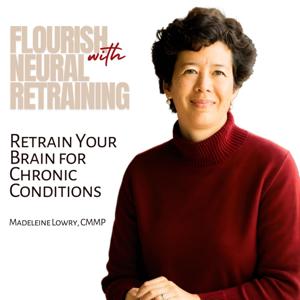

Many people struggling with chronic symptoms describe themselves the same way: Sensitive.
Sensitive to stress.
In this episode neural retraining specialist, Madeleine Lowry, explores the connection between high sensitivity, nervous system reactivity, and immune dysregulation.
Drawing from research on Highly Sensitive People (HSPs) and the science of psychoneuroimmunology, she explains why people with sensitive nervous systems are more prone to developing chronic symptoms such as inflammation, sensitivities, fatigue, and immune imbalance.
But sensitivity is not simply a liability.
The same nervous system traits that make someone more reactive to stress can also make them especially responsive to neural retraining and mind-body healing approaches.
In this episode, you’ll learn:
What it means to be a Highly Sensitive Person (HSP)
Why sensitive nervous systems often become overloaded in modern life
The connection between stress responses and immune dysregulation
Why sensitive individuals are more likely to develop food, chemical, and environmental sensitivities
How unresolved emotional stress can amplify nervous system reactivity
Why advanced neural retraining can be particularly effective for sensitive people
How sensitivity can become a strength in the healing process
If you’ve ever felt like your body reacts to everything—or that your nervous system is constantly on high alert—this episode will help you understand why that happens and what you can do about it.
Learn more about subconscious neural retraining and how it can support emotional and physical wellbeing.
Visit TCNeuralRetraining.com to take our free quiz, schedule a free phone consultation, or private sessions via Zoom.
 View all episodes
 By Madeleine Lowry | Neural Retraining for Chronic Illness Specialist & MAP Practitioner

4.7
99 ratings
Many people struggling with chronic symptoms describe themselves the same way: Sensitive.
Sensitive to stress.
In this episode neural retraining specialist, Madeleine Lowry, explores the connection between high sensitivity, nervous system reactivity, and immune dysregulation.
Drawing from research on Highly Sensitive People (HSPs) and the science of psychoneuroimmunology, she explains why people with sensitive nervous systems are more prone to developing chronic symptoms such as inflammation, sensitivities, fatigue, and immune imbalance.
But sensitivity is not simply a liability.
The same nervous system traits that make someone more reactive to stress can also make them especially responsive to neural retraining and mind-body healing approaches.
In this episode, you’ll learn:
What it means to be a Highly Sensitive Person (HSP)
Why sensitive nervous systems often become overloaded in modern life
The connection between stress responses and immune dysregulation
Why sensitive individuals are more likely to develop food, chemical, and environmental sensitivities
How unresolved emotional stress can amplify nervous system reactivity
Why advanced neural retraining can be particularly effective for sensitive people
How sensitivity can become a strength in the healing process
If you’ve ever felt like your body reacts to everything—or that your nervous system is constantly on high alert—this episode will help you understand why that happens and what you can do about it.
Learn more about subconscious neural retraining and how it can support emotional and physical wellbeing.
Visit TCNeuralRetraining.com to take our free quiz, schedule a free phone consultation, or private sessions via Zoom.

10,592 Listeners

21,088 Listeners

12,035 Listeners

150 Listeners

4,721 Listeners

8,839 Listeners

3,936 Listeners

1,661 Listeners

9,240 Listeners

47,474 Listeners

838 Listeners
5,386 Listeners

627 Listeners

228 Listeners
407 Listeners