
Sign up to save your podcasts
Or

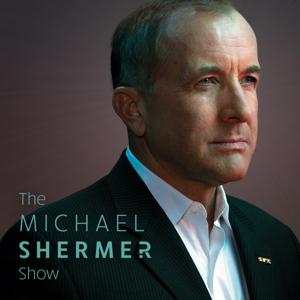

Everyone has heard of the term "pseudoscience", typically used to describe something that looks like science, but is somehow false, misleading, or unproven. Many would be able to agree on a list of things that fall under its umbrella — astrology, phrenology, UFOlogy, creationism, and eugenics might come to mind. But defining what makes these fields "pseudo" is a far more complex issue. Given the virulence of contemporary disputes over the denial of climate change and anti-vaccination movements — both of which display allegations of "pseudoscience" on all sides — there is a clear need to better understand issues of scientific demarcation. Shermer and Gordin explore the philosophical and historical attempts to address this problem of demarcation.
 View all episodes
 By Michael Shermer

4.4
884884 ratings
Everyone has heard of the term "pseudoscience", typically used to describe something that looks like science, but is somehow false, misleading, or unproven. Many would be able to agree on a list of things that fall under its umbrella — astrology, phrenology, UFOlogy, creationism, and eugenics might come to mind. But defining what makes these fields "pseudo" is a far more complex issue. Given the virulence of contemporary disputes over the denial of climate change and anti-vaccination movements — both of which display allegations of "pseudoscience" on all sides — there is a clear need to better understand issues of scientific demarcation. Shermer and Gordin explore the philosophical and historical attempts to address this problem of demarcation.
26,327 Listeners
2,272 Listeners
843 Listeners
246 Listeners
1,061 Listeners
908 Listeners
4,181 Listeners
799 Listeners
1,640 Listeners
504 Listeners
572 Listeners

29 Listeners

392 Listeners
825 Listeners

8,697 Listeners