
Sign up to save your podcasts
Or

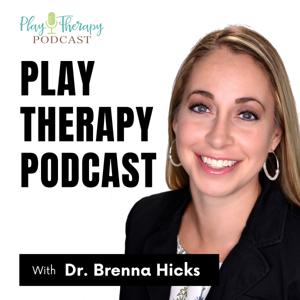

In this episode, I talk through the differences between independent play and collaborative play in child-centered play therapy sessions, and why understanding the distinction is so important. Early in the therapy process, children often play independently as they are still orienting to the playroom, building trust, and determining whether the relationship feels safe. Independent play is not a problem to solve and does not mean the child is "stuck." In fact, a child may play independently throughout the entire course of therapy and still be doing exactly what they need to do for their own healing process.
I also explain the different degrees of collaborative play that can emerge when a child begins to include the therapist. These invitations can range from very small moments—such as asking the therapist to retrieve an object or count something—to deeper levels of shared play where the therapist takes on a character or participates directly in the action. The first time a child invites us into their play at any level is incredibly meaningful because it reflects trust, alliance, and the child's recognition that we are part of their therapeutic journey. I also discuss how noticing and documenting these shifts can help therapists track progress and communicate meaningful changes to parents during consultations.
PlayTherapyNow.com is my HUB for everything I do! playtherapynow.com. Sign up for my email newsletter, stay ahead with the latest CCPT CEU courses, personalized coaching opportunities and other opportunities you need to thrive in your CCPT practice. If you click one link in these show notes, this is the one to click!
Topical Playlists! All of the podcasts are now grouped into topical playlists on YouTube. Please go to https://www.youtube.com/kidcounselorbrenna/playlists to view them.
If you would like to ask me questions directly, check out www.ccptcollective.com, where I host two weekly Zoom calls filled with advanced CCPT case studies and session reviews, as well as member Q&A. You can take advantage of the two-week free trial to see if the CCPT Collective is right for you.
Ask Me Questions: Call (813) 812-5525, or email: [email protected] Brenna's CCPT Hub: https://www.playtherapynow.com CCPT Collective (online community exclusively for CCPTs): https://www.ccptcollective.com Podcast HQ: https://www.playtherapypodcast.com APT Approved Play Therapy CE courses: https://childcenteredtraining.com Facebook: https://facebook.com/playtherapypodcast
Common References: Cochran, N., Nordling, W., & Cochran, J. (2010). Child-Centered Play Therapy (1st ed.). Wiley. VanFleet, R., Sywulak, A. E., & Sniscak, C. C. (2010). Child-centered play therapy. Guilford Press. Landreth, G.L. (2023). Play Therapy: The Art of the Relationship (4th ed.). Routledge. Landreth, G.L., & Bratton, S.C. (2019). Child-Parent Relationship Therapy (CPRT): An Evidence-Based 10-Session Filial Therapy Model (2nd ed.). Routledge. https://doi.org/10.4324/9781315537948 Benedict, Helen. Themes in Play Therapy. Used with permission to Heartland Play Therapy Institute.
 View all episodes
 By Dr. Brenna Hicks

4.9
8888 ratings
In this episode, I talk through the differences between independent play and collaborative play in child-centered play therapy sessions, and why understanding the distinction is so important. Early in the therapy process, children often play independently as they are still orienting to the playroom, building trust, and determining whether the relationship feels safe. Independent play is not a problem to solve and does not mean the child is "stuck." In fact, a child may play independently throughout the entire course of therapy and still be doing exactly what they need to do for their own healing process.
I also explain the different degrees of collaborative play that can emerge when a child begins to include the therapist. These invitations can range from very small moments—such as asking the therapist to retrieve an object or count something—to deeper levels of shared play where the therapist takes on a character or participates directly in the action. The first time a child invites us into their play at any level is incredibly meaningful because it reflects trust, alliance, and the child's recognition that we are part of their therapeutic journey. I also discuss how noticing and documenting these shifts can help therapists track progress and communicate meaningful changes to parents during consultations.
PlayTherapyNow.com is my HUB for everything I do! playtherapynow.com. Sign up for my email newsletter, stay ahead with the latest CCPT CEU courses, personalized coaching opportunities and other opportunities you need to thrive in your CCPT practice. If you click one link in these show notes, this is the one to click!
Topical Playlists! All of the podcasts are now grouped into topical playlists on YouTube. Please go to https://www.youtube.com/kidcounselorbrenna/playlists to view them.
If you would like to ask me questions directly, check out www.ccptcollective.com, where I host two weekly Zoom calls filled with advanced CCPT case studies and session reviews, as well as member Q&A. You can take advantage of the two-week free trial to see if the CCPT Collective is right for you.
Ask Me Questions: Call (813) 812-5525, or email: [email protected] Brenna's CCPT Hub: https://www.playtherapynow.com CCPT Collective (online community exclusively for CCPTs): https://www.ccptcollective.com Podcast HQ: https://www.playtherapypodcast.com APT Approved Play Therapy CE courses: https://childcenteredtraining.com Facebook: https://facebook.com/playtherapypodcast
Common References: Cochran, N., Nordling, W., & Cochran, J. (2010). Child-Centered Play Therapy (1st ed.). Wiley. VanFleet, R., Sywulak, A. E., & Sniscak, C. C. (2010). Child-centered play therapy. Guilford Press. Landreth, G.L. (2023). Play Therapy: The Art of the Relationship (4th ed.). Routledge. Landreth, G.L., & Bratton, S.C. (2019). Child-Parent Relationship Therapy (CPRT): An Evidence-Based 10-Session Filial Therapy Model (2nd ed.). Routledge. https://doi.org/10.4324/9781315537948 Benedict, Helen. Themes in Play Therapy. Used with permission to Heartland Play Therapy Institute.

73 Listeners
685 Listeners

1,332 Listeners

2,533 Listeners

1,397 Listeners

128 Listeners

14,950 Listeners

663 Listeners

51 Listeners

88 Listeners

62,593 Listeners

41,566 Listeners

20,342 Listeners

10,790 Listeners

2 Listeners