
Sign up to save your podcasts
Or

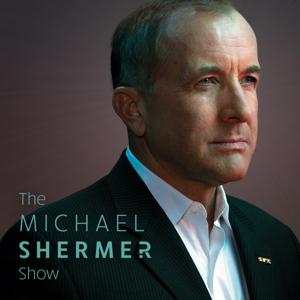

In What It Means to Be Moral: Why Religion Is Not Necessary for Living an Ethical Life, Phil Zuckerman argues that morality does not come from God. Rather, it comes from us: our brains, our evolutionary past, our ongoing cultural development, our social experiences, and our ability to reason, reflect, and be sensitive to the suffering of others. By deconstructing religious arguments for God-based morality and guiding readers through the premises and promises of secular morality, Zuckerman argues that the major challenges facing the world today―from global warming and growing inequality to religious support for unethical political policies to gun violence and terrorism―are best approached from a nonreligious ethical framework. In short, we need to look to our fellow humans and within ourselves for moral progress and ethical action. Shermer and Zuckerman discus:
Dr. Phil Zuckerman is the author of several books, including The Nonreligious, Living the Secular Life, Society without God, and his latest book, What it Means to be Moral. He is a professor of sociology at Pitzer College and the founding chair of the nation's first secular studies program. He lives in Claremont, California, with his wife and three children.
Listen to Science Salon via iTunes, Spotify, Google Play Music, Stitcher, iHeartRadio, TuneIn, and Soundcloud.
You play a vital part in our commitment to promote science and reason. If you enjoy the Science Salon Podcast, please show your support by making a donation, or by becoming a patron.
 View all episodes
 By Michael Shermer

4.4
884884 ratings
In What It Means to Be Moral: Why Religion Is Not Necessary for Living an Ethical Life, Phil Zuckerman argues that morality does not come from God. Rather, it comes from us: our brains, our evolutionary past, our ongoing cultural development, our social experiences, and our ability to reason, reflect, and be sensitive to the suffering of others. By deconstructing religious arguments for God-based morality and guiding readers through the premises and promises of secular morality, Zuckerman argues that the major challenges facing the world today―from global warming and growing inequality to religious support for unethical political policies to gun violence and terrorism―are best approached from a nonreligious ethical framework. In short, we need to look to our fellow humans and within ourselves for moral progress and ethical action. Shermer and Zuckerman discus:
Dr. Phil Zuckerman is the author of several books, including The Nonreligious, Living the Secular Life, Society without God, and his latest book, What it Means to be Moral. He is a professor of sociology at Pitzer College and the founding chair of the nation's first secular studies program. He lives in Claremont, California, with his wife and three children.
Listen to Science Salon via iTunes, Spotify, Google Play Music, Stitcher, iHeartRadio, TuneIn, and Soundcloud.
You play a vital part in our commitment to promote science and reason. If you enjoy the Science Salon Podcast, please show your support by making a donation, or by becoming a patron.
26,327 Listeners
2,272 Listeners
843 Listeners
246 Listeners
1,061 Listeners

908 Listeners
4,181 Listeners
799 Listeners
1,640 Listeners
504 Listeners
572 Listeners
29 Listeners
392 Listeners
825 Listeners
8,697 Listeners