
Sign up to save your podcasts
Or

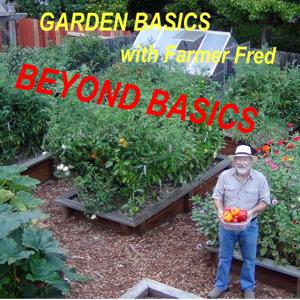

In this episode, we discuss the essentials of basil cultivation, highlighting the basil basics for home gardens. We cover basil soil preparation, planting, timing, and a few of the various flavorful basil varieties such as Sweet, Thai, and cinnamon basil. We include basil care tips such as watering, fertilization, and pest management.
Special guest Rose Loveall-Sale from Morningsun Herb Farm shares her knowledge about basil’s cultural significance and culinary uses, as well as sharing her vast knowledge of even more basil varieties. Her audio was taken from her how-to basil video on YouTube , because this week she was busy getting ready for Morningsun Herb Farm’s annual open house day, on Saturday, May 2, an event that features speakers, vendors, crafts, demonstrations, and informational booths (including the Solano County Master Gardeners) at the nursery outside Vacaville, in the San Francisco Bay Area.
More links and pictures about basil in today’s podcast transcript!
ALL ABOUT BASIL - THE PODCAST TRANSCRIPT
Farmer Fred:
[0:00] If there’s one herb that practically begs to be grown at home, it has to be basil. The good news? It’s not fussy at all. It just wants what most of us really want. Warm weather, plenty of sunshine, and a good drink of water every now and then. Basil is happiest in fertile, well-drained soil that has lots of organic matter. Most garden soils, though, work just fine. But before you plant anything, it’s always worthwhile doing a quick soil test so you know exactly what you’re working with.
Farmer Fred:
[0:30] If the soil needs a nutrient boost, work your fertilizer into the top six inches. If you’re going the compost route, spread no more than one inch of well-composted material per 100 square feet. A little goes a long way here. The golden rule with basil is wait until after the last frost before planting. Cold soil is the enemy. If you’re starting from seed, basil germinates best when soil temps are between 75 and 85 degrees Fahrenheit, and you can expect the little sprouts to pop up in about 10 to 14 days. If you’re starting with transplants, we’ll give them about four to six weeks to size up and aim for a mid to late May planting. You want to sow seeds about one eighth of an inch deep. That’s barely covering the seed with perhaps some vermiculite. Cover it lightly and keep the soil consistently moist. Then, once your seedlings emerge, thin them to three to four inches apart. Then gradually work toward a final spacing of about 12 inches.
Farmer Fred:
[1:32] Hey, and don’t throw away what you thin out. Those little guys can be transplanted elsewhere or even tossed into your dinner salad. One tip worth remembering, basil grown in full sun develops more essential oils, and that means richer, more complex flavor. Shade-grown basil? It just isn’t the same, really. So the age-old question is, well, how much basil should I plant? Over a whole season, plan on 5 to 10 plants per person for fresh use, and maybe another 5 to 10 plants if you want to put some away for storage. That may seem like a lot, but believe me, you will go through it. The Master Gardeners of Sonoma County have suggestions for basil varieties worth trying.
Farmer Fred:
[2:15] Sweet basil is probably the most popular. It’s a large-leafed Mediterranean variety. It’s the primary culinary basil used in Italian cuisine, and it gets up to about two, two and a half feet tall. Purple or opal basil is similar to sweet basil, but it has dark bronze-purple leaves and pink flowers, and that’s a welcome color contrast in the garden and in dishes, although visually it’s really not very suitable for pesto. A somewhat more tender variety, purple basil grows to about the same height as sweet basil, about two and a half feet. Lemon or lime basil is a smaller plant, about 12 inches tall with white flowers, and a mild citrus aroma paired with many types of food. There’s also Greek or globe basil. That’s even smaller, about 6 to 12 inches tall, with tiny compact leaves, soft stems, and a very spicy character that’s useful in salads. Its compact size makes it a good container plant, too, and its hardiness allows it to thrive in poor conditions. Another one worth trying, cinnamon basil. That’s a spicy variety with a pronounced flavor, and it gets about 18 to 30 inches tall.
Farmer Fred:
[3:29] Thai basil. That can be recognized by its unusually serrated leaves and a spiciness that sort of resembles licorice. Used in Thai and Indian cooking, it grows about two to three feet tall. There are a few types of perennial basil, but all types for culinary use, those are annual basils. And for even more great basil varieties, watch the YouTube video mentioned on today’s podcast. It features Rose Loveall-Sale of Morningsun Herb Farm in Vacaville talking about a myriad of great-looking and great-tasting basil varieties.
Farmer Fred:
[4:04] How about watering basil? Well, you got to be careful here. Aim for about an inch and a half of water per week. Consistent watering keeps basil growing strong. If you let it wilt and you notice the plant starts to stress out, that’s going to slow growth and damage the roots. A drip irrigation system works beautifully for basil if you want to set it and mostly forget it. You may need to water, though, more frequently. But again, this warning, high temperatures combined with water stress will trigger the plant to flower and set seed. And when that happens, leaf production stops and the off flavors can develop. So you want to keep your basil plant happy and hydrated. Basil is a bit of a hungry plant, especially when you’re actively harvesting or growing it in a pot. Once it hits the harvestable stage, side dress with a liquid nitrogen fertilizer. About one to two tablespoons per gallon of water every two to three weeks per 10-foot row. One of my favorites is fish emulsion. Container plants appreciate a weekly feeding to help keep them thriving.
Farmer Fred:
[5:13] Your biggest headache with basil early on are probably going to be weeds. Basil really can’t compete with them when they’re young. So cultivate shallowly around those basil plants because you don’t want to prune out their roots. And consider laying down an organic mulch, like straw, leaf mulch, or even newspaper, to keep weeds at bay until the young plants get established.
Farmer Fred:
[5:36] For pests, grasshoppers and slugs and snails can chew up the leaves, but a row cover over young plants does a great job of keeping them off until they’re big enough to handle the damage from those pests. On the disease front, watch out for root rot and basal shoot blight. Both are fungal diseases, and the problem there is too much water. Good spacing, too, can help keep your plants about 12 inches apart and avoid overwatering them, and that can go a long way towards preventing any problems. Of course, the fun part of basil growing is harvesting. Once your plant has six to eight leaves, you’re ready to start harvesting. Use a sharp knife or scissors to cut leaf stems, leaving just two to four leaves on the plant. Alternate which plants you harvest from so you always have a steady supply coming in.
Does Pinching Off Basil Flowers Make More Leaves Grow?
The question arises, though, does pinching off the flowers make more leaves grow? Well, interestingly, according to Utah State’s horticultural extension services, not really. Pinching off flowers doesn’t actually stimulate new foliage. It can even cause flowers to form in the leaf axils, and that will reduce your overall yield. A better strategy is to stagger your planting every other week of the basil plants and keep the plants from getting stressed with proper water and proper light so that they’re less inclined to flower in the first place.
Farmer Fred:
[7:01] But I got to admit, basil flowers are pretty. And although deadheading any flowers may not help the basil plant redirect its energy to producing leaves, consider planting more basil plants than you plan to eat and let those extra basil plants begin to flower. Oh, the beneficial insects in your garden, especially the bees, will appreciate it. And your eyes and nose will appreciate it, too (and the flowers are edible!).
How about for storing your basil? How do you go about it? For fresh basil for use in the kitchen, recut the stems and place them in a jar of water away from direct sunlight on the kitchen counter. Cover with a plastic bag and then for even longer life, refrigerate them for up to 7 to 10 days.
Farmer Fred:
[7:44] For dried basil, bundle the stems, hang them in a shady, well-ventilated spot, and they’ll be ready in 5 to 10 days. Pack the dried leaves in an airtight jar and they’ll stay good for about a year. You can also freeze basil leaves. They can be frozen, though they do get mushy when they thaw. For best results, freeze whole leaves in ice cube trays with water, or even better, make some pesto and freeze that into cubes. Use frozen basil within three to six months. And finally, let’s talk about the nutrition of basil. Beyond the flavor, basil is genuinely good for you. It’s rich in vitamin E, folate, and antioxidants, while being low in calories, sodium, and carbohydrates. Dried basil is even more concentrated with nutrients. So what’s not to like about this herb? It tastes great, it smells great, and it’s good for you. So plant some basil in May.
For more information about even more basil varieties, including how to plant them and cook with them, here’s my friend Rose Loveall-Sale of MorningSun Herb Farm in Vacaville, California.
BASIL TIPS FROM MORNINGSUN HERB FARM
Rose Loveall-Sale:
[9:02] There’s only one word that we think of in the herb business in April, basil. This is our favorite herb we grow it all the time. The botanical name, Ocimum basilica. Everyone knows the common basils, But what I’m hoping to do today is to talk to you about some of the other basils that you really need to grow in your garden During my college days a friend of mine cooked a meal for me and he said i’m making you pesto It’s the best thing you’ll ever have.
Rose Loveall-Sale:
[9:28] I’ve never eaten basil, and I’d never eaten pesto before. But one time, and I was hooked, using this beautiful little Genovese basil. I took it back to my parents, and my father, who was very dramatic, said, if I had a million dollars, I’d spend it all on basil. Well, over the next 25 years, he and my mom ate pesto every week. And in the wintertime, she had to freeze enough for him and take it on vacation, take it camping everywhere. So it’s been a favorite of mine for about 25 years. and now no garden in America is complete without a basil plant. Our most common basil, our Genovese basil, is grown for our pesto making and for fresh use. There’s lots of other kinds of basils though, so I want to talk about those today. First I want to start though a little history of basil because there’s always some funny stories in the herb world. Back in the 17th century it was believed that basil would actually make you go crazy. So people didn’t want to eat basil because they thought it would make them die and go crazy.
Rose Loveall-Sale:
[10:28] So basil leaves were not used until really the 20th century, except by the Italians and Greeks. Now, of course, it’s used in cuisines all over the world. It’s native to North Africa, to the Mediterranean, and all over Asia, both temperate and tropical climates. Here in California, it’s grown mostly as an annual plant. It really likes warm temperatures, and it does not like cold nighttime temperatures at all. There’s a lot of really fun stories about basil. Basil is considered now the herb of love. So if you have a little pot of basil sitting on your windowsill, that means, in Italy at least, that you’re ready for a suitor.
Rose Loveall-Sale:
[11:06] So keep that in mind if you’re going to be putting your basil out on a windowsill this spring. It may be calling a new love into your life.
Rose Loveall-Sale:
[11:19] So what are all the different kinds of basils? Why do we want to grow all these wonderful basils? Besides our beautiful Genovese basil and our Italian large leaf basil, right now in these little pots they look very similar, but they have a little bit different flavor.
Rose Loveall-Sale:
[11:33] One of them, the Genovese, is a little stronger and the Italian large leaf is a little bit milder. These are both going to get about two feet tall and they’re going to be green plants with white flowers. Genovese basil and Italian large leaf basils are our common standard basils that we grow in our garden. There’s a lot of other basils to grow. We’re going to talk about each of those and what their uses would be. So let’s talk about some of the other basils that you will want to grow in your garden. One of my favorites is called Basil Napolitano. It’s got a huge leaf. Even in a little three-inch pot, the leaves are giant, and in the ground, the leaves are going to get up to four to five inches wide and long. This basil is also used a lot for pesto making. It’s a little bit milder, so if you don’t like the flavor of lots of licorice in your basil, this is a much better basil to use. It’s a little more gentle as far as its sun needs, so sometimes we plant this in a little bit of shade. It’s wonderful to use fresh, so if you’re making a hamburger, and you instead of putting lettuce want to put something more interesting, a couple of leaves of this beautiful basil are really an incredible little addition. Also, if you’re making a grilled cheese sandwich, a little bit of basil on that grilled cheese is wonderful. It’s a lovely plant to grow in the garden too.
Rose Loveall-Sale:
[12:59] My favorite basil is lemon. And lemon basil is actually a different species. There are 62 different species of basil in the world. We really only grow two or three different species. This is Ocimum basilicum ‘citriadora’. So this is lemon basil, and I wish you could smell this. It’s a bright lemony scent. It’s just wonderful.
Rose Loveall-Sale:
[13:21] Oh, now this (lemon basil) is a great summertime herb, in particular because I can think of, countless different things to do with this plant. So besides making a pesto, which would be great with fresh fish or chicken, or with some sort of a pasta or maybe even vegetables like zucchini, it makes a great bar drink addition. If you’re making a little gin and tonic, or if you’re muddling up a little something extra for a martini, lemon basil is the thing to use. If you’re a teetotaler, it’s an amazing tea plant. Basil is a member of the mint family, And so like many of the other mints, it has the qualities of being a good digestive. So an after-dinner tea of a little bit of lemon basil would make a wonderful addition after a heavy meal barbecue where you’re trying to settle your stomach. It’s just terrific. Lemon basil sorbet, lemon basil stuffed into chicken, lemon basil ice cream, lemon basil lemonade. It’s just endless possibilities with lemon basil. It’s really an amazing plant. We don’t have to just have green basils though, we can have basils that have amazing colors.
Rose Loveall-Sale:
[14:30] Two of my favorites are the Red Rubin basil, all purple leaves, very lovely, and a new one for us called Persian basil. These are both Ocimum basilicums, and they’re wonderful additions to the garden. These are both excellent as salad additions. So we always think of basil having to be made into something, but it doesn’t have to be made into anything in particular. As a salad green, it’s terrific. This one here, we started to grow two years ago, the Persian basil. And at first I said, well, it’s pretty, but what else is so interesting about it? And then I tried it. And that’s the fun thing about these basils is to try the leaves before you actually cook with them. It’s amazing. Just a slight citrusy undertone to it, a little bit of clove, a little bit of cinnamon to it. It’s really wonderful. It makes a nice little pesto or added to a salsa. It’s wonderful in salads, super pretty, easy to grow.
Rose Loveall-Sale:
[15:34] And it gives you just a completely different look to your garden. The purple basils, again like the Red Rubin, are again lovely as a salad addition. They also can be used for a rustic pesto, so you wouldn’t want to over-process this basil. If you take this beautiful purple basil and you just chop it so that it’s still fairly rough in your pesto, you’ll keep that beautiful purple color. If you over-process it so that it’s very smooth, it becomes a bit of a muddy color. The flavor is still good, but it’s not quite as an appealing look to it. So make sure you just leave it very rustic looking. So there’s some lovely choices there with your purple basils. Now maybe you don’t have space for a big basil. All the basils we’ve talked about so far, these basils all get 18 inches, 2 feet tall. They’re pretty darn big. Sometimes you need something that’s a little smaller. And that’s where spicy bush basil comes in.
Rose Loveall-Sale:
[16:30] These are called piccolino basils, tiny little leaf, very small plant. It only gets 10 to 12 inches tall. This is the one in particular in Italy. They say you put a little bit of this on your windowsill, and that tells your shooters that it’s time to come calling. The great thing about these small basils is they may be small in size, but they’re really big in flavor. So why you grow this, even if you have room for a big basil, it’s the flavor. Super punchy, super strong. This basil will hold up to being... So rather than use the other basils in your sauces, you would use this beautiful little small-leafed basil because even when it’s cooked, even when it’s heated up in pizza or sauces, it maintains that wonderful basil flavor. There’s lots of small-leafed basils. This is called spicy bush basil. I really love it because it just keeps going and going all season long. You can really prune it back and it comes right back. The flavor is really amazing on this basil.
Rose Loveall-Sale:
[17:33] We do have a whole different class of basils, and these are called Tulsi, or sacred or holy basils. These really have a different purpose for us. It’s a whole different species. It’s called Ocimum tenuriflorum, or sanctum, and these basils are considered sacred for the Hindus. There’s many different varieties of them. We grow several. We grow a beautiful one called Kapoor. Kapoor basil takes on these beautiful greenish leaves, heavy clove flavor. It’s a wonderful medicinal. It’s also a great one to use for cooking if you’re doing Asian cuisine or curries. This one here is called Rama, and this is our most important medicinal basil.
Rose Loveall-Sale:
[18:17] So I mentioned that basils are good for digestion, but also this particular species of basil, the Ocimum tenuiflorum, this one is also excellent as an adaptogen, meaning this basil you can actually use every day as a tonic in a tea form or a tincture and it helps reduce stress. So we can all use a little bit of this in our life every day. So it’s a great stress reducer. It’s good for bringing our bodies back into balance. Really a wonderful herb. These basils here, those tulsis, the sacred basils, these are used often as a sacred plant that every Hindu family grows at their front door. They have it somewhere in their home. It’s part of their tradition. And so here in the United States, we do grow it for medicinal and we also grow it for cooking as well.
Rose Loveall-Sale:
[19:07] Also, we have Thai basil. And Thai basil is that classic basil that we use in Thai cuisine.
Rose Loveall-Sale:
[19:16] Super, super heavy licorice, clove scented, almost a little bit of spiciness to it. Very beautiful to look at. It’s a fairly small basil, and it goes to flower very quickly. So you’re always pinching it back to keep it from flowering too much.
Rose Loveall-Sale:
[19:33] You’d use this in really heavy cuisines and Thai cuisine.
Rose Loveall-Sale:
[19:41] All the basils I’ve shown you so far are annual basils that we grow from seed, but there are some amazing new basils out there that you should be growing in your garden. This one is called Pesto Perpetuo. It is so wonderful. Notice that variegated leaf? This is a basil that is a Genovese-style basil, so it’s perfect in your garden. To use for pesto making, but it has one particularly wonderful quality about it. It does not bloom, so you never have to pinch back the blooms on this basil. It’s wonderful in a container. It’s great in a pot. It’s a little more cold hardy, so it can actually take a little more cold temperatures. Usually here in California, it will stay in our gardens until November, and if you live somewhere like Santa Barbara, it will overwinter with no problem. This is a beautiful, beautiful specimen plant to have in a container. It’s lovely. Even if you don’t like basil for cooking, it is a wonderfully pretty plant to grow in the garden. Now, the opposite of that are basils that we actually want to flower in the garden. These kinds of basils are sterile hybrids. It’s my favorite.
Rose Loveall-Sale:
[20:54] Well, after lemon basil, this is my favorite. This basil is called Wild Magic, and notice it’s blooming. We let this basil bloom on purpose. It gives lots of nectar to honeybees, but it doesn’t produce any seed. So you can let it bloom. It doesn’t produce seed and die like your other annual basils do. It gets about 14 inches tall. It is amazing looking in the garden, just beautiful.
Rose Loveall-Sale:
[21:23] ‘Wild Magic’ tastes great. It has a wonderful basil flavor, perfect for pesto making, wonderful to cook with. It’s very cold hearty. Here in California, in Northern California, we actually grow this one out in the garden usually until Christmas time or even later. It’s lovely to have in the garden, and it’s a beautiful plant to include even just with your perennial bed. So it will bring in lots of wonderful pollinators. We also like small little basils that will bloom in the garden. This one’s called Red Ball. It’s a gorgeous little specimen plant. It only gets about 12 inches tall, has that great purpley look to it, and a pink flower later on. Again, this one is another sterile specimen, so you can let it bloom. It’ll bring wonderful pollinators into the garden. It doesn’t change the flavor, unlike the other annual basils I showed you earlier, that once they start to bloom, you really have to get rid of those flowers quickly. So again, gorgeous, gorgeous, maybe lining your bed. Instead of annual flowers, why not put in something that’s yummy and helpful to bring in pollinators into your garden? Very pretty specimen plant. One of our most popular ones is a basil called Magic Mountain.
Rose Loveall-Sale:
[22:43] So this basil (‘Magic Mountain’) looks very familiar to a basil that people are familiar with called African blue. The difference is that African blue tastes like camphor, which is not anyone’s favorite flavor usually, but this one, mild sweet basil flavor for this magic mountain basil. This is about a two-footer. Again, this one will bloom, but it’s sterile, so it never produces seed. We only grow it from cuttings. Isn’t that a lovely specimen plant?
Rose Loveall-Sale:
[23:12] Finally, we also grow one called Ajaka. This has a big pink flower, and this plant tastes very similar to our Thai basil. So this has a punch to it. This one, spicy, heavy clove. This one you want to use for all your Asian cuisine. It’s really delicious. Lovely in the garden. It can get about two feet tall. Again, it’s going to last until November. It’s a lot more cold hardy. So all of these basils that I’ve just shown you, These are wonderful to have in your garden just to give more color for one thing, to include in their garden that’s going to go into the fall. Some people do bring these indoors and use these indoors during the winter if they have enough light. And you can let them bloom, except for your ‘Pesto Perpetua’, which of course will never bloom. And so that’s its best quality is not having to pinch it back.
Rose Loveall-Sale:
[24:07] These are wonderful new basil additions that people are just becoming familiar with now and growing in their gardens.
How to Plant a Basil
Rose Loveall-Sale:
[24:16] So now you’ve decided you have many more basils to choose from. How are you going to plant those basils? There’s a couple little tricks to planting basils so that you have a long harvest and so that your plants look good throughout the season. So we’re going to talk a little bit about how you’re going to grow your basil under the best conditions possible. So you’ve decided to plant all these different basils in your garden. What can you do to make sure that you have a success growing them? I’m showing you here how to grow basil in a raised bed. Now you can grow basil in a raised bed. There’s a benefit to that because you can raise it up if you have a bad soil, like a really heavy clay soil. It’s also a benefit because it warms the soil a little earlier in the season, so you can actually get root growth a little easier. And of course, it helps because it’s lifted up, so you don’t have to sit down so far. You don’t have to be on your knees to harvest. So if you have a raised bed, you wanna make sure you have soil that’s very usable and good. So here, we use a soil booster.
Rose Loveall-Sale:
[25:16] And we use a soil that we purchase in that has lots of organic matter, lots of earthworm castings, a little bit of bat guano. It also has some organic slow-release fertilizer. You can see it’s fairly light. It’s not really sandy, but it’s not this heavy clay. So you don’t want to use native soil if you’re in a raised bed. Now, if you’re just growing in the ground, then you would add this kind of a mix at a rate of about 30%. or if it’s a heavy clay, even up to 50%, you would mix into that top foot of soil where you’re going to be planting. This will give you really good drainage because basil doesn’t want to be really in a hard, heavy soil. So it wants very good, rich soil. So there’s a trick to basil also that you don’t really talk about with the rest of the herb. Basil likes water and it likes fertilizer. It’s incredibly different than rosemary or sage or lavender or any of those other herbs that we are so familiar with. So when you plant it, you want to add some fertilizer. I’m going to add some Sure Start. I like to use an organic fertilizer, and we only use organic fertilizers for our culinary plants. This particular one has some microbes in it that I really love to use. You don’t need to use much. We’re going to add in just about a teaspoon.
Rose Loveall-Sale:
[26:37] And so here we have our four-inch plant. I’m going to take where I’m going to plant it, and you notice I’ve spaced these out. Some of these plants are very close together because they’re small, and some of them, like the Genovese basil, I’ve moved way back because it’s going to be a much larger one. This is the Red Ball basil that we just talked about. It’s a small, short basil. We actually let it bloom. I’m going to mix in that fertilizer, and then I’m going to go ahead, pull it out of its pot.
Rose Loveall-Sale:
[27:06] The roots are pretty good. They don’t have to be pulled apart. They’re not overly close together here. You don’t need for the plant to be any deeper than the soil it came in, so you want to make sure it’s just even.
Rose Loveall-Sale:
[27:19] And there you’ve got your first plant in the ground. It’s got a little bit of fertilizer right up against the root system. Later on, and in the case of basal, later on means once a month, we’re going to be adding more fertilizer. You can add a slow-release fertilizer. You could add a liquid fertilizer, such as a fish emulsion, with a little bit of sea kelp in it. Either of these can be used on a monthly basis. If you’re growing in a little container, or you’d be fertilizing with this every two weeks. But in a raised bed or in the ground, once a month is enough. We’re also going to plant so that we can water this in. I’m not gonna water it now, but once I get my bed all planted in, we’re gonna water it heavily. And this is gonna be watered during a hot, sunny day, probably every other day or every third day. If this was planted with lavender and rosemary, we’d be watering once a week at the most. So very different watering techniques. Now if you don’t water and fertilize enough, you end up with a basil that looks something like this. So notice it’s kind of yellow, and this is a cinnamon basil here. Notice it’s actually getting ready to bloom. Right up here you can actually see that little blossom start. So people tend to take that blossom, and they might just pinch it off just like that, And that’s great.
How to Keep a Basil Plant Young and Spry
Rose Loveall-Sale:
[28:41] Except that pinching off the basil flower is not going to really reprogram that plant back to being a juvenile. So the idea with basil is you want to keep it young and spry. And that’s why we fertilize and water it a lot. Go ahead and use that for your cooking unless it’s a little bit too bitter. The second these little basils start to put on seeds or flowers, they start to get bitter. You’re going to cut that much off that basil. And then you’re going to fertilize it with either liquid or the slow release, and you’re going to make sure it stays nice and moist. You can see as I pull it out of the pot here, This is a fairly dry plant right here. So when it dries down, it thinks, oh no, I don’t have enough food. Then it really thinks, oh no, I’m gonna die. I better have babies. So that’s why it sets flowers and seeds.
Rose Loveall-Sale:
[29:27] And in these kinds of basils, your main goal is to stop that from happening. Now remember some of these other basils we grow, like this one here, our Wild Magic. This one’s sterile. So you can let this one bloom. You don’t have to prune it. This one’s actually wonderful to allow it to bloom for pollinators, and it won’t change the flavor at all. If it does start to look a little tired looking though, you would actually just come in and actually pinch off. See if I can actually pinch it here. You would actually pinch off. You’d actually remove that much of the plant.
Rose Loveall-Sale:
[30:02] Fertilize it, water it, and that way you’ll get a nice full plant again. Very edible. And remember, if you have a culinary herb that you can eat the leaves, you can eat the flowers. So basil flowers are wonderful and you should eat them. So what do they taste like? They’re going to taste like basil, only a little fruitier and a little more rounded. Here’s a few in my hand here. Wonderful to add to a salad or if you’re doing even something simple like deviled eggs to put on top. A nice edible garnish. Very yummy. Kids love it. Super flowery flavor to it. So still basil, but sweet. So after about a month, make sure you come back in. You’re gonna fertilize heavily. You’re gonna add your fertilizer again. And then you’re gonna make sure you’re watering a bed like this about every other day. We have a few basils that we’ve been growing for a while. This is that beautiful ajaca.
Rose Loveall-Sale:
[30:58] So you can see how once it starts to fill in, it’s a gorgeous plant, not just for cooking, but in the garden as well. So maybe in another month, we’ll come back. Some things will be blooming happily. We’ll add a few tomatoes. And in the end, we’ll have this beautiful garden of basil that we can use for everything from cooking, medicine making. We can use it for crafting. We can use it for edible flowers, even nice bouquets we can use it for. And we can make a nice after-dinner cocktail or glass of tea. Beautiful. I love it. I love basil.
Farmer Fred:
[31:35] That was Rose Loveall-Sale of Morningsun Herb Farm in Vacaville. If you want more basil information and more info about all the herbs and the videos that Rose grows, visit their website, morningsunherbfarm.com.
Beyond The Garden Basics is a reader-supported publication. To receive all the new posts and support my work, consider becoming a paid subscriber.
Fred Hoffman is also a University of California Cooperative Extension Master Gardener in Sacramento County. And he likes to ride his bike(s).
 View all episodes
 By Farmer Fred
5
88 ratings
In this episode, we discuss the essentials of basil cultivation, highlighting the basil basics for home gardens. We cover basil soil preparation, planting, timing, and a few of the various flavorful basil varieties such as Sweet, Thai, and cinnamon basil. We include basil care tips such as watering, fertilization, and pest management.
Special guest Rose Loveall-Sale from Morningsun Herb Farm shares her knowledge about basil’s cultural significance and culinary uses, as well as sharing her vast knowledge of even more basil varieties. Her audio was taken from her how-to basil video on YouTube , because this week she was busy getting ready for Morningsun Herb Farm’s annual open house day, on Saturday, May 2, an event that features speakers, vendors, crafts, demonstrations, and informational booths (including the Solano County Master Gardeners) at the nursery outside Vacaville, in the San Francisco Bay Area.
More links and pictures about basil in today’s podcast transcript!
ALL ABOUT BASIL - THE PODCAST TRANSCRIPT
Farmer Fred:
[0:00] If there’s one herb that practically begs to be grown at home, it has to be basil. The good news? It’s not fussy at all. It just wants what most of us really want. Warm weather, plenty of sunshine, and a good drink of water every now and then. Basil is happiest in fertile, well-drained soil that has lots of organic matter. Most garden soils, though, work just fine. But before you plant anything, it’s always worthwhile doing a quick soil test so you know exactly what you’re working with.
Farmer Fred:
[0:30] If the soil needs a nutrient boost, work your fertilizer into the top six inches. If you’re going the compost route, spread no more than one inch of well-composted material per 100 square feet. A little goes a long way here. The golden rule with basil is wait until after the last frost before planting. Cold soil is the enemy. If you’re starting from seed, basil germinates best when soil temps are between 75 and 85 degrees Fahrenheit, and you can expect the little sprouts to pop up in about 10 to 14 days. If you’re starting with transplants, we’ll give them about four to six weeks to size up and aim for a mid to late May planting. You want to sow seeds about one eighth of an inch deep. That’s barely covering the seed with perhaps some vermiculite. Cover it lightly and keep the soil consistently moist. Then, once your seedlings emerge, thin them to three to four inches apart. Then gradually work toward a final spacing of about 12 inches.
Farmer Fred:
[1:32] Hey, and don’t throw away what you thin out. Those little guys can be transplanted elsewhere or even tossed into your dinner salad. One tip worth remembering, basil grown in full sun develops more essential oils, and that means richer, more complex flavor. Shade-grown basil? It just isn’t the same, really. So the age-old question is, well, how much basil should I plant? Over a whole season, plan on 5 to 10 plants per person for fresh use, and maybe another 5 to 10 plants if you want to put some away for storage. That may seem like a lot, but believe me, you will go through it. The Master Gardeners of Sonoma County have suggestions for basil varieties worth trying.
Farmer Fred:
[2:15] Sweet basil is probably the most popular. It’s a large-leafed Mediterranean variety. It’s the primary culinary basil used in Italian cuisine, and it gets up to about two, two and a half feet tall. Purple or opal basil is similar to sweet basil, but it has dark bronze-purple leaves and pink flowers, and that’s a welcome color contrast in the garden and in dishes, although visually it’s really not very suitable for pesto. A somewhat more tender variety, purple basil grows to about the same height as sweet basil, about two and a half feet. Lemon or lime basil is a smaller plant, about 12 inches tall with white flowers, and a mild citrus aroma paired with many types of food. There’s also Greek or globe basil. That’s even smaller, about 6 to 12 inches tall, with tiny compact leaves, soft stems, and a very spicy character that’s useful in salads. Its compact size makes it a good container plant, too, and its hardiness allows it to thrive in poor conditions. Another one worth trying, cinnamon basil. That’s a spicy variety with a pronounced flavor, and it gets about 18 to 30 inches tall.
Farmer Fred:
[3:29] Thai basil. That can be recognized by its unusually serrated leaves and a spiciness that sort of resembles licorice. Used in Thai and Indian cooking, it grows about two to three feet tall. There are a few types of perennial basil, but all types for culinary use, those are annual basils. And for even more great basil varieties, watch the YouTube video mentioned on today’s podcast. It features Rose Loveall-Sale of Morningsun Herb Farm in Vacaville talking about a myriad of great-looking and great-tasting basil varieties.
Farmer Fred:
[4:04] How about watering basil? Well, you got to be careful here. Aim for about an inch and a half of water per week. Consistent watering keeps basil growing strong. If you let it wilt and you notice the plant starts to stress out, that’s going to slow growth and damage the roots. A drip irrigation system works beautifully for basil if you want to set it and mostly forget it. You may need to water, though, more frequently. But again, this warning, high temperatures combined with water stress will trigger the plant to flower and set seed. And when that happens, leaf production stops and the off flavors can develop. So you want to keep your basil plant happy and hydrated. Basil is a bit of a hungry plant, especially when you’re actively harvesting or growing it in a pot. Once it hits the harvestable stage, side dress with a liquid nitrogen fertilizer. About one to two tablespoons per gallon of water every two to three weeks per 10-foot row. One of my favorites is fish emulsion. Container plants appreciate a weekly feeding to help keep them thriving.
Farmer Fred:
[5:13] Your biggest headache with basil early on are probably going to be weeds. Basil really can’t compete with them when they’re young. So cultivate shallowly around those basil plants because you don’t want to prune out their roots. And consider laying down an organic mulch, like straw, leaf mulch, or even newspaper, to keep weeds at bay until the young plants get established.
Farmer Fred:
[5:36] For pests, grasshoppers and slugs and snails can chew up the leaves, but a row cover over young plants does a great job of keeping them off until they’re big enough to handle the damage from those pests. On the disease front, watch out for root rot and basal shoot blight. Both are fungal diseases, and the problem there is too much water. Good spacing, too, can help keep your plants about 12 inches apart and avoid overwatering them, and that can go a long way towards preventing any problems. Of course, the fun part of basil growing is harvesting. Once your plant has six to eight leaves, you’re ready to start harvesting. Use a sharp knife or scissors to cut leaf stems, leaving just two to four leaves on the plant. Alternate which plants you harvest from so you always have a steady supply coming in.
Does Pinching Off Basil Flowers Make More Leaves Grow?
The question arises, though, does pinching off the flowers make more leaves grow? Well, interestingly, according to Utah State’s horticultural extension services, not really. Pinching off flowers doesn’t actually stimulate new foliage. It can even cause flowers to form in the leaf axils, and that will reduce your overall yield. A better strategy is to stagger your planting every other week of the basil plants and keep the plants from getting stressed with proper water and proper light so that they’re less inclined to flower in the first place.
Farmer Fred:
[7:01] But I got to admit, basil flowers are pretty. And although deadheading any flowers may not help the basil plant redirect its energy to producing leaves, consider planting more basil plants than you plan to eat and let those extra basil plants begin to flower. Oh, the beneficial insects in your garden, especially the bees, will appreciate it. And your eyes and nose will appreciate it, too (and the flowers are edible!).
How about for storing your basil? How do you go about it? For fresh basil for use in the kitchen, recut the stems and place them in a jar of water away from direct sunlight on the kitchen counter. Cover with a plastic bag and then for even longer life, refrigerate them for up to 7 to 10 days.
Farmer Fred:
[7:44] For dried basil, bundle the stems, hang them in a shady, well-ventilated spot, and they’ll be ready in 5 to 10 days. Pack the dried leaves in an airtight jar and they’ll stay good for about a year. You can also freeze basil leaves. They can be frozen, though they do get mushy when they thaw. For best results, freeze whole leaves in ice cube trays with water, or even better, make some pesto and freeze that into cubes. Use frozen basil within three to six months. And finally, let’s talk about the nutrition of basil. Beyond the flavor, basil is genuinely good for you. It’s rich in vitamin E, folate, and antioxidants, while being low in calories, sodium, and carbohydrates. Dried basil is even more concentrated with nutrients. So what’s not to like about this herb? It tastes great, it smells great, and it’s good for you. So plant some basil in May.
For more information about even more basil varieties, including how to plant them and cook with them, here’s my friend Rose Loveall-Sale of MorningSun Herb Farm in Vacaville, California.
BASIL TIPS FROM MORNINGSUN HERB FARM
Rose Loveall-Sale:
[9:02] There’s only one word that we think of in the herb business in April, basil. This is our favorite herb we grow it all the time. The botanical name, Ocimum basilica. Everyone knows the common basils, But what I’m hoping to do today is to talk to you about some of the other basils that you really need to grow in your garden During my college days a friend of mine cooked a meal for me and he said i’m making you pesto It’s the best thing you’ll ever have.
Rose Loveall-Sale:
[9:28] I’ve never eaten basil, and I’d never eaten pesto before. But one time, and I was hooked, using this beautiful little Genovese basil. I took it back to my parents, and my father, who was very dramatic, said, if I had a million dollars, I’d spend it all on basil. Well, over the next 25 years, he and my mom ate pesto every week. And in the wintertime, she had to freeze enough for him and take it on vacation, take it camping everywhere. So it’s been a favorite of mine for about 25 years. and now no garden in America is complete without a basil plant. Our most common basil, our Genovese basil, is grown for our pesto making and for fresh use. There’s lots of other kinds of basils though, so I want to talk about those today. First I want to start though a little history of basil because there’s always some funny stories in the herb world. Back in the 17th century it was believed that basil would actually make you go crazy. So people didn’t want to eat basil because they thought it would make them die and go crazy.
Rose Loveall-Sale:
[10:28] So basil leaves were not used until really the 20th century, except by the Italians and Greeks. Now, of course, it’s used in cuisines all over the world. It’s native to North Africa, to the Mediterranean, and all over Asia, both temperate and tropical climates. Here in California, it’s grown mostly as an annual plant. It really likes warm temperatures, and it does not like cold nighttime temperatures at all. There’s a lot of really fun stories about basil. Basil is considered now the herb of love. So if you have a little pot of basil sitting on your windowsill, that means, in Italy at least, that you’re ready for a suitor.
Rose Loveall-Sale:
[11:06] So keep that in mind if you’re going to be putting your basil out on a windowsill this spring. It may be calling a new love into your life.
Rose Loveall-Sale:
[11:19] So what are all the different kinds of basils? Why do we want to grow all these wonderful basils? Besides our beautiful Genovese basil and our Italian large leaf basil, right now in these little pots they look very similar, but they have a little bit different flavor.
Rose Loveall-Sale:
[11:33] One of them, the Genovese, is a little stronger and the Italian large leaf is a little bit milder. These are both going to get about two feet tall and they’re going to be green plants with white flowers. Genovese basil and Italian large leaf basils are our common standard basils that we grow in our garden. There’s a lot of other basils to grow. We’re going to talk about each of those and what their uses would be. So let’s talk about some of the other basils that you will want to grow in your garden. One of my favorites is called Basil Napolitano. It’s got a huge leaf. Even in a little three-inch pot, the leaves are giant, and in the ground, the leaves are going to get up to four to five inches wide and long. This basil is also used a lot for pesto making. It’s a little bit milder, so if you don’t like the flavor of lots of licorice in your basil, this is a much better basil to use. It’s a little more gentle as far as its sun needs, so sometimes we plant this in a little bit of shade. It’s wonderful to use fresh, so if you’re making a hamburger, and you instead of putting lettuce want to put something more interesting, a couple of leaves of this beautiful basil are really an incredible little addition. Also, if you’re making a grilled cheese sandwich, a little bit of basil on that grilled cheese is wonderful. It’s a lovely plant to grow in the garden too.
Rose Loveall-Sale:
[12:59] My favorite basil is lemon. And lemon basil is actually a different species. There are 62 different species of basil in the world. We really only grow two or three different species. This is Ocimum basilicum ‘citriadora’. So this is lemon basil, and I wish you could smell this. It’s a bright lemony scent. It’s just wonderful.
Rose Loveall-Sale:
[13:21] Oh, now this (lemon basil) is a great summertime herb, in particular because I can think of, countless different things to do with this plant. So besides making a pesto, which would be great with fresh fish or chicken, or with some sort of a pasta or maybe even vegetables like zucchini, it makes a great bar drink addition. If you’re making a little gin and tonic, or if you’re muddling up a little something extra for a martini, lemon basil is the thing to use. If you’re a teetotaler, it’s an amazing tea plant. Basil is a member of the mint family, And so like many of the other mints, it has the qualities of being a good digestive. So an after-dinner tea of a little bit of lemon basil would make a wonderful addition after a heavy meal barbecue where you’re trying to settle your stomach. It’s just terrific. Lemon basil sorbet, lemon basil stuffed into chicken, lemon basil ice cream, lemon basil lemonade. It’s just endless possibilities with lemon basil. It’s really an amazing plant. We don’t have to just have green basils though, we can have basils that have amazing colors.
Rose Loveall-Sale:
[14:30] Two of my favorites are the Red Rubin basil, all purple leaves, very lovely, and a new one for us called Persian basil. These are both Ocimum basilicums, and they’re wonderful additions to the garden. These are both excellent as salad additions. So we always think of basil having to be made into something, but it doesn’t have to be made into anything in particular. As a salad green, it’s terrific. This one here, we started to grow two years ago, the Persian basil. And at first I said, well, it’s pretty, but what else is so interesting about it? And then I tried it. And that’s the fun thing about these basils is to try the leaves before you actually cook with them. It’s amazing. Just a slight citrusy undertone to it, a little bit of clove, a little bit of cinnamon to it. It’s really wonderful. It makes a nice little pesto or added to a salsa. It’s wonderful in salads, super pretty, easy to grow.
Rose Loveall-Sale:
[15:34] And it gives you just a completely different look to your garden. The purple basils, again like the Red Rubin, are again lovely as a salad addition. They also can be used for a rustic pesto, so you wouldn’t want to over-process this basil. If you take this beautiful purple basil and you just chop it so that it’s still fairly rough in your pesto, you’ll keep that beautiful purple color. If you over-process it so that it’s very smooth, it becomes a bit of a muddy color. The flavor is still good, but it’s not quite as an appealing look to it. So make sure you just leave it very rustic looking. So there’s some lovely choices there with your purple basils. Now maybe you don’t have space for a big basil. All the basils we’ve talked about so far, these basils all get 18 inches, 2 feet tall. They’re pretty darn big. Sometimes you need something that’s a little smaller. And that’s where spicy bush basil comes in.
Rose Loveall-Sale:
[16:30] These are called piccolino basils, tiny little leaf, very small plant. It only gets 10 to 12 inches tall. This is the one in particular in Italy. They say you put a little bit of this on your windowsill, and that tells your shooters that it’s time to come calling. The great thing about these small basils is they may be small in size, but they’re really big in flavor. So why you grow this, even if you have room for a big basil, it’s the flavor. Super punchy, super strong. This basil will hold up to being... So rather than use the other basils in your sauces, you would use this beautiful little small-leafed basil because even when it’s cooked, even when it’s heated up in pizza or sauces, it maintains that wonderful basil flavor. There’s lots of small-leafed basils. This is called spicy bush basil. I really love it because it just keeps going and going all season long. You can really prune it back and it comes right back. The flavor is really amazing on this basil.
Rose Loveall-Sale:
[17:33] We do have a whole different class of basils, and these are called Tulsi, or sacred or holy basils. These really have a different purpose for us. It’s a whole different species. It’s called Ocimum tenuriflorum, or sanctum, and these basils are considered sacred for the Hindus. There’s many different varieties of them. We grow several. We grow a beautiful one called Kapoor. Kapoor basil takes on these beautiful greenish leaves, heavy clove flavor. It’s a wonderful medicinal. It’s also a great one to use for cooking if you’re doing Asian cuisine or curries. This one here is called Rama, and this is our most important medicinal basil.
Rose Loveall-Sale:
[18:17] So I mentioned that basils are good for digestion, but also this particular species of basil, the Ocimum tenuiflorum, this one is also excellent as an adaptogen, meaning this basil you can actually use every day as a tonic in a tea form or a tincture and it helps reduce stress. So we can all use a little bit of this in our life every day. So it’s a great stress reducer. It’s good for bringing our bodies back into balance. Really a wonderful herb. These basils here, those tulsis, the sacred basils, these are used often as a sacred plant that every Hindu family grows at their front door. They have it somewhere in their home. It’s part of their tradition. And so here in the United States, we do grow it for medicinal and we also grow it for cooking as well.
Rose Loveall-Sale:
[19:07] Also, we have Thai basil. And Thai basil is that classic basil that we use in Thai cuisine.
Rose Loveall-Sale:
[19:16] Super, super heavy licorice, clove scented, almost a little bit of spiciness to it. Very beautiful to look at. It’s a fairly small basil, and it goes to flower very quickly. So you’re always pinching it back to keep it from flowering too much.
Rose Loveall-Sale:
[19:33] You’d use this in really heavy cuisines and Thai cuisine.
Rose Loveall-Sale:
[19:41] All the basils I’ve shown you so far are annual basils that we grow from seed, but there are some amazing new basils out there that you should be growing in your garden. This one is called Pesto Perpetuo. It is so wonderful. Notice that variegated leaf? This is a basil that is a Genovese-style basil, so it’s perfect in your garden. To use for pesto making, but it has one particularly wonderful quality about it. It does not bloom, so you never have to pinch back the blooms on this basil. It’s wonderful in a container. It’s great in a pot. It’s a little more cold hardy, so it can actually take a little more cold temperatures. Usually here in California, it will stay in our gardens until November, and if you live somewhere like Santa Barbara, it will overwinter with no problem. This is a beautiful, beautiful specimen plant to have in a container. It’s lovely. Even if you don’t like basil for cooking, it is a wonderfully pretty plant to grow in the garden. Now, the opposite of that are basils that we actually want to flower in the garden. These kinds of basils are sterile hybrids. It’s my favorite.
Rose Loveall-Sale:
[20:54] Well, after lemon basil, this is my favorite. This basil is called Wild Magic, and notice it’s blooming. We let this basil bloom on purpose. It gives lots of nectar to honeybees, but it doesn’t produce any seed. So you can let it bloom. It doesn’t produce seed and die like your other annual basils do. It gets about 14 inches tall. It is amazing looking in the garden, just beautiful.
Rose Loveall-Sale:
[21:23] ‘Wild Magic’ tastes great. It has a wonderful basil flavor, perfect for pesto making, wonderful to cook with. It’s very cold hearty. Here in California, in Northern California, we actually grow this one out in the garden usually until Christmas time or even later. It’s lovely to have in the garden, and it’s a beautiful plant to include even just with your perennial bed. So it will bring in lots of wonderful pollinators. We also like small little basils that will bloom in the garden. This one’s called Red Ball. It’s a gorgeous little specimen plant. It only gets about 12 inches tall, has that great purpley look to it, and a pink flower later on. Again, this one is another sterile specimen, so you can let it bloom. It’ll bring wonderful pollinators into the garden. It doesn’t change the flavor, unlike the other annual basils I showed you earlier, that once they start to bloom, you really have to get rid of those flowers quickly. So again, gorgeous, gorgeous, maybe lining your bed. Instead of annual flowers, why not put in something that’s yummy and helpful to bring in pollinators into your garden? Very pretty specimen plant. One of our most popular ones is a basil called Magic Mountain.
Rose Loveall-Sale:
[22:43] So this basil (‘Magic Mountain’) looks very familiar to a basil that people are familiar with called African blue. The difference is that African blue tastes like camphor, which is not anyone’s favorite flavor usually, but this one, mild sweet basil flavor for this magic mountain basil. This is about a two-footer. Again, this one will bloom, but it’s sterile, so it never produces seed. We only grow it from cuttings. Isn’t that a lovely specimen plant?
Rose Loveall-Sale:
[23:12] Finally, we also grow one called Ajaka. This has a big pink flower, and this plant tastes very similar to our Thai basil. So this has a punch to it. This one, spicy, heavy clove. This one you want to use for all your Asian cuisine. It’s really delicious. Lovely in the garden. It can get about two feet tall. Again, it’s going to last until November. It’s a lot more cold hardy. So all of these basils that I’ve just shown you, These are wonderful to have in your garden just to give more color for one thing, to include in their garden that’s going to go into the fall. Some people do bring these indoors and use these indoors during the winter if they have enough light. And you can let them bloom, except for your ‘Pesto Perpetua’, which of course will never bloom. And so that’s its best quality is not having to pinch it back.
Rose Loveall-Sale:
[24:07] These are wonderful new basil additions that people are just becoming familiar with now and growing in their gardens.
How to Plant a Basil
Rose Loveall-Sale:
[24:16] So now you’ve decided you have many more basils to choose from. How are you going to plant those basils? There’s a couple little tricks to planting basils so that you have a long harvest and so that your plants look good throughout the season. So we’re going to talk a little bit about how you’re going to grow your basil under the best conditions possible. So you’ve decided to plant all these different basils in your garden. What can you do to make sure that you have a success growing them? I’m showing you here how to grow basil in a raised bed. Now you can grow basil in a raised bed. There’s a benefit to that because you can raise it up if you have a bad soil, like a really heavy clay soil. It’s also a benefit because it warms the soil a little earlier in the season, so you can actually get root growth a little easier. And of course, it helps because it’s lifted up, so you don’t have to sit down so far. You don’t have to be on your knees to harvest. So if you have a raised bed, you wanna make sure you have soil that’s very usable and good. So here, we use a soil booster.
Rose Loveall-Sale:
[25:16] And we use a soil that we purchase in that has lots of organic matter, lots of earthworm castings, a little bit of bat guano. It also has some organic slow-release fertilizer. You can see it’s fairly light. It’s not really sandy, but it’s not this heavy clay. So you don’t want to use native soil if you’re in a raised bed. Now, if you’re just growing in the ground, then you would add this kind of a mix at a rate of about 30%. or if it’s a heavy clay, even up to 50%, you would mix into that top foot of soil where you’re going to be planting. This will give you really good drainage because basil doesn’t want to be really in a hard, heavy soil. So it wants very good, rich soil. So there’s a trick to basil also that you don’t really talk about with the rest of the herb. Basil likes water and it likes fertilizer. It’s incredibly different than rosemary or sage or lavender or any of those other herbs that we are so familiar with. So when you plant it, you want to add some fertilizer. I’m going to add some Sure Start. I like to use an organic fertilizer, and we only use organic fertilizers for our culinary plants. This particular one has some microbes in it that I really love to use. You don’t need to use much. We’re going to add in just about a teaspoon.
Rose Loveall-Sale:
[26:37] And so here we have our four-inch plant. I’m going to take where I’m going to plant it, and you notice I’ve spaced these out. Some of these plants are very close together because they’re small, and some of them, like the Genovese basil, I’ve moved way back because it’s going to be a much larger one. This is the Red Ball basil that we just talked about. It’s a small, short basil. We actually let it bloom. I’m going to mix in that fertilizer, and then I’m going to go ahead, pull it out of its pot.
Rose Loveall-Sale:
[27:06] The roots are pretty good. They don’t have to be pulled apart. They’re not overly close together here. You don’t need for the plant to be any deeper than the soil it came in, so you want to make sure it’s just even.
Rose Loveall-Sale:
[27:19] And there you’ve got your first plant in the ground. It’s got a little bit of fertilizer right up against the root system. Later on, and in the case of basal, later on means once a month, we’re going to be adding more fertilizer. You can add a slow-release fertilizer. You could add a liquid fertilizer, such as a fish emulsion, with a little bit of sea kelp in it. Either of these can be used on a monthly basis. If you’re growing in a little container, or you’d be fertilizing with this every two weeks. But in a raised bed or in the ground, once a month is enough. We’re also going to plant so that we can water this in. I’m not gonna water it now, but once I get my bed all planted in, we’re gonna water it heavily. And this is gonna be watered during a hot, sunny day, probably every other day or every third day. If this was planted with lavender and rosemary, we’d be watering once a week at the most. So very different watering techniques. Now if you don’t water and fertilize enough, you end up with a basil that looks something like this. So notice it’s kind of yellow, and this is a cinnamon basil here. Notice it’s actually getting ready to bloom. Right up here you can actually see that little blossom start. So people tend to take that blossom, and they might just pinch it off just like that, And that’s great.
How to Keep a Basil Plant Young and Spry
Rose Loveall-Sale:
[28:41] Except that pinching off the basil flower is not going to really reprogram that plant back to being a juvenile. So the idea with basil is you want to keep it young and spry. And that’s why we fertilize and water it a lot. Go ahead and use that for your cooking unless it’s a little bit too bitter. The second these little basils start to put on seeds or flowers, they start to get bitter. You’re going to cut that much off that basil. And then you’re going to fertilize it with either liquid or the slow release, and you’re going to make sure it stays nice and moist. You can see as I pull it out of the pot here, This is a fairly dry plant right here. So when it dries down, it thinks, oh no, I don’t have enough food. Then it really thinks, oh no, I’m gonna die. I better have babies. So that’s why it sets flowers and seeds.
Rose Loveall-Sale:
[29:27] And in these kinds of basils, your main goal is to stop that from happening. Now remember some of these other basils we grow, like this one here, our Wild Magic. This one’s sterile. So you can let this one bloom. You don’t have to prune it. This one’s actually wonderful to allow it to bloom for pollinators, and it won’t change the flavor at all. If it does start to look a little tired looking though, you would actually just come in and actually pinch off. See if I can actually pinch it here. You would actually pinch off. You’d actually remove that much of the plant.
Rose Loveall-Sale:
[30:02] Fertilize it, water it, and that way you’ll get a nice full plant again. Very edible. And remember, if you have a culinary herb that you can eat the leaves, you can eat the flowers. So basil flowers are wonderful and you should eat them. So what do they taste like? They’re going to taste like basil, only a little fruitier and a little more rounded. Here’s a few in my hand here. Wonderful to add to a salad or if you’re doing even something simple like deviled eggs to put on top. A nice edible garnish. Very yummy. Kids love it. Super flowery flavor to it. So still basil, but sweet. So after about a month, make sure you come back in. You’re gonna fertilize heavily. You’re gonna add your fertilizer again. And then you’re gonna make sure you’re watering a bed like this about every other day. We have a few basils that we’ve been growing for a while. This is that beautiful ajaca.
Rose Loveall-Sale:
[30:58] So you can see how once it starts to fill in, it’s a gorgeous plant, not just for cooking, but in the garden as well. So maybe in another month, we’ll come back. Some things will be blooming happily. We’ll add a few tomatoes. And in the end, we’ll have this beautiful garden of basil that we can use for everything from cooking, medicine making. We can use it for crafting. We can use it for edible flowers, even nice bouquets we can use it for. And we can make a nice after-dinner cocktail or glass of tea. Beautiful. I love it. I love basil.
Farmer Fred:
[31:35] That was Rose Loveall-Sale of Morningsun Herb Farm in Vacaville. If you want more basil information and more info about all the herbs and the videos that Rose grows, visit their website, morningsunherbfarm.com.
Beyond The Garden Basics is a reader-supported publication. To receive all the new posts and support my work, consider becoming a paid subscriber.
Fred Hoffman is also a University of California Cooperative Extension Master Gardener in Sacramento County. And he likes to ride his bike(s).

43,528 Listeners
1,255 Listeners

104 Listeners
974 Listeners
267 Listeners
700 Listeners

3,014 Listeners
805 Listeners
1,578 Listeners

1,861 Listeners

401 Listeners
262 Listeners
302 Listeners
203 Listeners

634 Listeners