
Sign up to save your podcasts
Or

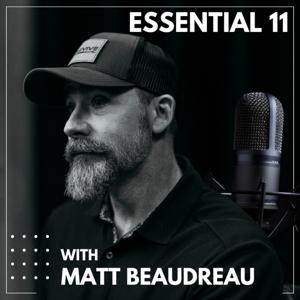


Maintaining equilibrium among work, self-improvement, and family commitments is crucial for a fulfilling life. Balancing professional development, personal well-being, and quality time with loved ones nurtures a sense of harmony and contentment. Embracing this harmony fosters resilience and strengthens relationships, enriching both personal and professional spheres.
Kyle Kingsbury shares his experiences transitioning from football to mixed martial arts and dealing with addiction and depression. Through fighting, he learned about performance, longevity, and mental well-being. But after starting a family, he realized he needed a more stable career that allowed him to be present. Join in as young leaders pose inquiries about life, personal development, and beyond!
Quotes:
Takeaways:
Conclusion:
Prioritizing family, personal growth, and meaningful connections fosters long-term fulfillment and well-being. Aligning career choices with values and purpose, involving children in meaningful activities, and practicing daily mindfulness contribute to a balanced and satisfying life. Breaking goals into small, consistent steps ensures steady progress and sustainability over time.
Building a solid foundation requires consistent discipline rather than relying on fleeting bursts of motivation. By prioritizing daily habits and routines, individuals can achieve sustainable progress towards their goals. Embracing discipline cultivates resilience, perseverance, and long-term success, ensuring that aspirations are not derailed by temporary fluctuations in motivation.
Joseph McCormick discusses the importance of laying a strong foundation through discipline over short-lived motivation. How to prioritize tasks each day and achieve balance across relationships, career and finances. And why developing confidence through physical challenges can help you stand up for others without proving yourself through aggression. Join in as young leaders pose inquiries about life, personal development, and beyond!
Quotes:
Takeaways:
Conclusion:
Achieving success and making a meaningful impact requires a commitment to discipline, persistence, and maintaining focus on long-term goals. Confidence, derived from overcoming challenges and inner growth, plays a pivotal role in this. Additionally, prioritizing tasks, maintaining balance across various life domains, and seeking mentorship are essential for productivity and personal well-being. By overcoming obstacles with hard work and then sharing those experiences to uplift others, individuals can continue to grow personally and make a positive impact in their communities.
Moving from being a pro athlete to an everyday life can be a big change. People often see the fame of sports, but not the hard parts of retirement. When an athlete's career ends, they have to figure out who they are without sports. They lose a routine, the thrill of competing, and sometimes friends. They have to find new goals, set up different daily habits, and deal with not being famous anymore.
Brian Urlacher shares his experiences with retirement and maintaining an active lifestyle. He talks about the importance of family, education, and staying connected through sports, and his transition from professional football to civilian life. Tune in as young leaders ask questions about life, personal growth, entrepreneurship, and more!
Quotes:
Takeaways:
Conclusion:
The transition from professional sports to everyday life presents significant challenges for athletes, such as redefining personal identity, finding new purposes, adjusting to a different routine, and managing the psychological impact of leaving the limelight; find new careers, manage finances without a steady sports income, and maintain physical health outside of a sports regimen. Mental health cannot be overlooked as they often experience a sense of loss, missing the comradeship and clear objectives that sports provided. It’s important to have a strong support network, staying grounded, discovering new passions, and embracing new experiences.
Strengthening character and integrity is a journey shaped by community involvement, personal trials, and compassionate support for others. By actively engaging in community initiatives, facing personal challenges head-on, and offering a helping hand to those in need, individuals cultivate resilience and empathy. This commitment to growth and service not only shapes one's character but also fosters a deeper sense of connection and purpose in life.
Cam Hall discusses the challenges of developing identity without the crutch of sports, overcoming health issues and difficult family circumstances, and finding purpose through mentorship. He also shares lessons learned from his experiences in education and parenting, emphasizing the importance of being intentional in relationships. Join in as young leaders pose inquiries about life, personal development, and beyond!
Quotes:
Takeaways:
Conclusion:
Building integrity means consistently aligning your actions with your values, despite imperfections. To prioritize personal growth and connections over digital distractions, set boundaries on screen time, make time for loved ones regularly, and practice mindfulness to stay present. It's about recognizing the importance of both personal development and nurturing relationships in fostering a balanced and fulfilling life.
Are you struggling to find purpose and fulfillment in your work and personal life? Young teenagers and adults are going through this phase—they are constantly on a journey to discover their identity and purpose. To overcome this challenge, people must pursue the passion in their hearts and find fulfillment in using their honed unique skills to help others. Let go of your fears and transform for the betterment of you, your family, and the world!
Sean Donohue, a parenting coach and author, shares powerful insights on overcoming these universal struggles from his own journey of discovering his calling to insights gained from decades of coaching families. Join us as we tackle issues like defining masculinity, building intimacy with teens, and healing adversity through empathy. Tune in as men ask questions about life, personal growth, leadership, parenting, and more!
Quotes:
Takeaways:
Conclusion:
By following what we love and helping others, nurturing our connections, and facing obstacles with care, we discover a meaningful direction for ourselves and those around us. Even when things are unclear, we progress with resilience. Nobody's flawless, yet our real strength shines when we're open, understanding, and always eager to grow.
Gender roles, or the expected ways of behaving based on whether someone is a man or a woman, have had a big influence on people's behavior in society and personal relationships. They've often guided tasks at home and how people should show their feelings, typically reinforcing the differences between "manly" and "womanly." Nowadays, people often question these old roles, especially when talking about personal identity, mental health, and how people relate to each other.
Martine De Lune shares insights on gender roles and the dynamics of relationships. She addresses the biological and societal influences on femininity and masculinity, empowering women to embrace their natural attributes and understand the impact on their personal and professional lives. Tune in as young leaders ask questions about life, personal growth, entrepreneurship, and more!
Quotes:
"Femininity is not a costume. It's not a dress, it's not makeup, it's not heels. It's how you feel about yourself, how vulnerable you are." – Martine De Lune
"Biologically, males don't need females; they don't need to choose them. They have to desire them; they have to feel like they need them. Many women don't understand this and are often triggered by it." – Martine De Lune
"A woman is the essence of the relationship. If your essence feels brittle, sticky, and muddy, your children will reflect that back to you, and your husband will feel it, even if you don't say it." – Martine De Lune
Takeaways:
Embrace the beauty of both masculinity and femininity from a biological perspective. Using self-awareness practices like journaling can help us recognize where we stand on this spectrum.
Open and respectful communication with our partners is key. Talking about our feelings, needs, and dynamics of our relationships, such as finances, can help prevent any conflicts arising from unmet needs. It’s okay to be vulnerable and show our emotions while still showing respect.
Offer support for the unique biological needs of women, including those related to hormones, menstruation, pregnancy, and parenting.
By being proactive, like getting hormonal testing, we can validate our perceptions around relationships and well-being. This leads to a better understanding of ourselves and how we manage our relationships.
Face and address our internal triggers that can negatively affect relationships. Striving to perceive our partners in a way that aligns with their biological drives can make a world of difference.
Conclusion:
Understanding and embracing masculine and feminine characteristics can lead to better self-awareness and healthier relationships. Open, respectful communication about needs and feelings is crucial in preventing conflicts. Recognizing that we all have different physical needs, especially women, and dealing with our personal issues can improve our relationships. In the end, respecting our natural inclinations while understanding our emotions and making personal choices can help us break old-fashioned rules and make our relationships happier.
Resilience means being able to recover from tough times or stress. It's not just about going back to how things were before, but also about growing as a person. When we talk about personal growth, resilience is all about adapting and doing well even when things are hard.
Paul Damon shares his life experiences, lessons, and advice to future leaders, highlighting the pivotal role of resilience and self-awareness in overcoming adversity. From his early years in the southern U.S. to his time in the military and subsequent personal struggles, Paul's journey embodies the transformational power of mindfulness and holistic living. Tune in as young leaders ask questions about life, personal growth, entrepreneurship, and more!
Quotes:
Takeaways:
Conclusion:
Resilience means changing tough times into chances to grow. You can do this by understanding yourself, staying positive, sticking to your beliefs, meditating, exercising, and being outdoors. Getting through health problems holistically can help you and others around you by sharing what you've learned. Resilience is a journey that can make life more rewarding.
Education reform, which often comes up in political and social talks, is crucial for matching the changing needs of our society. People pushing for changes in education say that these old methods don't consider the different needs of students and don't prepare students well enough for jobs or starting their own businesses. A big part of making schools better is having more job training programs.
Larry Sharpe shares his life experiences, lessons, and advice to future leaders. Explore the importance of community and personal purpose in shaping one's path. Discuss the impacts of political and educational systems on societal progress. Tune in as young leaders ask questions about life, personal growth, entrepreneurship, and more!
Quotes:
Takeaways:
Conclusion:
Third-party candidates in U.S. elections show the country's commitment to democracy and highlight the need for various political voices and views. Even though they often face challenges like getting on the ballot and finding funds, they do more than aim to win elections. For voters, backing third-party candidates can strongly show dissatisfaction with current politics and push for change. In the end, every vote matters. Supporting a third-party candidate is a protest and a step towards improving political conversation.
Ever wondered how your family and personal struggles influence who you are? Don't worry, you're not alone. Many people find that accepting their heritage and personal challenges can lead to growth and newfound strength. This isn't just about understanding your past. It's a journey of self-discovery that helps you understand your strengths and guides your future. It's about taking control of your life and shaping your destiny.
Chris Nastasi shares his life experiences, lessons, and advice to future leaders, highlighting the importance of resilience and self-awareness derived from his diverse background and challenging personal journeys. He talks about the importance of being resilient and self-aware, things he learned from his varied background and personal challenges. His stories cover his experiences with dyslexia, sports, military training, and family influences. These stories give valuable lessons on overcoming hardships and using your natural abilities. Join in as young leaders ask about life, personal development, starting a business, and more!
Quotes:
Takeaways:
Conclusion:
It's important to take on challenges and step out of our comfort zones because this helps build self-confidence and enhance our natural skills. Supportive relationships and being aware of our feelings can also help us in tough situations and when making important choices. There will always be a need for knowing yourself, being ready, and always improving. These help you do well in important situations and make a big difference in your personal and professional life.
Integrating functional training principles into fatherhood and leadership development promotes personal growth by emphasizing quality movement patterns and habit formation. Prioritizing qualitative enhancements over quantitative achievements helps build resilience and adaptability in both physical and personal domains. Embracing this approach boosts well-being and empowers individuals to lead by example, inspiring others to pursue holistic growth.
Judd Lienhard discusses his approach to functional training focused on utilizing basic movements effectively through an understanding of physics and the body's movement patterns. He also shares lessons learned from his experience as an athlete and father about developing strength from within and prioritizing one's family above all other goals. Join in as young leaders pose inquiries about life, personal development, and beyond!
Quotes:
Takeaways:
Conclusion:
In short, integrating functional training principles into fatherhood and leadership prioritizes quality, promoting resilience and adaptability. Judd underscores the significance of grasping movement patterns and valuing family, sparking holistic growth and well-being. By concentrating on improving movement quality and establishing a solid base, individuals can set an example and encourage others to seek personal growth.
From the publisher's feed
26,133 Listeners

8,915 Listeners

30,714 Listeners

32,759 Listeners

14,026 Listeners

2,290 Listeners
1,563 Listeners

872 Listeners

65,352 Listeners

46,021 Listeners

14,678 Listeners

28,976 Listeners

632 Listeners

1,224 Listeners

935 Listeners