Blindsight
Download on the App Store

Blindsight episodes

  • Blindsight — Phoenix: Ashley’s Rise After Darkness
    In this powerful episode of Blindsight, host Bill Lundgren speaks with Ashley, a survivor whose journey through trauma, depression, and blindness has forged a message of resilience and rebirth. Ashley opens up about her early struggles with family instability, mental illness, and a life-changing suicide attempt that left her blind but ultimately set her on a path toward self-discovery and purpose.
    She discusses the process of rebuilding her life after losing her sight, finding independence at Perkins School for the Blind, and redefining strength through the metaphor of the Phoenix—rising renewed from her own ashes. Ashley and Bill explore themes of mental health, self-foundation, interdependence, and the delicate balance between support and autonomy for people who are blind.
    This episode is a raw and inspiring reminder that healing begins when we stop hiding from the fire and start walking through it.
    Contact Information
    Guest: Ashley — Mental Health Advocate & Public Speaker
    Organization: Perkins School for the Blind
    Host: Bill Lundgren
    Producer: Jonathan Price
    Podcast Network: Aftersight
    📩 For Resources or Questions: [email protected]
    ☎️ If You or Someone You Know Is Struggling: Dial 988 (Suicide & Crisis Lifeline)
    🌐 Learn More: www.aftersight.org
    Show Credits
    Host: Bill Lundgren
    Guest: Ashley
    Producer: Jonathan Price
    Audio Production: Aftersight Studios
    Presented by: Aftersight — Empowering the Blind and Low-Vision Community
    Chapter Markers
    00:00 — Introduction and Content Warning
    01:00 — Ashley’s Early Life and Family Struggles
    05:00 — Mental Health and Early Depression
    07:00 — Trauma, Self-Harm, and Institutional Care
    09:00 — The Night of the Attempt
    13:00 — Waking Up Blind: A New Beginning
    16:00 — Recovery and Perkins School for the Blind
    18:00 — Becoming the Phoenix
    21:00 — Building a Foundation of Self
    25:00 — Learning Independence and Advocacy
    30:00 — Accepting Blindness and Teaching Others
    39:00 — Mental Health, Balance, and Support Systems
    46:00 — Lessons in Interdependence and Resilience
    49:00 — Steps Toward Healing and Moving Forward
    52:00 — Closing Thoughts and Crisis Resources
    53 min
  • Blindsight — Phoenix: Ashley’s Rise After Darkness
    In this powerful episode of Blindsight, host Bill Lundgren speaks with Ashley, a survivor whose journey through trauma, depression, and blindness has forged a message of resilience and rebirth. Ashley opens up about her early struggles with family instability, mental illness, and a life-changing suicide attempt that left her blind but ultimately set her on a path toward self-discovery and purpose.
    She discusses the process of rebuilding her life after losing her sight, finding independence at Perkins School for the Blind, and redefining strength through the metaphor of the Phoenix—rising renewed from her own ashes. Ashley and Bill explore themes of mental health, self-foundation, interdependence, and the delicate balance between support and autonomy for people who are blind.
    This episode is a raw and inspiring reminder that healing begins when we stop hiding from the fire and start walking through it.
    Contact Information
    Guest: Ashley — Mental Health Advocate & Public Speaker
    Organization: Perkins School for the Blind
    Host: Bill Lundgren
    Producer: Jonathan Price
    Podcast Network: Aftersight
    📩 For Resources or Questions: [email protected]
    ☎️ If You or Someone You Know Is Struggling: Dial 988 (Suicide & Crisis Lifeline)
    🌐 Learn More: www.aftersight.org
    Show Credits
    Host: Bill Lundgren
    Guest: Ashley
    Producer: Jonathan Price
    Audio Production: Aftersight Studios
    Presented by: Aftersight — Empowering the Blind and Low-Vision Community
    Chapter Markers
    00:00 — Introduction and Content Warning
    01:00 — Ashley’s Early Life and Family Struggles
    05:00 — Mental Health and Early Depression
    07:00 — Trauma, Self-Harm, and Institutional Care
    09:00 — The Night of the Attempt
    13:00 — Waking Up Blind: A New Beginning
    16:00 — Recovery and Perkins School for the Blind
    18:00 — Becoming the Phoenix
    21:00 — Building a Foundation of Self
    25:00 — Learning Independence and Advocacy
    30:00 — Accepting Blindness and Teaching Others
    39:00 — Mental Health, Balance, and Support Systems
    46:00 — Lessons in Interdependence and Resilience
    49:00 — Steps Toward Healing and Moving Forward
    52:00 — Closing Thoughts and Crisis Resources
    53 min
  • Pens, Pixels & Possibility: Writing Our Way Beyond Limits: Part 2 with Elyse Draper
    Bill Lundgren continues his deep-dive with author and publisher Elyse Draper, exploring how writing can serve as catharsis and empowerment for people with disabilities. They unpack the idea that adaptive technology is simply “tools for the job,” spotlight Elyse’s Super Abled children’s-story app and the VI&B Creatives Workshop, and demystify AI as a creative ally. Practical tips on memoir-style journaling, freewriting without self-censorship, and using AI platforms like Gemini round out an encouraging conversation on turning personal challenges into narrative strength.

    Contact Info
    Elyse Draper — Senior Editor, iPub Cloud
    Publishing House & Store: https://ipubcloud.org
    VI&B Creatives Workshop: https://viandbcreativesworkshop.com
    Super Abled App: https://super_abled.com

    Aftersight — Non-profit media network
    Phone: (720) 712-8856
    Podcasts & resources: https://aftersight.org/podcast
    Producer Credits: Jonathan Price — Podcast & Program Producer, Aftersight

    Show Credits
    Host: Bill Lundgren
    Guest: Elyse Draper
    Producer: Jonathan Price
    Recording & Post-Production: Aftersight Studios

    Chapter Markers
    00:00 Intro & Part 1 recap
    02:18 “Tools for the job” mindset
    04:44 Launching the Super Abled project
    07:05 First steps for therapeutic writing
    09:26 Introspection through speculative fiction
    11:53 Writing for yourself vs. an audience
    14:21 AI as a creativity partner
    16:29 How to reach Elyse & project links
    18:58 Storytelling, donations, and final takeaways
    20:25 Closing remarks

    22 min
  • Pens, Pixels & Possibility: Writing Our Way Beyond Limits: Part 2 with Elyse Draper
    Bill Lundgren continues his deep-dive with author and publisher Elyse Draper, exploring how writing can serve as catharsis and empowerment for people with disabilities. They unpack the idea that adaptive technology is simply “tools for the job,” spotlight Elyse’s Super Abled children’s-story app and the VI&B Creatives Workshop, and demystify AI as a creative ally. Practical tips on memoir-style journaling, freewriting without self-censorship, and using AI platforms like Gemini round out an encouraging conversation on turning personal challenges into narrative strength.

    Contact Info
    Elyse Draper — Senior Editor, iPub Cloud
    Publishing House & Store: https://ipubcloud.org
    VI&B Creatives Workshop: https://viandbcreativesworkshop.com
    Super Abled App: https://super_abled.com

    Aftersight — Non-profit media network
    Phone: (720) 712-8856
    Podcasts & resources: https://aftersight.org/podcast
    Producer Credits: Jonathan Price — Podcast & Program Producer, Aftersight

    Show Credits
    Host: Bill Lundgren
    Guest: Elyse Draper
    Producer: Jonathan Price
    Recording & Post-Production: Aftersight Studios

    Chapter Markers
    00:00 Intro & Part 1 recap
    02:18 “Tools for the job” mindset
    04:44 Launching the Super Abled project
    07:05 First steps for therapeutic writing
    09:26 Introspection through speculative fiction
    11:53 Writing for yourself vs. an audience
    14:21 AI as a creativity partner
    16:29 How to reach Elyse & project links
    18:58 Storytelling, donations, and final takeaways
    20:25 Closing remarks

    22 min
  • Writing Through the Darkness: Creativity, Mental Health, and Vision Loss (Part 1)
    In this emotionally powerful Part 1 episode of Blindsight, Bill Lundgren sits down with Elyse Draper—author, illustrator, and founder of the VI&B Creatives Workshop. Elyse shares her incredible journey from visual artist to writer, and how the onset of vision loss reshaped her life, family dynamics, and identity. Through raw stories of grief, mental health challenges, and creative survival, Elyse invites listeners into a deeper understanding of how art can be a lifeline. The episode explores the origins of VI&B, the importance of peer support in the blind community, and how writing can offer both healing and purpose.
    Come back next week for Part 2 of this inspiring conversation.
    At the end of the episode, Jonathan Price shares details about the upcoming Audio Trekkers Hike on September 13th—an inclusive outdoor experience for the blind and low-vision community and their supporters.

    📞 Contact Information
    Aftersight Website: https://aftersight.org
    Hike Details: https://aftersight.org/hike
    Phone: (720) 712-8856

    ⏱️ Chapter Markers
    00:00 – Welcome to Blindsight
    01:30 – Elyse’s journey from visual arts to writing
    04:45 – Diagnosis, grief, and writing as catharsis
    09:25 – Building VI&B: A platform for blind creatives
    13:15 – Blindness and the new language of art
    18:20 – Accessibility innovations driven by disability
    23:00 – Career gaps for creatives with disabilities
    27:45 – Hike announcement and closing remarks

    31 min
  • Writing Through the Darkness: Creativity, Mental Health, and Vision Loss (Part 1)
    In this emotionally powerful Part 1 episode of Blindsight, Bill Lundgren sits down with Elyse Draper—author, illustrator, and founder of the VI&B Creatives Workshop. Elyse shares her incredible journey from visual artist to writer, and how the onset of vision loss reshaped her life, family dynamics, and identity. Through raw stories of grief, mental health challenges, and creative survival, Elyse invites listeners into a deeper understanding of how art can be a lifeline. The episode explores the origins of VI&B, the importance of peer support in the blind community, and how writing can offer both healing and purpose.
    Come back next week for Part 2 of this inspiring conversation.
    At the end of the episode, Jonathan Price shares details about the upcoming Audio Trekkers Hike on September 13th—an inclusive outdoor experience for the blind and low-vision community and their supporters.

    📞 Contact Information
    Aftersight Website: https://aftersight.org
    Hike Details: https://aftersight.org/hike
    Phone: (720) 712-8856

    ⏱️ Chapter Markers
    00:00 – Welcome to Blindsight
    01:30 – Elyse’s journey from visual arts to writing
    04:45 – Diagnosis, grief, and writing as catharsis
    09:25 – Building VI&B: A platform for blind creatives
    13:15 – Blindness and the new language of art
    18:20 – Accessibility innovations driven by disability
    23:00 – Career gaps for creatives with disabilities
    27:45 – Hike announcement and closing remarks

    31 min
  • A is For Anger
    Bill and Samantha unpack the stigma around anger and the broader emotional experience for people with low vision or blindness. Samantha shares her unconventional entry into vision-loss counseling through the Tampa Lighthouse for the Blind, emphasizes that clients with low vision are “just people,” and highlights grief as a common—but not universal—theme. Together they challenge prejudices (sighted vs. blind therapists), explore the “anger umbrella” of nuanced emotions, and offer concrete techniques for naming, expressing, and managing feelings—especially when visual cues are absent. The conversation closes with practical strategies: emotional granularity (using an “emotion wheel”), clear verbal check‑ins (“What’s happening in the room?”), and personalized coping routines (naming the feeling, walking away, sensory resets).

    Key Themes:
    Grief and loss in vision change
    Bias toward/against blind or sighted therapists
    Anger as an umbrella emotion vs. specific labels
    Gender and family conditioning around emotion
    Teaching children emotional language early
    Safety and expressing anger without visual feedback
    Coping strategies: name it, take space, regulate
    Emotional granularity & the Emotion Wheel
    Therapy as education: “You don’t know what you don’t know”

    Actionable Tips:
    Name precisely: Go beyond “angry” to “hurt,” “threatened,” “frustrated,” etc.
    State & step back: “I’m angry; I need 30 minutes. I’ll come back.”
    Ask for context: If you can’t see reactions, verbalize: “What’s happening in the room? How are you feeling?”
    Build a coping menu: Music, walk, shower, time with guide dog—experiment and codify what works.
    Use an Emotion Wheel: Improves emotional regulation and communication.

    Guest Contact:
    Website: https://tideschangingtherapy.com
    Instagram: @tideschangingtherapy
    Aftersight Feedback / Inquiries: [email protected]

    Disclaimer: This episode is for educational purposes only and is not a substitute for professional medical or mental health advice.

    2. Chapter Markers (mm:ss – one line each)
    00:00 – Intro & Welcome
    01:00 – Samantha’s Path: Tampa Lighthouse & Finding a Calling
    02:14 – Serving Clients in Florida and Colorado
    04:16 – “Same People, Different Experiences”: Grief & Vision Loss
    06:43 – Bias Toward Sighted vs. Blind Therapists
    08:35 – Challenging Prejudice and Affirming Capability
    10:54 – Setting Up Today’s Focus: Anger
    12:34 – Defining Anger & The Umbrella of Emotions
    14:44 – Gender, Family Messages, and Suppressed Feelings
    16:59 – Teaching Emotional Language to Children
    19:27 – Expressing Anger Safely with Limited Visual Cues
    21:52 – Coping Strategies: Naming, Walking Away, Reset
    24:14 – Anger ≠ Aggression: Normalizing the Feeling
    26:13 – Navigating Others’ Reactions Without Sight
    28:43 – Communication: “What’s Going On in the Room?”
    29:52 – Therapy, Learning, and Transforming Patterns
    32:01 – Emotional Granularity & The Emotion Wheel
    34:25 – From Core Emotions to Nuanced Expression
    36:49 – Reframing Emotions: We Feel Before We Think
    39:16 – Practical Tips & Verbal Validation
    41:43 – Guest Contact Info, Wrap‑Up & Closing

    44 min
  • A is For Anger
    Bill and Samantha unpack the stigma around anger and the broader emotional experience for people with low vision or blindness. Samantha shares her unconventional entry into vision-loss counseling through the Tampa Lighthouse for the Blind, emphasizes that clients with low vision are “just people,” and highlights grief as a common—but not universal—theme. Together they challenge prejudices (sighted vs. blind therapists), explore the “anger umbrella” of nuanced emotions, and offer concrete techniques for naming, expressing, and managing feelings—especially when visual cues are absent. The conversation closes with practical strategies: emotional granularity (using an “emotion wheel”), clear verbal check‑ins (“What’s happening in the room?”), and personalized coping routines (naming the feeling, walking away, sensory resets).

    Key Themes:
    Grief and loss in vision change
    Bias toward/against blind or sighted therapists
    Anger as an umbrella emotion vs. specific labels
    Gender and family conditioning around emotion
    Teaching children emotional language early
    Safety and expressing anger without visual feedback
    Coping strategies: name it, take space, regulate
    Emotional granularity & the Emotion Wheel
    Therapy as education: “You don’t know what you don’t know”

    Actionable Tips:
    Name precisely: Go beyond “angry” to “hurt,” “threatened,” “frustrated,” etc.
    State & step back: “I’m angry; I need 30 minutes. I’ll come back.”
    Ask for context: If you can’t see reactions, verbalize: “What’s happening in the room? How are you feeling?”
    Build a coping menu: Music, walk, shower, time with guide dog—experiment and codify what works.
    Use an Emotion Wheel: Improves emotional regulation and communication.

    Guest Contact:
    Website: https://tideschangingtherapy.com
    Instagram: @tideschangingtherapy
    Aftersight Feedback / Inquiries: [email protected]

    Disclaimer: This episode is for educational purposes only and is not a substitute for professional medical or mental health advice.

    2. Chapter Markers (mm:ss – one line each)
    00:00 – Intro & Welcome
    01:00 – Samantha’s Path: Tampa Lighthouse & Finding a Calling
    02:14 – Serving Clients in Florida and Colorado
    04:16 – “Same People, Different Experiences”: Grief & Vision Loss
    06:43 – Bias Toward Sighted vs. Blind Therapists
    08:35 – Challenging Prejudice and Affirming Capability
    10:54 – Setting Up Today’s Focus: Anger
    12:34 – Defining Anger & The Umbrella of Emotions
    14:44 – Gender, Family Messages, and Suppressed Feelings
    16:59 – Teaching Emotional Language to Children
    19:27 – Expressing Anger Safely with Limited Visual Cues
    21:52 – Coping Strategies: Naming, Walking Away, Reset
    24:14 – Anger ≠ Aggression: Normalizing the Feeling
    26:13 – Navigating Others’ Reactions Without Sight
    28:43 – Communication: “What’s Going On in the Room?”
    29:52 – Therapy, Learning, and Transforming Patterns
    32:01 – Emotional Granularity & The Emotion Wheel
    34:25 – From Core Emotions to Nuanced Expression
    36:49 – Reframing Emotions: We Feel Before We Think
    39:16 – Practical Tips & Verbal Validation
    41:43 – Guest Contact Info, Wrap‑Up & Closing

    44 min
  • S is for sadness
    In this honest and emotionally vulnerable episode of Blindsight, host Bill Lundgren sits down with therapist and guide dog user Darran Zenger for a heartfelt discussion on one of our most avoided emotions—sadness.
    Darran opens up about preparing to say goodbye to his beloved guide dog, sharing what it’s like to sit in the rawness of grief while still showing up with empathy and presence. Bill reflects on the loss of his own father and the misguided emotional norms he grew up with, particularly the message that “men don’t cry.”

    Together, they unpack:
    The nature of sadness as neither good nor bad
    The toxic cultural expectations—especially for men—to suppress emotion
    The difference between sadness and depression
    How suppressed grief can manifest as anger or even violence
    Practical tools for navigating sadness: music, movement, journaling, reaching out, and community
    Whether you're grieving, caring for someone who is, or just trying to understand your own emotions better, this episode is a powerful invitation to feel more deeply and heal more fully.

    Chapter Markers
    00:00 – Opening: Mental health is not a luxury
    01:05 – Introducing sadness: it’s not good or bad, it just is
    02:24 – Bill’s personal story about emotional suppression
    04:05 – Darran’s guide dog and sitting with loss
    07:00 – The masculine pressure to suppress emotion
    09:30 – The cost of unprocessed sadness
    11:58 – Toxic positivity and being told to “buckle up”
    14:27 – The need for empathy over solutions
    16:37 – Sadness vs. depression: how to tell the difference
    20:36 – What sadness looks like in daily life
    22:00 – Music, movement, and peanut butter: self-care ideas
    25:24 – Writing and drawing as emotional processing tools
    26:56 – The power of bilateral stimulation and nature walks
    29:13 – Medication, sleep, and the role of therapy
    31:17 – Group therapy and peer support for grief
    33:38 – Final thoughts: it’s okay to feel
    35:58 – Next time on Blindsight: “A is for Anger”

    38 min
  • S is for sadness
    In this honest and emotionally vulnerable episode of Blindsight, host Bill Lundgren sits down with therapist and guide dog user Darran Zenger for a heartfelt discussion on one of our most avoided emotions—sadness.
    Darran opens up about preparing to say goodbye to his beloved guide dog, sharing what it’s like to sit in the rawness of grief while still showing up with empathy and presence. Bill reflects on the loss of his own father and the misguided emotional norms he grew up with, particularly the message that “men don’t cry.”

    Together, they unpack:
    The nature of sadness as neither good nor bad
    The toxic cultural expectations—especially for men—to suppress emotion
    The difference between sadness and depression
    How suppressed grief can manifest as anger or even violence
    Practical tools for navigating sadness: music, movement, journaling, reaching out, and community
    Whether you're grieving, caring for someone who is, or just trying to understand your own emotions better, this episode is a powerful invitation to feel more deeply and heal more fully.

    Chapter Markers
    00:00 – Opening: Mental health is not a luxury
    01:05 – Introducing sadness: it’s not good or bad, it just is
    02:24 – Bill’s personal story about emotional suppression
    04:05 – Darran’s guide dog and sitting with loss
    07:00 – The masculine pressure to suppress emotion
    09:30 – The cost of unprocessed sadness
    11:58 – Toxic positivity and being told to “buckle up”
    14:27 – The need for empathy over solutions
    16:37 – Sadness vs. depression: how to tell the difference
    20:36 – What sadness looks like in daily life
    22:00 – Music, movement, and peanut butter: self-care ideas
    25:24 – Writing and drawing as emotional processing tools
    26:56 – The power of bilateral stimulation and nature walks
    29:13 – Medication, sleep, and the role of therapy
    31:17 – Group therapy and peer support for grief
    33:38 – Final thoughts: it’s okay to feel
    35:58 – Next time on Blindsight: “A is for Anger”

    38 min

About Blindsight

From the publisher's feed

Blindsight explores life through a different lens—sharing real conversations at the intersection of blindness, mental health, relationships, and personal growth. Hosted by Bill Lundgren, each episode spotlights lived experience, hard-won resilience, and the moments people don’t always know how to talk about out loud. From navigating family dynamics and identity to battling anxiety, depression, or addiction—and finding traction again—Blindsight makes space for honesty, hope, and practical perspective. With compelling guests and real-life stories, it’s a podcast for anyone who wants to understand more deeply, feel less alone, and keep moving forward—one brave conversation at a time.

More shows like Blindsight

No Entries by Aftersight

No Entries

1 Listeners

High Country News by Aftersight

High Country News

2 Listeners

The Christian Science Monitor by Aftersight

The Christian Science Monitor

3 Listeners

Opera News by Aftersight

Opera News

1 Listeners

Colorado Kitchen Stories by Aftersight

Colorado Kitchen Stories

1 Listeners

Denver Urban Spectrum by Aftersight

Denver Urban Spectrum

3 Listeners

Prairie Times by Aftersight

Prairie Times

1 Listeners

No Entries by Aftersight

No Entries

1 Listeners

50 Plus Marketplace FrontRange by Aftersight

50 Plus Marketplace FrontRange

1 Listeners

No Entries by Aftersight

No Entries

1 Listeners

National Geographic en Español by Aftersight

National Geographic en Español

15 Listeners

No Entries by Aftersight

No Entries

1 Listeners

No Entries by Aftersight

No Entries

1 Listeners

Commerce City Connected by Aftersight

Commerce City Connected

0 Listeners

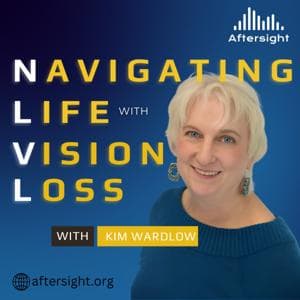
Navigating Life with Vision Loss by Aftersight

Navigating Life with Vision Loss

5 Listeners

No Entries by Aftersight

No Entries

0 Listeners

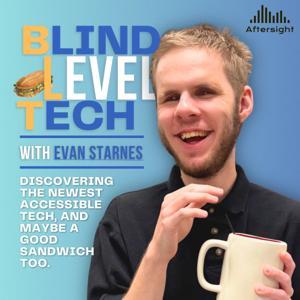
Blind Level Tech by Aftersight

Blind Level Tech

15 Listeners

No Entries by Aftersight

No Entries

0 Listeners

No Entries by Aftersight

No Entries

0 Listeners

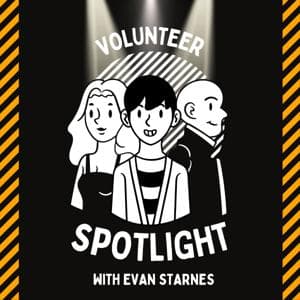
Volunteer Spotlight by Aftersight

Volunteer Spotlight

0 Listeners