
Sign up to save your podcasts
Or

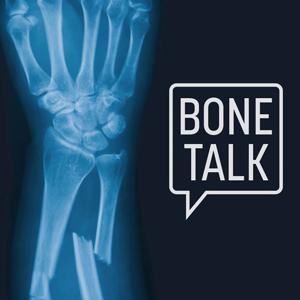


Episode 32: Learning Resilience With Mark McEwen
In this episode of BoneTalk, National Osteoporosis Foundation (NOF) Trustee Barbara Hannah Grufferman is joined by longtime friend, Mark McEwen, to talk about the power of resilience when it comes to matters of the body and mind. You’ll be inspired by learning about all that Mark has done and how he’s overcome his health challenges. You’ll also hear about Barbara’s personal story and the events that motivated her to connect with NOF. Like many women, she was not aware of the loss of bone density until she had an accident. The resulting injury and subsequent treatment was just the beginning of her story. Both Barbara and Mark share insights into how they approach challenges to lead impactful and fulfilling lives!
Meet Mark
Mark McEwen has achieved a success most people only dream about and became one of America’s most trusted newsmen. He became synonymous with morning news during his time at CBS.
For over 15 years at CBS, Mark served in a variety of high-profile positions, including anchor of CBS This Morning for three years. He is perhaps best known as the weatherman and entertainment reporter for The Early Show.
From The Morning Program to CBS This Morning to The Early Show, Mark was a mainstay on the CBS early news since first joining the network. He snagged a Who’s Who of big interviews, including five Presidents, Academy Award winners, musicians and athletes.
After being on the network, Mark moved to Orlando to anchor the local news and spend more time with his family. Mark was at the top of his game when he suffered a stroke. Recovering from that stroke has brought Mark to where he is today.
A Stroke Survivor
In 2005, at the height of his career, Mark suffered a stroke, and everything changed. He was initially misdiagnosed and a few days later, on a flight home, he had a massive stroke. He was not aware of any signals or early signs related to potential health concerns surrounding strokes.
Today’s conversation is about his health journey. He stresses the need for prevention, so you don’t have to experience a setback. Mark credits his success in recovery to his willingness to face the challenge in front of him and do what it took to regain his strength.
Everyone is Dealing With Something
Mark’s positive outlook is contagious. He reminds us that we are not alone. Surround yourself with people who can help you and be there for others when you can. Mark and Barbara, both optimists, talk about resilience and how to embrace life with a positive, life-affirming outlook.
EPISODE RESOURCES:
MarkMcEwen.com
Black News Channel: “All Things Men” Hosted by Mark McEwen
Mark McEwen’s “Live Your Dreams” Ted Talk
Change in the Weather: Life After Stroke by Mark McEwen
BarbaraHannahGrufferman.com
A Tale of Two Falls — How a Healthy Lifestyle Stopped a Fracture in Its Tracks
Share Your Story
Episode 31: Why Exercise is Healthy and Rewarding (and what to do if it’s not your thing)
In this episode of BoneTalk, NOF Trustee Barbara Hannah Grufferman is joined by Dr. Daniel Lieberman, author of “Exercised: Why Something We Never Evolved to Do is Healthy and Rewarding.” Dr. Lieberman, professor of human evolutionary biology at Harvard University and a pioneering researcher on the evolution of human physical activity, tells the story of how humans never evolved to exercise – to do voluntary physical activity just for the sake of better health.
The concept of exercise is relatively new in the human story and if you’re not excited to exercise, it’s understandable. Throughout the course of history, physical labor was very much a part of everyday life, but modern conveniences have contributed to decreases in physical activity and we must now choose to exert energy for the sake of our health and well-being.
Dr. Daniel Lieberman is the Edwin M. Lerner II Professor of Biological Sciences at Harvard University. He received degrees from Harvard and Cambridge and taught at Rutgers University and George Washington University before joining Harvard University as a Professor in 2001. Dr. Lieberman studies and teaches how and why the human body is the way it is, and how our evolutionary history affects health and disease. In his research he combines experimental biomechanics, anatomy, and physiology both in the lab and in the field (primarily Kenya and Mexico). He is best known for his work on the evolution of running and other kinds of physical activities such as walking and throwing, but is also well known for studying the evolution of the human head. Dr. Lieberman loves teaching and has published over 150 peer-reviewed papers, many in journals such as Nature, Science, and PNAS, as well as three popular books, The Evolution of the Human Head (2011), The Story of the Human Body: Evolution, Health and Disease (2013), and Exercised: Why Something We Never Evolved to Do is Healthy and Rewarding (2020).
EPISODE RESOURCES:
Dr. Daniel Lieberman, Edwin M. Lerner II Professor of Biological Sciences at Harvard University
Exercised: Why Something We Never Evolved to Do Is Healthy and Rewarding
Exercise to Stay Healthy
Barbara Hannah Grufferman, Author, Speaker, Healthy Aging Consultant and Bone Health Ambassador for the
Episode 30: BHOF’s Online Support Community, Hosted by Inspire
An osteoporosis diagnosis can be scary and perhaps overwhelming. Whether you or a loved one has been affected, it can often be an emotional journey that requires a shift in perspective and lifestyle changes. Where do you turn for help? Here at the Bone Health & Osteoporosis Foundation (formerly the National Osteoporosis Foundation), our online support community, hosted by Inspire, is over sixty thousand members strong. In this episode of Bone Talk, we are joined by two of our community volunteer moderators, Pam Flores and Sarah Purcell. Pam and Sarah share some of their own osteoporosis experiences and how the BHOF online peer-to-peer community can help you find answers and support.
Pam Flores is a patient educator and digital health writer who worked for Remedy Health Media on their osteoporosis website from 2008 to 2017. Pam started out with established osteoporosis, which was detected at age 32, and improved her bone mass greatly with an osteoporosis medication, diet, supplements, and exercises. Pam likes to keep up on new treatments by researching osteoporosis through clinical trials and medical articles and hopes that her work with BHOF’s online community will bring assistance to the newly diagnosed, as well as to patients who are already in the process of finding and implementing treatments for bone loss.
Sarah Purcell’s journey through menopause, and osteoporosis diagnosis in 2016, guided her to support women across the globe with healthy and empowered aging. Sarah is a movement teacher whose work includes Pilates and yoga certifications as well as functional movement and strength training. Sarah leads an online Bone Boot Camp, an at-home strength training program for women with low bone density. Sarah’s passion is to help women like herself who are dealing with a low bone density diagnosis and are seeking natural pathways to live a full and active life.
EPISODE RESOURCES:
The Bone Health & Osteoporosis Foundation Support Community, Hosted by Inspire
Pam Flores, HealthCentral Lead Writer
Sarah Purcell Movement
Osteoporosis Support Resources
BHOF Osteoporosis Resource Library
BHOF Patient Support Information
Episode 29: Menopause: How It Can Affect Your Body and Your Bone Health
Dr. Heather Johnson
On this episode of Bone Talk, Dr. Heather Johnson, an actively practicing gynecologist in the Washington, DC, metropolitan area, joins Claire Gill, CEO of the National Osteoporosis Foundation, to talk about how changes that occur in the body due to menopause can affect our bone health. For example, the loss of estrogen impacts our bodies in a variety of ways. Bone is living and always growing in our body and estrogen (or the lack of) impacts the balance of breaking down and building up our bones.
In this episode you’ll also hear about:
How lactation and severe weight loss can lead to lower estrogen levels and bone loss.
How women having children into their 40’s are not always aware that menopause symptoms can begin in their 40’s as well.
Who you talk should to. Many OBGYN doctors are beginning to get more menopause-related information to their patients.
Family history and other health issues can impact bone health. Awareness is key in developing a plan that’s right for you.
Good bone health is often discounted in our younger years, but it’s something women can improve at any stage of life. Dr. Johnson encourages women to have a conversation with their doctor. It’s also important to review family history, your personal health concerns and lifestyle factors. Being proactive is one of the best steps to long-term bone health.
Dr. Heather Johnson is an actively practicing gynecologist in the Washington DC metropolitan area and recently retired as an obstetrician after delivering more than 3,500 babies over the course of forty years. She received her M.D. at Yale University of Medicine and completed her residency training in obstetrics and gynecology at Walter Reed Army Medical Center. Dr. Johnson is board certified in obstetrics and gynecology, as well as a fellow of the American College of Obstetrics and Gynecology. She also served in the US Army for eight years prior to going into private practice in 1987. She is the author of two books, What They Don't Tell You About Having a Baby and What They Don't Tell You About Menopause. For more information about Dr. Johnson and to read some of her pearls of wisdom, you can visit her website AskDrHeatherJohnson.com.
EPISODE RESOURCES:
Dr. Heather Johnson: askdrhealtherjohnson.com
Dr. J’s Menopause Pearls
What They Don’t Tell You About Menopause: A Gynecologist’s Unofficial Guide to Premenopausal, Perimenopausal and Postmenopausal Life
What Women Need to Know About Osteoporosis
Prevention and Healthy Living
Episode 28: Nutrition Tips for Maximizing Bone Health
Heidi Skolnik
March is National Nutrition Month, an excellent opportunity to review how our diet affects our bone health. You can learn to make healthier meal choices every day by understanding how to incorporate foods that are rich in calcium, vitamin D and other essential nutrients into your diet.
Heidi Skolnik is a national nutrition expert and former NOF board member. Heidi has influenced millions through her media work, writing and thriving consulting business. She has been part of The Women’s Sports Medicine Center at HSS in New York City for more than 20 years. Her company, Nutrition Conditioning, oversees the Performance Nutrition program at The Juilliard School and the School of American Ballet and she has consulted with numerous Broadway shows. Heidi has also previously worked with the New York Knicks, New York Giants and New York Mets, as well as Olympic, collegiate, high school and recreational athletes. Heidi served on the board of The National Osteoporosis Foundation for 10 years and has co-authored 3 books including Nutrient Timing for Peak Performance; the right food, the right time, the right results.
EPISODE RESOURCES:
Heidi Skolnik, MS, CDN, FACSM
Your Guide to a Bone Healthy Diet
Nutrition for Bone Health
Calcium and Vitamin D
Bone Healthy Ingredients
Bone Healthy Recipes
Episode 27: Developing a Bone-Health Action Plan
Theresa Reagan
Last fall, Theresa Reagan shared her story with us on the Bone Talk blog as part of our Voices of Osteoporosis initiative. Throughout her life, she has tackled many health challenges related to her fertility and ovaries, while also trying to stay focused on her overall wellness, including her bone health. After years of managing a consistent health regimen that included things like good nutrition, appropriate supplements and regular exercise, Theresa found out this past fall that she has osteoporosis. While she allowed herself the space to feel sad and upset, she also quickly made up her mind to take this challenge head on. As we start the new year, we can’t help but feel inspired by her optimism, focus and dedication to finding a positive path forward. We are so pleased to have her with us on this episode of Bone Talk to share her story and tell us more about how she has been approaching her bone-health action plan for the future.
EPISODE RESOURCES:
Voices of Osteoporosis Profile: My Life Story: Ovaries vs Genetics, by Theresa Reagan
NOF/Inspire Support Group Community
NOF Patient Support Resources
Episode 26: Exercise, Safe Movement and Health Priorities in the New Year
Sherri Betz
In this episode of Bone Talk, we are pleased to welcome Sherri Betz, a member of the NOF Ambassadors Leadership Council. Sherri is a physical therapist, Pilates teacher, and geriatric certified specialist. She specializes in exercise for older adults and teaches community-based classes for osteoporosis, balance, and fall prevention. In the beginning of her career, she became inspired by a physical therapist she worked with which led her to pursue a degree in physical therapy.
The discussion begins with a focus on exercising for osteoporosis, which is highly recommended by Sherri. Exercise in this case is not just for the sake of the physical exercise and cardiovascular benefits, but also for maintenance and progression of health.
While walking is a great activity, it is not enough to build bone density. Sherri explains that dynamic impact is crucial to improving bone health. In addition to that, there is a correlation between back muscle strength and bone density of the spine. The stronger your back muscles are, the greater bone density you will likely have.
If you have osteoporosis, Sherri advises to avoid cycling or swimming because several studies have shown these exercises can actually deplete bone density. Walking or using a stair stepper are better options. While the foundations of yoga and Pilates are great, it’s important to remember that not all these exercises are safe for those with osteoporosis.
As we look towards the new year, it’s is an excellent time to emphasize the importance of exercise, nutrition, sleep, and reducing stress. Focusing on your health with these in mind will not only improve bone density, but also overall health.
Episode Resources:TheraPilates® (resources and online video classes)
About Sherri R. Betz, PT, DPT, GCS, CEEAA, NCPT
Safe Movement and Exercise Videos (direct link)
Safe Movement and Exercise Information and Videos (NOF page)
Exercise/Safe Movement
Exercise to Stay Healthy
Safe Pilates Flyer
Safe Yoga Flyer
Episode 25: Surprising Ways Menopause Affects Your Body
Menopause is a normal and natural experience that literally all women go through and in this episode we focus on why ‘all roads lead to menopause.’ Those roads are pretty crowded: In 1998 there were over 477 million postmenopausal women worldwide. By 2025, that number will be 1.1 billion.
Most women are familiar with the more common symptoms like hot flashes, sleepless nights and mood swings, but menopause is so much more than that. It changes everything, often in surprising ways. Dr. Mary Jane Minkin, a women’s health expert, joins us for a deep dive on how menopause affects women, head to toe, inside and out, in ways that most women don’t even think about.
Mary Jane Minkin, MD, is clinical professor in the Department of Obstetrics, Gynecology, and Reproductive Sciences at the Yale University School of Medicine, and has been in private practice in New Haven (CT) for more than 35 years. Dr. Minkin is board-certified in obstetrics and gynecology, and she practices at Yale-New Haven Hospital. She earned her medical degree from Yale Medical School and her undergraduate degree from Brown University.
She did both her internship and residency at Yale-New Haven Hospital, the former in internal medicine, the latter in obstetrics and gynecology. She is a fellow of the American Congress of Obstetricians and Gynecologists (FACOG), and has been a North American Menopause Society Certified Menopause Practitioner (NCMP) since 2002. Dr. Minkin has been Director of the Sexuality, Intimacy and Menopause clinic in the Division of Gynecological Oncology, in the Smilow cancer center at Yale New Haven Hospital since 2008. She has also been Director of the Yale Obstetrical and Gynecological Society (YOGS) since its inception in 2006.
She serves on numerous committees, notably for more than 25 years as Faculty Representative of the Department of Obstetrics and Gynecology on the Yale-New Haven Hospital Pharmacy and Therapeutics Committee, on the Yale Infection Control Committee, and on the Yale Antibiotic Drug Utilization Committee. She also serves on the residency selection committee.
Episode Resources:Mary Jane Minkin, MD | Madame Ovary: madameovary.com
The North American Menopause Society: https://www.menopause.org/
No Pause in Menopause Roundtable - A weekly series during October and November discussing all things menopause. The programs are archived and can be viewed on-demand.
National Osteoporosis Foundation: nof.org
Episode 24: Your Brain and Your Body: How Menopause Can Change Everything
Menopause changes everything. Not only do many women experience some of the more common – but temporary – symptoms of menopause, like hot flashes and mood swings, but there are some surprising ways menopause impacts our bodies in much deeper ways. We know, for example, that bones can get thinner and weaker with the drops in estrogen, and just about everything gets drier. But menopause affects our brain health and functioning in ways we are only starting to understand.
Our guest on this episode, Dr. Gayatri Devi, is a leading authority on brain health, and discusses with us the innermost workings of our hard-working and extraordinarily complex brains, explains how menopause impacts our brains, and gives us her best tips on keeping our brains sharp for life.
Dr. Gayatri Devi’s entire career is focused on promoting brain health. She established her premier center for neurologic wellness, education, and research in 1999. A peer-chosen Super Doctor®- in the top 5% of New York City neurologists, she is board-certified in Neurology, Pain Medicine, Psychiatry, Brain Injury Medicine, and Behavioral Neurology. Widely published, Dr. Devi is an Attending Physician at Lenox Hill Hospital | Northwell Health and Clinical Professor of Neurology at Downstate Medical Center. Her research focuses on the optimal treatment of stroke, cognitive loss, and pain (Curriculum Vitae). Her approach to Alzheimer’s was published in the New England Journal of Medicine. Dr. Devi became Director of the Long Island Alzheimer’s Disease Assistance Center at 29, after seven years of post-graduate residency training in Neurology, Psychiatry, and Behavioral Neurology, at Downstate and Columbia University. Selected as Chief Resident, she held her residency record in national examinations, scoring at the 97th percentile in the US. She was elected a Fellow of the American Academy of Neurology and the American College of Physicians for her research and community outreach. Key prior roles include Clinical Associate Professor of Neurology and Psychiatry at NYU; Assistant Professor of Neurology at Columbia University; Clinical Core Co-director of the Taub Alzheimer’s Disease Research Center at Columbia; President of the American Medical Women’s Association and the National Council on Women’s Health; Director of the NY Memory and Healthy Aging Services. She has received numerous awards for her work including Distinguished Visiting Professor in Women’s Health at Weill Cornell Medical College. Featured on the BBC, CBS, NY Times, NPR, TIME, and the WSJ, Dr. Devi has authored several books, most recently “Spectrum of Hope: An Optimistic and New Approach to Alzheimer’s Disease and Other Dementias.” She is neurologic consultant to the NY State Committee for Physician Health and the NFL Players Association, and is on the Board of Overseers of SPS at Columbia University. Dr. Devi loves New York City- her home for over thirty years, and is a NYC Parks Enforcement Patrol Mounted Auxiliary. She received her MD from Grace University and her MS from Columbia University.
Episode Resources:Gayatri Devi MD PC | Park Avenue Neurology: nybrain.org
The North American Menopause Society: https://www.menopause.org/
No Pause in Menopause Roundtable - A weekly series during October and November discussing all things menopause.
November 4th: Disease risk and menopause: What you need to know to keep your whole body healthy
November 18th: The SEX talk: Is it possible to have an exciting sex life when we hit menopause? (Hint: the answer is YES!)
Successful Aging: A Neuroscientist Explores the Power and Potential of Our Lives, by Daniel J. Levitin
National Osteoporosis Foundation: nof.org
Episode 23: World Osteoporosis Day 2020: Shining a Spotlight on Osteoporosis as a Family Affair
Mrs. Sheila Jacobs
As part of our Voices of Osteoporosis: Stories of Hope and Inspiration series, this podcast addresses a unique, enlightening and multigenerational patient/caregiver story. The life lessons shared while learning to live with this disease are part of many patients’ daily lives.
This podcast is created in support of World Osteoporosis Day, commemorated annually on October 20. The theme for World Osteoporosis Day 2020 will shine a spotlight on osteoporosis as a “family affair” with caregivers often providing the majority of care and the disease ultimately affecting multiple generations.
Dr. Andrea Singer with her mother, Mrs. Sheila Jacobs
We are thrilled to have a delightful and impressive mother/daughter team with us. Their story is engaging and inspiring indeed. Mrs. Sheila Jacobs has osteoporosis and has had a fracture. She is living proof that in spite of this, her life continues to be fulfilling and gratifying. Her daughter, Dr. Andrea Singer, is an expert in the field of bone health. Among a long list of impressive credentials, Dr. Singer is Chief of Women’s Primary Care, Director of Bone Densitometry and Medical Director of the Fracture Liaison Service at MedStar Georgetown University Hospital in Washington, D.C. She has a dual appointment in the departments of Medicine and Obstetrics and Gynecology and her clinical expertise also includes secondary fracture prevention, menopause, sexual health, and medical and gynecologic disease to name a few. In addition to these extremely impressive qualifications, Dr. Singer also serves as NOF’s Chief Medical Officer. We hope you enjoy learning of their experiences and can make some of their daily life practices your own.
From the publisher's feed
Bone Talk is a podcast of the Bone Health & Osteoporosis Foundation that shares inspiring conversations. We examine issues around osteoporosis from diverse perspectives including patients,…

43,359 Listeners
9,148 Listeners

8,001 Listeners
267 Listeners
90 Listeners
760 Listeners
8,104 Listeners

29,204 Listeners
585 Listeners
2,031 Listeners

19,254 Listeners
1,192 Listeners

10,690 Listeners
8,796 Listeners
1,186 Listeners