
Sign up to save your podcasts
Or



Based on Podcast App listening data
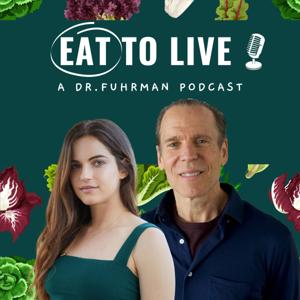
You went through menopause and the rules changed. The weight arrives without any change in what you eat. The fatigue is heavy enough that the workout you used to do feels out of reach. You mention it and get told your labs are normal.
Then you find a doctor who runs sixty tests, finds what everyone else missed, and puts you on thyroid medication, testosterone, estrogen, and progesterone. Within weeks the weight moves and the energy comes back. It is very hard to argue with results you can feel.
Dr. Joel Fuhrman and Dr. Cara Fuhrman ask the harder question: what are those results costing you? Relieving genuine menopausal symptoms with the lowest effective dose of hormones is one decision. Using hormones to lose weight and buy energy is a different one — and it carries a different risk.
Related: Do Women Really Need Hormone Replacement Therapy? (Part 1)
References at drfuhrman.com/podcasts.
Does hormone replacement therapy cause breast cancer? Dr. Joel Fuhrman and Dr. Cara Fuhrman unpack what the Women's Health Initiative actually found, and who really needs HRT after menopause.
For twenty years, women with hot flashes, sleep problems and low libido were told hormones were too dangerous to touch. Today the message has flipped so hard that women without a single symptom are being told they should be on HRT. Both versions skip the question that matters: do you need it, or do you not?
Dr. Cara Fuhrman, Co-Founder and Medical Director of LongevityRx, sits down with her father, Dr. Joel Fuhrman, to walk through the science without the fear or the hype. This is for any woman navigating perimenopause or menopause, anyone already on hormones who isn't sure why, and anyone handed a lab report and a prescription without an explanation.
In this episode:
The conversation continues in the next episode.
If this helped you, follow the Eat to Live Podcast, leave a review, and share it with a woman who's trying to make this decision. This episode is educational and is not a substitute for individualized medical advice.
Are eggs really the “clean” protein we’ve been told they are? In this episode of the Eat to Live Podcast, Dr. Joel Fuhrman and his daughter Jenna take a closer look at eggs, cholesterol, protein, choline, and what the research may actually tell us about long-term health.
Dr. Fuhrman explains why some studies suggesting eggs carry only a modest cardiovascular risk may underestimate the bigger picture, especially when eggs are added to a diet already high in cholesterol. They also discuss how egg yolks may affect people with insulin resistance or diabetes risk, and why pregnancy can make these questions even more important. Plus, they tackle some of the biggest questions surrounding protein.
In this episode of the Eat to Live Podcast, Dr. Joel Fuhrman joins his daughter Jenna Fuhrman to unpack what may truly drive joint pain, cartilage damage, and osteoarthritis — and why the answer has less to do with your old sports injuries than you think.
Together they explore why exercise may not be the primary cause of joint degeneration, how nutrition shapes joint health, and why Dr. Fuhrman believes addressing the root causes of inflammation is essential for long-term mobility. He breaks down how cartilage actually receives its nutrients, the role of diet in keeping joints healthy, common misconceptions about arthritis, and why simply masking pain may not protect your joints over time. They also dig into emerging regenerative therapies, lifestyle habits, and nutritional strategies that support the body's natural healing.
Whether you're living with arthritis, managing chronic joint pain, or looking for evidence-informed ways to protect your mobility as you age, this conversation offers a fresh, thought-provoking take on keeping your joints healthy for life.
When Jenna Fuhrman got pregnant, her prenatal appointments covered tests, screenings, and medications — but barely touched the factor with the deepest influence on fertility, pregnancy, and her child's lifelong health: what she eats. In this episode, she and her father, Dr. Joel Fuhrman, dig into what the research actually says.
Most physicians get little nutrition training, even as the science on prenatal nutrition keeps growing — which means parents who want to give their child the best possible start often have to learn this for themselves. Joel and Jenna cover what to eat before conception and through all nine months, and why small dietary shifts can make a lasting difference for both mother and baby.
What you'll learn:
Whether you're trying to conceive, currently pregnant, or planning ahead, this episode offers practical, science-backed guidance for nourishing both mother and baby.
Javant was pre-diabetic, hypertensive, and sitting in a biopsy chair for suspected lymphoma when he walked out and decided to change everything. What happened next — through Nutritarian eating alone — is the kind of story that reminds us just how powerful food can be.
In this episode, Dr. Fuhrman and Jenna sit down with Javant, Nutritarian chef, health coach, and author of the new cookbook Make Your Own, to talk about his remarkable health transformation and the philosophy behind his cooking. They cover why whole nuts and seeds outperform oils, how to build salad dressings from a single base, what the internet is getting dangerously wrong about nutrition, and how making familiar foods with better ingredients is the most effective way to help people change for good.
If you've ever wondered whether food can truly reverse serious disease, this conversation is your answer.
On this mini episode of the Eat to Live Podcast, Jenna Fuhrman is joined by her sister, naturopathic oncologist Dr. Cara Fuhrman, for a quick, fun sister “riff” that turns into a serious PSA: Eat more vegetables. After hosting a wellness + Pilates event with LongevityRx, they brought a carotenoid scanner (a tool that measures antioxidant levels in the skin)… and the results were shocking. Even many “healthy-looking” people scored low, showing they weren’t eating nearly enough fruits and vegetables. They break down why focusing too much on animal protein crowds out nutrient-dense foods, and why greens, beans, nuts, and seeds may be one of the most powerful combinations for satiety and long-term health. Key Takeaways: • Eating Vegetables Is NOT Enough: Portions matter - a LOT • Animal Protein vs Plant Protein: You can get plenty of protein without crowding out nutrient-dense foods • Nutrient Density = Real Health: High nutrients per calorie is the Fuhrman gold standard • Fruit is NOT the Problem: Berries and colorful fruits are loaded with disease-fighting antioxidants • Nature’s Ozempic: Greens, beans, nuts, seeds can dramatically increase satiety and curb cravings • Longevity Starts on Your Plate: Eat the foods that prevent disease before it starts
Heart disease is not an inevitable part of aging. It is largely preventable, and in many cases reversible, when we focus on the root causes instead of just managing lab numbers. The most powerful tools for protecting your heart are not found in a procedure or a prescription. They are built into the choices you make every day.
Heart disease remains the leading cause of death, yet most conventional approaches focus on managing numbers rather than addressing the root cause. Cholesterol drugs and elective stents can be lifesaving in emergencies, but they often fail to prevent future heart attacks or stop the disease process itself.
In this episode of the Eat to Live Podcast, Dr. Joel Fuhrman explains what actually triggers a heart attack and why our current medical model often misses the most important drivers of risk. While medications and procedures have a role, lasting protection requires understanding what is happening inside the arteries and how lifestyle directly influences that process.
On this episode of the Eat to Live Podcast, host Jenna Fuhrman sits down with her sister, naturopathic doctor, Dr. Cara Fuhrman, to explore a question many people are quietly asking: Is there a smarter, more humane way to think about cancer prevention, treatment, and screening?
Together, they challenge long-standing assumptions about cancer as a matter of bad luck or genetics alone, and instead explore how lifestyle, nutrition, body fat, toxins, and modern screening tools like QT Imaging are reshaping how we understand cancer risk and early detection.
Dr. Cara also shares insights from LongevityRx, the medical center she co-founded with her father, nutritional researcher and physician Dr. Joel Fuhrman, where care is centered on prevention, precision, and long-term vitality—not fear-based medicine.
Think all vitamins are harmless? Think again. In this eye-opening episode, Dr. Joel Fuhrman and Jenna pull back the curtain on the supplement industry — from hidden fillers, dyes and contaminants to the very real harms of common synthetic ingredients. If you buy multivitamins at Target, Costco, or Walmart, press pause and listen.
What you’ll learn:
Why folic acid (not the folate in greens) can be dangerous and why Dr. Fuhrman avoids it in his prenatal formula.
Which supplements are worth considering (zinc, B12, iodine, DHA/EPA) — and when testing matters.
The problems with rancid fish/algae oils, fake labels, and colorful dyes that don’t belong in your body.
How isolated nutrient pills can behave differently than food-based nutrients — and when a supplement is actually a medicine (and a toxin).
Practical, science-forward advice on where to spend your health budget and how to be your own health advocate.
Whether you’re a supplement skeptic or a lifelong pill-popper, this episode gives you the evidence-based roadmap to safer choices and smarter nutrition. Hit play, subscribe, and share with anyone who thinks “natural” automatically means “safe.” Want the show notes or lab references? Find them on the Eat to Live podcast page.
From the publisher's feed
Ranked by our users in the last 21 days

11,782 Listeners

3,462 Listeners
873 Listeners
3,400 Listeners
590 Listeners
2,602 Listeners
3,422 Listeners

9,165 Listeners
459 Listeners
133 Listeners
2,322 Listeners
845 Listeners
1,273 Listeners
321 Listeners
94 Listeners