
Sign up to save your podcasts
Or

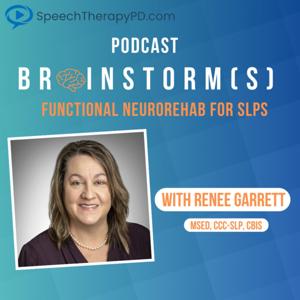


Guest: Sydney Bassard, MSP, CCC-SLP
Earn 0.1 ASHA CEU for this episode with Speech Therapy PD: https://www.speechtherapypd.com/courses/supporting-adult-literacy
Join host Renee Garrett as she discusses the intricacies of literacy with Sydney Bassard, MSP, CCC-SLP, and explores its impact on adults. This informative podcast episode offers insights into Sydney's journey from a pre-pharmacy major to a speech-language pathologist specializing in working with the deaf and hard of hearing, as well as literacy. The conversation explores the significance of digital literacy, social determinants of health, and the application of functional literacy in healthcare settings. Discover practical tips for accommodating varying literacy needs and gain a deeper understanding of how to support your patients effectively.
Episode Timeline:
00:00 Introduction and Disclosures
01:09 Meet Our Guest: Sydney Bassard
02:29 Sydney's Journey to Literacy and SLP
05:01 Defining Literacy and Its Importance
06:02 Challenges in Health Literacy
11:10 Social Determinants of Health
20:17 Underlying Skills for Reading Comprehension
28:18 Digital Literacy and Modern Healthcare
32:41 Navigating Technology Resistance
34:51 Supporting Middle School Reading Skills
36:45 Impact of Virtual Learning on Literacy
37:56 AI in Technical Writing Education
38:55 Challenges in Literacy for Older Students
40:06 Socioeconomic Disparities in Education
44:21 Deaf and Hard of Hearing Literacy
51:54 Literacy Assessments for Neurogenic Disorders
57:05 Resources for Cochlear Implant Students
59:57 Concluding Remarks and Q&A
About the Guest: Sydney Bassard, MSP, CCC-SLP, is a speech-language pathologist specializing in working with individuals who are Deaf and hard of hearing, as well as literacy. She owns The Listening SLP, which is her private practice and social media brand. Sydney was noted as a Distinguished Early Career Professional in 2020 and an Innovator in 2023 by the American Speech-Language-Hearing Association for her work centered on the equity of health information. Through her social media page, she engages with professionals and parents on topics related to hearing loss and literacy.
Mentioned in this episode:
Register for the Aphasia Discourse Conference on June 7
Guests: Cara Donohue, PhD, CCC-SLP & Wes Ely, MD, MPH
Earn 0.1 ASHA CEU for this episode with Speech Therapy PD: https://www.speechtherapypd.com/courses/cbis-cognition-and-dysphagia
Join Renee Garrett as she hosts an enlightening discussion on the Speech Therapy PD podcast with esteemed guests Dr. Cara Donahue and Dr. Wes Ely. In this episode, we delve into the prevalence of dysphagia in critically ill patients, the importance of early intervention, and the collaborative efforts required for optimal patient care. Dr. Donahue shares her extensive research on swallowing disorders, while Dr. Ely discusses the holistic A2F protocol for ICU care. Together, they shed light on the significant role of speech-language pathologists, dieticians, and interdisciplinary teams in improving patient outcomes and recovery. Tune in for an insightful conversation that bridges the gap between clinical practice and patient-centered care.
Episode Timeline:
00:00 Introduction and Disclosures
01:46 Meet the Experts: Dr. Cara Donahue and Dr. Wes Ely
04:32 Prevalence and Challenges of Dysphagia in ICU Patients
09:00 The A2F Bundle: A Holistic Approach to ICU Care
11:13 Personal Stories and Pivotal Moments
19:00 The Role of Caregivers in ICU and Post-ICU Care
35:16 Advocating for Instrumental Exams in Dysphagia
39:15 Connecting CIBS and TBI: Overlapping Challenges
43:15 Final Thoughts and Future Directions
About the Guests:
Dr. Cara Donohue is a practicing speech-language pathologist, Assistant Professor, Medical Speech-Language Pathology Director, and Innovative Research in Aerodigestive Disorders (iRAD) Laboratory at Vanderbilt University Medical Center. She completed her doctoral studies in the Computational Deglutition Lab at the University of Pittsburgh and her post-doctoral research fellowship in the Aerodigestive Research Core Laboratory at the University of Florida. Her research aims to improve clinical care, patient outcomes, and quality of life for individuals suffering from swallowing disorders. Her current research work is funded by the American Heart Association, the Alzheimer’s Association, and the NHLBI.
E. Wesley Ely, MD, MPH, is an internist, pulmonologist, and critical care physician. Dr. Ely earned his MD at Tulane University School of Medicine and a Master’s in Public Health. He serves as the Grant W. Liddle Endowed Chair in Medicine and is a physician-scientist and tenured Professor at Vanderbilt University Medical Center. He is also the Associate Director of Aging Research for the Tennessee Valley Veterans’ Affairs Geriatric Research Education and Clinical Center (GRECC) in Nashville, TN. He is the founder and co-director of the Critical Illness, Brain Dysfunction, and Survivorship (CIBS) Center, and a pioneer in the investigation of delirium and long-term cognitive outcomes, including dementia, in survivors of critical illness, with continuous NIH and VA funding for over 25 years and more than 600 peer-reviewed publications. He designed and was a lead investigator for the study of JAK/STAT inhibitors in acute COVID-19, which successfully demonstrated a survival advantage for this class of medications, leading to FDA approval and a strong WHO recommendation for these medications in hospitalized patients receiving oxygen. He is the principal investigator for an NIA/NIH-funded phase III investigation of immunomodulation for patients suffering from Long COVID. His CIBS research center hosts free daily support groups to provide community and help in recovery for patients with Long COVID and their families. Dr. Ely is the author of a work of narrative nonfiction entitled Every Deep-Drawn Breath, from which he’s donating 100% of the net proceeds to help COVID-19 survivors and their family members rebuild their lives.
Mentioned in this episode:
Register for the Aphasia Discourse Conference on June 7
***** This episode may contain subject matter that is a trigger for some listeners. Incidents of traumatic events, injuries, and mental health issues will be discussed.********
Guest: Jessica Cortez, MA, CCC-SLP, CBIS
Earn 0.1 ASHA CEU for this episode with Speech Therapy PD: https://www.speechtherapypd.com/course?name=Neurorehab-in-the-Justice-System-The-Untold-Role-of-SLPs
In this episode of the Brainstorms Functional Neuro Rehab for SLPs podcast, host Renee Garrett welcomes guest Jessica Cortez, a speech-language pathologist and certified brain injury specialist. The discussion focuses on the impactful work being done to provide speech therapy services to individuals involved in the criminal justice system. Jessica shares her journey and experiences, highlighting the importance of trauma-informed care, functional brain injury assessments, and the challenges of delivering these essential services. Practical insights into personalized treatment, building rapport, and innovative approaches for outreach to underserved populations are provided, making this episode a must-listen for anyone interested in neurorehabilitation and social justice.
Episode Timeline:
00:00 Introduction and Disclosures
01:34 Guest Introduction: Jessica Cortez
02:30 Jessica's Journey into Neuro Rehab
03:41 Focusing on Traumatic Brain Injury
05:49 The Criminal Justice System and Brain Injuries
13:30 Patient-Focused Brain Injury Assessment
24:58 Challenges and Opportunities in Prison Reform
32:39 Understanding Brain Function and Holistic Care
33:55 Challenges in Nutrition and Healthcare Systems
35:04 Addressing Bias and Habitual Behavior
36:01 Outreach and Support for Underserved Populations
38:18 Screening and Support Systems for TBI
40:06 Collaborative Care and Rehabilitation
42:01 Functional Therapy and Real-Life Applications
54:37 Success Stories and Rehabilitation Impact
01:00:15 Final Thoughts and Resources
About the Guest:
Jessica Cortez is a Speech Language Pathologist and Certified Brain Injury Specialist with over 15 years of experience working with adults and adolescents in various medical settings. She earned her Master's in Speech Language Pathology from The George Washington University and her Bachelor of Arts in Psychology from The University of Mount Union. She now lives in Northern Colorado and owns The Loom Connection, focusing exclusively on treating acquired brain injuries in the general and criminal justice.
Mentioned in this episode:
Register for the Aphasia Discourse Conference on June 7
-Originally Aired October 9, 2023-
Guest: Amy Larocca, MS, CCC-SLP
Earn 0.1 ASHA CEU for this episode with Speech Therapy PD: https://www.speechtherapypd.com/course?name=Brainstorm-Parkinsons-Disease-Characteristics-Shared-Decisio
Welcome to the Brainstorms: Functional Neuro Rehab podcast for SLPs, presented by Speech Therapy PD. Host Renee Garrett introduces Amy Larocca, an experienced speech-language pathologist specializing in Parkinson’s and other neurological diseases. This episode focuses on the challenges and considerations in treating patients with Parkinson’s. Topics include the importance of tailored treatments, assessments, collaborative care, patient engagement, and the effects of interventions like deep brain stimulation. Amy and Renee emphasize the need for continuous education, the role of preventive and maintenance programs, and the significance of patient-centered care. Tune in for valuable insights and practical advice for SLPs working with this complex patient population.
00:00 Introduction and Disclosures
03:00 Meet Amy Larocca: Experience and Expertise
05:39 Diving into Parkinson's: Symptoms and Variability
09:33 Speech Therapy's Role in Parkinson's Diagnosis
15:20 Collaborative Care and Patient-Centered Approach
24:44 Resources and Assessments for Parkinson's
34:50 Voice Handicap Index and Patient Reported Outcomes
35:06 Parkinson's Patients in the Community
36:42 Perceptions and Realities of Parkinson's
38:28 Swallow Disturbance Questionnaire
39:06 Motor Speech Evaluations
43:25 Deep Brain Stimulation and Its Impacts
48:37 The Role of Speech Therapists
49:51 Preventative Programs and Maintenance
51:59 Humor and Rapport with Patients
53:52 Instrumentation and Treatment Programs
56:34 Effective Treatment Strategies
01:01:46 Conclusion and Final Thoughts
About the Guest: Amy Larocca, MA, CCC-SLP, is the owner and lead Speech-Language Pathologist at Polaris Speech & Neurological Rehabilitation, a hybrid private practice in Northeast Ohio. She brings 17 years of clinical and teaching experience to her patients and specializes in evaluating and treating patients with Parkinson's and other neurological diseases. She is trained in SPEAK OUT!®, Lee Silverman Voice Therapy, McNeil Dysphagia Therapy Program, Orofacial Myofunctional Therapy, and Manual Therapy for the SLP. She holds a Parkinson Foundation Team Training certification. Amy is on the Board of the Ohio Parkinson's Foundation Northeast Region, Contracts to provide classes at InMotion, and is the Chair of the planning Committee for the Parkinson Foundation Cleveland Moving Day.
Mentioned in this episode:
Register for the Aphasia Discourse Conference on June 7
Guests: Joanne Steel, PhD, BSPTH (Hons), CPSP, and Elise Bogart, PhD, for "TBI Grand Rounds: The Role of Narrative Language in TBI Recovery," an episode of the Brainstorms: Functional Neurorehab for SLPs podcast.
Earn 0.1 ASHA CEU for this episode with Speech Therapy PD: https://www.speechtherapypd.com/course?name=TBI-Grand-Rounds-The-Role-of-Narrative-Language-in-TBI-Recov
Join host Renee Garrett in an in-depth discussion with Dr. Joanne Steel from the University of Newcastle and Dr. Elise Bogart from the University of Sydney. This episode covers many topics, including the TBI Bank—a comprehensive international database featuring language samples from individuals with brain injuries designed to educate speech pathology students. Further insights include the development of narrative-based interventions, cognitive communication assessments, and the importance of functional treatment approaches in SLP practices. The guests share their journeys, experiences in TBI rehabilitation, the challenges in integrating research with practice, and the efficacy of various communication strategies and interventions. The discussion also touches on the complexities of access to care and the importance of a patient-centered approach in speech therapy. This episode offers valuable information for clinicians, researchers, and anyone passionate about improving communication recovery post-TBI.
Episode Timeline:
00:00 Introduction and Host Disclosures
01:29 Guest Introductions
03:05 Overview of TBI Bank
04:38 Clinical Experiences and Challenges
07:05 Importance of Discourse in TBI Recovery
16:33 Narrative-Based Treatment and Research
28:00 Challenges in Inpatient Rehab for Brain Injury
28:37 Collaborative Development of Narrative-Based Treatment
30:04 Flexible and Accessible Treatment Resources
31:05 Importance of Education and Continuity of Care
33:46 Communication Partner Training and Functional Tasks
37:49 Objective Data and Conversational Skills
44:31 Aphasia in TBI Patients
52:12 Access to Care and Insurance Challenges
57:49 Conclusion and Future Research
About the Guests:
Dr Joanne Steel, PhD, is a lecturer at the University of Newcastle, Australia. She is a practising speech pathologist with over 15 years of research and clinical experience with adults with traumatic brain injury (TBI). Her research focuses on improving clinical methods for cognitive-communication assessment and intervention after TBI. She has published over 20 journal articles and two book chapters and is co-developing a story-based intervention program for cognitive-communication disorder after TBI.
Elise Bogart, PhD, is a senior lecturer at the University of Sydney, Australia. Elise is a certified speech pathologist with over 10 years of clinical and research experience. Elise holds a PhD in acquired brain injury and has led the development of an internationally utilised educational resource and research database called TBIBank. Elise is passionate about equipping clinicians with the knowledge and skills to implement evidence-based practice. Elise was the 2024 conference chair and an ongoing committee member for the Australasian Society for the Study of Brain Impairment.
Mentioned in this episode:
Register for the Aphasia Discourse Conference on June 7
Guest: Felicia Francois, MS, CCC-SLP
Earn 0.1 ASHA CEU for this episode with Speech Therapy PD: https://www.speechtherapypd.com/course?name=Empowering-Voices-GenderAffirming-Voice-Care
Join Renee Garrett as she hosts Felicia Francois, a queer, non-binary speech language pathologist specializing in voice and upper airway disorders, on the Speech Therapy PD podcast. In this insightful episode, Felicia discusses the intricacies of gender-affirming voice care, including their philosophy, the importance of patient-centered approaches, and various techniques and surgeries that can help align a patient’s voice with their gender identity. The conversation delves into Felicia's background, the role of SLPs before and after gender-affirming surgeries, and the critical aspect of mental health in this specialized field. Whether you’re an experienced clinician or new to this niche, this episode provides valuable knowledge and techniques for delivering inclusive and effective care.
Episode Timeline:
00:00 Introduction and Disclosures
01:00 Meet Felicia Francois: A Journey in Voice Therapy
03:22 Understanding Gender Affirming Voice Care
06:54 Exploring Voice Therapy Techniques and Tools
20:54 Gender Affirming Voice Surgeries
29:21 The Healing Process After Voice Surgery
30:27 Pre-Surgery Counseling for Gender Affirming Voice Surgery
30:43 Teaching Communication Alternatives and Managing Expectations
32:19 Voice Therapy Techniques and Exercises
37:21 Gender Affirming Voice Therapy Sessions
46:28 Addressing Preexisting Conditions and Surgery Candidacy
53:23 The Importance of Mental Health in Voice Therapy
58:03 Final Thoughts and Encouragement for Future Practitioners
About the Guest:
Felicia François (they/she) is a queer, nonbinary, white speech-language pathologist specializing in voice and upper airway. They have a passion for gender-affirming voice care and lead the gender-affirming voice care initiative at the USC Voice Center in Los Angeles, California, where they also work with performing vocalists and a variety of other patients with voice and upper airway disorders. She is passionate about advancing research for gender-affirming voice care and improving the quality of life for those with voice issues.
Mentioned in this episode:
Register for the Aphasia Discourse Conference on June 7
Guests: Petra Avramović, PhD, CPSP, MSPAA, and Sophie Brassel, PhD, MSPA-CPSP
Earn 0.1 ASHA CEU for this episode with Speech Therapy PD: https://www.speechtherapypd.com/course?name=Virtual-Reality-and-AI-in-Communication-Rehab-after-Brain-In
Join host Renee Garrett as she interviews Dr. Sophie Brassel and Dr. Petra Avramović, renowned lecturers and researchers in speech pathology from the University of Sydney. This episode dives deep into the transformative potential of Virtual Reality (VR) and Artificial Intelligence (AI) in the field of speech pathology. Dr. Brassel discusses her ground-breaking research on using VR for cognitive communication disorders following traumatic brain injury, while Dr. Avramović explores the potential and current uses of AI in supporting communication rehabilitation. The episode also offers insights into the Australian clinical education structure for speech pathologists, comparing it with the U.S. system. A must-watch for anyone interested in the future of speech and language therapy!
Episode Timeline:
00:00 Introduction and Disclosures
01:00 Meet the Guests: Dr. Sophie Brassel and Dr. Petra Avramović
03:51 Understanding Virtual Reality in Communication Disorders
07:58 Research and Applications of VR in Cognitive Communication Disorders
15:04 Challenges and Future Directions in VR Research
21:22 Exploring AI in Speech Pathology
24:32 AI Tools and Applications in Therapy
28:00 Case Studies and Future Prospects
34:15 Maintaining Core Principles in Digital Interventions
35:39 Emotional Connection in Clinical Practice
36:41 The Role of Technology in Therapy
38:02 Clinical Practicum Structures in Australia
39:24 Undergraduate Clinical Placements
44:09 Graduate Programs and Career Pathways
56:53 Clinical Hours and Competency Requirements
57:57 AI and Data Security in Clinical Practice
01:01:14 Concluding Thoughts and Future Directions
About the Guests:
Dr. Sophie Brassel is a lecturer and early career researcher in the Discipline of Speech Pathology at the University of Sydney. She is a certified practicing speech pathologist with extensive experience in assessing and managing adults with communication difficulties. Before joining the University of Sydney, Sophie worked as a speech pathologist in the public health system and as a research assistant on projects relating to communication recovery following traumatic brain injury. Sophie completed her PhD at the University of Sydney within the Acquired Brain Injury Communication Lab. Her thesis explored the use of immersive virtual reality in rehabilitation for cognitive-communication disorders following traumatic brain injury. Sophie’s research examines the application of digital health technologies in supporting communication following acquired brain injury, while her teaching concentrates on practice education for speech pathology students.
Dr. Petra Avramović is a lecturer, clinical educator, early-career researcher, and certified practicing speech pathologist. Petra completed a Bachelor of Applied Science (Speech Pathology) with First Class Honours and completed her PhD within the Acquired Brain Injury Communication Lab at the University of Sydney. She has held several roles in clinical and research settings with a variety of populations, with particular focus in working with people with traumatic brain injury (TBI). Her thesis, entitled “The development and evaluation of convers-ABI-lity: an online communication partner training platform for people with traumatic brain injury”, aimed to collaboratively develop a novel multimodal communication partner training program with people with TBI and others involved in their care, and to evaluate its effectiveness and efficacy for improving conversation skills following TBI. Petra is involved in academic, clinical education, and research supervision for speech pathology students within the university.
Follow Brainstorms: Functional Neurorehab for SLPs
Spotify: https://open.spotify.com/show/2FkVqIk9udMM4Ndh2onSr3?si=814e46057de745d8
Apple: https://podcasts.apple.com/us/podcast/brainstorms-functional-neurorehab-for-slps/id1743491825
Mentioned in this episode:
Register for the Aphasia Discourse Conference on June 7
-Originally aired: January 14, 2024 -
Guest: Megan Battles Parsons, PhD, CCC-SLP, CDP
Earn 0.1 ASHA CEU for this episode with Speech Therapy PD:https://www.speechtherapypd.com/course?name=Implementing-Education-Practices-as-a-Clinician-and-educator
In this episode, Renee is joined by Dr. Megan Battles Parsons to discuss a framework for structuring clinical practicums that empowers students to increase knowledge and active participation in their education. How can one devise a mentor/mentee educational program? What key components have proven successful in this type of program? Join Renee and Megan as we discuss ways SLPs can implement educational strategies in other clinical roles, including patient education.
About the Guest:
Megan Battles Parsons, PhD, CCC-SLP, CDP, is a medical speech-language pathologist and visiting assistant professor in Memphis, TN. Megan actively mentors future speech-language pathologists in the clinic and the classroom through both roles. As a Certified Dementia Practitioner and participant in the American Speech-Language-Hearing Association's Leadership Development Program, Megan also advocates for patient education and informed consent, ensuring individuals and families are empowered in their healthcare decisions.
Mentioned in this episode:
Register for the Aphasia Discourse Conference on June 7
Guests: Leanne Togher, PhD, FSPA, FASSBI, Rachael Rietdijk, PhD, SLP, & Kate Smith, MSPA, CPSP
Earn 0.1 ASHA CEU for this episode with Speech Therapy PD: https://www.speechtherapypd.com/course?name=The-Social-Brain-Toolkit-Practical-Resources-for-Caregiver
Join Renee Garrett as she kicks off Season 2 of Brainstorms Functional Neurorehab with esteemed guests Dr. Leanne Togher, Dr. Rachael Rietdijk, and Kate Smith. In this episode, the team explores the Social Brain Toolkit, a suite of resources designed to improve communication for individuals with acquired brain injuries (ABI). The discussion covers the inception, development, and components of programs like TBI Express, TBI ConneCT, and Interactability. They delve into the crucial role of communication partner training, methodological research, and evidence-based practices in supporting TBI patients and their caregivers. Additionally, the episode touches upon the groundbreaking work at the University of Sydney and introduces speechBITE, a curated repository of treatment research in speech pathology. Tune in to learn about their innovative approach to making effective communication strategies accessible and practical for clinicians, students, and families worldwide.
Episode Timeline:
00:00 Introduction and Disclosures
01:40 Meet the Experts
04:50 The Social Brain Toolkit: Origins and Development
09:03 TBI Express, and TBI ConneCT: Evolution of Training Programs
11:36 Telehealth and Digital Health Innovations
13:18 Expanding Communication Partner Training
15:22 Interactability and Social Ability: New Tools for Broader Impact
17:39 Practical Applications and Future Directions
32:48 Understanding Communication After Brain Injury
33:26 Training for Caregivers and Students
35:14 Introducing TBI Express and interact-ABI-lity
36:03 Free Resources and Accessibility
36:46 speechBITE: A Resource for Speech Pathologists
37:32 The Evolution and Impact of speechBITE
44:19 Kate Smith's PhD Research on Clinical Information Needs
53:01 Addressing Methodological Quality in Research
56:07 The Social Brain Toolkit and Caregiver Support
59:08 Final Thoughts and Resources
About the Guests:
Professor Leanne Togher is a full Professor at the University of Sydney, Australia, and NHMRC Professorial Research Fellow (Investigator Grant Leadership Level 3). Professor Togher holds a PhD in speech pathology and is internationally recognised with more than 250 journal articles. Professor Togher has led the development of communication treatments for people with brain injury and their families, carers, and community agencies, including TBI Express, TBI ConneCT, and the Social Brain Toolkit. She is the director of the evidence-based practice website speechBITE. Professor Togher is the incoming Chair for the International Brain Injury Association and Chair of Brain Injury Australia.
Dr Rachael Rietdijk is a certified practising speech pathologist and Lecturer at the University of Sydney, with research interests in acquired brain injury, communication partner training, and digital health. Her PhD research produced a new evidence-based intervention for people with traumatic brain injury called TBIconneCT. Dr Rietdijk was the project lead for the Social Brain Toolkit project, including interact-ABI-lity, the first free evidence-based online program about communicating successfully with people with a brain injury. This program has reached over 1500 people from over 25 countries. Dr Rietdijk continues collaborating as part of research teams on the Communication Connect NHMRC Ideas Grant and the Communication for Safe Care NDIS Information, Linkages and Capacity Building grant.
Kate Smith is a speech-language pathologist who has worked in evidence-based practice for two decades. She is a member of the speechBITE advisory committee at the University of Sydney and worked on developing speechBITE with Professor Leanne Togher for over a decade. Kate is currently undertaking her PhD, applying a user-centered approach to co-designing a new digital resource that provides research evidence for SLPs.
Mentioned in this episode:
Register for the Aphasia Discourse Conference on June 7
-Originally Aired: October 3, 2024 -
Guest: Dawn Ducca
Earn 0.1 ASHA CEU for this episode with Speech Therapy PD:https://www.speechtherapypd.com/course?name=Understanding-and-Caring-for-Individuals-with-Frontotemporal
In this episode, Renee is joined by Dawn Ducca, who serves as a volunteer Ambassador for The Association for Frontotemporal Degeneration. Frontotemporal degeneration (FTD) is a group of brain disorders that primarily impact personality, behavior, and language skills. This combination presents unique challenges for caregivers. Discussion includes medical aspects of the disease, psychological symptoms, and the progression of the disease that wreaks havoc on daily life. Some of the complexities of caregiving include the physical and emotional toll, but combined with coping and self-care strategies, caregivers can learn ways to support their well-being. Join Renee and Dawn for an hour of caregiving techniques and understand the importance of a support network.
About the Guest:
Dawn Ducca began volunteering with AFTD in 2019. As the former primary caregiver for her husband before his untimely death in 2022, she’s passionate about raising awareness and supporting others affected by this disease. Before joining the Ambassador team in 2021, she raised awareness in her community through presentations. She actively participated in AFTD’s annual flagship campaign, Food for Thought, as both a host and then liaison, supporting volunteers around the country with planning their events. As an Ambassador covering the Southeast Michigan, Northern Indiana, and Northwest Ohio area, she continues to raise awareness, educate others, and be a voice for FTD, including ensuring FTD is represented in her local dementia-friendly community.
Mentioned in this episode:
Register for the Aphasia Discourse Conference on June 7
From the publisher's feed

91,003 Listeners

43,859 Listeners

883 Listeners
369,621 Listeners
213 Listeners
47 Listeners

18,045 Listeners
27 Listeners
6 Listeners
5,864 Listeners
20 Listeners

13 Listeners
4 Listeners
8 Listeners
7 Listeners