
Sign up to save your podcasts
Or

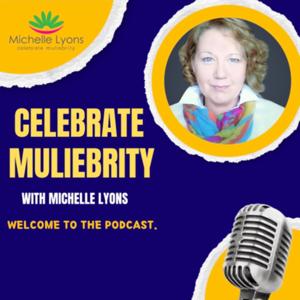


Hello & Welcome!
October is Menopause Awareness month and the theme for this year's International Menopause Awareness Day (Oct18th!) is chronic pain at midlife - and I have some thoughts...
In today's episode, I'm exploring the intersection of menopause, disrupted sleep, pain, mental health, and bladder function.
These issues often overlap in a multi-directional relationship, where poor sleep can increase pain sensitivity and vice versa, and then we add some inflammation, insulin resistance, constipation, bladder frequency, urgency and nocturia...
As always, I'm emphasising the importance of clinicians acting as detectives to identify what is actually waking a woman up, rather than assuming a single cause. In this episode I describe the THRIVE model I'm developing (more soon!) covering tissue health, hormones, rest and recovery, integrated nutrition and gut health, values and goals, and exercise, as a framework for a whole-woman approach.
Its worth noting that while hormone therapy is the gold standard for vasomotor symptoms, lifestyle strategies like morning sunlight, consistent wake times, strength training, and mindful nutrition can also support recovery.
If you're a frequent flier here, you'll know I believe that the goal of treatment should be improving overall quality of life and capacity, not just reducing individual symptoms, and empowering women through evidence based education and interventions; in other words teaching women how to be experts in their own bodies and health experiences.
in this episode, I'm exploring the intersection of hormones, sleep, pain, mental health and bladder function; nighttime awakening factors, urinary symptom management, the mental health implications, sleep improvement strategies and more!
Discussion like this, where we explore the overlapping circles of different biopsychosocial systems going through menopausal changes and challenges, are drawn from the research I've been exploring and translating into clinical practice for my online course, Flourish! The Menopausal Toolbox, which gives women's health professionals the language and structure to navigate peri to post menopause WITH the women we work with. All of the details for all of my online courses can be found at CelebrateMuliebrity.com
Prefer live online (with access to the recordings & bonus material afterwards)? Join me Oct18th and Nov1 as I teach a Menopause Integrated Approach for Pelvic Health Solutions.
Questions about the courses? Send me a DM on instagram, where you can find me as @michellelyons_muliebrity
Until next time, Onwards & Upwards! Mx #celebratemuliebrity
Hello & Welcome to today's episode - all about supporting the young female athlete!
After a brief break while I was away at Pelvicon..getting ready to fly out to ICS in Maastricht but in the middle, I went to a Meath Local Sports Partnership conference - all about women in sport and leadership...lots of good stuff BUT worrying stats about the drop-off girls and women from sports and physical activity as they navigate adolescence and early adulthood
So - I was inspired to record my thoughts on how we can support body literacy, including pelvic health, in the young female athlete
I wanted to explore in this episode, the topics that are fundamental in their importance in supporting young female athletes, particularly those aged 11 to 13, to help them remain active and healthy through adolescence.
Remember, that girls are not small versions of adult women or men and require a development-focused approach rather than just a performance-focused one.
Key areas of discussion included:
Menstrual health, where I advocate for age-appropriate tracking and body curiosity rather than rigid cycle-based training.
I highlight the critical role of adequate nutrition, warning against calorie counting and the demonization of carbs, and linked low energy availability to REDs and increased injury risk.
I also covered the importance of iron and bone health, the benefits of supervised strength training for physical literacy, and the need to manage training load and protect sleep.
Unsurprisingly (!) a significant portion of this episode focuses on pelvic health, including normalising conversations about bladder leakage, bowel health, and the use of the PFD Sentinel screening tool, created by Dr Silvia Giagio.
I reference the NICE guidelines to support early pelvic health education and discuss the impact of breast development on sports participation.
Finally, I always want to stress the need for body literacy over body surveillance, and encouraging an environment where young athletes feel safe to discuss health concerns with coaches and parents, and you as the clinical at the intersection of pelvic health & sports medicine
and much more...
If you'd like to take a deeper dive, my online course, The Menstrual Detective, comes with free access to 'Pelvic Health for the Younger Female Athlete', focusing on the pelvic health needs of the adolescent athlete. All of the info on all of my online courses can be found at CelebrateMuliebrity.com - but if you have a course related question, send me an email or DM on instagram - @michellelyons_muliebrity
Until next time, Onwards & Upwards! Mx #celebratemuliebrity
Today is World GO Day!World Gynae Oncology Day, in my world, focuses on the importance of pelvic rehabilitation for women after gynecologic cancer treatment. In today’s episode, I’m discussing how pelvic rehabilitation extends beyond simple pelvic floor exercises to address comprehensive physical and psychological needs, including pelvic pain, bladder and bowel dysfunction, sexual health issues, and movement difficulties.
I think there’s not enough emphasis on the fact that pelvic cancer treatment affects the whole person, not just the tumor, and I think we should use this opportunity to highlight the need for multimodal approaches that include exercise, manual therapy, and of course education about what’s happening, why it’s happening and the importance of consistent self-care.
I’ve also introduced a new module on anal cancer rehabilitation in my online course, Female Pelvic Oncology Rehab!Female sexual dysfunction and bladder/ bone health issues after anal cancer treatment are common and often overlooked.
My call to action is to urge us all as pelvic rehab providers to broaden our conversation with cancer survivors AND their medical, surgical and wider oncology teams, to include not just survival but quality of life, of course emphasizing that pelvic rehabilitation should be integrated into cancer care from the beginning, throughout the journey as our patients move from surviving pelvic cancer to thriving afterwards.
For more information on my Female Pelvic Oncology Rehab course, and all of my online courses, please visit CelebrateMuliebrity.com or send me a message about the coursework!
Biopsychosocial pelvic rehabilitation isn’t defined by the organ where the cancer originated, it’s defined by the person, the treatment they’ve received, and the functions they want to regain.
Surviving cancer matters. But living well after cancer matters too.
Until next time, Onwards & Upwards! Mx #celebratemuliebrity 💚💝
Hello & Welcome to today’s episode! This is one for the pelvic health in sports medicine fans!
I’m interviewing Helen McKeever about pubic and inguinal pain in female athletes, based on Helen's chapter in Grainne Donnelly's book "Sports Medicine: The Pelvic Floor."
In this conversation, myself and Helen discuss the importance of considering multiple factors beyond just pelvic floor issues when treating groin pain, including musculoskeletal drivers, hypermobility, and REDs - encompassing reproductive, endocrine, digestive, and sleep factors.
We explored how pelvic floor physiotherapists should expand their assessment beyond mechanical issues to include questions about bladder and bowel function, menstrual cycles, and psychosocial factors.
Helen shared clinical insights about the anterior pubic ligament complex and the role of deep hip rotators in managing chronic groin pain.
The conversation highlights the need for collaborative approaches between pelvic health and sports medicine specialists, with Helen currently working at Aspetar in Doha where she sees female athletes presenting with complex pelvic and groin pain issues, as part of a multidisciplinary team approach.
We also talked about pelvic girdle pain in pregnancy, differential diagnosis and clinical reasoning for hip, pubic & groin pain, hypermobility and we discussed how pelvic floor physiotherapists should broaden their differential diagnosis beyond just pelvic floor issues, considering factors like motor control around the hip, deep rotators, and anterior-posterior tilt capabilities. Helen shared a case study of a tennis player where addressing both pelvic floor and musculoskeletal components was crucial for successful rehabilitation.
This was a rich conversation that I think really highlights the importance of pelvic health in sports medicine.
If you'd like to learn more, the textbook 'Sports Medicine & the Pelvic Floor' edited by Grainne Donnelly and of course, my online course 'The Menstrual Detective', includes access to 'Pelvic Health for the Young Female Athlete' as well.
You can find Helen and her research on ResearchGate and LinkedIn and you can follow my continuing adventures in women's health on instagram @michellelyons_muliebrity and all of my online courses can be found at CelebrateMuliebrity.com
Until next time, Onwards & Upwards! Mx #celebratemuliebrity
Hello and welcome to today’s episode – a bit off the normal schedule as I was teaching my Endometriosis Pain Management course over the weekend and then I was asked to come on the Claire Byrne show on Newstalk Radio to discuss the recent decision by the Spanish FA to support egg freezing for their female footballers.
Understandably, it was a brief overview on the radio but of course…I have thoughts that need a bit longer to explore so I thought – why not do a podcast episode!
In today’s episode, I’m exploring:
Why, at last, we are acknowledging that female athletes have reproductive lives!
How this should prompt a broader conversation about supporting female athletes throughout their reproductive lives rather than just focusing on fertility preservation. I believe that female-specific health is fundamental to performance and outline the need for individualized, informed decision-making regarding pregnancy and postpartum participation in sport; good resources for this include FIFA's "Stay in Play" and "Stepping into Play" decision aids.
I want to stress that supporting women requires addressing pelvic health, but also broader physical and psychological factors, and creating systems that allow athletes to make reproductive choices without compromising their sporting careers; advocating for an approach that recognizes women's physiological stages as integral rather than disruptive to athletic performance.
But it’s about physiology across the female lifespan, not just in elite sports. I believe that female athletes (actually all women!) should receive education about menstrual cycles, nutrition, fertility, and postpartum recovery, rather than being forced to choose between a sporting career and motherhood. I believe that supporting women's reproductive choices should be part of a broader conversation about creating an inclusive sporting environment that accommodates all women's life stages and decisions, from menstruation to menopause.
I really want to rephrase the question about women in sports from "can women have it all" to "what can we change about our systems so women don't have to choose." I believe there’s the need to create sporting environments that support women's health and bodies rather than requiring women to adapt to sports, a system that’s designed to support the needs of male athletes.
And of course…if you’d like to learn more about supporting female athletes, from recreational to high performance, at every age and stage…check out my online courses The Menstrual Detective, Pelvic Health for the Younger Female Athlete, Perinatal Pelvic Rehab (Preconception to Postpartum) and Flourish! The Menopausal Toolbox – all available at CelebrateMuliebrity.com
Until next time, Onwards & Upwards! Mx #celebratemuliebrity
hello & welcome!
Today’s episode of the Celebrate Muliebrity podcast focuses on moving beyond the IC diet when working with women who have bladder pain syndrome.
When I started working in pelvic health, I used to find IC/ Bladder Pain Syndrome a really challenging diagnosis to work with so over the years, I’ve really been focused on integrating the latest evidence into clinical practice, from asking better questions to clinical reasoning and step by step treatment strategies.What the research says AND how to come up with a treatment plan for the woman in front of you
In today’s episode, I talk about the importance of adopting an individualised, evidence-based approach rather than prescriptive food restrictions, explaining that there is no single universally applicable IC diet.
I outline a four-step framework: observation to understand individual patterns, simplification through targeted and temporary elimination when appropriate, stabilisation of bladder, bowel, gut, and nervous system health, and gradual reintroduction to increase dietary variety.
I want to stress that the ultimate goal should be food freedom rather than creating anxiety around restricted food lists, and I encourage clinicians to help patients become experts in their own bodies through pattern recognition and data tracking.
I also cover:
Moving beyond a one size fits all to a bespoke approach to bladder pain syndrome
Bladder Pain Syndrome mechanisms - why we have to look OUTSIDE the bladder
Integrating a gut/bowel/nervous system approach as a current best practice approach to nurture self efficacy and empowerment
And more…
The IC/BPS updates are now available in the online Female Pelvic Pain Rehab course and come with clinical skills, shareable breath/bladder practices and a downloadable workbook for you to work through with the women you’re working with who are struggling with IC/BPS - all of the course info is at CelebrateMuliebrity.com
Until next time!
Live, Flourish, Thrive! #celebratemuliebrity
Hello & welcome to today's episode where I'm going to explore our role as pelvic rehab clinicians when it comes to the management of EAP
I think an important question to consider is:
'What does a woman with endometriosis associated pain actually need from us, beyond medical/surgical treatment?'
(particularly when those approaches have not been effective in reducing her pain or increasing her quality of life)
I believe we absolutely need to understand the pathophysiology of endometriosis - but it is vital that we don't stop there!
The amount of pain someone experiences does not always correspond neatly to the stage, amount, size of location of her endometriosis lesions - two women can walk into your clinic and have very different pain experiences.
EAP can be complex - we need to understand nociceptive inputs from inflammation/ tissue pathology, neuropathic and visceral components, pelvic floor dysfunction, chronic overlapping pain conditions, as well as changes in central pain processing and nociplastic mechanisms.
Our job is to figure out - which mechanisms appear to be contributing in this woman right now - AND - how can we help her build capacity?
Asking her 'what would you like to be able to do that your pain is currently stopping you from doing?'
we are not necessarily trying to achieve zero pain but rather trying to increase capacity, confidence, participation, self-efficacy and quality of life
And that means a different rehab conversation, where we are asking better questions to get better outcomes
Questions about her pelvic floor, bowel, bladder, movement (and how to prescribe and dose it), sleep, stress, sexual health, breath, her pain management toolbox and how to talk about nervous system sensitivity....
I think a really key question for us to consider might be 'how can I help her increase her capacity to live well alongside a condition that will fluctuate?' - and what does that look like in clinical practice?
If you'd like to learn more, the Endometriosis module, as well as modules on IC/Bladder Pain Syndrome, Vulvodynia, Dyspareunia and more, have all gone through their 2026 update and are available now in my online course, Female Pelvic Pain Rehab course! (already enrolled? you have access!) All of the course info can be found at CelebrateMuliebrity.com
Until next time, Onwards & Upwards! Mx #celebratemuliebrity
Hello and welcome to today's conversation where I'm delighted to chat with my new friend and colleague, Dr Suzanne Scott
Suzanne's early background in physics and data science, progressed to her work in modeling human movement data, spanning over 20 years in high-performance sports. She noted how the field has evolved to enable real-time measurement of performance changes through tracking devices and heart rate data.
Suzanne now wears a variety of hats, including her part-time lectureship at the University of Bristol Anatomy Centre and her work as a movement coach in high performance sport, particularly with football, rugby, and cricket teams. She shared her recent experience attending the World Cup in the US, describing the emotional journey from high expectations to the disappointing semi-final loss, though she noted the overall positive and unifying atmosphere throughout the tournament.
We also chatted about Suzanne's work with female athletes and the gaps in knowledge regarding pelvic health issues in women, especially young athletes. She explained the concept of "deconstructing the female pelvis," which aims to explore the structure, biomechanics, and endocrine physiology elements involved.
Our discussion also included the planned event on September 4th, which aims to bring together experts to discuss current issues and potential solutions in pelvic health for female athletes. I have a LOT of enthusiasm for this event, about the evolution in understanding pelvic health beyond just muscle weakness and the importance of considering factors like RED-S, hypermobility, and lower limb injuries. There are some amazing presenters on the day, including keynotes from Grainne Donnelly and I'm part of a panel discussion with Ros Cooke, Emma Brockwell and more AND there's a cadaver lab to see pelvic dissections in person!Although we have had different backgrounds, Suzanne & I are definitely on the same wavelength when it comes to the importance of addressing pelvic health issues, particularly how they impact women's physical activity and overall well-being.
The need for evolving evidence-based approaches and effective communication to help clinicians and the public make informed decisions about pelvic health is ever present and I'm sure the conversations we will have in Bristol on September 4th will advance the cause!
Here's the link for the study day in Bristol on September 4th:
https://www.bristol.ac.uk/anatomy/vesalius/courses/deconstructing-female-pelvis/
Hope you can join us there!
Until next time, Onwards & Upwards, Mx
(and of course....if you are looking for online options in continuing education in women's health that's evidence based, biopsychosocial and clinically applicable, from pelvic pain to oncology to menstrual, maternal or menopausal health- I've got you covered - all of the course info can be found at CelebrateMuliebrity.com )
Hello & Welcome to the Podcast! In today's solo episode, I want to explore how asking better questions can lead to better outcomes for women dealing with GSM, via a COLLABORATIVE approach - let's jump in!
In the episode I'll discuss why GSM is more than just dryness, why tissue health is super important but..it doesn't function in a vacuum because healthy tissues don't necessarily lead to healthy movement
So what can pelvic rehab offer here? We need to move beyond a focus on keeping women dry, and move to emphasising keeping women MOVING!
The goals are to Live, Flourish & THRIVE!
I outline my clinical framework focusing on four key areas: healthy tissues, healthy function, healthy movement, and helping women achieve their life goals; I'm arguing that success should be measured by more than just symptom relief but by women's ability to participate fully in life. I want to encourage healthcare professionals to shift from asking which intervention is best to asking which combination will give women the best chance of thriving, and I want to stress the need for collaboration between different medical specialties rather than competition.
I'm talking about plans to teach women healthier pelvic floor muscle training, emphasizing the importance of a bespoke approach tailored to each individual rather than using the term "Kegels." I outlined a comprehensive program that extends beyond just pelvic floor muscles to include breathing, pressure management, hip mobility, glute strength, and various other physical components. The goal is to help women regain confidence in their bodies through a holistic approach that addresses their specific goals and activities - and how we can put this bespoke approach together for the women we serve.
And yes...there's some homework for you to think about - considering Capacity before Complexity!
What do you think - can we think about a 'philosophy' rather than a treatment plan? Let me know what you think!
And if you want to learn more...my online course, Flourish, The Menopause & Hysterectomy is available at CelebrateMuliebrity.com. Questions? You can find me on instagram @michellelyons_muliebrity
Until next time, Onwards & Upwards! Mx #celebratemuliebrity
Hello & welcome to this episode of the podcast, where I'm joined by Dr Megan James who has had a great year so far in terms of research output! Not only does Megan have a great chapter in Grainne Donnelly's book Sports Medicine and the Pelvic Floor, but she's published TWO other great papers on postpartum pelvic loading and return to exercise!
Megan discussed her academic journey from studying sport and exercise science to completing a PhD focused on pelvic injuries and running, particularly postpartum return to running. She explained her recent work developing a graded loading pathway using external pelvic acceleration variables, which aimed to create evidence-based return-to-run protocols for postpartum athletes by measuring pelvic acceleration rather than just ground reaction force.
We discussed the forces on the pelvic floor during different activities, particularly running. Megan explained that while vertical forces are significant, the direction and absorption of forces vary depending on movement patterns and landing techniques. We explored the concept of grounded running as a potential way to reduce pelvic acceleration by increasing duty factor, which is the ratio of ground contact time to stride time. Megan noted that grounded running naturally maintains a duty factor over 50%, which could help in reducing pelvic stress.
We also discussed Megan's research paper on postpartum return to running, focusing on the Double Diamond co-design framework used in the study. Megan explained that the framework was chosen to incorporate end users' perspectives throughout the research process, covering four stages: Discover, Define, Develop, and Deliver. I think this discussion highlights the importance of considering both barriers and enablers to postpartum exercise, so we can (hopefully!) see more research aiming to bridge the gaps between evidence-based studies and practical clinical applications
We also chatted about an online return-to-running resource that Megan and her team developed, which provides a flexible 150-minute weekly exercise plan tailored for women. Megan's PhD research focused on developing a postpartum exercise guide, which provides individualized exercise recommendations for new mothers based on their specific needs and symptoms. Megan explained that the guide offers a "buffet of choices" allowing mothers to select appropriate exercises, with POGP involvement adding credibility and trustworthiness to the resource.
We talked about potential future research directions, including testing the guide's effectiveness through controlled studies and validating the relationship between movement variables and pelvic floor dysfunction mechanisms. I really love this work's practical impact on improving maternal health and well-being and I think it gives such a strong foundation for future research in this field.
Here's a link the resource we talked about:
Guide for return to running: https://doi.org/10.25401/cardiffmet.26403592
want to learn more about supporting the postpartum woman on the road back to exercise and health? My online course, Perinatal Pelvic Rehab, covers the evidence and how to apply it, from pre-conception to pregnancy and postpartum (with a little bit of perimenopause as well!) All of the info on my online courses, from menstrual health to menopause, from female pelvic pain to back pain, bowel health to hysterectomy, breast cancer to pelvic oncology rehab, can be found at CelebrateMuliebrity.com
Until next time, Onwards & Upwards! Mx #celebratemuliebrity
From the publisher's feed
Ranked by our users in the last 21 days

258 Listeners
84 Listeners
12,710 Listeners

8,328 Listeners
3,605 Listeners
254 Listeners
1,138 Listeners
183 Listeners
4,511 Listeners
41,371 Listeners
2,045 Listeners

19,126 Listeners
1,213 Listeners
214 Listeners
8 Listeners