
Sign up to save your podcasts
Or

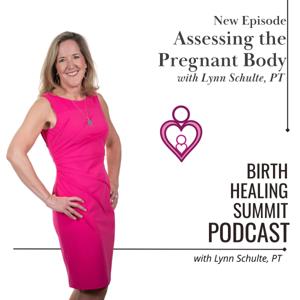


Are we missing a big piece in postpartum rehabilitation by focusing on the pelvic floor muscles?
In today’s thought-provoking episode of the Birth Healing Summit Podcast, Lynn Schulte is joined by physical therapist, strength and conditioning coach, and 2026 Strength and Conditioning Association Personal Trainer of the Year, Rachel Selman, to discuss a concept that's beginning to change how clinicians think about postpartum rehabilitation and athletic performance: overcoming isometrics.
If you're looking for fresh clinical ideas that bridge pelvic health, strength and conditioning, and sports performance, this is an episode you won't want to miss.
Key Discoveries from this Episode:
Clinical Takeaway
Sometimes the limiting factor isn't muscle strength – it may be the passive tissues responsible for force transfer and support. This episode challenges clinicians to think beyond isolated pelvic floor strengthening and consider how collagen, fascia, bony alignment, and graded loading may influence long-term outcomes in postpartum and athletic populations.
This isn't simply another discussion about pelvic floor strengthening. Rachel and Lynn challenge conventional thinking while exploring how sports science, biomechanics, and pelvic health intersect. Their conversation raises important questions about how we assess postpartum recovery, prepare athletes to return to sport, and translate emerging research into meaningful clinical practice.
Whether you treat postpartum clients, runners, CrossFit athletes, or women with prolapse and urinary incontinence, you'll leave this episode with new ideas – and likely a few new research questions of your own.
Listen now and discover why overcoming isometrics may become one of the next frontiers in pelvic health rehabilitation.
Frequently Asked Questions
What are overcoming isometrics, and how might they help with postpartum pelvic floor rehabilitation?
Overcoming isometrics involve producing force against an immovable resistance rather than simply holding a position. While traditionally used in strength and conditioning and tendon rehabilitation, Rachel Selman discusses how they may offer a new way to load and strengthen the passive tissues that support the pelvic floor. This approach shifts the conversation beyond muscle strength alone to consider fascia, collagen organization, force transfer, and tissue resilience.
Why might someone experience pelvic pressure, prolapse symptoms, or urinary leakage even when their pelvic floor muscles are strong?
Pelvic floor function depends on more than muscle strength. Passive tissues – including fascia, tendons, ligaments, and other connective tissues – also contribute to support and force transfer. Rachel explains that factors such as tissue resilience, collagen organization, pelvic alignment, and how the body manages pressure may help explain why some athletes continue to experience symptoms despite having "normal" pelvic floor strength.
Should postpartum athletes avoid pressure and loading if they have pelvic floor symptoms?
Not necessarily. The goal may be to develop the capacity to tolerate and manage pressure rather than avoid it altogether. Rachel discusses the importance of graded loading and individualized clinical reasoning, particularly when working with different types of athletes. Endurance athletes, power athletes, runners, and postpartum athletes may place very different demands on the pelvic floor, making an appropriately dosed return to loading an important part of rehabilitation and performance.
About Today’s Speaker
Dr. Rachel Selman is a Doctor of Physical Therapy, Certified Strength and Conditioning Specialist, and NSCA Performance and Sport Scientist specializing in pelvic health and athletic performance. She is the owner of a multidisciplinary wellness facility in Charlotte, North Carolina, where she works with athletes across the lifespan – from youth competitors to postpartum and perimenopausal athletes.
In 2026, Rachel was named the National Strength and Conditioning Association’s Personal Trainer of the Year. She is an international educator, author of the forthcoming book Floor It: Using the Pelvic Floor to Power Athletic Performance, and a national conference speaker on the integration of pelvic health, performance, and sports medicine.
Rachel’s mission is to help athletes, clinicians, and coaches rethink the pelvic floor as a critical component of performance, resilience, and long-term health.
Link for the book to pre-order: https://www.simonandschuster.com/books/Floor-It/Rachel-Selman/9798994780121
Connect With Lynn
Have a comment or question about today’s episode? Message Lynn on Instagram or Facebook, or Email Lynn.
Subscribe to the Birth Healing Summit Podcast
Don’t miss an episode! If you enjoyed today’s podcast and are interested in more topics to support your clinical practice and treatment sessions, find us on your favorite podcast app. Follow or Subscribe to the Birth Healing Summit Podcast on:
To learn more visit: InstituteforBirthHealing.com
Visit Institute for Birth Healing to learn more about how to care for the pregnant and postpartum body: CLICK HERE
What happens when you keep finding the same pattern in your postpartum clients – but you can’t find an explanation for it in the research?
In this special 10-year anniversary episode, Lynn Schulte, PT shares the unexpected journey that led to the creation of the Institute for Birth Healing – from working with postpartum clients and noticing recurring pelvic patterns, to developing courses, launching the Birth Healing Summit, navigating the pandemic, and continuing to push for research into what happens to the pelvis and the pelvic outlet after birth.
This episode is both a celebration of the past decade and a look at where this work is headed next.
In This Episode, You’ll Hear About:
A Bigger Question for Pelvic Health Practitioners
What might change in postpartum care if practitioners were taught to look at the pelvis differently?
This episode is an invitation to think beyond simply restoring strength or treating symptoms – and to stay curious about the patterns we repeatedly see in our postpartum clients.
It is also a reminder that clinical innovation often begins with a practitioner asking a simple question:
“I wonder why this is happening?”
For Practitioners Who Have Taken Institute for Birth Healing Courses
Lynn also invites alumni to share their experiences and case stories – particularly examples of how the work has influenced their clinical outcomes and their clients' experiences.
If you've taken an Institute for Birth Healing course, this is an opportunity to share how the work has affected your practice and contribute to documenting the ripple effect of this approach.
Listen In
Whether you've followed the Institute for years or are discovering this work for the first time, this anniversary episode offers a behind-the-scenes look at how a clinical observation grew into a decade-long educational movement – and where we’re heading in the next 10 years.
Connect With Lynn
Have a comment or question about today’s episode? Message Lynn on Instagram or Facebook, or Email Lynn.
Subscribe to the Birth Healing Summit Podcast
Don’t miss an episode! If you enjoyed today’s podcast and are interested in more topics to support your clinical practice and treatment sessions, find us on your favorite podcast app. Follow or Subscribe to the Birth Healing Summit Podcast on:
To learn more visit: InstituteforBirthHealing.com
Visit Institute for Birth Healing to learn more about how to care for the pregnant and postpartum body: CLICK HERE
What happens when a patient walks into your pelvic health clinic carrying not only physical symptoms, but profound grief and trauma from pregnancy or infant loss?
In this powerful conversation, Lynn Schulte, PT, talks with Noelle Moore, founder of the Finley Project, about what providers need to understand when caring for families after loss – and how our presence, language, and hands-on care can make a lasting difference.
Key Discoveries from this Episode:
Clinical Takeaway
For pelvic health practitioners, this episode is a reminder that our treatment room can become an important part of a patient's healing experience after loss. The goal isn't to fix grief. It's to create enough safety, compassion, and permission for the patient to have their experience while receiving the physical care they need.
Frequently Asked Questions
How can grief and trauma show up in the body?
Grief and trauma aren't experienced only as emotions – they can also have physical effects. Patients may notice changes in tension, sensitivity, or sensation in the C-section scar, pelvic tissues, or other areas of the body. For pelvic health providers, this is a reminder to listen to the whole body rather than assuming the pelvis is the only place trauma is expressed.
What can providers say or do when a patient is grieving?
You don't need the perfect words. Slowing down, acknowledging what happened, and simply being present can be deeply supportive. Small statements that give a patient permission to cry, rest, pause, or stop treatment can help her feel safe, seen, and heard. Compassionate detachment is also important: providers can hold space for grief without taking it into their own bodies or trying to carry it for the patient.
Does grief have a timeline, and what kind of support is needed?
Grief isn't linear, and it doesn't necessarily end after one session – or even after many years. It can resurface unexpectedly, which is why ongoing support matters. Families may need a combination of physical, emotional, practical, and community support rather than simply a referral to counseling and a quick return to “normal.”
About Today’s Speaker
Noelle Moore is the heart and strategic vision behind The Finley Project, a national nonprofit providing holistic support to mothers following the loss of an infant.
After the devastating loss of her newborn daughter, Finley, Noelle recognized the lack of practical support available to mothers navigating life after loss. She founded The Finley Project to bridge that gap, creating a holistic 7-step program that supports mothers from hospital discharge through long-term healing.
Based in Winter Park, Florida, Noelle serves mothers nationwide with compassionate, practical strategies for navigating trauma, grief, and healing.
The Finley Project Programs: https://www.thefinleyproject.org/programs-all
Ways to Get Involved: https://www.thefinleyproject.org/donate
More Than I’m Sorry Book and Care Guide: https://www.amazon.com/More-than-Sorry-Step-Step/dp/1939237920
Connect With Lynn
Have a comment or question about today’s episode? Message Lynn on Instagram or Facebook, or Email Lynn.
Visit Institute for Birth Healing to learn more about how to care for the pregnant and postpartum body: CLICK HERE
What if the tissue you’re treating isn’t simply “tight” – but is holding onto an emotional or traumatic experience?
In this episode, Lynn shares two clinical case studies that highlight the potential connection between emotions, trauma, the nervous system, and the physical tissues of the body.
One case begins with something as seemingly straightforward as shoulder tension. But when Lynn follows what she feels in the tissues, the story takes an unexpected turn.
The second case involves a woman preparing for another pregnancy after significant reproductive and surgical trauma. What Lynn discovers while working with her pelvic tissues raises some intriguing questions about how the body may continue to respond to an experience long after the event itself has passed.
What You’ll Discover In This Episode:
These cases invite us to look beyond the traditional question of “What structure is tight?” and consider another possibility:
What is this tissue holding onto?
If you work with pelvic health clients, especially those with birth, reproductive, surgical, or other significant trauma histories, this episode will give you some other ideas for what is impacting the body and what you can do about it.
🎧 Listen to the full episode to hear the details of these cases and what happened when the tissues finally began to release.
Connect With Lynn
Have a comment or question about today’s episode? Message Lynn on Instagram or Facebook, or Email Lynn.
Subscribe to the Birth Healing Summit Podcast
Don’t miss an episode! If you enjoyed today’s podcast and are interested in more topics to support your clinical practice and treatment sessions, find us on your favorite podcast app. Follow or Subscribe to the Birth Healing Summit Podcast on:
To learn more visit: InstituteforBirthHealing.com
Visit Institute for Birth Healing to learn more about how to care for the pregnant and postpartum body: CLICK HERE
As pelvic health therapists, should we be focused on “How big is the gap?” or on “What can this person's abdominal wall do?”
In today’s episode of the Birth Healing Summit Podcast, Dr. Nina Theodorsen, associate professor at the University of Bergen in Norway, practicing physiotherapist, and diastasis recti researcher, shares the latest on what current research tells us about exercise, pregnancy, and postpartum recovery.
Her research discoveries challenge what practitioners have been taught to focus on with abdominal health, and she provides new insights on how we can better support clients to become stronger and more confident in their bodies after birth.
Key Discoveries from this Episode:
Clinical Takeaway
Treat the person, not the centimeter measurement. A large IRD does not automatically mean weakness, pain, dysfunction, or injury risk. Conversely, a relatively small separation can be highly distressing or functionally significant.
Clinical decision-making should be driven by symptoms, strength, function, goals, and patient concerns – not IRD or abdominal appearance alone.
Today’s conversation challenges the fear-based approach many women have been given around lifting, abdominal exercise, and movement with pregnancy. Instead of treating a measurement, we can help women become stronger, more capable, and more confident in their bodies.
Frequently Asked Questions
Does abdominal exercise cause or worsen diastasis during pregnancy?
Current evidence does not support the idea that normal abdominal exercise causes or meaningfully worsens pregnancy-related diastasis. Nina's research found no significant difference in diastasis development between women who performed abdominal exercises and those in a control group. Exercise should generally be encouraged rather than restricted solely because of concern about diastasis.
Should clinicians measure interrectus distance?
IRD can provide useful information, but it shouldn't be the primary measure of whether someone has a clinical problem. A measurement alone doesn't tell us whether someone has pain, weakness, functional limitations, or distress. The more important question is: What is this person experiencing, and what do they want to be able to do?
What should postpartum rehabilitation focus on?
For people with persistent symptoms or functional limitations, progressive strengthening and loading may be more valuable than trying to mechanically “close” the separation. The goal is to improve capacity, strength, confidence, and function. Persistent large diastases also warrant more research into who may benefit from rehabilitation, surgery, or a combination of both.
Studies Mentioned
About Today’s Speaker
Dr. Nina Theodorsen, PhD, is a physiotherapist, researcher, and Associate Professor at the University of Bergen in Norway. Her work focuses on women’s health, with expertise in pregnancy, postpartum care, pelvic floor dysfunction, and musculoskeletal health. Her PhD research on diastasis recti has challenged common misconceptions about exercise during pregnancy and helped shape evidence-based clinical practice. Nina is an internationally recognized educator and speaker passionate about translating research into better care for women.
Connect With Lynn
Have a comment or question about today’s episode? Message Lynn on Instagram or Facebook, or Email Lynn.
Subscribe to the Birth Healing Summit Podcast
Don’t miss an episode! If you enjoyed today’s podcast and are interested in more topics to support your clinical practice and treatment sessions, find us on your favorite podcast app. Follow or Subscribe to the Birth Healing Summit Podcast on:
To learn more visit: InstituteforBirthHealing.com
Visit Institute for Birth Healing to learn more about how to care for the pregnant and postpartum body: CLICK HERE
What’s the connection between ribcage and diaphragm tension when it doesn’t originate in the ribcage?
In this episode, Lynn Schulte, PT walks through a recent pregnancy case where she saw just how interconnected the growing uterus, uterine ligaments, diaphragm, and ribcage can be – even before the baby is large enough to physically push upward into the ribs.
A pregnant client of approximately 17 weeks presented with a painful, “vice-like” sensation around the left anterior ribcage. As Lynn assessed her body, she discovered something unexpected: the uterus was growing significantly toward the right side.
Key Discoveries from this Episode:
Clinical Takeaway
Sometimes the ribcage restriction you feel may be responding to what is happening much farther down in the pelvis. An expanding uterus may be contributing.
When you find a rib cage or diaphragm restriction in a pregnant client, don't automatically treat it as a rib cage problem. Check what is happening below it.
If the uterus is growing or being pulled toward one side, assess the tissues that may be influencing that position – including the uterine ligaments and surrounding abdominal/fascial tissues.
Then reassess the rib cage after addressing the pelvic restriction.
Frequently Asked Questions
Can the uterus affect the rib cage before the baby is large enough to reach it?
Potentially, yes. The uterus begins expanding well before the third trimester, and its changing position can alter tension through its supporting tissues and surrounding abdominal structures.
This case suggests that uterine position and tissue tension may influence rib cage and diaphragm mechanics earlier than we typically expect.
Why would the uterus grow more toward one side?
There can be many reasons for uterine asymmetry, including the position of the uterus, surrounding soft-tissue tension, ligamentous restrictions, abdominal/fascial relationships, and fetal positioning. A uterus favoring one side isn't automatically pathological. The clinical significance comes from the overall pattern – pain, restriction, asymmetry, tissue tension, and how the body responds when those restrictions are addressed.
Why assess the rib cage when a pregnant client presents with pelvic or uterine restrictions?
Because the pregnant body is an interconnected system. Changes in the position and mobility of the expanding uterus can influence tension through the abdomen and trunk, while diaphragm and rib cage mechanics can also influence how the client moves and breathes. Assessing both regions can help you identify which restriction may be driving the other – or whether they're responding to a shared underlying asymmetry.
How can I learn to work with the uterus and the pregnant body?
If you want to expand your clinical toolbox for treating the uterine ligaments, abdominal tissues, ribcage, and diaphragm, check out the Holistic Treatment of the Pregnant Body live training or online course.
Connect With Lynn
Have a comment or question about today’s episode? Message Lynn on Instagram or Facebook, or Email Lynn.
Subscribe to the Birth Healing Summit Podcast
Don’t miss an episode! If you enjoyed today’s podcast and are interested in more topics to support your clinical practice and treatment sessions, find us on your favorite podcast app. Follow or Subscribe to the Birth Healing Summit Podcast on:
To learn more visit: InstituteforBirthHealing.com
Visit Institute for Birth Healing to learn more about how to care for the pregnant and postpartum body: CLICK HERE
How does labor actually get started? Labor isn't simply something the uterus does, but a coordinated neurological and hormonal cascade involving the baby, placenta, maternal brain, cervix, pelvic floor, and nervous system.
Today, Lynn Schulte sits down with Dr. Carly Cameron, a pediatric and perinatal chiropractor, to explore the neurophysiology of physiologic birth and why this process is important for pelvic health providers.
Key Discoveries from this Episode:
Clinical Takeaway
The pelvic floor does not exist in isolation during birth. It participates in a complex system involving the fetal brain, hormones, placenta, cervix, sacral pathways, oxytocin, uterus, and maternal nervous system.
Understanding this cascade can change how we approach birth preparation as pelvic health therapists – considering pelvic mechanics, fetal positioning, sacral mobility, pelvic floor adaptability, nervous-system regulation, and emotional safety as interconnected pieces.
Listen to the full episode to dive deeper into the neurophysiology of birth and discover how the pelvic floor may be participating in the conversation in ways you never realized.
Frequently Asked Questions
Why Does Fetal Positioning Matter?
If pelvic, fascial, or ligamentous restrictions interfere with fetal positioning or descent, the baby may have a harder time providing the cervical stimulus involved in the Ferguson reflex. Proactive pelvic preparation before labor can help resolve these restrictions to better prepare the body and baby for birth.
Why Does Safety During Birth Matter?
Addressing fear, processing previous birth experiences, nervous-system regulation, and helping patients build confidence and trust in their bodies allows the body and the body’s hormones to work more optimally to support labor and birth.
What Role Does Previous Birth Trauma Play in a Subsequent Birth?
Previous traumatic birth experiences can shape fear and protective responses during a subsequent pregnancy. Pelvic PTs and OTs can help patients identify those fears, process previous experiences, and build a greater sense of safety before labor.
What Can Pelvic Health Therapists Do to Support a Smoother Birth?
Pelvic health therapists can work with clients to help them process fear and trauma in their system from previous experiences and build a greater sense of safety before labor. They can help address pelvic, fascial, or ligamentous restrictions in the body to get the baby into a better position for birth as well as help clients build confidence, trust and connection with their body.
Resource Mentioned
Oxytocin: The Biological Guide to Motherhood by Kerstin Uvnäs Moberg
About Today’s Speaker
Dr. Carly Cameron, D.C., CACCP, is a pediatric and perinatal chiropractor and founder of Nervology Chiropractic and Neurodevelopment in Raymore, Missouri, serving the greater Kansas City area.
Her work focuses on the critical window from preconception through the first three years of life, supporting mothers, babies, and growing families through chiropractic care and a deep understanding of nervous system function, neurodevelopment, pregnancy, and birth physiology.
Inspired by her father, a chiropractor and sports medicine physician, Dr. Carly is passionate about honoring the body’s innate design and helping families build a strong foundation for lifelong health.
Speaker’s Website: https://mynervology.com/
Connect With Lynn
Have a comment or question about today’s episode? Message Lynn on Instagram or Facebook, or Email Lynn.
Subscribe to the Birth Healing Summit Podcast
Don’t miss an episode! If you enjoyed today’s podcast and are interested in more topics to support your clinical practice and treatment sessions, find us on your favorite podcast app. Follow or Subscribe to the Birth Healing Summit Podcast on:
To learn more visit: InstituteforBirthHealing.com
YOUTUBE LINKS:
Oxytocin: The Biological Guide to Motherhood by Kerstin Uvnäs Moberg: https://www.amazon.com/dp/1939807808?lv=shuf&channelId=500&plpRedirect=mhFallback
Speaker’s Website: https://mynervology.com/
Visit Institute for Birth Healing to learn more about how to care for the pregnant and postpartum body: CLICK HERE
Internal pelvic health work can be incredibly valuable – but are we truly teaching clinicians how to do it safely, skillfully, and effectively?
In this candid conversation, Lynn Schulte, PT, and Laura Rowan, OT, challenge the way pelvic health clinicians are being trained and explore what the gold standard for intravaginal education should really look like.
In this episode, we explore:
The Clinical Takeaway
Internal work is a tool – not the entire treatment.
The real skill is knowing when to use it, how to create safety, how to interpret what you find, and how to turn those findings into effective treatment.
If you've ever taken a pelvic health course and thought, “I know how to assess it…but what do I actually DO with it?” – this episode is for you.
Press play and rethink what is needed to support a gold standard in pelvic health education.
About the Speaker:
Laura Rowan, OT/L, is a Pelvic Health Occupational Therapist, educator, mentor, and advocate dedicated to advancing Occupational Therapy and expanding access to pelvic health care.
As founder of Essential Pelvic Health, LLC, an Upstate New York pelvic health practice, Laura takes an innovative, collaborative, whole-person approach to helping people of all gender identities experiencing persistent pelvic pain and bladder, bowel, or sexual dysfunction return to meaningful activities.
Laura also advances the field through clinician education, mentorship, and advocacy. Essential Pelvic Health offers continuing education courses, including PR-MATT and Cr-MATT, as well as workshops, free resources, and EPH Mentor Creative, a mentorship community supporting ongoing professional growth.
Speaker’s Website: https://www.essentialpelvichealth.com/
Speaker’s Podcast: https://open.spotify.com/show/27VFGUfoj3XbVtXMZ8LbME
Essential Pelvic Health Education FB group: https://www.facebook.com/share/g/1DMxYG7U8y/
Visit Institute for Birth Healing to learn more about how to care for the pregnant and postpartum body: CLICK HERE
As pelvic health providers, we often see patients who are trying to conceive, recovering from pregnancy loss, or navigating the emotional weight of infertility. But how much do we really know about what happens before a patient ever walks into an IVF clinic?
In this fascinating conversation, Lynn Schulte sits down with internationally recognized fertility expert Gabriela Rosa, who has spent more than 25 years helping couples with complex infertility and recurrent pregnancy loss. Together they challenge common assumptions about fertility care and explore why so many patients may be missing critical pieces of the puzzle.
This episode isn't about quick fixes – it's about asking better questions, looking deeper, and understanding how pelvic health providers can become valuable members of a patient's fertility team.
Key Takeaways from this Episode:
Rather than focusing solely on reproductive organs, Gabriela explains why whole-body health, lifestyle, and individualized investigation deserve a much larger place in fertility care.
Clinical ApplicationPelvic health providers are uniquely positioned to support patients long before assisted reproductive technologies are considered. This conversation is a reminder that fertility is influenced by far more than the uterus and ovaries. By recognizing systemic contributors – including metabolic health, inflammation, lifestyle factors, and the importance of involving both partners – we can help patients ask better questions, advocate for more comprehensive care, and become stronger members of their fertility healthcare team.
Whether you regularly treat fertility patients or simply want to better understand the bigger picture behind infertility and recurrent pregnancy loss, this conversation will challenge your thinking and leave you with new perspectives to bring into clinical practice.
Frequently Asked Questions
What are the biggest overlooked factors affecting fertility?
Many fertility challenges are influenced by factors beyond reproductive anatomy, including metabolic health, insulin resistance, inflammation, nutrition, environmental exposures, egg quality, sperm quality, and overall cellular health. Optimizing these areas before conception may improve fertility potential.
Why is male fertility an important part of infertility care?
Fertility involves both partners. Sperm contributes half of the embryo’s genetic material, and sperm quality – including DNA fragmentation – can influence fertilization, embryo development, implantation, and miscarriage risk.
Why should pelvic health practitioners understand fertility care?
Pelvic health professionals frequently work with clients before, during, and after pregnancy. Understanding fertility, preconception health, and whole-body contributors allows practitioners to better support clients navigating reproductive challenges and collaborate within a multidisciplinary care team.
About The Speaker
Gabriela Rosa, DrPH (Harvard University), is a Harvard-awarded fertility specialist, founder of The Rosa Institute, and author of Fertility Breakthrough: Overcoming Infertility and Recurrent Miscarriage When Other Treatments Have Failed. A pioneer in integrative fertility care, she brings evidence-based reproductive solutions to individuals and couples worldwide.
Creator of The Fertility Challenge and the F.E.R.T.I.L.E. Method®, Gabriela has supported more than 204,000 people across 111 countries. Published research on her program demonstrates a 78.8% live birth rate among patients experiencing infertility, recurrent miscarriage, and failed treatments.
Speaker’s Website: https://fertilitybreakthrough.com/
Connect With Lynn
Have a comment or question about today’s episode? Message Lynn on Instagram or Facebook, or Email Lynn.
Subscribe to the Birth Healing Summit Podcast
Don’t miss an episode! If you enjoyed today’s podcast and are interested in more topics to support your clinical practice and treatment sessions, find us on your favorite podcast app. Follow or Subscribe to the Birth Healing Summit Podcast on:
To learn more visit: InstituteforBirthHealing.com
Visit Institute for Birth Healing to learn more about how to care for the pregnant and postpartum body: CLICK HERE
What do you do when a pregnant client presents with tailbone pain, SI joint dysfunction, painful intercourse, and persistent uterine cramping – but nothing quite explains the full picture?
In this fascinating case study, Lynn walks through the clinical reasoning behind treating a first-time pregnant client whose symptoms continued to evolve over multiple visits. As the pieces slowly came together, an unexpected finding challenged assumptions and reinforced the importance of following the tissues rather than chasing symptoms.
This episode explores how careful assessment, respectful hands-on treatment, and clinical curiosity uncovered a restriction that could have had significant implications for both comfort during pregnancy and preparation for birth.
Key Takeaways from this Episode:
Sometimes the biggest breakthroughs come from listening to what the tissues are telling you rather than forcing a diagnosis to fit the symptoms. This case is a powerful reminder that pregnancy-related pain often requires ongoing reassessment, thoughtful clinical reasoning, and
If you enjoy complex case discussions that challenge your thinking and help refine your clinical reasoning, you won't want to miss this one.
Frequently Asked Questions
Why does tailbone pain happen during pregnancy?
Pregnancy tailbone pain can result from changes in pelvic alignment, ligament tension, muscular guarding, and altered mobility of the sacrum and coccyx. This case demonstrates why evaluating the entire pelvic system may provide more answers than focusing on the tailbone alone.
Is painful intercourse during pregnancy always caused by tight pelvic floor muscles?
Not necessarily. While pelvic floor muscle tension may contribute, this case illustrates how restrictions involving connective tissues, uterine support structures, and pelvic mobility may also influence symptoms.
Why is reassessment important throughout pregnancy?
As pregnancy progresses, tissue tension, biomechanics, and symptom patterns continually change. Regular reassessment helps clinicians refine treatment as new findings emerge and supports better clinical decision-making.
Where can I learn more?
Download the Institute for Birth Healing’s FREE Pregnancy Pain Treatment Guide to learn more about working with the pregnant body.
About The Speaker
Lynn Schulte, PT is a pelvic health physical therapist with more than 30 years of experience helping practitioners understand the biomechanical, myofascial, and nervous system influences affecting pregnancy, birth, and postpartum recovery. Through the Institute for Birth Healing, she teaches evidence-informed continuing education courses focused on practical techniques that help clinicians achieve meaningful outcomes for their clients.
Connect With Lynn
Have a comment or question about today’s episode? Message Lynn on Instagram or Facebook, or Email Lynn.
Subscribe to the Birth Healing Summit Podcast
Don’t miss an episode! If you enjoyed today’s podcast and are interested in more topics to support your clinical practice and treatment sessions, find us on your favorite podcast app. Follow or Subscribe to the Birth Healing Summit Podcast on:
To learn more visit: InstituteforBirthHealing.com
Visit Institute for Birth Healing to learn more about how to care for the pregnant and postpartum body: CLICK HERE
From the publisher's feed
We are here for meaningful conversations that will transform how you work with pregnant and postpartum clients. Whether it is a new perspective, tool, or technique, you’ll be able to implement it…

11,760 Listeners

2,313 Listeners

119 Listeners

1,037 Listeners
1,138 Listeners
183 Listeners

14,736 Listeners

29,166 Listeners
663 Listeners
4,511 Listeners

41,371 Listeners

19,126 Listeners

30 Listeners
69 Listeners
30 Listeners