
Sign up to save your podcasts
Or

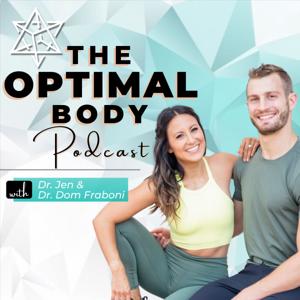


Hammer toes may run in the family—research estimates that genetics account for 49% to 90% of lesser-toe deformities—but shoes and the way your feet work still play a role. Physical therapists Jen and Dom break down how to tell flexible hammer toes from rigid ones, why cramped shoes can lead to extra pressure, corns, and calluses, and which exercises may help your toes move and work better. Dom also shares his own experience: after years of foot exercises, his rigid, high-arched feet felt much more flexible, even though they looked the same. You’ll also get practical shoe tips, a gradual exercise plan, and a heads-up on when it’s time to get rigid toes checked in person.
Needed Discount:
Jen trusted Needed Supplements for fertility, pregnancy, and beyond! Support men and women’s health with vitamins, Omega-3, and more. Used by 6,000+ pros. Use code OPTIMAL for 20% off at checkout!
Discount on the Jen Health Foot and Ankle Plan:
Looking for that guide that can help you start addressing any underlying restrictions in your foot and ankle? Check out the Foot and Ankle Plan and use code OPTIMAL to get your full first month for just $20. You can start your FREE WEEK TRIAL with no risk!
We Think You'll Love:
For full show notes and resources visit https://jen.health/podcast/479
What You'll Learn:
2:09 Muscle Imbalances Behind Hammer Toes
3:31 Flexible Versus Rigid Hammer Toes
6:46 Causes and Risk Factors
10:04 Footwear, Calluses, and Complications
11:15 Managing Hammer Toes and Setting Expectations
14:22 Choosing Shoes and Protecting Toes
17:43 Toe Spreads and Short-Foot Exercise
19:33 Toe Yoga and Isometric Presses
22:09 Standing Exercises and Functional Progressions
26:08 Rigid Hammer Toes and Closing Remarks
Hosted by Simplecast, an AdsWizz company. See pcm.adswizz.com for information about our collection and use of personal data for advertising.
After pregnancy left marathon runner and Doctor of Physical Therapy Caroline Packard with persistent leakage and prolapse symptoms, standard Kegels didn’t get her back to running or lifting—so she built the pelvic-floor program she wished she’d had. In this episode, the doctor of physical therapy explains why visible prolapse doesn’t always mean symptoms or limits, how breath and whole-body strength can support pelvic-floor function, and what a gradual return to running can involve. She also shares practical ways to adjust lifting when symptoms appear, and why it’s not too late to make changes in your 60s or 70s. Doctor Dom and Doc Jen join Packard for a frank conversation about moving beyond symptom management.
Needed Discount:
Jen trusted Needed Supplements for fertility, pregnancy, and beyond! Support men and women’s health with vitamins, Omega-3, and more. Used by 6,000+ pros. Use code OPTIMAL for 20% off at checkout!
Connect Pelvic Floor Fitness:
Join Dr Caroline's community and find true connection to the pelvic floor! Grab a discount using code OPTIMAL at checkout.
Dr Caroline's Resources:
We think you'll love:
For full show notes and resources visit https://jen.health/podcast/478
What You'll Learn:
2:21 Caroline’s Pelvic Floor Journey
6:14 Prolapse, Symptoms, and Returning to Activity
8:35 What Pelvic Health Includes
10:16 Using Symptoms to Guide Exercise
12:18 Pelvic Floor Health in Young Athletes
14:12 When to Seek Help and Starting with Breath
17:04 Breathing and Pelvic Floor Coordination
19:47 Returning to Running
26:27 Strength Training with Pelvic Floor Symptoms
28:46 Leakage During Heavy Lifting
30:44 Breathing Strategies for Lifting
33:05 Pelvic Health After Menopause
35:39 Building Confidence Through Progression
Hosted by Simplecast, an AdsWizz company. See pcm.adswizz.com for information about our collection and use of personal data for advertising.
A patient with fractures across his pelvis was writhing in pain—then breathing exercises helped him stand and lift his feet, pain-free in the moment. On this episode of The Optimal Body, Doc Jen and Dr Dom, both doctors of physical therapy, unpack what hands-on techniques can—and can’t—do, from adjustments and myofascial release to dry needling, acupuncture, ultrasound, and laser. They explain why a spinal adjustment can affect areas several segments away, why a “pop” doesn’t mean bones moved back into place, and why sham needling can bring similar relief. The bigger takeaway: these tools may offer a temporary window to move, but lasting change comes from building movement and load.
Needed Discount:
Jen trusted Needed Supplements for fertility, pregnancy, and beyond! Support men and women’s health with vitamins, Omega-3, and more. Used by 6,000+ pros. Use code OPTIMAL for 20% off at checkout!
We Think You'll Love:
For full show notes and resources visit https://jen.health/podcast/477
What You'll Learn:
What You'll Learn:
00:30 Why Question the Claims Behind Techniques?
00:55 Adjustments and Manipulations: What the Pop Does—and Doesn’t—Mean
05:12 Adjustments: Short-Term Relief and a Window for Movement
09:07 Therapeutic Ultrasound and Laser
14:10 Myofascial Release
18:44 Dry Needling and Acupuncture
22:01 Breathwork and Pain
Hosted by Simplecast, an AdsWizz company. See pcm.adswizz.com for information about our collection and use of personal data for advertising.
In this episode of the Optimal Body Podcast, Doc Jen and Doctor Dom welcome Dr. Rachel Selman, a physical therapist specializing in orthopedic sports medicine and pelvic health. Dr. Selman discusses her new book Floor It, which aims to make pelvic floor health accessible to athletes and the general public—not just postpartum women. The conversation covers pelvic floor function, its role in athletic performance, pressure management, and practical training strategies, including coordination exercises and overcoming isometrics. Dr. Selman emphasizes early symptom management and whole-body integration for optimal pelvic floor health.
Mobility Myths Webinar:
Come join the FREE Mobility Myths webinar. Doc Jen will cover the major mobility pitfalls, understand what true mobility is, and give you pointers on how to get on the right track. Join here: https://www.docjenfit.com/mobilityguide
Needed Discount:
Jen trusted Needed Supplements for fertility, pregnancy, and beyond! Support men and women’s health with vitamins, Omega-3, and more. Used by 6,000+ pros. Use code OPTIMAL for 20% off at checkout!
For full show notes and resources visit: https://jen.health/podcast/476
Dr Rachel's Resources:
We think You'll Love:
What You'll Learn:
3:17 The Motivation Behind the Book Floor It
8:51 Why Everyone Should Understand Their Pelvic Floor
10:51 Pelvic Floor Health for Male Athletes
14:42 Normalizing vs. Addressing Pelvic Floor Symptoms
16:55 The Role of the Pelvic Floor in Athletics
21:43 Why Jumping on a Trampoline Is Different
23:52 How to Connect With Your Pelvic Floor
28:46 Integrating Pelvic Floor Training Into Workouts
33:06 Symptoms During Endurance Activities
38:21 Using Overcoming Isometrics for Pelvic Health
43:52 The Big Toe’s Connection to the Pelvic Floor
Hosted by Simplecast, an AdsWizz company. See pcm.adswizz.com for information about our collection and use of personal data for advertising.
In this episode of the Optimal Body Podcast, doctors of physical therapy, Doc Jen and Doctor Dom address controversy sparked by a social media post where Doc Jen stated she doesn't seek chiropractic adjustments. They clarify that adjustments don't "realign the spine" or "put bones back into place," explaining that benefits come from reduced tension and nervous system responses. Citing research, they highlight that spinal palpation is unreliable and that similar results can be achieved through mobilization or movement. They emphasize adjustments are useful tools but shouldn't create patient dependency, advocating instead for evidence-based care and long-term self-empowerment through exercise and movement.
Needed Discount:
Jen trusted Needed Supplements for fertility, pregnancy, and beyond! Support men and women’s health with vitamins, Omega-3, and more. Used by 6,000+ pros. Use code OPTIMAL for 20% off at checkout!
We Think You'll Love:
For full show notes and resources visit https://jen.health/podcast/475
What You'll Learn:
1:16 The hosts address common misconceptions, like adjustments putting bones back into place, and the overlap between PT and chiropractic techniques.
3:42 Research shows it's unreliable for clinicians to pinpoint specific spinal segments, questioning the precision claims of some practitioners.
6:32 An adjustment doesn't just target one segment; research shows it affects multiple joints above and below the intended area.
7:26 The hosts explain that the cracking sound is a cavitation, a release of gas, not a bone moving back into place.
8:23 Discussion on the term "subluxation" and how the language used by providers can create patient dependency on treatments.
12:29 Good physical therapists and chiropractors have significant overlap in their methods, often incorporating movement and hands-on treatment beyond adjustments.
13:55 The hosts critique articles sent to them, noting many are old, small case studies, or don't actually support realignment claims.
19:15 A study showed adjustments, mobilizations, and even therapeutic touch all improved pain and brain connectivity with no significant difference.
21:51 Adjustments cause muscle relaxation and release endorphins, leading to temporary pain relief and reduced tension, lasting about 48-72 hours.
23:47 PTs use manipulations to address true mobility deficits, helping to improve range of motion before prescribing strengthening exercises.
25:15 The hosts debunk "Over Manipulation Syndrome," explaining it's not a recognized diagnosis and originated from a pro-therapy clinic.
29:06 Discussion on how degeneration is a normal part of aging and is often used as a marketing tactic to scare patients.
Hosted by Simplecast, an AdsWizz company. See pcm.adswizz.com for information about our collection and use of personal data for advertising.
In this episode of the Optimal Body Podcast, doctors of physical therapy Doc Jen and Doctor Dom explore evidence-based strategies to reduce chronic pain sensitivity. They describe chronic pain sensitivity as a "volume knob" in the nervous system that can be turned down through five key interventions: aerobic exercise, strength training, improved sleep, cognitive behavioral therapy, and graded exposure to feared movements. Each approach targets pain from physical and psychological angles. The hosts also highlight breathwork as a bonus tool for managing acute pain flares, encouraging listeners to combine these strategies for lasting relief.
Needed Discount:
Jen trusted Needed Supplements for fertility, pregnancy, and beyond! Support men and women’s health with vitamins, Omega-3, and more. Used by 6,000+ pros. Use code OPTIMAL for 20% off at checkout!
We Think You'll Love:
What You'll Learn:
1:48 Introduction to Pain Sensitivity
3:23 Aerobic Exercise
8:34 Exercise Training
12:48 Sleep Interventions
15:28 Cognitive Behavioral Approaches
18:59 Graded Exposure
20:42 The Role of Breathwork
For full show notes and resources visit: https://jen.health/podcast/474
Hosted by Simplecast, an AdsWizz company. See pcm.adswizz.com for information about our collection and use of personal data for advertising.
In this episode of the Optimal Body Podcast, Doc Jen and Doctor Dom interview nutritionist Thomas DeLauer, who specializes in cognitive nutrition and performance. Thomas shares his journey from corporate healthcare to nutrition advocacy, emphasizing how nutrition and diet impact brain function and mental clarity. He highlights key foods like dark berries, MCT oil, and eggs for cognitive support, discusses metabolic flexibility, and introduces the concept of "energy flux" for improving metabolism. Thomas also offers practical strategies for sustainable lifestyle changes, including managing willpower and optimizing meal timing for peak mental and physical performance.
Needed Discount:
Jen trusted Needed Supplements for fertility, pregnancy, and beyond! Support men and women’s health and nutrition with vitamins, Omega-3, and more. Used by 6,000+ pros. Use code OPTIMAL for 20% off at checkout!
Thomas's Resources:
We Think You'll Love:
For full show notes and resources visit https://jen.health/podcast/473
What You'll Learn:
2:05 What is Cognitive Nutrition?
8:09 Optimizing Energy and Brainpower
11:09 Foods for Mental Clarity
15:06 Fasting and Ketones for Brain Function
21:52 Understanding Metabolism
28:52 Improving Metabolic Health
32:08 Dieting Without Crashing Your Metabolism
35:20 Intuitive Eating and Whole Foods
38:07 The Importance of Protein and Fiber
42:33 Maintaining Willpower
Hosted by Simplecast, an AdsWizz company. See pcm.adswizz.com for information about our collection and use of personal data for advertising.
In this episode of the Optimal Body podcast, doctors of physical therapy, Doc Jen and Doctor Dom explore sarcopenia, the age-related loss of muscle mass and strength. They explain that while muscle mass peaks around age 25 and gradually declines, sarcopenia is not inevitable. Lifestyle factors like inactivity and poor nutrition significantly accelerate muscle loss. The hosts highlight resistance training as the most effective intervention, citing a 12-week study where sarcopenia prevalence dropped from 35% to zero. They encourage listeners to start strength training and optimize nutrition, framing sarcopenia as an environment- and activity-related condition rather than an unavoidable consequence of aging.
Needed Discount:
Jen trusted Needed Supplements for fertility, pregnancy, and beyond! Support men and women’s health with vitamins, Omega-3, and more. Used by 6,000+ pros. Use code OPTIMAL for 20% off at checkout!
We Think You'll Love:
For full show notes and resources visit https://jen.health/podcast/472
What You'll Learn:
0:29 Sarcopenia is the age-related loss of muscle mass and strength, increasing risks for falls, diabetes, and other diseases.
1:31 Officially recognized as a disease in 2016, muscle mass peaks around age 25 and declines significantly after age 50.
4:08 Sarcopenia is not inevitable. Sedentary lifestyles and poor nutrition are major contributors, more so than just aging itself.
6:10 The hosts discuss the challenges of maintaining a consistent workout routine while raising young children and feeling exhausted.
7:43 The prevalence of sarcopenia increases significantly with age, rising from 5% in your 60s to over 50% after 80.
9:12 While overall prevalence is similar, women can experience accelerated muscle loss after menopause due to hormonal changes like decreased estrogen.
11:09 Resistance training is the number one evidence-based, non-pharmaceutical treatment for preventing and reversing sarcopenia
12:01 A 12-week study showed a progressive resistance training and nutrition program reduced sarcopenia prevalence from 35% to 0%.
13:29 Strength training reduces muscle breakdown, enhances muscle growth factors, mitigates inflammation, and triggers muscle hypertrophy to build new muscle.
14:22 Improving strength also...
Hosted by Simplecast, an AdsWizz company. See pcm.adswizz.com for information about our collection and use of personal data for advertising.
In this episode of the Optimal Body Podcast, Doctors of Physical Therapy Doc Jen and Doctor Dom sit down with board-certified plastic surgeon Dr. Robert Whitfield, founder of the Sharpe Method. Dr. Whitfield shares his expertise on breast implant illness (BII), explaining how bacterial contamination, biofilm formation, and genetic factors can contribute to symptoms like fatigue, brain fog, joint pain, and hormonal disruption. He also explores natural alternatives to breast implants, such as autologous fat transfer. Whether you currently have breast implants or are considering your options, this episode offers valuable, science-backed insights to help you make informed decisions about your body and long-term health.
Dr Whitfield's Resources:
We Think You'll Love:
For full show notes and resources visit https://jen.health/podcast/471
What You'll Learn:
3:46 An explanation of using a patient's own tissue for breast implants reconstruction, comparing it to organ transplants between genetically identical twins.
7:33 Why implant-based reconstruction is the most common method worldwide, especially in community hospitals, due to less required technical support.
9:37 Dr. Whitfield recounts a 2006 case where removing implants and using the patient's own tissue resolved her chronic inflammation symptoms.
11:53 A 2016 case where a patient's only symptom was fatigue, which was linked to a hidden E. coli infection.
15:07 Discussion on the three ways infections can occur with medical devices, with the most common being bacteria entering the bloodstream.
16:17 Explaining how bacteria form biofilm on implants, causing oxidative stress, and how genetics can influence a person's inflammatory response.
20:40 Addressing whether all implant recipients should worry, highlighting the role of genetics, lifestyle, and the challenge of diagnosing symptoms.
21:59 Dr. Whitfield emphasizes prioritizing sleep hygiene, nutrition, and reducing toxin exposure as foundational steps for improving overall health.
28:33 A list of top symptoms associated with breast implant illness, including fatigue, brain fog, joint pain, and gut issues.
32:04 Discussing the psychological and
Hosted by Simplecast, an AdsWizz company. See pcm.adswizz.com for information about our collection and use of personal data for advertising.
In this empowering episode of the Optimal Body Podcast, Doc Jen and Doctor Dom tackle the realities of aging head-on with research-backed insights. They debunk common fears around MRI findings like disc bulges and osteoarthritis, explaining—using research-backed evidence—that many are normal age-related changes, not reasons to stop moving. From research-backed benefits of weighted vests for improving strength and posture, to the critical role of strength training for bone density and joint health, the hosts emphasize that movement is medicine. Whether managing osteoporosis, herniated discs, or arthritis, a proactive, guided approach to exercise can help you age with strength, confidence, and independence.
Zulu Weighted Vest:
Upgrade your everyday movement with the ZULU Weighted Vest — designed to increase calorie burn, naturally engage your core, and improve posture with every step. Perfect for walks, workouts, and daily errands. Use code OPTIMAL for 20% off at checkout.
Lifting for Longevity Discount:
Check out our NEW movement longevity course -> Lifting for Longevity! Build your Strength, Mobility, Power, Balance and more regardless of what stage or age you’re at! Podcast listeners get a bonus discount with code OPTIMAL20
We Think You'll Love:
What You'll Learn:
1:54 The Truth Behind Aging
3:42 The Power of a Provider's Words
6:07 Misconceptions About Aging and Exercise
7:13 Understanding MRI Findings
11:07 Knee Osteoarthritis and Exercise
14:21 Running with Osteoarthritis
15:45 Osteoporosis and Heavy Lifting
18:23 The LIFTMOOR Trial for Osteoporosis
20:58 Herniated Discs and Fear of Movement
25:47 Red Flags for Back Pain
27:11 Four Pillars of Healthy Aging
28:19 Pain Monitoring Rules for Exercise
For the full show notes and resources visit https://jen.health/podcast/470
Hosted by Simplecast, an AdsWizz company. See pcm.adswizz.com for information about our collection and use of personal data for advertising.
From the publisher's feed
7,176 Listeners

1,117 Listeners
2,006 Listeners

4,853 Listeners

3,464 Listeners

9,286 Listeners
810 Listeners

1,411 Listeners

663 Listeners
1,415 Listeners

28,899 Listeners
1,455 Listeners
1,737 Listeners

1,215 Listeners

99 Listeners