
Sign up to save your podcasts
Or

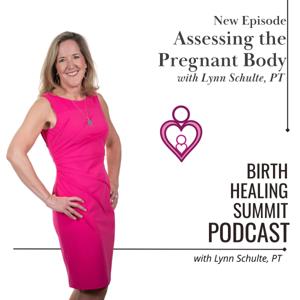


What if your client has done everything right – pelvic floor PT, stretching, exercise, therapy, nutrition – and they're still struggling more than a year postpartum?
In this episode, Lynn sits down with former client Samantha to unpack a complex postpartum recovery that many pelvic health therapists will recognize. After two very different births, Samantha was left with persistent pelvic floor tension, low back pain, bowel dysfunction, urinary symptoms, painful intercourse, and overwhelming emotional distress. Despite months of treatment elsewhere, her symptoms remained unchanged.
This conversation explores the clinical reasoning behind looking beyond isolated muscles to assess the pelvis as a whole – including birth patterns, pelvic bone positioning, compensatory movement strategies, nervous system regulation, and unresolved trauma. For those who have had postpartum clients that plateau despite doing "all the right things," this episode offers valuable clinical insights for how you assess and treat these challenging cases.
Clinical Takeaways
From Treatment to Recovery: A Clinician and Client Perspective
This episode isn't simply another postpartum success story. It's a detailed clinical discussion that walks through the therapist's reasoning from evaluation to treatment, while hearing directly from the client's perspective about how unresolved pelvic tension affected every aspect of her life – including motherhood, relationships, and mental health.
If you treat postpartum clients with persistent symptoms, this conversation will encourage you to think differently about assessment, treatment sequencing, and the interconnected nature of physical and emotional healing.
Don't Miss This Episode If You Treat Clients With:
Recovery isn't always about doing more exercises. Sometimes it's about uncovering the hidden patterns that have been preventing the body from healing all along.
Connect With Lynn
Have a comment or question about today’s episode? Message Lynn on Instagram or Facebook, or Email Lynn.
About the speaker:
Samantha Dove is a Board-Certified Behavior Analyst and LBA living in Mead, Co. She has over 16 years of experience working with children and adults in a multitude of settings. She has been working in the field of Applied Behavior Analysis for 8 years, but before that, she worked as a Special Education teacher in the public-school setting. She has a passion for advocating and helping individuals with disabilities accomplish their goals. She loves to go camping, paddleboarding, and spending time with her family.
Visit Institute for Birth Healing to learn more about how to care for the pregnant and postpartum body: CLICK HERE
Could your postpartum client's neck pain actually begin in the pelvis?
In this episode, Lynn Schulte, PT, explores the often-overlooked relationship between pelvic stability, upper cervical mechanics, shoulder function, and the physical demands of caring for a newborn. Learn why headaches, neck pain, thoracic outlet symptoms, and shoulder tension may be driven by postpartum compensation patterns – not just local tissue dysfunction.
You'll discover how birth biomechanics influence the entire body, why first rib mobility and scalene function matter, and practical assessment strategies you can immediately integrate into your postpartum evaluations.
If you're a pelvic health therapist, physical therapist, occupational therapist, bodyworker, or birth professional looking to improve outcomes for postpartum clients, this episode offers valuable clinical insights you won't want to miss.
Subscribe for more evidence-informed education designed to help you transform the way you practice and help your clients recover more completely after birth.
About The Speaker
Lynn Schulte, PT is a pelvic health physical therapist with more than 30 years of experience helping practitioners understand the biomechanical, myofascial, and nervous system influences affecting pregnancy, birth, and postpartum recovery. Through the Institute for Birth Healing, she teaches evidence-informed continuing education courses focused on practical techniques that help clinicians achieve meaningful outcomes for their clients.
Open Birthing Pattern: https://instituteforbirthhealing.com/open-birthing-pattern-signs-symptoms/
Institute For Birth Healing Courses: https://instituteforbirthhealing.com/all-courses/
Message me on Instagram: https://www.instagram.com/instituteforbirthhealing/
Message me on Facebook: https://www.facebook.com/InstituteForBirthHealing/
Email Me: [email protected]
If you enjoyed today’s podcast and are interested in more topics to support your clinical practice and treating your clients, find us on your favorite podcast app and subscribe so you don’t miss an episode.
Visit Institute for Birth Healing to learn more about how to care for the pregnant and postpartum body: CLICK HERE
Pelvic floor health has long been overlooked in sports medicine – but that's changing. In this episode, Lynn sits down with internationally recognized pelvic health physiotherapist and researcher Gráinne Donnelly to discuss her groundbreaking new textbook, Sports Medicine in the Pelvic Floor: Science to Practice. Together, they explore why pelvic health deserves a place in every athlete's care, how this ambitious project came to life, and the exciting future of research that will shape the next generation of clinicians. If you're passionate about helping athletes perform at their best, this episode will leave you inspired and thinking differently about the pelvic floor.
In This Episode You'll Discover:
Clinical Takeaways
Why You Should Listen
Whether you treat elite athletes, postpartum moms, or active individuals, this conversation offers fresh perspectives that challenge traditional thinking. Gráinne shares the vision behind creating one of the most comprehensive pelvic health resources available today while Lynn explores how emerging research could transform postpartum rehabilitation. You'll walk away with new ideas, renewed curiosity, and plenty of inspiration to elevate your own clinical practice.
🎧 Tune in now and discover why the future of sports medicine can't ignore the pelvic floor.
About The Speaker
Gráinne Donnelly is an Advanced Practice Pelvic Health Physiotherapist, doctoral researcher and international educator based in Northern Ireland. She is Editor-in-Chief of the Journal of Pelvic, Obstetric and Gynaecological Physiotherapy (JPOGP) and editor of the Elsevier textbook Sports Medicine and the Pelvic Floor – Science to Practice. Her work bridges research and clinical practice, advancing evidence-based pelvic health care for women in sport and postpartum recovery.
Speaker’s websites: https://absolute.physio/ and https://www.sportsmedicineandthepelvicfloor.com/
Connect With Lynn
Have a comment or question about today’s episode? Message Lynn on Instagram or Facebook, or Email Lynn.
[Don’t include for YouTube/Buzzsprout] Subscribe to the Birth Healing Summit Podcast
Don’t miss an episode! If you enjoyed today’s podcast and are interested in more topics to support your clinical practice and treatment sessions, find us on your favorite podcast app. Follow or Subscribe to the Birth Healing Summit Podcast on:
Visit Institute for Birth Healing to learn more about how to care for the pregnant and postpartum body: CLICK HERE
Many obstetric anal sphincter injuries (OASIS) are missed immediately after birth, leaving women to unknowingly compensate for years until hormonal changes, aging, or menopause expose underlying dysfunction. In this eye-opening conversation, Lynn Schulte sits down with urogynecologist and pelvic floor surgeon Dr. Alexandra Dubinskaya to discuss obstetric anal sphincter injuries (OASIS), why they are often missed, and the lifelong consequences they can create for women.
From the realities of birth trauma to missed diagnoses to pudendal nerve injuries, this episode dives into the complex factors influencing bowel control, pelvic floor function, hormonal shifts and postpartum recovery. Dr. Dubinskaya also shares treatment options that many practitioners may not be familiar with, including neuromodulation and surgical interventions.
This conversation will provide pelvic health practitioners with practical insights to better recognize, educate, and support clients in postpartum and throughout their lifespan
Clinical Takeaways from this Episode
Frequently Asked Questions
What is an obstetric anal sphincter injury (OASIS)?
OASIS refers to third- and fourth-degree perineal tears involving the anal sphincter muscles, with fourth-degree tears extending into the rectal mucosa.
Why are OASIS injuries often missed?
Diagnosis can be difficult because birth occurs in a dynamic environment with tissue swelling, bleeding, variable anesthesia, limited visualization, and urgent clinical priorities.
What symptoms may suggest a missed sphincter injury?
Practitioners should be alert for fecal urgency, bowel leakage, decreased anal sensation, difficulty controlling bowel movements, urinary symptoms, and persistent pelvic floor dysfunction.
Why do symptoms sometimes appear years later?
Women often compensate for mild injuries for years. Hormonal changes during menopause, age-related muscle loss, and reduced tissue resilience may uncover previously compensated dysfunction.
How can pelvic floor physical therapy help?
Pelvic floor rehabilitation can improve muscle coordination, restore neuromuscular awareness, optimize bowel mechanics, reduce muscular guarding, address scar tissue, and improve quality of life while helping determine when additional medical referral is appropriate.
About Today’s Guest
Dr. Alexandra Dubinskaya is a nationally and internationally recognized Urogynecologist and Sexual Medicine specialist based in Beverly Hills. Her innovative, whole-person approach blends cutting-edge science with deeply compassionate care, empowering women to reclaim their bodies, confidence, and pleasure at every age. Born and raised in Russia, Dr. Dubinskaya moved to the United States with a singular goal: to transform women’s health. Today, she is a rising voice in the field, serving as Chair of the Communication Committee for the International Society for Sexual Medicine (ISSM), where she leads global efforts to elevate sexual health literacy and dismantle the silence surrounding conditions women have been told to “just live with.”
Dr. Dubinskaya’s expertise spans urinary and pelvic floor disorders, sexual pain, libido concerns, menopause care, and the modern science of pleasure. Her research is featured in top medical journals and textbooks, and her growing social media platforms are reframing long-ignored conversations with evidence, empathy, and a touch of humor.
She is sought after for her ability to translate medical knowledge into compelling, relatable storytelling—whether on stage, on camera, or behind a microphone. Fiercely dedicated to women’s wellbeing, she is on a mission to rewrite the cultural narrative around pelvic, sexual, and menopausal health, empowering women everywhere to feel seen, validated, and in control of their bodies.
YouTube: Drurogyn
IG: Drurogyn Alexdubinskaya
Why This Episode Matters
Birth recovery doesn't end at six weeks postpartum, and neither should our clinical thinking. Obstetric anal sphincter injuries remind us that the effects of childbirth can extend across decades, influencing continence, function, confidence, and quality of life long after delivery. Through earlier recognition, collaborative care, patient education, and skilled rehabilitation, pelvic health practitioners have the opportunity to change outcomes – not only in the postpartum period, but throughout every stage of a client's life.
Subscribe to the Birth Healing Summit Podcast
Don’t miss an episode! If you enjoyed today’s podcast and are interested in more topics to support your clinical practice and treatment sessions, find us on your favorite podcast app. Follow or Subscribe to the Birth Healing Summit Podcast on:
To learn more visit: InstituteforBirthHealing.com
Visit Institute for Birth Healing to learn more about how to care for the pregnant and postpartum body: CLICK HERE
Birth preparation involves far more than physical readiness. In this episode, Ama K. Karikari, Esq., joins Lynn Schulte, PT, to discuss how pelvic health therapists can help clients build self-trust, find their voice, and become active participants in their birth experience. While outcomes are unknown, clients who feel empowered, informed, and supported often navigate birth with greater confidence and less fear.
Clinical Takeaways For Pelvic Health Practitioners
Ways Practitioners Can Help Clients Prepare for Birth
Resources & Links Mentioned
Books
Concepts Discussed
Frequently Asked Questions
Why is self-advocacy important during birth?
Self-advocacy helps clients communicate their needs, ask questions, participate in decisions, and feel more empowered throughout labor.
What should comprehensive birth preparation include?
Effective birth preparation includes physical readiness, emotional support, communication skills, understanding birth options, developing self-trust, and creating a strong support system.
About The Speaker
Ama K. Karikari, Esq. is an author, transformational guide, community leader and founder of the Soaring Sisters Circle. She creates empowering spaces that support healing, resilience, and personal transformation.
Ama Karikari’s website: https://www.amakkarikari.com/
Access her free book: http://bit.ly/42eVDqe
Message me on Instagram: https://www.instagram.com/instituteforbirthhealing/
Message me on Facebook: https://www.facebook.com/InstituteForBirthHealing/
Email Me: [email protected]
If you enjoyed today’s podcast and are interested in more topics to support your clinical practice and treating your clients, find us on your favorite podcast app and subscribe so you don’t miss an episode.
Visit Institute for Birth Healing to learn more about how to care for the pregnant and postpartum body: CLICK HERE
Why is your client's perineal tear or episiotomy still painful months after birth? Today, Lynn Schulte, PT, explores three commonly overlooked contributors to delayed healing: pelvic bone positioning, surrounding tissue restrictions, and unresolved trauma responses held within the tissues.
Clinical Takeaways From This Episode
• Assess for an Open Birthing Pattern when healing is delayed.
• Approximate the ischial bones during scar treatment.
• Evaluate tissues surrounding the scar, not just the scar itself.
• Consider unresolved trauma when tenderness persists.
• Prioritize circulation and tissue mobility to support healing.
• Never force tissue release.
Why do some perineal tears or episiotomies fail to heal completely?
Lynn explains how an Open Birthing Pattern can create ongoing tension through the pelvic floor and perineum, placing stress on healing tissues. She shares practical assessment and treatment strategies, including approximating the ischial bones during scar work and addressing restrictions in the tissues surrounding the scar rather than focusing solely on the scar itself.
The episode also explores why some scars remain extremely tender despite treatment. In certain cases, persistent sensitivity may reflect unresolved trauma responses that require a trauma-informed approach and interdisciplinary support.
How can pelvic health therapists help create a full recovery?
Through clinical case studies, Lynn demonstrates how improving tissue mobility, reducing tension, and restoring blood flow can help facilitate healing when traditional approaches fall short.
Whether working with perineal tears, episiotomies, or C-section scars, pelvic health therapists can uncover the root of why some tissues fail to heal and what they can do to work with the tissue in a different way to promote full healing.
What educational resources for pelvic health therapists can help you learn these skills?
Holistic Treatment of the Postpartum Body: https://instituteforbirthhealing.com/postpartum-body/
Advanced Postpartum Techniques: https://instituteforbirthhealing.com/advanced-postpartum-techniques
Learn More and Connect With Lynn Schulte
Message me on Instagram: https://www.instagram.com/instituteforbirthhealing/
Message me on Facebook: https://www.facebook.com/InstituteForBirthHealing/
Email Me: [email protected]
Learn More: InstituteforBirthHealing.com
Visit Institute for Birth Healing to learn more about how to care for the pregnant and postpartum body: CLICK HERE
This episode pulls you into two pregnant client case studies that seem straightforward at first – until the bodies start telling a very different story. A 35-week first time pregnant client arrives with pelvic pain, leg symptoms, and nighttime disruption, and what unfolds reveals a layered map of old surgical history, a snowboarding injury, and a spine that never developed typical curves. Each piece of her history quietly shapes how her pregnancy is unfolding. Then a second case at 25 weeks looks like “typical” postpartum carryover and hypermobility … until subtle clues in the sacrum, ischium, pelvic floor, and even whiplash history begin pointing to a much deeper structural narrative than expected. As each layer is uncovered, what initially looks like isolated pelvic dysfunction turns into a full-body story spanning cervical spine, cranium, pelvis, and past trauma – none of which would be obvious from standard assessment alone. This episode leaves you questioning how many of your own clients are carrying hidden layers you have not been taught to see yet.
✨ Key Takeaways for Practitioners:
Have a comment or question about today’s episode? Message Lynn on Instagram or Facebook, or Email Lynn.
If you enjoyed today’s podcast and are interested in more topics to support your clinical practice and treating your clients, find us on your favorite podcast app and subscribe so you don’t miss an episode.
To learn more visit: InstituteforBirthHealing.com
Visit Institute for Birth Healing to learn more about how to care for the pregnant and postpartum body: CLICK HERE
Ever find yourself stuck in resistance – knowing what you “should” be doing, but unable to actually do it? In this episode, Lynn shares a personal post-Birth Healing Summit moment where overwhelm, exhaustion, and guilt led to total shutdown, procrastination, and scrolling instead of working. What shifted everything wasn’t more discipline – but a simple question from a loved one that revealed the hidden pressure underneath the resistance. Once she gave herself permission to fully step away from work, the guilt dissolved, the energy shifted, and creativity came flooding back. By Monday, she returned to her projects refreshed, focused, and reconnected to her purpose.
✨ Episode Highlights:
Have a comment or question about today’s episode? Message Lynn on Instagram or Facebook, or Email Lynn.
If you enjoyed today’s podcast and are interested in more topics to support your clinical practice and treating your clients, find us on your favorite podcast app and subscribe so you don’t miss an episode.
To learn more visit: InstituteforBirthHealing.com
Visit Institute for Birth Healing to learn more about how to care for the pregnant and postpartum body: CLICK HERE
What if the thing you’re waiting for … is simply the courage to begin?
In this heartfelt and inspiring episode, Lynn Schulte sits down with Occupational Therapist Stephanie Smith to talk about the unexpected journey that led Stephanie from being a new mom experiencing leaking postpartum … to launching her own thriving pelvic health practice.
Stephanie shares the vulnerable story of the moment she realized something in her own body wasn’t right after childbirth – she never expected it would become a major turning point in her life. That single experience eventually introduced her to pelvic health therapy and awakened what she now calls her true calling.
But this episode goes far deeper than business-building.
Together, Lynn and Stephanie dive into:
One of the most powerful moments comes when Stephanie shares the story of sitting at an airport gate after attending Lynn’s live Holistic Treatment of the Postpartum Course. She kept hearing an internal nudge to “just do it” and posted a simple offer for free sessions in a local moms group. She boarded her flight with no expectations … and landed to 15 women asking for help.
This conversation is packed with encouragement for:
If you’ve ever questioned whether you’re ready…
If you’ve ever felt the pull toward something bigger…
Or if you simply want to hear an incredibly honest and inspiring story about following intuition and creating meaningful impact –
this episode will stay with you.
Have a comment or question about today’s episode? Message Lynn on Instagram or Facebook, or Email Lynn.
If you enjoyed today’s podcast and are interested in more topics to support your clinical practice and treating your clients, find us on your favorite podcast app and subscribe so you don’t miss an episode.
To learn more visit:InstituteforBirthHealing.com
About Today’s Speaker
Stephanie Smith, OTR/L
Stephanie Smith is a pelvic floor occupational therapist and the founder of Everbloom Pelvic Health in Sanford, North Carolina. She specializes in pregnancy, postpartum, and pelvic health care through a trauma-informed, whole-body approach. Her work focuses on helping women reconnect with their bodies, improve core and pelvic floor function, and feel confident through every stage of womanhood.
She created Everbloom to be the kind of care she wishes existed-where women feel seen, supported, and educated in their bodies. Through a blend of hands-on therapy, movement, and nervous system support, Stephanie provides deeply personalized care that goes far beyond traditional pelvic floor therapy.
Website: https://www.everbloompelvichealth.com/
Visit Institute for Birth Healing to learn more about how to care for the pregnant and postpartum body: CLICK HERE
Pelvic health clinicians are trained to assess muscles, fascia, joints, and organs – but one powerful system influencing pelvic function is often overlooked: the lymphatic system.
In this episode, Lynn is joined by pelvic health therapist and certified lymphedema specialist, Mary Ellen Kramp, to discuss why lymphatic function deserves more attention in pelvic health care.
The lymphatic system plays a critical role in fluid balance, immune function, and tissue health, yet it’s rarely emphasized in traditional PT training. When lymphatic flow becomes impaired in the abdomen or pelvis, it may contribute to symptoms clinicians commonly see – such as bloating, pelvic heaviness, tissue congestion, and urinary urgency.
Mary Ellen shares how practitioners can begin recognizing lymphatic involvement through tissue quality, palpation findings, and clinical patterns, particularly during pregnancy, postpartum recovery, and after surgeries like C-sections.
This conversation invites clinicians to expand their lens and consider how lymphatic congestion may be influencing pelvic symptoms they treat every day.
Have a comment or question about today’s episode? Message Lynn on Instagram or Facebook, or Email Lynn.
If you enjoyed today’s podcast and are interested in more topics to support your clinical practice and treating your clients, find us on your favorite podcast app and subscribe so you don’t miss an episode.
To learn more visit: InstituteforBirthHealing.com
Visit Institute for Birth Healing to learn more about how to care for the pregnant and postpartum body: CLICK HERE
From the publisher's feed
We are here for meaningful conversations that will transform how you work with pregnant and postpartum clients. Whether it is a new perspective, tool, or technique, you’ll be able to implement it…

11,760 Listeners

2,313 Listeners

119 Listeners

1,037 Listeners
1,138 Listeners
183 Listeners

14,736 Listeners

29,166 Listeners
663 Listeners

4,511 Listeners

41,371 Listeners

19,126 Listeners

30 Listeners

69 Listeners
30 Listeners