
Sign up to save your podcasts
Or



Send us Fan Mail
Mical Teja joins us for a powerful conversation on legacy, resilience, and redefining modern soca through history.
From the making of DNA and its Road March journey, to the deeper cultural intention behind Last Train, Hall of Fame, and Runaway, Teja opens up about songwriting, production, and why emotional connection matters more than hype.
We talk about:
The story behind revisiting calypso classics and preserving heritage
Why he refuses to chase formulas — and how he builds timeless music
Performing in calypso tents and respecting the icons
The National Philharmonic collaboration at NAPA
Panorama, pan arrangements, and cultural responsibility
Dealing with criticism, DJs, and industry pressure
Why Trinidad & Tobago is still the Capital of Carnival
This is a masterclass in artistry, humility, and vision from one of the most important voices in Caribbean music today.
🎧 Click the link in my bio for the full episode.
#coriesheppardpodcast
Send us Fan Mail
In this wide-ranging and deeply reflective conversation, Machel Montano joins The Corie Sheppard Podcast to break down what most people misunderstand about Road March, performance, and longevity in Caribbean music.
Machel explains why Road March is not about choosing a song, but about understanding energy, momentum, build-up, release, and timing. Drawing from decades of experience, he walks us through the science of taking people “to the ramp,” why you can’t leave them there, and how great Road March songs are engineered to keep rising.
The conversation goes far beyond competition. Machel reflects on:
The philosophy behind his creative process and live performances
Why legacy is built backstage, not just onstage
His openness, vulnerability, and spiritual journey
Lessons learned from losing, winning, and being booed
The importance of teams, collaboration, and cultural memory
Why Caribbean music must invest in education, documentation, and systems — not just hits
He also shares personal stories about burnout, reinvention, mentorship, and why he continues to show up after everything he’s achieved.
This episode is a masterclass in artistry, intention, and cultural leadership — from one of the most influential figures in Caribbean music history.
Send us Fan Mail
In this J’Ouvert Morning release, we sit with Stanton Kewley — co-founder of 3 Canal, master craftsman, sculptor, teacher, and one of the true Kings of J’Ouvert.
From the raw, rope-less energy of early J’Ouvert mornings to the evolution of rapso as philosophy, Stanton reflects on what Carnival has lost — and what must be preserved. He speaks passionately about the ritual of waiting for dawn, the transformation of paint and powder into spirit, and why J’Ouvert was never just about mud… it was about meaning
transcript-blue-ritual-and-the-…
.
We explore:
The birth and growth of 3 Canal’s J’Ouvert band
Why ritual matters more than spectacle
The philosophy of rapso: “Representing A Positive Social Outlook”
Mentorship, teaching, and guiding the next generation
The making of Blue and the idea of “making a statement”
transcript-blue-ritual-and-the-…
Craftsmanship in mas, sculpture, and stage design
The danger of cultural self-contempt and losing our voice
Stanton shares powerful reflections on stepping away from leading the J’Ouvert band after 30 years, choosing instead to mentor youth through spaces like the Black Box and Backyard Jams. For him, Carnival is not competition — it is communion. Not product — but expression.
Send us Fan Mail
In this special J’Ouvert Morning release, we sit with Wendell Manwarren — co-founder of 3 Canal, pioneer of rapso, and one of the true Kings of J’Ouvert.
From Belmont to the Savannah stage, Wendell unpacks the philosophy behind Carnival, the power of the rope as symbol, and how 3 Canal transformed social commentary into anthem. We explore the origins of Blue, the ritual of J’Ouvert, the evolution of rapso, and why Carnival has always been about resistance, rebellion, and reclaiming space.
This conversation goes beyond music.
We discuss:
The birth of 3 Canal and the rapso movement
The cultural meaning of J’Ouvert
Class, power, and the symbolism of the rope
Mentorship from giants like Derek Walcott and Peter Minshall
The transformation of Carnival from ritual to product
Why noise has always been political
The Carnival imagination and storytelling as nation-building
Wendell reflects on legacy, responsibility, and what it means to stand in history — not just perform in it.
This is Part I of the 3 Canal: Kings of J’Ouvert trilogy.
If you care about Carnival, culture, resistance, and the future of Trinidad & Tobago’s creative identity this episode is essential listening.
Send us Fan Mail
In this wide-ranging and deeply personal conversation, we sit down with DJ, producer, and cultural architect Private Ryan to unpack his journey from sound system culture and radio to becoming one of the most influential figures in modern Carnival.
We explore how Soca Brainwash evolved from a mixtape concept into a global Carnival brand, why DJ culture matters as much as artists, and how Ryan approaches music curation, production, and crowd psychology at the highest level. From the early days of Detrimental Sound, radio battles, and mixtape culture, to producing genre-defining records like “Feeling Love” and “Lost in Trinbago,” Ryan breaks down the thinking behind the moments that shaped the culture.
This episode also dives into:
If you care about Carnival, soca, DJ culture, music production, or Caribbean creative entrepreneurship, this is a must-listen.
👉 Click the link in my bio for the full episode
🎙️ #coriesheppardpodcast #PrivateRyan #Soca #CarnivalCulture #DJCulture #TrinidadAndTobago #CaribbeanMusic #SocaBrainwash
Send us Fan Mail
This episode is our salute to Attillah Springer, Pearl Eintou Springer, and the entire team behind the Canboulay Ritual Enactment — honouring their work in preserving the spiritual and historical foundation of Trinidad & Tobago’s Carnival.
In this powerful conversation, we explore the true origins of Carnival through the lens of Canboulay — resistance, ancestral memory, African spiritual continuities, and the communities of East Port of Spain who have carried this legacy forward.
Attillah unpacks:
The history behind the Canboulay riots
Why ritual enactment matters
The spiritual dimensions of Carnival
The difference between commercial Carnival and cultural Carnival
Heritage, economics, and protecting intangible knowledge
This episode goes beyond celebration.
It is about remembrance.
It is about resistance.
It is about community.
It is about spirit.
A necessary conversation on tradition, identity, and the living legacy of our ancestors.
Send us Fan Mail
For over 30 years, George Singh has shaped Carnival history as the founder of Chutney Soca Monarch, building what has become the most important Indo-Caribbean cultural competition in the world.
In this in-depth conversation, George takes us behind the scenes of how Chutney Soca Monarch began in 1996, the resistance he faced bringing chutney music into Carnival, and why fusion music is Trinidad & Tobago’s most authentic cultural expression. He shares never-before-told stories about Machel Montano’s surprise entry and win, the early days with artists like Sonny Mann, Sundar Popo, and Cecil Fonrose, and how the competition survived COVID, funding uncertainty, and public controversy.
We also explore the business realities of culture, including why government funding is essential, how tokenismcontinues to affect Indo-Caribbean art forms, and why Chutney Soca Monarch remains free to the public despite being a multi-million-dollar production. George speaks candidly about censorship, rum songs, lyrical responsibility, judging controversies, online abuse, and what it really takes to sustain a cultural institution for three decades.
This episode is a powerful reflection on legacy, equity, cultural policy, and nation-building through music — and why Chutney Soca Monarch is not just a competition, but a living archive of Trinidad & Tobago’s identity.
🎧 Click the link in my bio for the full episode
#coriesheppardpodcast
Send us Fan Mail
In this episode of The Corie Sheppard Podcast, we sit with one of Trinidad & Tobago’s most respected and intentional soca artists — Nadia Batson.
Nadia opens up about her creative philosophy, explaining why she refuses to compete with her past hits and how trusting her instincts has led to songs like “Pieces” taking over TikTok and Carnival stages across the Caribbean. We dive deep into her songwriting process, the importance of knowing your audience, and how confidence — not pressure — fuels longevity.
The conversation also explores:
How “Pieces” became a regional anthem
Writing songs without music and trusting melody instinct
Stage nerves, performance dominance, and vulnerability
Building Art Form to reclaim creative control
The realities of Carnival performance, vocal strain, and technology
Why Nadia believes in building your own table in the industry
Her journey from background vocalist to frontline artist
The balance between artistry, business, and authenticity
This is a masterclass in creative confidence, Caribbean music culture, and sustainable artistry — straight from someone who’s lived it.
🎙️ Click the link in my bio for the full episode#coriesheppardpodcast
Send us Fan Mail
In this powerful and deeply personal episode of The Corie Sheppard Podcast, we sit with Terri Lyons — Calypso Monarch, Queen of Queens, performer, and cultural torchbearer — for an expansive conversation on calypso, resilience, legacy, and Caribbean identity.
Terri unpacks what it truly means to represent Trinidad & Tobago on regional stages such as Montserrat and Carifesta, the responsibility that comes with being crowned Queen of Queens, and why claims that calypso is dying completely miss the point. She reflects on commanding performances, crowd connection, and the discipline behind her powerful stage presence.
The conversation moves into Terri’s early life in Port of Spain and Laventille, growing up without financial security, navigating loss and trauma, and how those experiences shaped her resilience, creative drive, and refusal to be boxed in by industry expectations. She speaks candidly about motherhood, survival, financial discipline, and staying authentic in a challenging music landscape.
We also explore:
This episode is a masterclass in Caribbean excellence, cultural preservation, and personal grit — filled with humour, honesty, and hard-earned insight from one of Trinidad & Tobago’s most compelling calypsonians.
Send us Fan Mail
In this episode of The Corie Sheppard Podcast, we sit down with Braveboy — artist, songwriter, and cultural strategist — for a deep conversation on music, identity, and navigating global creative spaces from Trinidad and Tobago.
Braveboy traces his journey from early soca and trapso roots to international collaborations across EDM, Zumba, hip hop, and global club music. He shares how studying law and the business of music shaped his independence as an artist, why soca travels further than we often realise, and how Trinidadian culture shows up in global DJ pools without us even knowing.
We also explore:
The rise and impact of trapso
Why soca is both local fuel and global currency
Performing internationally vs Caribbean audiences
Zumba as a powerful global music platform
Navigating stereotypes, visibility, and identity as a Caribbean artist
The importance of ownership, publishing, and long-term strategy in music
This is a conversation about artistry, survival, culture, and legacy — and what it really means to build a career beyond borders while staying rooted.
From the publisher's feed
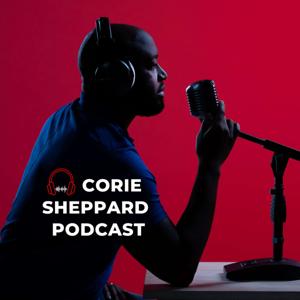
The Corie Sheppard Podcast
A trusted space for honest, Caribbean-rooted conversations that connect generations, challenge norms, and celebrate culture through real stories and…
Hosted by Corie Sheppard-Babb, the podcast explores the lives, journeys, and ideas of the Caribbean’s most compelling voices—artists, entrepreneurs, cultural leaders, changemakers, and everyday people with powerful stories. Each episode goes beyond headlines and hype to uncover the values, history, humour, struggle, and brilliance that shape who we are.
Whether it’s music, business, creativity, identity, advocacy, or community, this podcast holds space for the kind of dialogue that inspires reflection, empowers expression, and preserves our legacy. It’s culture in conversation—unfiltered, intergenerational, and deeply Caribbean.
Listen, subscribe, and be part of the stories that move the region forward.

1,267 Listeners
214 Listeners
200 Listeners

101 Listeners
14,195 Listeners

8,397 Listeners

16,321 Listeners
4,045 Listeners
13,016 Listeners

1,034 Listeners

19,163 Listeners

358 Listeners
2,284 Listeners

46 Listeners

1,176 Listeners