
Sign up to save your podcasts
Or

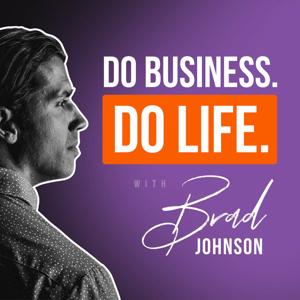


If you’re leading a team and meeting with clients every day, your ability to influence, listen, and read the room matters more than you think. The best advisors aren’t just good at numbers, they’re good at people. And most of us are missing half the signals.
In this episode, I’m joined by mentalist and keynote speaker, Max Major. We recently had the pleasure of having Max perform at our Triad Launch Experience and he absolutely blew the room away. And it wasn’t just with his mind-bending demonstrations, it was with the psychology behind influence, body language, and belief systems.
We unpack what’s really happening beneath the surface in client conversations — how your intent changes the energy in the room, how subtle body language cues reveal internal objections, and how understanding your client’s state of mind can completely reshape the way you lead, serve, and earn trust.
3 of the biggest insights from Max Major…
#1.) Body Language Is About Noticing Shifts, Not Judgment
There’s no universal meaning to crossed arms. The game is noticing changes from open to closed (or closed to open), then stopping and giving them the floor immediately. That’s how you handle objections before they become deal-killers.
#2.) The Best Salespeople Are Elite Listeners
Confidence, rapport, and trust are the three pillars of influence. But the real edge comes from listening deeply enough to let the client write the sales pitch for you and then paraphrase it in your own words.
#3.) Your Thoughts Create Your Reality
Max unpacks why high performers often run on a hidden program like “I’m not good enough,” how that can drive success for years, and why upgrading the belief can unlock a new level without killing your edge.
SHOW NOTES
https://bradleyjohnson.com/158
FOLLOW BRAD JOHNSON ON SOCIAL
FOLLOW DBDL ON SOCIAL:
DISCLOSURE
DBDL podcast episode conversations are intended to provide financial advisors with ideas, strategies, concepts and tools that could be incorporated into their business and their life. No statements made in the episode are offered as, and shall not constitute financial, investment, tax or legal advice. Financial professionals are responsible for ensuring implementation of anything discussed related to business is done so in accordance with any and all regulatory, compliance responsibilities and obligations.
The Triad member statements reflect their own experience which may not be representative of all Triad Member experiences, and their appearances were not paid for.
Triad Wealth Partners, LLC is an SEC Registered Investment Adviser. Please visit Triadwealthpartners.com for more information. Triad Wealth Partners, LLC and Triad Partners, LLC are affiliated companies.
See Privacy Policy at https://art19.com/privacy and California Privacy Notice at https://art19.com/privacy#do-not-sell-my-info.
If you’re trying to scale your advisory firm, there’s a stage where things start to feel harder than they should. Everyone’s busy. Communication gets messy. You’re still producing, but you’re also trying to lead a team that needs clarity, feedback, and direction.
In this episode, I’m joined by Triad’s Member Culture Coach, Kenzie Olejnik. Kenzie joined Triad in April of 2022, when we were right in the middle of the chaos as a new company.
She helped us turn good intentions into an intentional culture built on clarity, communication, and shared language. You’ll hear Kenzie talk about the simple culture moves that actually matter, how to onboard people in a way that builds trust and excitement quickly, and why you can’t treat your team like an afterthought if you want clients to have a great experience in every interaction.
3 of the biggest insights from Kenzie Olejnik…
#1.) Clarity and Communication Fix More Than You Think
Kenzie breaks down why most culture problems aren’t “people problems.” They’re clarity problems in terms of who owns what, how decisions get made, and how teams communicate when things move fast.
#2.) Treat Your Team Like Your Best Clients
From onboarding touchpoints to celebrating wins consistently, Kenzie explains how removing friction and making people feel seen creates a culture that scales and protects the client experience.
#3.) The Shared Language That Holds the Line and Fosters Accountability
We get into why words like “family” can quietly undermine accountability, and how Triad built a shared language that made expectations clear and culture self-sustaining.
FREE GIFT + JOIN THE DBDL INSIDER CREW
Today's Gift: The Enneagram Cheat Sheet
Download here: https://bradleyjohnson.com/157
SHOW NOTES
https://bradleyjohnson.com/157
FOLLOW BRAD JOHNSON ON SOCIAL
FOLLOW DBDL ON SOCIAL:
DISCLOSURE
DBDL podcast episode conversations are intended to provide financial advisors with ideas, strategies, concepts and tools that could be incorporated into their business and their life. No statements made in the episode are offered as, and shall not constitute financial, investment, tax or legal advice. Financial professionals are responsible for ensuring implementation of anything discussed related to business is done so in accordance with any and all regulatory, compliance responsibilities and obligations.
The Triad member statements reflect their own experience which may not be representative of all Triad Member experiences, and their appearances were not paid for.
Triad Wealth Partners, LLC is an SEC Registered Investment Adviser. Please visit Triadwealthpartners.com for more information. Triad Wealth Partners, LLC and Triad Partners, LLC are affiliated companies. TP02265233532
See Privacy Policy at https://art19.com/privacy and California Privacy Notice at https://art19.com/privacy#do-not-sell-my-info.
I’ve been working with advisors for many years, and I’ve seen this pattern play out over and over again. Advisors get to a point where their marketing and selling are on point, but as they start to scale, that growth has a way of exposing cracks in the foundation.
In this episode, I’m breaking down the most overlooked role inside growing advisory firms: operations. I’ll explain why most advisors procrastinate on developing their ops department, how the best operations leaders evolve as you scale, and why doing more of what worked early on as a small team eventually stops working.
If you’ve ever left the office at the end of the day thinking, " Why does this business feel like a prison,” this episode will give you the framework to step out of the chaos, create leverage, and build a firm that fulfills the promises you make—without having everything in the business flow across your desk.
3 of the biggest insights from Brad Johnson…
#1.) Operations Is the Missing Role in Most Growing Firms
Most advisors don’t hit a growth ceiling because of marketing or sales. They stall because the execution of their operations stops working. Without a clear operations leader, the founder becomes the bottleneck and the team gets stuck.
#2.) Ops Is Not a Side Project—It Evolves as You Scale
What worked as a team of five eventually breaks at fifteen, forty, or seventy-five. Your operations must evolve from task-based delegation into true responsibility, structure, and division leadership as firms grow.
#3.) Great Operations Drive Referrals Better Than Any System
The most referral-rich firms don’t rely on scripts or programs. They remove friction, create remarkable client experiences, and let execution do the selling.
SHOW NOTES
https://bradleyjohnson.com/156
FOLLOW BRAD JOHNSON ON SOCIAL
FOLLOW DBDL ON SOCIAL:
DISCLOSURE
DBDL podcast episode conversations are intended to provide financial advisors with ideas, strategies, concepts and tools that could be incorporated into their business and their life. No statements made in the episode are offered as, and shall not constitute financial, investment, tax or legal advice. Financial professionals are responsible for ensuring implementation of anything discussed related to business is done so in accordance with any and all regulatory, compliance responsibilities and obligations.
The Triad member statements reflect their own experience which may not be representative of all Triad Member experiences, and their appearances were not paid for.
Triad Wealth Partners, LLC is an SEC Registered Investment Adviser. Please visit Triadwealthpartners.com for more information. Triad Wealth Partners, LLC and Triad Partners, LLC are affiliated companies.
See Privacy Policy at https://art19.com/privacy and California Privacy Notice at https://art19.com/privacy#do-not-sell-my-info.
I’ve worked with hundreds of top financial advisors over the years, and I keep seeing the same problem show up in different ways: incredibly talented advisors with empty calendars.
The issue usually isn’t effort. It’s how marketing decisions are made. Too often, advisors run their marketing on emotion instead of math.
In this episode, I break down the exact marketing framework I’ve shared with some of the fastest-growing firms in the country. We walk through how to evaluate marketing like an investment, not an expense. Why ROI and high frequency matters. And how shifting from one-to-one to one-to-many marketing creates leverage that allows you to scale beyond yourself.
If you want a calendar that stays full without grinding harder, this episode gives you the mental model to build it intentionally—and scale it sustainably.
3 of the biggest insights from Brad Johnson…
#1.) Marketing Must Be Driven by Math, Not Emotion
Advisors often abandon proven strategies after one bad experience. When you understand the true numbers behind your funnels, you stop guessing and start investing with confidence.
#2.) Frequency Is Just as Important as ROI
A high-ROI strategy that runs only a few times per year can’t scale your business alone. The best growth comes from balancing return and how often you can turn the volume up.
#3.) One-to-Many Is the Ultimate Growth Lever
The most scalable advisory firms don’t rely on one-to-one outreach. They use seminars, events, and content to serve many people at once—without sacrificing quality.
SHOW NOTES
https://bradleyjohnson.com/155
FOLLOW BRAD JOHNSON ON SOCIAL
FOLLOW DBDL ON SOCIAL:
DISCLOSURE
DBDL podcast episode conversations are intended to provide financial advisors with ideas, strategies, concepts and tools that could be incorporated into their business and their life. No statements made in the episode are offered as, and shall not constitute financial, investment, tax or legal advice. Financial professionals are responsible for ensuring implementation of anything discussed related to business is done so in accordance with any and all regulatory, compliance responsibilities and obligations.
The Triad member statements reflect their own experience which may not be representative of all Triad Member experiences, and their appearances were not paid for.
Triad Wealth Partners, LLC is an SEC Registered Investment Adviser. Please visit Triadwealthpartners.com for more information. Triad Wealth Partners, LLC and Triad Partners, LLC are affiliated companies.
See Privacy Policy at https://art19.com/privacy and California Privacy Notice at https://art19.com/privacy#do-not-sell-my-info.
Every advisor wants more referrals, but very few have built a business that consistently earns them.
In this conversation, I sat down with Duncan MacPherson to unpack what actually makes an advisory firm referable. Duncan is the founder of Pareto Systems and one of the most respected coaches in financial services, with nearly 30 years spent working alongside top advisory firms.
He explains why the advisors who scale fastest stop pitching products, start positioning a clear planning process, and build businesses that get found instead of chased.
3 of the biggest insights from Duncan MacPherson…
#1.) Advisors Don’t Need More Referrals, They Need to Be Referable
Most advisors focus on asking for referrals, but Duncan explains why that actually creates friction. The real breakthrough happens when clients clearly understand (and can easily explain) what makes your process different.
#2.) The Best Advisors Don’t Sell Products, They Position Their Process
The biggest shift in financial services isn’t technology, it’s philosophy. The most successful advisors have moved on from pitching products by effectively using branding and clearly articulating a proprietary process, creating deeper engagement, stronger loyalty, and a business that scales without becoming more complicated.
#3.) A Business That Depends on You Is a Business That Limits You
One of the clearest signals of a healthy business is whether it can operate without the founder’s constant presence. Duncan explains why documenting intellectual property, empowering teams, and depersonalizing the business isn’t about ego—it’s about freedom, sustainability, and enterprise value.
SHOW NOTES
https://bradleyjohnson.com/154
FOLLOW BRAD JOHNSON ON SOCIAL
FOLLOW DBDL ON SOCIAL:
DISCLOSURE
DBDL podcast episode conversations are intended to provide financial advisors with ideas, strategies, concepts and tools that could be incorporated into their business and their life. No statements made in the episode are offered as, and shall not constitute financial, investment, tax or legal advice. Financial professionals are responsible for ensuring implementation of anything discussed related to business is done so in accordance with any and all regulatory, compliance responsibilities and obligations.
The Triad member statements reflect their own experience which may not be representative of all Triad Member experiences, and their appearances were not paid for.
Triad Wealth Partners, LLC is an SEC Registered Investment Adviser. Please visit Triadwealthpartners.com for more information. Triad Wealth Partners, LLC and Triad Partners, LLC are affiliated companies. TP02255163072
See Privacy Policy at https://art19.com/privacy and California Privacy Notice at https://art19.com/privacy#do-not-sell-my-info.
What would make a 30-year-old with a corner office, a clear path to CEO, and more money than he ever imagined… walk away from it all?
That’s the question at the center of this conversation with Daniel Harkavy.
Daniel spent his 20s grinding in the mortgage banking world, chasing deals, money, and success. By 30, he was next in line to run the company—but a quiet inner voice told him this wasn’t the life he was meant to live. So he walked away.
For the last three decades, Daniel has helped high-performing leaders do what this show is all about: build successful businesses without sacrificing their life in the process. As Founder of Building Champions, he’s coached CEOs and executive teams at organizations like Chick-fil-A, Pfizer, and Bank of America.
We talk about why so many leaders burn out after they scale, how culture and leadership behavior quietly shape everything, and what it really means to do business and life by design.
5 of the biggest insights from Daniel Harkavy…
#1.) Walking Away Wasn’t Quitting, It Was Clarity
Daniel walked away at the height of his career because success didn’t feel sustainable anymore. A one-year sabbatical forced him to realize that continuing would have meant building a life he didn’t want, no matter how successful it looked.
#2.) A Smart Approach to Hiring Top Performers
Daniel built his team by intentionally spending time building relationships with his competitors — learning their goals, understanding where they were stuck, and finding ways to help them improve. By genuinely helping competitors grow where they were, he built trust, loyalty, and credibility. And when the time came, people chose him willingly.
#3.) Scaling Without Vision Is How Advisors Get Stuck
A lot of advisors scale because they think they’re supposed to. But if the “why” isn’t clear, growth just adds complexity, stress, and people problems. Scaling only works when you’re being pulled forward by a clear vision — not pushed by ego, comparison, or fear of missing out.
#4.) Emotional Volatility Quietly Destroys Culture
Emotional blowups cost more than most leaders realize. The energy spent repairing internal damage is energy not spent growing the business. Over time, volatility wears down culture, momentum, and trust, even when intentions are good.
#5.) Fear Loses Power When You Zoom Out
When you really ask, “What’s the worst case?” most of the fear driving decisions starts to shrink. Failure is part of building anything meaningful, but it’s rarely the disaster we imagine. Perspective changes the weight of decisions and helps you build with intention instead of fear.
SHOW NOTES
https://bradleyjohnson.com/153
FOLLOW BRAD JOHNSON ON SOCIAL
FOLLOW DBDL ON SOCIAL:
DISCLOSURE
DBDL podcast episode conversations are intended to provide financial advisors with ideas, strategies, concepts and tools that could be incorporated into their business and their life. No statements made in the episode are offered as, and shall not constitute financial, investment, tax or legal advice. Financial professionals are responsible for ensuring implementation of anything discussed related to business is done so in accordance with any and all regulatory, compliance responsibilities and obligations.
The Triad member statements reflect their own experience which may not be representative of all Triad Member experiences, and their appearances were not paid for.
Triad Wealth Partners, LLC is an SEC Registered Investment Adviser. Please visit Triadwealthpartners.com for more information. Triad Wealth Partners, LLC and Triad Partners, LLC are affiliated companies.TP01255162010
See Privacy Policy at https://art19.com/privacy and California Privacy Notice at https://art19.com/privacy#do-not-sell-my-info.
In this episode, I sit down with Triad members Matt Dixon and Byron Hurren to break down how True North evolved from a founder-led advisory firm into a scalable, system-driven business.
Just a few years ago, Matt was still running client appointments, and growth flowed almost entirely through him. Byron was another advisor on the team, trying to keep up inside a model that relied heavily on individual talent. Today, Matt is fully out of client meetings, Byron is leading and training a five-person sales team, and the firm is pacing for over $200M in new assets this year.
We unpack exactly what changed — how they replaced personality-driven selling with a repeatable sales process, why conversations are replicated nearly word-for-word, and how training, accountability, and culture turned individual production into firm-wide scale. This episode is a clear look at what it actually takes to grow beyond the founder without losing control of the business.
3 of the biggest insights from Matt Dixon & Byron Hurren…
#1.) Scaling Requires One Process, Not Multiple Styles
True North didn’t grow by hiring more talented closers. They grew by eliminating variation. Once every advisor followed the same repeatable process, results became predictable, coachable, and scalable.
#2.) Selling the Plan Changed Everything
The shift from pitching products to selling an ongoing planning process created clarity for clients and confidence for advisors. Planning became the product, and the team became the value.
#3.) Accountability Is the Growth Multiplier
Weekly training, recorded meetings, and direct feedback created a culture where improvement was non-negotiable. Advisors either followed the process or self-selected out.
SHOW NOTES
https://bradleyjohnson.com/152
FOLLOW BRAD JOHNSON ON SOCIAL
FOLLOW DBDL ON SOCIAL:
DISCLOSURE
DBDL podcast episode conversations are intended to provide financial advisors with ideas, strategies, concepts and tools that could be incorporated into their business and their life. No statements made in the episode are offered as, and shall not constitute financial, investment, tax or legal advice. Financial professionals are responsible for ensuring implementation of anything discussed related to business is done so in accordance with any and all regulatory, compliance responsibilities and obligations.
The Triad member statements reflect their own experience which may not be representative of all Triad Member experiences, and their appearances were not paid for.
Triad Wealth Partners, LLC is an SEC Registered Investment Adviser. Please visit Triadwealthpartners.com for more information. Triad Wealth Partners, LLC and Triad Partners, LLC are affiliated companies.
See Privacy Policy at https://art19.com/privacy and California Privacy Notice at https://art19.com/privacy#do-not-sell-my-info.
What if stronger relationships really did come down to just three things?
In this episode, I sit down with Shasta Nelson, one of the most respected voices on the science of connection. She’s a speaker, author, and researcher whose work on relationships has been featured in Harvard Business Review and TIME, whose TEDx talks have reached nearly a million viewers, and whose frameworks are used by companies like Google, LinkedIn, and Walmart.
Shasta breaks down the simple relationship triangle that explains why some connections grow deeper while others quietly drift away. We explore how this framework applies directly to the relationships advisors care about most, including clients, teams, spouses, and close friends.
We also talk about why high-performing advisors can still feel disconnected, how trust is shaped in small moments rather than big gestures, and how you can intentionally start, strengthen, or even repair relationships instead of leaving them to chance.
If you want deeper client trust, stronger teams, and relationships that actually support your life outside the office, this episode gives you a clear way to think about all of it.
3 of the biggest insights from Shasta Nelson…
#1.) The Relationship Triangle Explains Why Connections Grow or Drift
Shasta introduces a simple triangle built on positivity, consistency, and vulnerability. Every relationship, whether with clients, team members, or family, operates on these three forces. When one weakens, trust doesn’t usually break. It slowly fades.
#2.) High Performers Can Be Surrounded by People and Still Feel Lonely
Many advisors interact with people all day and still feel disconnected. Shasta explains that loneliness isn’t about a lack of relationships. It’s about a lack of depth. Without relationships at the top of the triangle, connection feels transactional instead of meaningful.
#3.) Stronger Client and Team Relationships Can Be Designed
Once you understand the triangle, relationships stop being accidental. From first impressions to final moments, rituals, and shared experiences, advisors can intentionally start, strengthen, and even repair relationships instead of leaving trust to chance.
SHOW NOTES
https://bradleyjohnson.com/151
FOLLOW BRAD JOHNSON ON SOCIAL
FOLLOW DBDL ON SOCIAL:
DISCLOSURE
DBDL podcast episode conversations are intended to provide financial advisors with ideas, strategies, concepts and tools that could be incorporated into their business and their life. No statements made in the episode are offered as, and shall not constitute financial, investment, tax or legal advice. Financial professionals are responsible for ensuring implementation of anything discussed related to business is done so in accordance with any and all regulatory, compliance responsibilities and obligations.
The Triad member statements reflect their own experience which may not be representative of all Triad Member experiences, and their appearances were not paid for.
Triad Wealth Partners, LLC is an SEC Registered Investment Adviser. Please visit Triadwealthpartners.com for more information. Triad Wealth Partners, LLC and Triad Partners, LLC are affiliated companies.
See Privacy Policy at https://art19.com/privacy and California Privacy Notice at https://art19.com/privacy#do-not-sell-my-info.
When clients feel understood, everything gets easier. When they don’t, even the best advice falls flat. In this solo episode, I break down three lessons we can borrow from good doctors that make a huge difference in your meetings as an advisor.
Just like in medicine, the best advisors don’t rush to solutions. They slow down, ask better questions, and explain things in a way people can actually follow. I’ll walk through why diagnosing before you prescribe matters, how your “bedside manner” shows up in financial conversations, and why a real plan is something you build with clients over time—not something you hand them once and hope for the best.
If you’ve ever left a meeting thinking, “I know I gave them good advice, so why didn’t it land?” these three simple ideas will help you connect better, simplify your process, and create a better experience for every person you serve.
3 of the biggest insights from Brad Johnson…
1.) Diagnose Before You Prescribe
Clients don’t want another advisor pushing their “favorite product.” They want someone who seeks to understand—who asks layered questions, listens deeply, and helps both spouses feel heard. This is the foundation of trust and the secret behind higher conversions.
2.) Simplify the Complex with Better Bedside Manner
Planning jargon and 80-page printouts don’t impress clients—they overwhelm them. The advisors who win are the ones who translate complexity into simple, relatable frameworks and make clients feel comfortable, safe, and cared for.
3.) Build a Planning Journey, Not a One-Time Plan
Delivering a plan is not the finish line, it’s the starting line. When you walk clients through decisions one step at a time and commit to ongoing planning, you avoid overwhelm, deepen your relationship, and increase lifetime value.
SHOW NOTES
https://bradleyjohnson.com/150
FOLLOW BRAD JOHNSON ON SOCIAL
FOLLOW DBDL ON SOCIAL:
DISCLOSURE
DBDL podcast episode conversations are intended to provide financial advisors with ideas, strategies, concepts and tools that could be incorporated into their business and their life. No statements made in the episode are offered as, and shall not constitute financial, investment, tax or legal advice. Financial professionals are responsible for ensuring implementation of anything discussed related to business is done so in accordance with any and all regulatory, compliance responsibilities and obligations.
The Triad member statements reflect their own experience which may not be representative of all Triad Member experiences, and their appearances were not paid for.
Triad Wealth Partners, LLC is an SEC Registered Investment Adviser. Please visit Triadwealthpartners.com for more information. Triad Wealth Partners, LLC and Triad Partners, LLC are affiliated companies. TP12254981392
See Privacy Policy at https://art19.com/privacy and California Privacy Notice at https://art19.com/privacy#do-not-sell-my-info.
What do fighter pilots and financial advisors have in common?
More than you might think—especially when it comes to performing under pressure.
In this episode, I sit down with Carey Lorhenz—the first female F-14 Tomcat fighter pilot in U.S. Navy history—to talk about how the Navy trains people to perform in high-stakes environments without leaving success to chance.
We get into simulation training before live reps, checklists built for people under pressure (because even really smart people forget things), and why debriefing is one of the fastest ways to build trust and alignment on a team.
If you’re building an advisory team, trying to develop younger advisors, or tired of repeating the same mistakes as a firm, this episode gives you a playbook you can actually use.
3 of the biggest insights from Carey…
#1.) Training Should Look More Like Simulation
In the Navy, pilots don’t get thrown into real situations and told to figure it out. Carey explains why so much time is spent in academics and simulators—and why skipping this step is where a lot of advisor training breaks down.
#2.) Checklists Exist Because People Forget
Checklists aren’t about being rigid. They’re about performing when pressure is high. Carey breaks down how the Navy designs checklists for stressed humans—and why the same thinking applies to client meetings and important conversations.
#3.) The Debrief Is Where Teams Actually Get Better
Carey walks through a simple five-question debrief that builds trust, surfaces blind spots, and transfers knowledge fast—so teams improve week over week instead of repeating the same mistakes.
SHOW NOTES
https://bradleyjohnson.com/149
FOLLOW BRAD JOHNSON ON SOCIAL
FOLLOW DBDL ON SOCIAL:
DISCLOSURE
DBDL podcast episode conversations are intended to provide financial advisors with ideas, strategies, concepts and tools that could be incorporated into their business and their life. No statements made in the episode are offered as, and shall not constitute financial, investment, tax or legal advice. Financial professionals are responsible for ensuring implementation of anything discussed related to business is done so in accordance with any and all regulatory, compliance responsibilities and obligations.
The Triad member statements reflect their own experience which may not be representative of all Triad Member experiences, and their appearances were not paid for.
Triad Wealth Partners, LLC is an SEC Registered Investment Adviser. Please visit Triadwealthpartners.com for more information. Triad Wealth Partners, LLC and Triad Partners, LLC are affiliated companies.
See Privacy Policy at https://art19.com/privacy and California Privacy Notice at https://art19.com/privacy#do-not-sell-my-info.
From the publisher's feed
"Do Business. Do Life." is a weekly podcast dedicated to helping the independent financial advisor create unlimited growth and freedom in their business AND life.
Having been a coach…
Join Brad as he distills the best advice from top thought leaders and applies it to the world of independent financial advising. Get actionable tips/tactics on sales, marketing, entrepreneurship, business growth, lead generation, hiring, training, team building, company culture, core values, work/life integration, family, relationships, and more!
"Do Business. Do Life." is way more than just another podcast for financial advisors. It's an experience. It's a community. And more than anything, it's a movement. #DBDL
Want to discover what it truly means to succeed as a financial advisor? Subscribe to Do Business, Do Life OR visit https://bradleyjohnson.com/
Ranked by our users in the last 21 days
2,182 Listeners
1,341 Listeners

32,756 Listeners

21,067 Listeners
1,310 Listeners

1,934 Listeners
13,962 Listeners
712 Listeners
752 Listeners
699 Listeners

2,030 Listeners
2,144 Listeners

10,187 Listeners

1,070 Listeners
1,067 Listeners