
Sign up to save your podcasts
Or

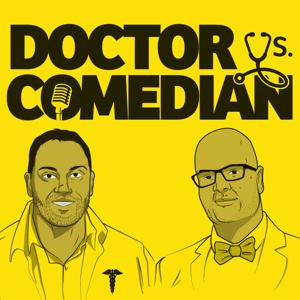


Today, Ali and Asif discuss the New York Times list of the top 100 shows of the 21st century and then they each give their individual top 10 lists (2:14). Listen to hear where ‘Breaking Bad’, ‘The Wire’, ‘Arrested Development’, ‘Succession’ and others land on their lists!
Then, based on the recent Hyrox diarrhea incident involving Joanna Wietrzyk, the guys discuss runner’s diarrhea (39:33)– a common manifestation of exercise-associated gastrointestinal symptoms (Ex-GIS), characterized by urgency, abdominal cramping, loose stools, and diarrhea during or shortly after running. Although usually benign and self-limited, gastrointestinal symptoms affect roughly 30–50% of endurance athletes with longer, more intense exercise, running, heat, dehydration, dietary factors, caffeine, NSAIDs, and aggressive carbohydrate or fluid intake increasing risk. The underlying mechanisms are discussed, including reduced blood flow to the gastrointestinal tract during exercise and mechanical effects. Asif then discusses how runners can distinguish typical exercise-related symptoms from red flags such as bloody or persistent diarrhea, weight loss, or symptoms occurring outside exercise, as well as practical prevention strategies including hydration, nutrition adjustments, “gut training,” and selective use of a short-term low-FODMAP approach.
The opinions expressed are those of the hosts, and do not reflect those of any other organizations. This podcast and website represents the opinions of the hosts. The content here should not be taken as medical advice. The content here is for entertainment and informational purposes only, and because each person is so unique, please consult your healthcare professional for any medical questions.
Music courtesy of Wataboi and 8er41 from Pixabay
Contact us at [email protected]
Follow us on Social media:
Twitter: @doctorvcomedian
Show Notes:
Here is the list in the requested format:
Hosted on Acast. See acast.com/privacy for more information.
The case of Lindsay Clancy recently ended in mistrial, so today Asif and Ali discuss post partrum depression and psychosis. The guys start off by discussing discuss postpartum depression/perinatal depression (3:58), a common and treatable medical condition that can affect parents during pregnancy or after childbirth. They explore how postpartum depression differs from the “baby blues,” how to recognize symptoms beyond simply feeling tired or overwhelmed, and why depression may begin during pregnancy rather than after delivery. They then discuss risk factors, screening questions, the effects of untreated depression on parents, babies, and families, and the fact that fathers and non-birthing partners can also experience perinatal depression. Finally, Asif goes over evidence-based treatments, including psychotherapy and antidepressant medications, and emphasizes the importance of recognizing symptoms early, reducing stigma, and ensuring that parents have access to appropriate care.
Then they discuss postpartum psychosis (17:26), a rare but serious psychiatric emergency that typically develops within days after childbirth. Asif and Ali explore what postpartum psychosis looks like—including hallucinations, delusions, confusion, severe agitation, extreme insomnia, mania, and dramatic changes in behavior—and how it differs from postpartum depression and the “baby blues.” Asif then discusses the strong association with bipolar disorder, why postpartum psychosis can be the first presentation of a major psychiatric illness, and the risk factors and warning signs that families should recognize. They also examine the potential risks to both parent and baby, why immediate medical and psychiatric evaluation is essential, how clinicians investigate possible medical causes, and treatments including antipsychotic medications, lithium, and electroconvulsive therapy (ECT). Most importantly, he discusses why postpartum psychosis should be treated as an emergency—and why, with prompt recognition and appropriate treatment, most people recover.
Music courtesy of Wataboi and 8er41 from Pixabay
Contact us at [email protected]
Follow us on Social media:
Twitter: @doctorvcomedian
Show Notes:
Hosted on Acast. See acast.com/privacy for more information.
Today Asif and Ali combine the medicine and entertainment subjects when they discuss “I Swear” – the BAFTA award winning movie about Tourette Syndrome (1:52). They chat about the background of the movie and how it is based on activist John Davidson, who has a severe version of Tourette Syndrome. They review how the film was developed, including discussion about director Kirk Jones and star Robert Aramayo. Then they give their thoughts on the film and single out Aramayo’s performance, which was awarded the BAFTA for Best Lead Actor earlier on this year.
Then, they welcome guest Dr. Tamara Pringsheim to discuss the portrayal of Tourette Syndrome in ‘I Swear’ (13:59). Dr. Tamara Pringsheim is a Professor of Clinical Neurosciences, Psychiatry, Pediatrics, and Community Health Sciences at the University of Calgary and program lead for the Tourette and Pediatric Movement Disorder Program at Alberta Children’s Hospital. Dr. Pringsheim gives a brief overview of Tourette syndrome before examining the film’s depiction of severe tics, the sudden onset of symptoms, and commonly misunderstood features such as coprolalia (involuntary swearing), spitting, and hitting. She then discusses tic suppression, medication and the risks of advising someone to stop treatment without appropriate medical assessment, and the apparent “miracle cure” device featured at the end of the movie. Asif and Ali then ask Dr. Pringsheim about how the film has been received by clinicians and the Tourette community, the controversy surrounding the BAFTA awards, and whether ‘I Swear’ , along with the increasing visibility of tics on social media, has helped improve public understanding of Tourette syndrome.
Music courtesy of Wataboi and 8er41 from Pixabay
Contact us at [email protected]
Follow us on Social media:
Twitter: @doctorvcomedian
Show Notes:
Hosted on Acast. See acast.com/privacy for more information.
NOTE: This episode contains explicit language and discussions of sexual abuse and self-harm
Today, Ali and Asif are joined by comedian and longtime podcast host Paul Gilmartin, former co-host of TBS’s Dinner and a Movie, stand-up comedian, and creator and host of The Mental Illness Happy Hour podcast. Paul talks about his journey into comedy and why so many comedians seem to have a complicated relationship with pain, vulnerability, and humor. We explore how The Mental Illness Happy Hour began, what he has learned from listening to thousands of people share their most personal experiences, and why simply feeling heard and understood can be so powerful—even when there is no advice, quick fix, or magic pill offered. We also discuss why people may reveal their deepest struggles to a stranger before turning to a spouse, family member, or doctor, and what comedians and physicians might each misunderstand about mental illness.
The opinions expressed are those of the hosts, and do not reflect those of any other organizations. This podcast and website represents the opinions of the hosts. The content here should not be taken as medical advice. The content here is for entertainment and informational purposes only, and because each person is so unique, please consult your healthcare professional for any medical questions.
Music courtesy of Wataboi and 8er41 from Pixabay
Contact us at [email protected]
Follow us on Social media:
Twitter: @doctorvcomedian
Show Notes:
Hosted on Acast. See acast.com/privacy for more information.
Today Asif and Ali explore the remarkable life and legacy of Dolly Parton (1:55)—from her humble beginnings in rural Tennessee and extraordinary career as a singer, songwriter, actress, and entertainer to her enduring impact far beyond music. They discuss some of her most iconic songs, including “Jolene,” “9 to 5,” and “I Will Always Love You,” as well as the business savvy that helped make her one of the most successful artists of all time. But Dolly’s greatest legacy may be her philanthropy: from the Dollywood Foundation and Imagination Library, which has provided millions of books to children around the world, to her support for education, children’s hospitals, and early COVID-19 vaccine research.
Then, since Dolly was caring for her husband in his final years (and may have neglected her own health), in the second half, they discuss caregiver burnout (26:44): what it is, who is most vulnerable, the warning signs that are easy to miss, and why guilt, resentment, and the loss of one’s identity can make things worse. Asif discusses why caregivers of people with dementia may be particularly vulnerable, why simply telling someone to “practice self-care” often misses the bigger problem, and how respite care, social support, counseling, and redistribution of caregiving responsibilities can make a meaningful difference. He also discusses when burnout becomes a patient-safety issue, and how family members can provide specific, practical help. Most importantly, they examine the misconception that burnout means you don't love the person you're caring for—and why protecting the caregiver is ultimately part of protecting the patient.
The opinions expressed are those of the hosts, and do not reflect those of any other organizations. This podcast and website represents the opinions of the hosts. The content here should not be taken as medical advice. The content here is for entertainment and informational purposes only, and because each person is so unique, please consult your healthcare professional for any medical questions.
Music courtesy of Wataboi and 8er41 from Pixabay
Contact us at [email protected]
Follow us on Social media:
Twitter: @doctorvcomedian
Show Notes:
Hosted on Acast. See acast.com/privacy for more information.
In this episode, Asif and Ali examine the intense public scrutiny surrounding Ariana Grande and Jenna Ortega and what our fascination with celebrities’ bodies reveals about the culture we have created. They discuss why an eating disorder cannot be diagnosed from a photograph, Grande’s public comments about body scrutiny, Ortega’s reflections on her experiences as a child actor, and the ways celebrity culture, social media, appearance comparison and unrealistic beauty standards can affect body image and disordered eating. They also talk about Chadwick Boseman and how certain groups made assumptions about him when he lost weight due to colon cancer. The guys then review also explore the responsibilities of journalists, podcasters, social-media platforms and audiences when covering these sensitive issues—including the dangers of speculation, triggering imagery, “thinspiration” and armchair diagnoses.
The opinions expressed are those of the hosts, and do not reflect those of any other organizations. This podcast and website represents the opinions of the hosts. The content here should not be taken as medical advice. The content here is for entertainment and informational purposes only, and because each person is so unique, please consult your healthcare professional for any medical questions.
Music courtesy of Wataboi and 8er41 from Pixabay
Contact us at [email protected]
Follow us on Social media:
Twitter: @doctorvcomedian
Show Notes:
Hosted on Acast. See acast.com/privacy for more information.
Today, Asif and Ali sit down with Dr. Mubin Syed, an interventional radiologist and neuroradiologist with more than 30 years of clinical experience, board-certified in vascular medicine and obesity medicine, health historian, medtech entrepreneur, and inventor with 28 patents. Dr. Syed shares his personal journey of suffering a heart attack and how this led him into a deep dive of trying to understand why South Asians are at a much higher risk of cardiovascular disease. He explores the “thin-fat” phenotype and why South Asians can develop metabolic disease at lower BMIs, as well as the evolutionary and historical forces that may have shaped these vulnerabilities (using examples such as sickle cell anemia). Drawing on his book Healing From Our History: How Colonial-Era Famines Led To A Modern South Asian Health Crisis, Dr. Syed discusses colonial-era famines in India, intergenerational health, epigenetics, and how studies from other parts of the world (China, Okinawa, etc.) can teach us about the powerful interaction between genetics, environment, and diet—and, ultimately, what these insights mean for improving health outcomes for South Asians today.
The opinions expressed are those of the hosts, and do not reflect those of any other organizations. This podcast and website represents the opinions of the hosts. The content here should not be taken as medical advice. The content here is for entertainment and informational purposes only, and because each person is so unique, please consult your healthcare professional for any medical questions.
Music courtesy of Wataboi and 8er41 from Pixabay
Contact us at [email protected]
Follow us on Social media:
Twitter: @doctorvcomedian
Show Notes:
Hosted on Acast. See acast.com/privacy for more information.
Today, Asif and Ali discuss all things vaccines with the author of ‘The Vaccine Bible’ Dr. Michael T. Myers Jr (1:23). A pediatrician and physician leader with more than 35 years of experience in primary care, medical group practice, public health, and health care consulting, Dr. Myers recently retired as Chief of Primary Care, Pediatrics, and Practice Transformation for Summit Health New Jersey. The guys chat with him about what led him to become a vaccine advocate and why he felt this was the right—and perhaps most challenging—time to write a comprehensive guide to vaccines. Dr. Myers describes The Vaccine Bible as a practical resource to help families understand vaccine-preventable diseases and the vaccines that protect against them. He discusses how vaccines work, how to reassure parents about vaccine safety and what pediatricians and hospitals are seeing as vaccine-preventable illnesses return. They also discuss Donald Trump and RFK Jr and the recent executive order in the USA calling for fewer childhood vaccinations. Then then ask Dr. Myers about the ongoing measles outbreaks in North America and some of the most common concerns he hears from vaccine-hesitant parents, including pharmaceutical industry influence and questions about the safety of mRNA vaccines.
The opinions expressed are those of the hosts, and do not reflect those of any other organizations. This podcast and website represents the opinions of the hosts. The content here should not be taken as medical advice. The content here is for entertainment and informational purposes only, and because each person is so unique, please consult your healthcare professional for any medical questions.
Music courtesy of Wataboi and 8er41 from Pixabay
Contact us at [email protected]
Follow us on Social media:
Twitter: @doctorvcomedian
Hosted on Acast. See acast.com/privacy for more information.
Today, at the beginning of the episode, Asif and Ali discuss the recent passing of Irish singer Glen Hansard. Then based on recent “Popular Information” articles, Asif and Ali discuss Scientology, their war on psychiatry and SSRI’s and the connection to RFK Jr.
The guys start by discussing L. Ron Hubbard, the pulp and science-fiction writer who developed Dianetics in 1950, introducing concepts such as the “reactive mind,” “engrams,” and “auditing.” They then explore how Dianetics evolved into Scientology, including the E-meter, the concepts of “Clear” and “Operating Thetan,” and the more esoteric teachings surrounding the intergalactic warlord Xenu and “body thetans” (as seen on South Park). Then they examine why Scientology developed such a profound opposition to psychiatry and psychiatric medications—and how that campaign continues today through organizations such as the Citizens Commission on Human Rights (CCHR). They also do a deep dive into the controversy surrounding Tom Cruise, Brooke Shields and Matt Lauer on the “Today Show”.
They then turn to Robert F. Kennedy Jr. and his repeated criticism of SSRIs, including his controversial comparison of antidepressant discontinuation to “withdrawal” and his suggestions that SSRIs may contribute to violence and school shootings. Asif separates legitimate concerns—such as antidepressant side effects, discontinuation symptoms, appropriate prescribing, and the need for careful monitoring—from claims that go beyond the available evidence. They also examine the striking overlap between Kennedy's rhetoric and longstanding Scientology talking points, Scientology's public support for some of Kennedy's initiatives, and Kennedy's disclosed financial relationship with the law firm Wisner Baum, which has pursued litigation involving psychiatric medications.
The opinions expressed are those of the hosts, and do not reflect those of any other organizations. This podcast and website represents the opinions of the hosts. The content here should not be taken as medical advice. The content here is for entertainment and informational purposes only, and because each person is so unique, please consult your healthcare professional for any medical questions.
Music courtesy of Wataboi and 8er41 from Pixabay
Contact us at [email protected]
Follow us on Social media:
Twitter: @doctorvcomedian
Hosted on Acast. See acast.com/privacy for more information.
Only medical topics today! Today at the beginning of the episode, Ali asks Asif about the rising rates of head and neck cancer (1:42). Asif explains why smoking-related cancers of the mouth and voice box are declining while HPV-related cancers of the throat—particularly those affecting the tonsils and base of the tongue—are rising, often in younger adults who have never smoked. He discusses what human papillomavirus (HPV) is, why most infections never lead to cancer, and how persistent infections can result in cancer decades later. He also reviews the warning signs that should never be ignored, including persistent mouth sores, neck lumps, difficulty swallowing, and one-sided ear pain, as well as how these cancers are diagnosed and treated by multidisciplinary teams. Finally, he explains why HPV-positive cancers generally have a better prognosis than traditional tobacco-related cancers.
Then the guys speak with adolescent medicine specialist Dr. Megan Harrison about one of the most effective cancer prevention tools available: the HPV vaccine (20:45). Dr. Harrison explains the virus's well-established link to cervical cancer and why vaccination is recommended during the teenage years, long before most people are exposed to HPV. We tackle common questions from parents, including whether vaccination influences sexual behaviour, whether it's ever too late to catch up on missed doses, and whether the vaccine still helps after someone has already been exposed to HPV. We also review the extensive evidence supporting the vaccine's safety and effectiveness, and explore how social media shapes vaccine hesitancy. Finally, Dr. Harrison offers practical advice on involving teenagers in decisions about their own health and vaccination.
The opinions expressed are those of the hosts, and do not reflect those of any other organizations. This podcast and website represents the opinions of the hosts. The content here should not be taken as medical advice. The content here is for entertainment and informational purposes only, and because each person is so unique, please consult your healthcare professional for any medical questions.
Music courtesy of Wataboi and 8er41 from Pixabay
Contact us at [email protected]
Follow us on Social media:
Twitter: @doctorvcomedian
Hosted on Acast. See acast.com/privacy for more information.
From the publisher's feed
Hosted on Acast. See acast.com/privacy for more information.
259 Listeners

113 Listeners

108 Listeners

408 Listeners

153 Listeners

46 Listeners

167 Listeners

207 Listeners

62 Listeners
744 Listeners

187 Listeners

201 Listeners
25 Listeners
61 Listeners
28 Listeners

111 Listeners
84 Listeners

156 Listeners

281 Listeners

37 Listeners

37 Listeners
4 Listeners

0 Listeners
6 Listeners
0 Listeners
0 Listeners

0 Listeners
0 Listeners
0 Listeners