
Sign up to save your podcasts
Or

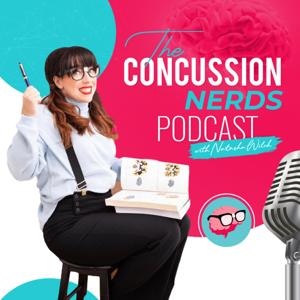

Are you trying to rehab vision, balance, or exercise tolerance… but secretly ignoring the one system that sets the ceiling for all of it?
If you're a clinician piling on protocols without addressing nervous system state—or you're on a healing journey wondering why "all the right exercises" still flare your symptoms—you might be missing the foundation. Because no matter how advanced the intervention, if the nervous system feels threatened, it won't integrate change.
And here's the hard truth: there is no 15-minute reset. No six-week magic switch. Nervous system regulation isn't sexy. It's consistent, daily work. But when you understand how state drives physiology, symptoms, and capacity, everything about concussion rehab starts to make more sense.
In this episode, we explore how the nervous system truly sets the stage for recovery—through the lens of the Stephen Porges Polyvagal Theory—and why safety (or even just "okay-ness") must come before performance.
BY THE TIME YOU FINISH LISTENING, YOU'LL DISCOVER:
Why concussion often leads to sympathetic dominance—and what that actually means physiologically
The difference between ventral vagal (safety), sympathetic (mobilization), and dorsal vagal (shutdown) states
Why you can't rehab peripheral vision, sound sensitivity, or vestibular symptoms effectively in a threat state
How shifting from "I need to feel safe" to "I can feel okay" changes the entire recovery trajectory
The nervous system isn't the side quest—it's the foundation. And when you start there, everything else becomes possible.
Let's connect!
Instagram:
@natasha.wilch https://www.instagram.com/natasha.wilch/
Email: [email protected] Website: https://www.natasha-wilch.com
Join the Clinician's Edge to have Your Weekly Taste of Neuro Wisdom here: https://www.natashawilch.com/clinicians-edge
Join the Concussion Mini School and Membership! Get the support and resources you need for concussion recovery: https://www.natashawilch.com/concussionminischool
 View all episodes
 By Natasha Wilch

4.7
99 ratings
Are you trying to rehab vision, balance, or exercise tolerance… but secretly ignoring the one system that sets the ceiling for all of it?
If you're a clinician piling on protocols without addressing nervous system state—or you're on a healing journey wondering why "all the right exercises" still flare your symptoms—you might be missing the foundation. Because no matter how advanced the intervention, if the nervous system feels threatened, it won't integrate change.
And here's the hard truth: there is no 15-minute reset. No six-week magic switch. Nervous system regulation isn't sexy. It's consistent, daily work. But when you understand how state drives physiology, symptoms, and capacity, everything about concussion rehab starts to make more sense.
In this episode, we explore how the nervous system truly sets the stage for recovery—through the lens of the Stephen Porges Polyvagal Theory—and why safety (or even just "okay-ness") must come before performance.
BY THE TIME YOU FINISH LISTENING, YOU'LL DISCOVER:
Why concussion often leads to sympathetic dominance—and what that actually means physiologically
The difference between ventral vagal (safety), sympathetic (mobilization), and dorsal vagal (shutdown) states
Why you can't rehab peripheral vision, sound sensitivity, or vestibular symptoms effectively in a threat state
How shifting from "I need to feel safe" to "I can feel okay" changes the entire recovery trajectory
The nervous system isn't the side quest—it's the foundation. And when you start there, everything else becomes possible.
Let's connect!
Instagram:
@natasha.wilch https://www.instagram.com/natasha.wilch/
Email: [email protected] Website: https://www.natasha-wilch.com
Join the Clinician's Edge to have Your Weekly Taste of Neuro Wisdom here: https://www.natashawilch.com/clinicians-edge
Join the Concussion Mini School and Membership! Get the support and resources you need for concussion recovery: https://www.natashawilch.com/concussionminischool

32,261 Listeners

87,990 Listeners

113,483 Listeners

8,860 Listeners
99 Listeners

27,568 Listeners

47,493 Listeners
57 Listeners

29,313 Listeners

20,443 Listeners

21 Listeners

12,600 Listeners
9 Listeners

465 Listeners

372 Listeners