
Sign up to save your podcasts
Or

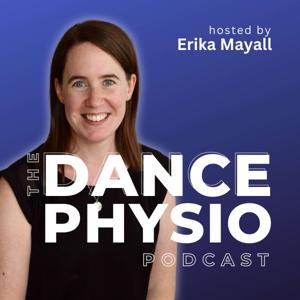

Progressing to pointe work has long been considered a rite of passage for many aspiring ballet dancers. However, it does not come without risks. Dancing en pointe increases the forces placed on the foot by up to 12x bodyweight, and if progressed too soon can lead to an increased risk of pain and injury.
Historically, dancers were thought to be ready to start training en pointe at 12 years of age. However, with advances in dance science, it is now known that there are many complex factors besides chronological age which can help to determine when it is safe for a dancer to progress en pointe.
In this week's podcast episode, I discuss the benefits of having a formal pre-pointe readiness screening assessment, including an update on current research. You'll learn which functional tasks have been validated in the research to have the highest correlation with readiness to progress to pointe work.
Pointe Assessment Resources:
Pre-Pointe Assessment Toolkit
Research articles mentioned in this episode:
Determining Pointe Readiness Readiness in Young Adolescent Female Dancers: A Systematic Review
Pointe Assessment Screen Shah Edison (PASSE) for Pointe Readiness: A Pilot Study
Functional Criteria for Assessing Pointe Readiness
Episodes mentioned in this podcast:
Episode 4: Pre-Pointe Assessments
Learn more about Erika Mayall:
Support the show
 View all episodes
 By Erika Mayall
5
99 ratings
Progressing to pointe work has long been considered a rite of passage for many aspiring ballet dancers. However, it does not come without risks. Dancing en pointe increases the forces placed on the foot by up to 12x bodyweight, and if progressed too soon can lead to an increased risk of pain and injury.
Historically, dancers were thought to be ready to start training en pointe at 12 years of age. However, with advances in dance science, it is now known that there are many complex factors besides chronological age which can help to determine when it is safe for a dancer to progress en pointe.
In this week's podcast episode, I discuss the benefits of having a formal pre-pointe readiness screening assessment, including an update on current research. You'll learn which functional tasks have been validated in the research to have the highest correlation with readiness to progress to pointe work.
Pointe Assessment Resources:
Pre-Pointe Assessment Toolkit
Research articles mentioned in this episode:
Determining Pointe Readiness Readiness in Young Adolescent Female Dancers: A Systematic Review
Pointe Assessment Screen Shah Edison (PASSE) for Pointe Readiness: A Pilot Study
Functional Criteria for Assessing Pointe Readiness
Episodes mentioned in this podcast:
Episode 4: Pre-Pointe Assessments
Learn more about Erika Mayall:
Support the show

25,797 Listeners

87,529 Listeners

111,948 Listeners

370,110 Listeners

27 Listeners

69,540 Listeners

165,061 Listeners

27,775 Listeners

1,552 Listeners
16,913 Listeners

29,207 Listeners
41,321 Listeners
3,668 Listeners
92 Listeners

12,143 Listeners