
Sign up to save your podcasts
Or

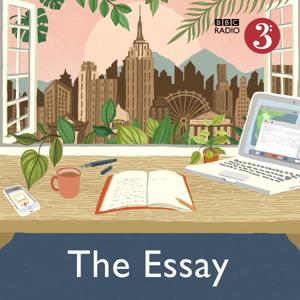

The final run of Essays in the long-running series which explores the impact of the First World War on individual artists through the prism of a single great work of art.
2.Janet Montefiore on Rudyard Kipling's 1922 collection, Epitaphs
On 27 September 1915, 8,000 out of the 10,000 British troops who took part in the disastrous Battle of Loos were killed or wounded. One of these, 2nd Lieutenant John Kipling, eighteen years old, the son of Rudyard Kipling, was reported ‘missing believed killed.’ His body was never found.
Four years later, Rudyard Kipling published his ‘Epitaphs of the War 1914-1918’: thirty-one brief poems giving voice to those who died in the Great War: soldiers, airmen, nurses, non-combatants, Canadians, Indians, sailors, politicians, cowards and heroes.
These days, Kipling is often criticised for his imperialist views on "the white man's burden", but in this Essay, Kipling scholar, Janet Montefiore uncovers a more sympathetic figure. She tells the story behind a poignant collection of poems which express Kipling's personal grief whilst giving voice to a wider sense of outrage about the victims of the war, including the famously succinct condemnation :
Producer: Beaty Rubens
 View all episodes
 By BBC Radio 3

4.2
8282 ratings
The final run of Essays in the long-running series which explores the impact of the First World War on individual artists through the prism of a single great work of art.
2.Janet Montefiore on Rudyard Kipling's 1922 collection, Epitaphs
On 27 September 1915, 8,000 out of the 10,000 British troops who took part in the disastrous Battle of Loos were killed or wounded. One of these, 2nd Lieutenant John Kipling, eighteen years old, the son of Rudyard Kipling, was reported ‘missing believed killed.’ His body was never found.
Four years later, Rudyard Kipling published his ‘Epitaphs of the War 1914-1918’: thirty-one brief poems giving voice to those who died in the Great War: soldiers, airmen, nurses, non-combatants, Canadians, Indians, sailors, politicians, cowards and heroes.
These days, Kipling is often criticised for his imperialist views on "the white man's burden", but in this Essay, Kipling scholar, Janet Montefiore uncovers a more sympathetic figure. She tells the story behind a poignant collection of poems which express Kipling's personal grief whilst giving voice to a wider sense of outrage about the victims of the war, including the famously succinct condemnation :
Producer: Beaty Rubens

7,913 Listeners
143 Listeners

1,067 Listeners

5,576 Listeners

1,808 Listeners

303 Listeners

1,729 Listeners

1,018 Listeners

1,952 Listeners

488 Listeners

585 Listeners
70 Listeners

410 Listeners
306 Listeners
756 Listeners

841 Listeners

129 Listeners

62 Listeners

241 Listeners
55 Listeners

52 Listeners

181 Listeners
4,186 Listeners

3,245 Listeners