
Sign up to save your podcasts
Or

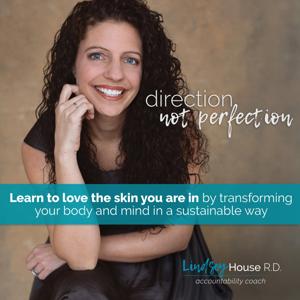

Rollerblading, jump-roping, boogie boarding at the beach, canoeing on the lake; does this bring back fond memories of summer break when you were a kid? Did you check your heart rate to make sure you were working hard enough? Were you disappointed because you didn’t reach a certain time or distance? No, you were just out having fun. You were getting a workout without even thinking about it. Having fun is not just for kids. To some people, training for a triathlon is fun, but you don’t have to be a competitive athlete to get a good workout. You are actually allowed to enjoy movement and see results, without beating yourself into the ground with hard-core workouts. Your job is to find understanding within your own fitness personality and give yourself permission to enjoy exercise.
Taking “me time” by walking with a book on tape, playing a round of golf or playing in the evening volleyball league with your friends are all ways to enjoy getting exercise. Even when we know what we like and want to do, things get in the way of actually accomplishing them.
Common barriers and how to overcome them:
Time: No time to go to the gym or kids home for the summer? Go for a bike ride or pop in a Kids Bop tape and enjoy time with your kids. Bonus: your kids will learn that being active is normal and fun and carry that into adulthood.
Energy: Even if you are exhausted, past experience shows that you will feel energized if you get moving. Be prepared for a walk, workout or other type of exercise by keeping workout clothes in your car or even sleeping in them. Tell yourself you only have to walk, run, lift, bike or whatever for 5 minutes. Chances are by then you will have a second wind and if not, stop and know you got your time in.
Injury or pain:
See your physician and follow their guidelines, working in movement as allowed or comfortable.
Journaling Questions:
Determining workout changes to fit your personality and lifestyle:
1) What physical activity did you enjoy growing up?
2) Do you still do any form of this physical activity now? If not, why?
3) Given your interest(s), what could you introduce into your fitness regime at this time?
Staying “on the wagon”:
1) What stops you from sticking with exercise as an adult?
2) In the past, how have you stay committed to exercise?
3) When you fell “off the wagon” with workouts, what do you think had changed?
4) How do you plan to adjust your workout ideas to flow with your fitness personality?
Interview with Kathy, my mom:
Parents may mean well but labeling their kids can be a real detriment to them. Kathy was labeled a “book worm” and told she wasn’t an athlete. She carried that thought well into adulthood. Although she still loves to curl up with a book, she slowly added movement into her life. She started with walking and enjoying conversation time with her husband. Later she added swimming which helped a neck problem. Much later in life she added biking and golfing and even competed in a mini-triathlon, meeting her goal of not stopping and not finishing last. She went from a “non- athlete” as a child to a “triathlete” as a senior.
Kathy knows she needs accountability to keep up with her exercise regimen. Meeting a friend for a sunrise walk or joining a class at a gym keeps her moving. She has learned that she doesn’t have to keep up with everyone else. She modifies the movement to fit what works for her. Being in good physical shape helped her recover from major surgery much quicker than expected. You do not have to accept the labels you were given as a child. Incorporate movement into what you love to do and redefine yourself.
Homework
1. Identify the time you can exercise. It may be early morning, on your lunch break or after the kids are in bed.
2. Find what you love. Remember fun things from your youth or try out new ones. You just might find a new favorite. Don’t exclude any form of movement
Goal setting will always be part of your homework. Once a week write down your focus or goals for the week. Every Friday reassess them, tweak them or change them to fit your needs. It’s “Your journey, your way”.
Links:
Lindsey House:
www.healthaccountabilitycoach.com
www.facebook.com/houselifestyles
Direction Not Perfection, Accountability and Coaching from your Wine-loving Dietitian
https://braughlerbooks.com/store/books/direction-not-perfection
 View all episodes
 By Lindsey House RD
5
5959 ratings
Rollerblading, jump-roping, boogie boarding at the beach, canoeing on the lake; does this bring back fond memories of summer break when you were a kid? Did you check your heart rate to make sure you were working hard enough? Were you disappointed because you didn’t reach a certain time or distance? No, you were just out having fun. You were getting a workout without even thinking about it. Having fun is not just for kids. To some people, training for a triathlon is fun, but you don’t have to be a competitive athlete to get a good workout. You are actually allowed to enjoy movement and see results, without beating yourself into the ground with hard-core workouts. Your job is to find understanding within your own fitness personality and give yourself permission to enjoy exercise.
Taking “me time” by walking with a book on tape, playing a round of golf or playing in the evening volleyball league with your friends are all ways to enjoy getting exercise. Even when we know what we like and want to do, things get in the way of actually accomplishing them.
Common barriers and how to overcome them:
Time: No time to go to the gym or kids home for the summer? Go for a bike ride or pop in a Kids Bop tape and enjoy time with your kids. Bonus: your kids will learn that being active is normal and fun and carry that into adulthood.
Energy: Even if you are exhausted, past experience shows that you will feel energized if you get moving. Be prepared for a walk, workout or other type of exercise by keeping workout clothes in your car or even sleeping in them. Tell yourself you only have to walk, run, lift, bike or whatever for 5 minutes. Chances are by then you will have a second wind and if not, stop and know you got your time in.
Injury or pain:
See your physician and follow their guidelines, working in movement as allowed or comfortable.
Journaling Questions:
Determining workout changes to fit your personality and lifestyle:
1) What physical activity did you enjoy growing up?
2) Do you still do any form of this physical activity now? If not, why?
3) Given your interest(s), what could you introduce into your fitness regime at this time?
Staying “on the wagon”:
1) What stops you from sticking with exercise as an adult?
2) In the past, how have you stay committed to exercise?
3) When you fell “off the wagon” with workouts, what do you think had changed?
4) How do you plan to adjust your workout ideas to flow with your fitness personality?
Interview with Kathy, my mom:
Parents may mean well but labeling their kids can be a real detriment to them. Kathy was labeled a “book worm” and told she wasn’t an athlete. She carried that thought well into adulthood. Although she still loves to curl up with a book, she slowly added movement into her life. She started with walking and enjoying conversation time with her husband. Later she added swimming which helped a neck problem. Much later in life she added biking and golfing and even competed in a mini-triathlon, meeting her goal of not stopping and not finishing last. She went from a “non- athlete” as a child to a “triathlete” as a senior.
Kathy knows she needs accountability to keep up with her exercise regimen. Meeting a friend for a sunrise walk or joining a class at a gym keeps her moving. She has learned that she doesn’t have to keep up with everyone else. She modifies the movement to fit what works for her. Being in good physical shape helped her recover from major surgery much quicker than expected. You do not have to accept the labels you were given as a child. Incorporate movement into what you love to do and redefine yourself.
Homework
1. Identify the time you can exercise. It may be early morning, on your lunch break or after the kids are in bed.
2. Find what you love. Remember fun things from your youth or try out new ones. You just might find a new favorite. Don’t exclude any form of movement
Goal setting will always be part of your homework. Once a week write down your focus or goals for the week. Every Friday reassess them, tweak them or change them to fit your needs. It’s “Your journey, your way”.
Links:
Lindsey House:
www.healthaccountabilitycoach.com
www.facebook.com/houselifestyles
Direction Not Perfection, Accountability and Coaching from your Wine-loving Dietitian
https://braughlerbooks.com/store/books/direction-not-perfection
12,982 Listeners
714 Listeners

113,521 Listeners

57,047 Listeners

7,535 Listeners
8,710 Listeners
14,433 Listeners

166 Listeners

7,614 Listeners
815 Listeners
230 Listeners
601 Listeners

18 Listeners

13,788 Listeners