
Sign up to save your podcasts
Or

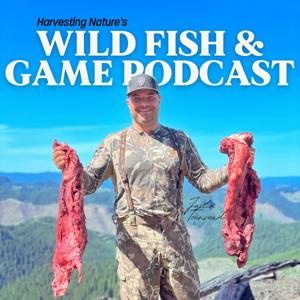

Summary
In this episode, Justin Townsend and Adam Berkelmans explore the ancient art of food preservation through salting and curing. They discuss the historical significance of salting, the science behind how it works, and practical applications for home cooks. The conversation delves into the unique considerations for salting fish, the impact of salt on texture and flavor, and the importance of precision in curing. They emphasize that while salting and curing can enhance food, they require careful attention and quality ingredients. The episode concludes with a focus on integrating these techniques into a modern wild pantry approach.
-
Leave a Review of the Podcast
-
Buy our Wild Fish and Game Spices
The Art of Venison Sausage Making
Links
How To: DIY Cure Chamber
Chapters
00:00 The Art of Food Preservation
05:19 Understanding the Science of Salting
13:23 Practical Applications of Salting at Home
21:09 Salting Fish: Unique Considerations
29:42 The Impact of Salting on Texture and Flavor
37:27 Curing and Salting: A Wild Pantry Approach
Takeaways
You can preserve food without electricity.
Salting was historically about keeping food stable, not just flavor.
Curing requires precision and measurement, not guesswork.
Salt controls water activity, inhibiting microbial growth.
Dry brining is an accessible method for home cooks.
Fish responds to salt faster than red meat.
Curing and salting require attention and intention.
Quality of ingredients is crucial for successful curing.
Salt can enhance flavor and texture in cooking.
Freezing and salting are complementary preservation methods.
Keywords
Food preservation, curing, salting, wild game, fish, home cooking, food safety, preservation methods, salting science, wild pantry
Learn more about your ad choices. Visit megaphone.fm/adchoices
 View all episodes
 By Harvesting Nature

4.8
6060 ratings
Summary
In this episode, Justin Townsend and Adam Berkelmans explore the ancient art of food preservation through salting and curing. They discuss the historical significance of salting, the science behind how it works, and practical applications for home cooks. The conversation delves into the unique considerations for salting fish, the impact of salt on texture and flavor, and the importance of precision in curing. They emphasize that while salting and curing can enhance food, they require careful attention and quality ingredients. The episode concludes with a focus on integrating these techniques into a modern wild pantry approach.
-
Leave a Review of the Podcast
-
Buy our Wild Fish and Game Spices
The Art of Venison Sausage Making
Links
How To: DIY Cure Chamber
Chapters
00:00 The Art of Food Preservation
05:19 Understanding the Science of Salting
13:23 Practical Applications of Salting at Home
21:09 Salting Fish: Unique Considerations
29:42 The Impact of Salting on Texture and Flavor
37:27 Curing and Salting: A Wild Pantry Approach
Takeaways
You can preserve food without electricity.
Salting was historically about keeping food stable, not just flavor.
Curing requires precision and measurement, not guesswork.
Salt controls water activity, inhibiting microbial growth.
Dry brining is an accessible method for home cooks.
Fish responds to salt faster than red meat.
Curing and salting require attention and intention.
Quality of ingredients is crucial for successful curing.
Salt can enhance flavor and texture in cooking.
Freezing and salting are complementary preservation methods.
Keywords
Food preservation, curing, salting, wild game, fish, home cooking, food safety, preservation methods, salting science, wild pantry
Learn more about your ad choices. Visit megaphone.fm/adchoices

229,647 Listeners

4,801 Listeners
38,032 Listeners

27,921 Listeners

974 Listeners
630 Listeners

783 Listeners
9,628 Listeners

414 Listeners

40,767 Listeners

7,432 Listeners

682 Listeners

17,109 Listeners

416 Listeners