
Sign up to save your podcasts
Or

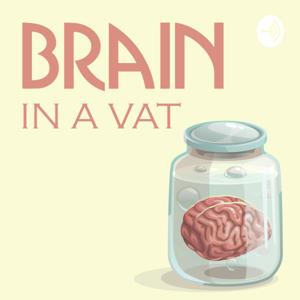

In this special episode of Brain in a Vat, Brad Duchaine from the Psychological and Brain Sciences Department at Dartmouth discusses prosopometamorphopsia (PMO) – a condition where individuals see distorted faces.
The episode explores various manifestations of PMO, including seeing demonic features, dragons, or entirely different faces, and distinguishes it from prosopagnosia (face blindness). It delves into the neurological basis of PMO, touching upon structural and functional differences in the brains of those affected.
We discuss the significant impact PMO and prosopagnosia have on individuals' social interactions and quality of life, as well as potential management techniques such as using glasses or colored lights to reduce distortions.
Chapters:
[00:00] Introduction and Guest Presentation
[00:20] Exploring the Case of Face Distortion
[03:19] Understanding the Nature of Distortions
[05:49] Comparing Prosopagnosia and PMO
[07:17] The Role of Visual System in Face Recognition
[10:01] Impact of Face Recognition on Social Interactions
[14:16] The Spectrum of Face Recognition Abilities
[16:20] The Role of AI and Hallucinations in Face Recognition
[23:48] Understanding the Diagnosis of Face Recognition Disorders
[30:20] Understanding Prosopagnosia: Prevalence and Characteristics
[31:59] The Mystery of PMO: Prevalence and Need for More Research
[32:46] Exploring the Impact of Prosopagnosia and PMO on Social and Sexual Relationships
[33:23] The Intersection of PMO and Other Psychiatric Conditions
[37:03] The Struggles and Challenges of Living with Prosopagnosia and PMO
[41:02] Potential Treatments and Coping Mechanisms for PMO
[51:22] The Neurological Basis of PMO and Prosopagnosia
[54:51] Testing and Characterizing PMO: A Deep Dive into Research Methods
[59:54] Understanding the Perception and Processing of Faces in PMO
 View all episodes
 By Brain in a Vat

4.3
4646 ratings
In this special episode of Brain in a Vat, Brad Duchaine from the Psychological and Brain Sciences Department at Dartmouth discusses prosopometamorphopsia (PMO) – a condition where individuals see distorted faces.
The episode explores various manifestations of PMO, including seeing demonic features, dragons, or entirely different faces, and distinguishes it from prosopagnosia (face blindness). It delves into the neurological basis of PMO, touching upon structural and functional differences in the brains of those affected.
We discuss the significant impact PMO and prosopagnosia have on individuals' social interactions and quality of life, as well as potential management techniques such as using glasses or colored lights to reduce distortions.
Chapters:
[00:00] Introduction and Guest Presentation
[00:20] Exploring the Case of Face Distortion
[03:19] Understanding the Nature of Distortions
[05:49] Comparing Prosopagnosia and PMO
[07:17] The Role of Visual System in Face Recognition
[10:01] Impact of Face Recognition on Social Interactions
[14:16] The Spectrum of Face Recognition Abilities
[16:20] The Role of AI and Hallucinations in Face Recognition
[23:48] Understanding the Diagnosis of Face Recognition Disorders
[30:20] Understanding Prosopagnosia: Prevalence and Characteristics
[31:59] The Mystery of PMO: Prevalence and Need for More Research
[32:46] Exploring the Impact of Prosopagnosia and PMO on Social and Sexual Relationships
[33:23] The Intersection of PMO and Other Psychiatric Conditions
[37:03] The Struggles and Challenges of Living with Prosopagnosia and PMO
[41:02] Potential Treatments and Coping Mechanisms for PMO
[51:22] The Neurological Basis of PMO and Prosopagnosia
[54:51] Testing and Characterizing PMO: A Deep Dive into Research Methods
[59:54] Understanding the Perception and Processing of Faces in PMO

781 Listeners
2,108 Listeners

2,676 Listeners
865 Listeners
26,344 Listeners
1,609 Listeners

593 Listeners

1,547 Listeners

319 Listeners
248 Listeners

903 Listeners
4,165 Listeners

140 Listeners
831 Listeners
264 Listeners