
Sign up to save your podcasts
Or

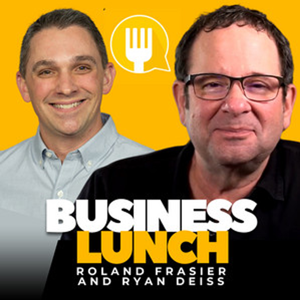

What makes a good business partner, and how do you know if you are good business partner material?
In today’s episode, co-hosts Roland Frasier and Ryan Deiss, who happen to be longtime friends and business partners, talk about what it means to be a “partner person.” If you’re not a “partner person,” can you become one? And what does that involve? Related: how do you go about finding another “partner person” to partner with?
Before they dive into all that, they take a quick detour into where to get your funding when you’re getting ready to start a business.
How To Fund Your Business
Roland does a decent amount of consulting for high-quality people who are looking at new business opportunities. He talks them through where their funding will come from—bootstrapping vs. raising capital—and how to figure out what it will cost. What are the resources they’ll need to make this new thing go?
You’ve always got to start with your budget. Don’t dive in without knowing that. How much money will you need, and where’s the best place to get it? Will you self-fund? Let the company fund itself? Or go out and get funding from an outside source, like angel investors or venture capitalists? There’s also franchising and licensing. Pick a path, decide how much you need, and state upfront at what point you’ll fold if things aren’t going well.
When you’re looking to start a new business, the first rule of thumb has always been to find a need and fill it. And figure out ahead of time if people will pay for your end result. Do people want what we’re offering? Dry test it to make sure. Don’t take people’s money and then not deliver. And how do you decide if you need/want a partner? And how do you pick the right one?
How to Be a Good Partner
Ryan attended a recent Mastermind where they talked about people who make good business partners and people who don’t play well with others. Partner people and not-partner people. What does it mean to be a partner person? How can you tell if you’re one or not? If you know you’re not, can you become one?
When Roland was practicing law, he got to see a lot of people forming partnerships, many of which didn’t end well (hence the need for bringing the law into the picture). He always tells people they should do a partnership agreement, because partnership expectations are hard to agree on if you don’t write them down.
A history of successful partnerships is a good indicator that someone is a partner person. If you’ve been in litigation with people you were in business with, that’s a bad sign. If they’ve sued or been sued by everyone they’ve been in business with, that’s a problem. If they talk crap about former partners, also not a good sign.
Good partner people own their stuff when a partnership goes bad. They don’t blame everything on the other person. Honest communication is really important. You need people who are aware of their own faults and tell you what challenges you might have with them as a partner. Solid self-awareness and ownership and the willingness to change are all important.
When you go in, you have to believe that together you’ll be better than you were separately. The sum has to be bigger than the parts. You also need to complement each other. Ryan had a partner once who was too much like him; their skill sets were too similar. They couldn’t stay partners. You need to be aware of your strengths and weaknesses.
The other piece is that you need to see value in other people’s strengths. Non-partner people tend to devalue the strengths that other people have. They think the thing they’re really great at is the only thing. You need to see the other person’s skill set as being equally valuable. You can’t treat your partner like an employee. It’s frustrating when you’re in a partnership and the person is me me me all the time. You want to hear “we” and “us.”
A...
 View all episodes
 By Roland Frasier

4.9
450450 ratings
What makes a good business partner, and how do you know if you are good business partner material?
In today’s episode, co-hosts Roland Frasier and Ryan Deiss, who happen to be longtime friends and business partners, talk about what it means to be a “partner person.” If you’re not a “partner person,” can you become one? And what does that involve? Related: how do you go about finding another “partner person” to partner with?
Before they dive into all that, they take a quick detour into where to get your funding when you’re getting ready to start a business.
How To Fund Your Business
Roland does a decent amount of consulting for high-quality people who are looking at new business opportunities. He talks them through where their funding will come from—bootstrapping vs. raising capital—and how to figure out what it will cost. What are the resources they’ll need to make this new thing go?
You’ve always got to start with your budget. Don’t dive in without knowing that. How much money will you need, and where’s the best place to get it? Will you self-fund? Let the company fund itself? Or go out and get funding from an outside source, like angel investors or venture capitalists? There’s also franchising and licensing. Pick a path, decide how much you need, and state upfront at what point you’ll fold if things aren’t going well.
When you’re looking to start a new business, the first rule of thumb has always been to find a need and fill it. And figure out ahead of time if people will pay for your end result. Do people want what we’re offering? Dry test it to make sure. Don’t take people’s money and then not deliver. And how do you decide if you need/want a partner? And how do you pick the right one?
How to Be a Good Partner
Ryan attended a recent Mastermind where they talked about people who make good business partners and people who don’t play well with others. Partner people and not-partner people. What does it mean to be a partner person? How can you tell if you’re one or not? If you know you’re not, can you become one?
When Roland was practicing law, he got to see a lot of people forming partnerships, many of which didn’t end well (hence the need for bringing the law into the picture). He always tells people they should do a partnership agreement, because partnership expectations are hard to agree on if you don’t write them down.
A history of successful partnerships is a good indicator that someone is a partner person. If you’ve been in litigation with people you were in business with, that’s a bad sign. If they’ve sued or been sued by everyone they’ve been in business with, that’s a problem. If they talk crap about former partners, also not a good sign.
Good partner people own their stuff when a partnership goes bad. They don’t blame everything on the other person. Honest communication is really important. You need people who are aware of their own faults and tell you what challenges you might have with them as a partner. Solid self-awareness and ownership and the willingness to change are all important.
When you go in, you have to believe that together you’ll be better than you were separately. The sum has to be bigger than the parts. You also need to complement each other. Ryan had a partner once who was too much like him; their skill sets were too similar. They couldn’t stay partners. You need to be aware of your strengths and weaknesses.
The other piece is that you need to see value in other people’s strengths. Non-partner people tend to devalue the strengths that other people have. They think the thing they’re really great at is the only thing. You need to see the other person’s skill set as being equally valuable. You can’t treat your partner like an employee. It’s frustrating when you’re in a partnership and the person is me me me all the time. You want to hear “we” and “us.”
A...

3,910 Listeners
16,842 Listeners
213 Listeners
2,221 Listeners
594 Listeners

4,471 Listeners
921 Listeners
733 Listeners

2,660 Listeners
211 Listeners
359 Listeners
961 Listeners

472 Listeners

950 Listeners

276 Listeners