
Sign up to save your podcasts
Or

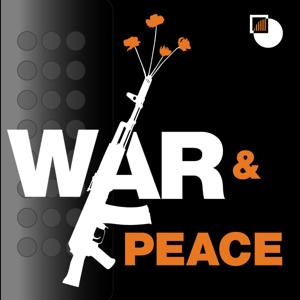

After two decades of conflict in Afghanistan, many hoped that a peace deal between the U.S. and the Taliban, signed on 29 February 2020, would mark the beginning of a peace process between the Afghan government and the Taliban. Instead, the peace process has stalled as the two sides struggle to agree on issues necessary to begin the negotiations. The Taliban has since steadily escalated violence against Afghan security forces, while the U.S. has resumed airstrikes.
In addition to the uptick in violence, Afghanistan’s minister of public health has warned that up to 25 million Afghans could eventually be infected with COVID-19, out of a population of about 36 million. Even with very limited testing, numbers continue to rise. At the same time, the public health crisis may pale compared to severe food insecurity, a shrinking economy, and yet more people who are unable to make money to put food on the table.
Crisis Group’s Senior Analyst for Afghanistan Andrew Watkins talks with Olga and Hugh about sentiment among Afghans suffering under these overlapping crises, which states could serve as neutral negotiators for the peace process, the role of the EU and its member states in Afghanistan’s future and what could happen if the U.S. withdraws its troops without an intra-Afghan peace deal.
Hosted on Acast. See acast.com/privacy for more information.
 View all episodes
 By International Crisis Group

4.6
2626 ratings
After two decades of conflict in Afghanistan, many hoped that a peace deal between the U.S. and the Taliban, signed on 29 February 2020, would mark the beginning of a peace process between the Afghan government and the Taliban. Instead, the peace process has stalled as the two sides struggle to agree on issues necessary to begin the negotiations. The Taliban has since steadily escalated violence against Afghan security forces, while the U.S. has resumed airstrikes.
In addition to the uptick in violence, Afghanistan’s minister of public health has warned that up to 25 million Afghans could eventually be infected with COVID-19, out of a population of about 36 million. Even with very limited testing, numbers continue to rise. At the same time, the public health crisis may pale compared to severe food insecurity, a shrinking economy, and yet more people who are unable to make money to put food on the table.
Crisis Group’s Senior Analyst for Afghanistan Andrew Watkins talks with Olga and Hugh about sentiment among Afghans suffering under these overlapping crises, which states could serve as neutral negotiators for the peace process, the role of the EU and its member states in Afghanistan’s future and what could happen if the U.S. withdraws its troops without an intra-Afghan peace deal.
Hosted on Acast. See acast.com/privacy for more information.
4,225 Listeners

617 Listeners

1,065 Listeners

724 Listeners

2,592 Listeners

0 Listeners

62 Listeners
0 Listeners

0 Listeners

153 Listeners

371 Listeners
399 Listeners

0 Listeners

0 Listeners
143 Listeners

68 Listeners
26 Listeners

366 Listeners

149 Listeners
496 Listeners