
Sign up to save your podcasts
Or

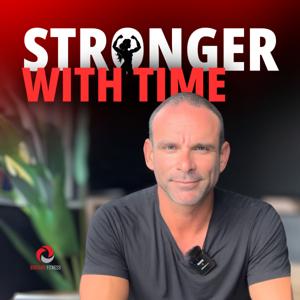

Hypertrophy programming comes back to a few practical decisions: how close to failure, how much volume, how often, and how much variety.
In this episode, I speak with Dr Eric Helms about how to make those decisions with better judgment, and where popular models claim more than the evidence supports.
Dr Helms is a PhD researcher in strength and hypertrophy, a coach of physique and strength athletes, and a high-level natural bodybuilder.
In Part 1, we discussed how to think about training advice when coaches, research, and physiology models do not point in the same direction. In this episode, we apply that thinking to programming.
Some of what we discuss:
How close to failure you actually need to train, and when it matters more or less
Why “only the last 5 reps count” doesn’t hold up
Why estimating reps in reserve gets harder at higher reps
How much volume to use, and how frequency changes that decision
Why fatigue matters, but may be overweighted in programming decisions
Variety vs variation, and why hypertrophy may not need strength-style periodisation
Where drop sets, rest-pause, and myo-reps actually fit, as time-saving tools rather than superior methods
Who this is for:
Coaches programming hypertrophy for general population or athletes, and experienced lifters trying to make defensible decisions about failure, volume, frequency, and exercise selection without chasing every new trend.
Guest and Resources
Dr Eric Helms3D Muscle Journey: https://www.3dmusclejourney.com/about/The Muscle and Strength Pyramids: https://muscleandstrengthpyramids.com/Research profile: https://www.researchgate.net/profile/Eric-Helms-2MASS Research Review: https://massresearchreview.com/about-us-2/
Host: Dr Tony Boutagy
Exercise scientist and coach translating exercise science into practical training and programming decisions.Instagram: @tonyboutagyCourses, seminars, and resources: https://tonyboutagy.com/
 View all episodes
 By Dr Tony Boutagy

4.9
1111 ratings
Hypertrophy programming comes back to a few practical decisions: how close to failure, how much volume, how often, and how much variety.
In this episode, I speak with Dr Eric Helms about how to make those decisions with better judgment, and where popular models claim more than the evidence supports.
Dr Helms is a PhD researcher in strength and hypertrophy, a coach of physique and strength athletes, and a high-level natural bodybuilder.
In Part 1, we discussed how to think about training advice when coaches, research, and physiology models do not point in the same direction. In this episode, we apply that thinking to programming.
Some of what we discuss:
How close to failure you actually need to train, and when it matters more or less
Why “only the last 5 reps count” doesn’t hold up
Why estimating reps in reserve gets harder at higher reps
How much volume to use, and how frequency changes that decision
Why fatigue matters, but may be overweighted in programming decisions
Variety vs variation, and why hypertrophy may not need strength-style periodisation
Where drop sets, rest-pause, and myo-reps actually fit, as time-saving tools rather than superior methods
Who this is for:
Coaches programming hypertrophy for general population or athletes, and experienced lifters trying to make defensible decisions about failure, volume, frequency, and exercise selection without chasing every new trend.
Guest and Resources
Dr Eric Helms3D Muscle Journey: https://www.3dmusclejourney.com/about/The Muscle and Strength Pyramids: https://muscleandstrengthpyramids.com/Research profile: https://www.researchgate.net/profile/Eric-Helms-2MASS Research Review: https://massresearchreview.com/about-us-2/
Host: Dr Tony Boutagy
Exercise scientist and coach translating exercise science into practical training and programming decisions.Instagram: @tonyboutagyCourses, seminars, and resources: https://tonyboutagy.com/

438 Listeners

3,767 Listeners

787 Listeners

2,628 Listeners

4,872 Listeners

3,457 Listeners

9,231 Listeners
3,800 Listeners

7,995 Listeners

142 Listeners

628 Listeners

729 Listeners

425 Listeners

1,196 Listeners

94 Listeners