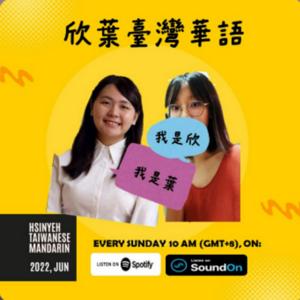
HsinYeh Taiwanese Mandarin 欣葉臺灣華語

HsinYeh Taiwanese Mandarin 欣葉臺灣華語

By Cathy and CindySociety & Culture
Download on the App Store

HsinYeh Taiwanese Mandarin 欣葉臺灣華語 episodes

  • EP18 Superstition in Taiwan👁️‍🗨️


    【What did we talk about today】


    Do you know the things you can't do in Taiwan?

    Things like not sticking your chopsticks in the middle of the bowl when you're eating

    And if you're staying at a hotel, you must knock three times before opening the door, and so on.

    In this episode, Cathy and Cindy will talk about all kinds of taboos.

    You can't miss this episode if you want to know more about Taiwanese culture!


    【Vocabulary】

    1. 易碎物品Yì suì wùpǐn : Fragile item
    2. 頂多dǐng duō: at most
    3. 歲歲平安suì suì píng'ān:
    4. 農曆七月nónglì qī yuè: Lunar July
    5. 旱鴨子hànyāzi: a word used to describe someone who cannot swim
    6. 水域shuǐyù: water body
    7. 海水浴場hǎishuǐ yùchǎng: swimming beach
    8. 鬼門開guǐmén kāi: Ghost month
    9. 地獄dìyù: hell
    10. 孤魂野鬼gū hún yě guǐ: lonely ghosts, souls, and spirits without belonging. The Chinese believe them to hurt the living people.
    11. 輪迴lúnhuí: reincarnation
    12. 投胎tóutāi : literally, it means to "throw fetus," which means to be born again or reborn
    13. 水鬼shuǐ guǐ: water ghost
    14. 抓交替Zhuā jiāotì: to seek victim
    15. 流行語liúxíng yǔ : slang
    16. 柬埔寨jiǎnpǔzhài : Cambodia
    17. 詐騙集團zhàpiàn jítuán: Fraudsters
    18. 普遍pǔbiàn : common, general
    19. 離職lízhí: to quit a job, to resign
    20. 替補tìbǔ: to replace
    21. 職場zhíchǎng : workplace
    22. 譬如說pìrú shuō : for example
    23. 諧音xiéyīn : Homophonic pun
    24. 病房bìngfáng: ward
    25. 發財fācái: to earn a lot of money
    26. 吃飯吃不乾淨chīfàn chī bù qiánjìng: when you don't finish your plate
    27. 痘痘dòu dòu: pimple, acne
    28. 荒謬huāngmiù: absurd
    29. 嫁到國外jià dào guó wài : marry abroad
    30. 筷子插在碗裡kuàizi chā zài wǎn lǐ: to stick the chopstick in the bowl
    31. 過世guòshì: pass away
    32. 祭拜死者 jì bài sǐzhě: to pray for the deceased
    33. 腳尾飯jiǎo wěi fàn: a bowl of rice used at funeral in Taiwan to pray for the deceased
    34. 型態xíng tài : type, form
    35. 喪禮sānglǐ: funeral
    36. 避諱bìhuì: avoidance
    37. 以口就飯yǐ kǒu jiù fàn: to put your mouth close to the bowl
    38. 船員chuányuán : crew member
    39. 不可以把魚翻面bùkěyǐ bǎ yú fān miàn: don't turn the fish over
    40. 翻覆fānfù : (the ship) overturn
    41. 懷孕huáiyùn: pregnant
    42. 搬重物bān zhòng wù : ot move heavy things
    43. 整修zhěngxiū: to renovate
    44. 尖銳jiānruì: sharp
    45. 流產liúchǎn : miscarriage
    46. 手勢 shǒushì: gesture
    47. 食指 shízhǐ: index finger
    48. 解套方式 jiě tào fāngshì: solution
    49. 行業 hángyè: Industry
    50. 殯葬業 bìnzàng yè: funeral industry
    51. 寧可信其有,不可信其無 nìngkě xìn qí yǒu, bù kě xìn qí wú: Better to believe it than not believe it
    52. 無形中的力量 wúxíng zhōng de lìliàng: the power of invisible
    53. 病患 bìng huàn: patient
    54. 急救 jíjiù: first aid
    55. 範疇 fànchóu: scope, range
    56. 興盛 xīngshèng: prosperity


    57. 【Contact us】

      Instagram: @hsinyeh_taiwanesemandarin / @cathy_chinese


      --
      Hosting provided by SoundOn

      18 min
    58. EP17: Happy National Day 😘


      【What did we talk about in this episode】


      October 10th is Taiwan's National Day!

      National Day is also known as Double Ten Day, and every year, there are many celebrations in shops around the country.

      What are your impressions of National Day?

      Is it the Chinese military planes, the performances, the raising of the national flag, or the trips to the greenery?

      What do people in Taiwan usually do on this day?

      And what does the previous election have to do with Zhou Ziyu?

      In today's episode, we're going to talk about National Day!


      【Vocabulary】

      1. 國慶日guóqìngrì:National Day
      2. 插滿國旗chā mǎn guóqí:plant the national flags everywhere
      3. 明顯míngxiǎn: Obvious
      4. 轉播zhuǎnbò:broadcast
      5. 國家元首guójiāyuánshǒu: head of state
      6. 主播zhǔbò:anchor
      7. 農場文nóngchǎngwén:content farm
      8. 侍者shìzhě:waiter/waitress
      9. 校花xiàohuā:campus belle
      10. 直播zhíbò:live broadcast
      11. 禮賓lǐbīn: protocol
      12. 重點大誤zhòngdiǎndàwù:literally means "totally miss the point."
      13. 樂儀隊yuèyíduì:marching band and honor guard
      14. 閱兵yuèbīng: military parade
      15. 精彩jīngcǎi: Wonderful
      16. 某種層面上mǒuzhǒngcéngmiànshàng: to some extent
      17. 軍演jūnyǎn: military exercise
      18. 不錯看bùcuòkàn: a phrase only used by Taiwanese, which means "not bad for watching"
      19. 連假liánjià :long weekend
      20. 觀禮guānlǐ:watch the ceremony
      21. 管制guǎnzhì:regulation
      22. 可惜kěxí:kěpitiful
      23. 搭配match
      24. 商機business opportunity
      25. 蝦皮Shopee
      26. 兌換券voucher
      27. 看好戲let me get my popcorn
      28. 噱頭gimmick
      29. 愛國意識Patriotism
      30. 高漲upsurge
      31. 周子瑜Tzuyu Chou, the only Taiwanese member of the k-pop group TWICE
      32. 壓迫 Yāpò: oppression
      33. 被逼著道歉 bèi bīzhe dàoqiàn : be forced to apologize
      34. 神來一筆shén lái yībǐ: a stroke of genius
      35. 中間選民zhōngjiān xuǎnmín: median voter
      36. 選票xuǎnpiào: ballot paper
      37. 敏感話題Mǐngǎn huàtí :sensitive topic
      38. 兩黨制 liǎngdǎngzhì: the two-party system
      39. 左右 zuǒyòu: influence
      40. 知名度zhīmíngdù:reputation
      41. 盤踞 pánjù: forcibly occupy
      42. 慘了 cǎnle: I’m screwed
      43. 台灣價值 táiwān jiàzhí :Taiwan value
      44. 元旦yuándàn: New Year's Day
      45. 搞混 gǎo hùn: get it wrong
      46. 升旗典禮Shēngqí diǎnlǐ : flag raising ceremony
      47. 求證 qiúzhèng: verify
      48. 冬至 dōngzhì :winter solstice
      49. 混亂hǔnluàn: confusion
      50. 全家就是你家quánjiā jiùshì nǐ jiā :Familymart is your home
      51. 把…當作後花園bǎ…dàng zuò hòu huāyuán : see…as the back yard
      52. 把我當塑膠 bǎ wǒ dāng sùjiāo: it means "see me as plastic," and Taiwanese use this expression a lot when they feel being looked down upon.
      53. 小看 xiǎo kàn: look down on somebody


      54. 【Contact us】

        Instagram: @hsinyeh_taiwanesemandarin / @cathy_chinese


        --
        Hosting provided by SoundOn

        14 min
      55. EP16: Teacher's Day in Taiwan👨‍⚖️


        【What did we talk about in this episode】


        September 28th is Taiwan's Teacher's Day; wishing all the teachers in the world a happy Teacher's Day!

        (Although it will be after Teacher's Day when this program hits the shelves, our thoughts are still with you!)

        Today Cathy and Cindy will talk about the teachers we met during our various stages of schooling.

        And the memories we have with these teachers!

        Come in and listen if you want to talk to your Taiwanese friends about your schooling memories!


        【Vocabulary】

        1. 天下tiān xià:the world
        2. 藏頭詩cáng tóu shī :Chinese acrostic poem
        3. 假文青jiǎ wén qīng :fake hipster
        4. 寫東寫西xiě dōng xiě xī:write a lot of stuff 
        5. 獻醜xiàn chǒu: a self-deprecating word to show your respect to the hearer, which means "to show my ugly work."
        6. 嘗試cháng shì:try
        7. 寫得起來xiě dé qǐ lái :can write 
        8. 七言律詩qī yán lǜ shī: a kind of Chinese poem with eight lines, and each line consists of seven characters
        9. 絕句jué jù:a kind of Chinese poem with four lines 
        10. 正妹zhèng mèi :beautiful girl
        11. 好有心hǎo yǒu xīn :so thoughtful
        12. 呈現chéng xiàn :(verb) show
        13. 配合pèi hé :(verb) match 
        14. 馬克杯mǎ kè bēi: mug
        15. 乾洗手qián xǐ shǒu:hand sanitizer 
        16. 清爽qīng shuǎng :(adjective) light 
        17. 站…的立場想zhàn …de lì chǎng xiǎng :think from someone’s perspective
        18. 畢竟bì jìng: after all
        19. 回饋huí kuì :(verb) give back
        20. 負擔fù dān: Burden
        21. 考慮kǎo lǜ:consider 
        22. 回送huí sòng :(verb) give back
        23. 有的沒的yǒu de méi de 
        24. 跑來跑去pǎo lái pǎo qù 
        25. 不勝枚舉bù shēng méi jǔ:too many things, used for good things 
        26. 階段jiē duàn: stage
        27. 導致dǎo zhì:lead to
        28. 阻力zǔ lì: resistance
        29. 沒資格méi zī gé :not deserve
        30. 義務教育yì wù jiào yù 
        31. 形形色色:various
        32. 佔有很大的比例:account for a large percentage 
        33. 關鍵:keypoint 
        34. 標準:standard 
        35. 典範:role model

        36. --
          Hosting provided by SoundOn

          17 min
        37. EP15: Why Taiwanese people post immediately on social media when earthquake hits?🤔


          【What did we talk about in this episode】


          Last week, a series of earthquakes occurred in the eastern part of Taiwan, causing much damage.

          In addition to the clever timing of the earthquakes, a lack of punctuality of the earthquake alarms was also a topic of discussion.

          Today, Cathy and Cindy will talk about a series of topics related to earthquakes in Taiwan.

          What is the reaction of Taiwanese people to earthquakes?

          What were people doing during the earthquake?

          What are the people at the national level?

          If you want to talk about earthquakes with your friends in Taiwan, come on in and listen!


          ✅0:40 The Great Earthquake of 23 years ago: A short story of the 921 earthquakes

          ✅3:33 Taiwan elementary school students' earthquake drill

          ✅4:54 Why do Taiwanese people first post on social media when encountering an earthquake?

          ✅7:50 Funny stories when earthquakes come

          ✅10:13 Have you become a national-level loner again?

          ✅12:44 Why are Taiwanese people so calm in the face of earthquakes?


          【Vocabulary】

          1. 有感 yoǔgǎn:felt; sensible

          2. 最著名zueìzhùmíng: the most well-known

          3. 餘震 yúzhèn:aftershock

          4. 鐵捲門 tiějuǎnmén:overhead door

          5. 身手矯健 shēnshoǔjiaǒjiàn: solid and agile

          6. 鋸子 jùzi: saw

          7. 變形 biànxíng:deform

          8. 真的假的zhēndejiǎde: a pet phrase used by Taichung people in Taiwan, which means "For real?" or "No way!" (The more authentic way to say it is 真假 zhēnjiǎ)

          9. 據說jùshuō:it is said that…

          10. 大廈dàxià:condo

          11. 搭帳棚dāzhàngpéng: set up a tent

          12. 長輩zhǎngbèi:elders

          13. 模擬mónǐ:simulate

          14. 求學qiúxué:attend school

          15. 陸續lùxù:successively

          16. 防震演練 fángzhènyǎnliàn:earthquake drill

          17. 印象比較深刻 yìnxiàngbǐjiàoshēnkè:be more impressed by something

          18. 狹窄 xiázhǎi:narrow

          19. 儲藏 chúcáng:(verb) store

          20. 淡定 dàndìng: calm

          21. 發文 fāwén:(verb) post

          22. 習以為常 xíyǐwéicháng: be accustomed to sth

          23. 持續 chíxù:continue

          24. 搭雲霄飛車dāyúnxiāofēichē:take a roller coaster

          25. 飄起來 piāoqǐlái:float up

          26. 經歷 jīnglì:(verb)(noun) :experience

          27. 傷亡 shāngwáng:casualty

          28. 三更半夜 sāngēngbànyè:in the midnight

          29. 走不開 zǒubùkāi: can't walk away

          30. 拋棄形象 pāoqìxíngxiàng: give up the personal image

          31. 為難 wéinán:be in dilemma

          32. 跑也不是,不跑也不是 pǎoyěbúshì,bùpǎoyěbúsh:to run or not to run, that is s a question

          33. 清大 qīngdà:abbreviation of 清華大學qīnghuádàxué, a famous university in Hsinchu City, Taiwan

          34. 被震醒 bèizhènxǐng: woke by an earthquake

          35. 蠻瞎的 mánxiāde:quite ridiculous

          36. 親朋好友 qīnpénghǎoyǒu: friends and relatives

          37. 警報 jǐngbào: alert

          38. 國家級邊緣人 guójiājíbiānyuánrén: a national outcast, a loner; a nickname we give to people when they don't receive the alerts from the government because it means even the government doesn't care to send them the MSN.

          39. 遺忘 yíwàng: forget

          40. 重大災情zhòngdàzāiqíng: major disaster

          41. 知情 zhīqíng:informed

          42. 匆忙 cōngmáng:hurried

          43. 天搖地動 tiānyáodìdòng:shake severely

          44. 事後諸葛 shìhòuzhūgé:Monday morning quarterback

          45. 逃生 táoshēng: escape for one's life

          46. 厭世 yànshì:misanthrope

          47. 爛命一條 lànmìngyìtiáo: literally, it means "a shitty life."

          48. 輾過去 niǎnguòqù:run over


          【Contact us】

          Instagram: @hsinyeh_taiwanesemandarin / @cathy_chinese


          --
          Hosting provided by SoundOn

          15 min
        38. EP14: Taiwanese and astrology💫


          【What did we talk about in this episode】


          Today, I will continue to chat with Xindi about the topic of last week: Continuing the content of last week~

          What are our stereotypes about the zodiac signs?

          Hit the play button to listen now!


          ♓ 00:30 Misconceptions about a particular astrological sign?

          ♒ 01:15 Material cleanliness and spiritual cleanliness

          ♑ 01:55 We're laughing so much here

          ♏ 02:14 What is seamless integration?

          ♐ 03: 29 Shout out to Prof. Su and Andrew!!!

          ♎ 04: 30 Why can't we accept seamless integration?

          ♍ 06: 17 Stereotypes of each astrological sign

          ♈ 08:00 What are the characteristics of Cancer?

          ♉ 10:00 Scorpio = Domineering President?


          【Vocabulary】

          1. 起手式 (qǐ shǒu shì): Habits you have before you start doing something

          2. 批評(pīpíng): to critize

          3. 擊敗人(jíbài rén): an asshole

          4. 誤解(wùjiě): misunderstanding

          5. 精神上(jīngshén shàng): mentally,

          6. 愛乾淨(ài qiánjìng): someone who keeps everything tidy and clean

          7. 道德上(dàodé shàng): morallu

          8. 劈腿(pītuǐ): to date another person while being in a relationship

          9. 荒謬(huāngmiù): absurd

          10. 十誡(shíjiè): The Tenth Commandments

          11. 無縫接軌(wú fèng jiēguǐ): to start a relationship right after ending another one

          12. 出軌(chūguǐ): to cheat on your partner

          13. 山線(shān xiàn): mountain line

          14. 海線(hǎi xiàn):

          15. 感情是需要培養的(gǎnqíng shì xūyào péiyǎng de): the relationship takes time to build

          16. 醞釀(yùnniàng): to think for a long time about things

          17. 騎驢找馬(qí lǘ zhǎo mǎ): it means "to ride a donkey while looking for a horse," used to describe people who are looking for new jobs vacancies and relationships while dwelling on the current one. To play the field could be the most similar expression.

          18. 有打算(yǒu dǎsuàn): have the intention of doing something

          19. 提出論點(tíchū lùndiǎn): to bring up one's point

          20. 妥善運用時間(tuǒshàn yùnyòng shíjiān): to use the time wisely

          21. 快狠準(kuài hěn zhǔn): fast, aggressive, and to-the-point

          22. 天蠍座(tiānxiēzuò): Scorpio

          23. 果斷(guǒduàn): decisive

          24. 刻板印象(kèbǎn yìnxiàng): stereotype

          25. 牡羊座(mǔ yáng zuò): Aries

          26. 正義感(zhèngyì gǎn): the sense of justice

          27. 來得快去得也快(láidé kuài qù dé yě kuài): quick to come and quick to go

          28. 金牛座(jīnniúzuò): Taurus

          29. 比較客家(bǐjiào kèjiā): used by Taiwanese to describe very stingy people

          30. 固執(gùzhí): stubborn

          31. 雙子座(shuāngzǐzuò): Gemini

          32. 機靈(jīling): smart,witty

          33. 善變(shàn biàn): changeable

          34. 想法矛盾(xiǎngfǎ máodùn): to have conflicting ideas in one's head

          35. 賢妻良母(xián qī liáng mǔ): good wife, good mother

          36. 新好男人(xīn hǎo nánrén): the new good man, those who will help tidy up the house and take care of the kids after work.

          37. 家政婦(jiā zhèng fù): professional family helper

          38. 聽起來好不ok(tīng qǐlái hǎobù ok): it doesn’t sound very right; it’s not PC

          39. 獅子座(shīzǐzuò): Leo

          40. 霸道(bàdào): bossy

          41. 完美主義(wánměi zhǔyì): perfectionism

          42. 雙標,雙重標準(shuāng biāo, shuāngchóng biāozhǔn): to have double standards

          43. 嚴以律他人 寬以待己(yán yǐ lǜ tārén kuān yǐ dài jǐ): be strict with others and loose with oneself. It is the opposite of 嚴以律己,寬以待人 (be strict with oneself and generous to others)

          44. 很會打扮(hěn huì dǎbàn): good at dressing up, know a lot about fashion, very fashionable

          45. 心機重(xīnjī chóng): scheming

          46. 神秘感(shénmì gǎn): mysterious

          47. 霸道總裁(bàdào zǒngcái): The bossy CEO who is handsome, muscular, rich, tall, and loyal to one single woman. Character settings like this frequently appear in novels and dramas but never does in reality.

          48. 講話很直(jiǎnghuà hěn zhí): to speak what one thinks without contemplating

          49. 有點靠北(yǒudiǎn kào běi): used to describe one's behavior pattern to be a little bitchy and hurtful

          50. 一針見血(yīzhēnjiànxiě): "one needle see the blood," used to describe a person's style in expressing ideas to be suitable to the point and straightforward

          51. 忠言逆耳(zhōngyánnì'ěr): "loyal words go against the ears," Unpleasant advice is a good medicine

          52. 射手座(shèshǒu zuò): Sagittarius

          53. 社交能力非常好(shèjiāo nénglì fēicháng hǎo): to have very good social skills

          54. 魔羯座(mó jié zuò): Capricornus

          55. 木訥(mùnè): A simple and unpretentious man who's not good at weaving beautiful words

          56. 比較木頭(bǐjiào mùtou): to be senseless with all the wooing hints in relationships

          57. 土象星座(tǔ xiàng xīngzuò): earth signs (Capricorn, Taurus, Virgo)

          58. 水瓶座(shuǐpíng zuò): Aquarius

          59. 不好追(bù hǎo zhuī): difficult to court

          60. 外星人(wài xīng rén): alien

          61. 雙魚座(shuāngyúzuò): Pisces

          62. 浪漫多情(làngmàn duōqíng): romantic

          63. 得罪(dézuì): to offend someone

          --
          Hosting provided by SoundOn

          16 min
        39. EP13: Let's talk about astrology✨


          【What did we talk about in this episode】


          Why do Taiwanese like to watch horoscopes so much?

          One of the impressions many people have of Taiwanese is that we believe in astrology,

          It's almost to the point where astrology is regarded as a belief

          Hear Kathy and Cindy talk about horoscopes today!


          ⛎ 01:00 Why don't we look at the daily horoscope?

          ♈ 03:00 Why does everyone dislike Virgo?

          ♉ 03:50 What are the characteristics of Libra?

          ♊ 05:00 Virgo doesn't get along well with Cancer?

          ♋ 05:45 Does Virgo disagree with Cancer?

          ♌ 06:45 Is astrology the same as fortune telling?

          ♍ 07:45 Don't Taiwanese eat beef before the exam?

          ♎ 08:45 Temple next to National Taiwan University

          ♏ 09:00 Inner peace of mind


          【Vocabularies】

          1. 過猶不及 (guòyóubùjí): Doing too much is like not doing enough. It is used to encourage people that everything should be appropriate and moderate.
          2. 事後諸葛(shìhòu zhūgé): Monday morning quarterback, a person who criticizes or comments after the event
          3. 某種層面上 (mǒu zhǒng céngmiàn shàng): on some level
          4. 大數據 (dà shùjù): big data
          5. 招人黑 (zhāo rén hēi): easily hated by others
          6. 觀感不好(guāngǎn bù hǎo): to leave a wrong impression
          7. 龜毛(guī máo): A person who tends to get stuck on small things and becomes too obsessed with them, causing unhappiness to those around them.
          8. 潔癖(jiépǐ): OCD cleanliness
          9. 很難搞(hěn nán gǎo): not easy to get along with
          10. 天秤座(tiān chèng zuò): Libra
          11. 交際花(jiāo jì huā): a person who is very good at socializing
          12. 人脈很廣(rén mài hěn guǎng): a person with lots of connection
          13. 寒暄(hán xuān): to have small talk
          14. 嚴謹(yánjǐn): rigorous
          15. 一板一眼(yībǎnyīyǎn): to be organized; to comply with the rules; not to be sloppy. It is also a metaphor for doing things rigidly without flexibility.
          16. 長袖善舞(cháng xiù shàn wǔ): This is a description of a person who is wealthy and powerful, and who is good at manipulation and knows his way around.
          17. 希望有個人空間(xī wàng yǒu gè rén kōng jiān) : wish to have personal space
          18. 不合(bùhé): not getting along with
          19. 合得來(hé dé lái): get along well with
          20. 巴納姆效應(bā nà mǔ xiào yìng): Barnum effect
          21. 統計學(tǒng jì xué): Statistics
          22. 模稜兩可(mó léng liǎng kě): dealing with matters vaguely, without expressing a clear opinion or proposition
          23. 算命(suàn mìng) : fortune telling
          24. 心安(xīn 'ān): the peace of mind
          25. 拜拜(bài bài): to worship
          26. 看手相(kàn shǒu xiāng): to do plamistry
          27. 對現狀很沒有掌控力(duì xiàn zhuàng hěn méiyǒu zhǎngkòng lì): to have no control over the current situation
          28. 理性(lǐxìng): rational
          29. 感性(gǎn xìng): emotional
          30. 大考(dà kǎo): translated as “big test,” which means the important tests such as high school and university entrance exam
          31. 文昌帝君(wén chāng dì jūn): A deity of Chinese folk beliefs which is responsible for the achievement of academic merit and literary fortune
          32. 禁忌(jìn jì) : taboo
          33. 坐騎(zuò jì): A means of transport for the gods when they travel
          34. 不保佑你(bù bǎo yòu nǐ): the god will not favor you, will not help you
          35. 信者恆信,不信者恆不信(xìn zhě héng xìn, bùxìn zhě héng bù xìn)
          36. 與其說…不如說(yǔ qí shuō… bù rú shuō): so much better to say…
          37. 土地公(tǔ dì gōng): The God of the Land is one of the most popular deities among the Chinese people, mainly in the Han region, but also among some ethnic groups influenced by Chinese culture. The god of the land is a local god of protection in folk beliefs.
          38. 習俗(xí sú) : ritual
          39. 仙草蜜(xiān cǎo mì): grass jelly honey drink is a refreshing drink, a specialty of southern regions, especially Fujian and Taiwan. The primary materials are water, grass jelly, honey, and sugar.
          40. 雞腿(jītuǐ) : chicken leg


          41. 【Contact us】

            Instagram: @hsinyeh_taiwanesemandarin / @cathy_chinese


            --
            Hosting provided by SoundOn

            11 min
          42. EP12: Our hometown, Taichung 🏠


            【What did we talk about in this episode】


            You may have been to Taichung and know a little bit about the famous attractions and food in Taichung, but!

            But!!! You may not know some of the dark sides of Taichung!

            Why is Taichung called the capital of bullets?

            Are the barbecue restaurants in Taichung excellent?

            Are there any places of interest that local people recommend?

            Today, let's let two native Taichungers share about Taichung!


            【Vocabularies】


            1. 慶記(Qìng jì): it’s a slang used by net citizens to refer to “bullet.”

            2. 閩南語(mǐnnán yǔ): Taiwanese Hokkien

            3. 子彈之都(zǐdàn zhī dū): the city of bullet

            4. 水餃(shuǐjiǎo): dumplings; under the context of this episode, the dumplings mean how people will end up being if they get into trouble with gangsters in Taichung. Because rumors are that the gangster will chop people into minced meat and make their dumplings.

            5. 消波塊(xiāo bō kuài): Tetrapods, under the context of this episode, the tetrapods means how people will end up being if they get into trouble with gangsters in Taichung. They will be thrown into the sea or fixed on the tetrapods along the seashore of Taichung.

            6. 中部粽(zhōngbù zòng): same as above

            7. 治安不好(zhì'ān bù hǎo): poor security

            8. 有掛鉤(yǒu guàgōu): a more formal way to express “have something to do with.”

            9. 黑幫(hēibāng): gangster

            10. 異議份子(yìyì fènzi): dissidents

            11. 把…處理掉(bǎ…chǔlǐ diào): to dispose of something; under the context of this episode, this means to kill someone

            12. 剁手筋(duò shǒujīn): to be cut off all the tendons in the hands

            13. 看不到明天的太陽(kàn bù dào míngtiān de tàiyáng): it means to prevent people from seeing tomorrow’s sun

            14. 剁碎(Duò suì) : to chop something into pieces, under the context of this podcast, the “something” means “human.”

            15. 人肉叉燒包( rénròu chāshāo bāo): The Untold Story, a 1993 Hong Kong crime-thriller film directed by Herman Yau

            16. 海景第一排(hǎijǐng dì yī pái): it means “the first row of the sea view, ” an advertising slogan used by real estate agents to describe mansions located close to the beach. But it also means being thrown into the sea and thus having all the view.

            17. 自嘲(zìcháo): self-deprecating

            18. 市井小民(shìjǐng xiǎo mín): normal people, nobody

            19. 玩命關頭(wánmìng guāntóu): fast and furious

            20. 白粉(báifěn): means white powder, but most of the time means

            21. 燒肉之都(Shāo ròu zhī dū) : the city of barbeucue (yakiniku)

            22. 覓食(mì shí): to find something to feed oneself

            23. 冬瓜檸檬(dōngguā níngméng): a popular drink sold in night markets and drink shops in Taiwan, and it’s made from lemon juice and winter melon

            24. 地瓜球(dìguā qiú): sweet potato ball

            25. 滷味(lǔwèi): a popular night market snack made with hotpot ingredients brewed together in condensed broth

            26. 烏來(wū lái): a place in New Taipei City known for its hot spring

            27. 武陵(wǔlíng): a well-known tourist attraction in Taichung City

            28. 谷關(gǔ guān): a place in Taichung City known for its hot spring

            29. 颱風(táifēng): typhoon

            30. 中央山脈(zhōngyāng shānmài): Central Mountain Range, the principal mountain range in Taiwan

            31. 護國神山(hù guó shénshān) : it means “the magical mountain that protects the country. ” It’s the nickname of Central Mountain Range because it protects several cities of Taiwan from being destroyed by typhoons. Fun fact: TSMC is often referred to as the 護國神山 of Taiwan’s economy.

            32. 大眾運輸(dàzhòng yùnshū): public transport

            33. 海口腔(hǎi kǒuqiāng): the distinguished accent possessed by people living in Taichung

            34. 口頭禪(kǒutóuchán): catchphrase, pet phrase, something you’ll repeatedly say without knowing

            35. 普普(pǔ pǔ): used to describe something that’s not special, plain, average, or even boring

            36. 續集(xùjí): sequel


            😍The Top 3 Yakiniku Restaurants in Taichung:


            ✅Umai 屋馬燒肉 : Umai屋馬燒肉

            ✅老井極上燒肉 : 老井極上燒肉 (lao-jing.com)

            ✅茶六燒肉堂 : 茶六燒肉堂 | 立即點餐!inline 線上訂餐


            😎Tourist Attractions in Taichung:


            彩虹眷村、高美濕地、科博館

            審計新村、綠園道、一中街、逢甲夜市


            💯Specialty in Taichung:

            ✅太陽餅 太陽堂太陽餅|太陽堂食品企業有限公司-台中名產太陽餅,太陽餅創始店,Taiwan Suncake (sunshop.com.tw)

            ✅奶油酥餅 裕珍馨 (yjs.com.tw)

            ✅芋頭酥 裕珍馨 (yjs.com.tw)

            --
            Hosting provided by SoundOn

            21 min
          43. EP11: What is it like to have a pet in Taiwan? 🐶


            【What did we talk about in this episode】


            Do you have experience in keeping pets?

            I believe many of you do!

            Is it hard to keep a pet?

            Does it cost a lot of money to raise a pet?

            Are there any things that you need to pay attention to?

            Today, let's listen to Cathy and Emily share their experience in pet ownership!


            【Vocabularies】


            1. 寵物 chǒngwù : pet

            2. 可卡混貴賓 kě kǎ hùn guìbīn : the mix of Cocker Spaniel and Poodle

            3. 熱門的話題 rèmén de huàtí : the popular topic

            4. 寵物監視器 chǒngwù jiānshì qì: the surveillance camera for pets

            5. 拆家 chāi jiā : to tear down the house

            6. 貴賓狗 guìbīn gǒu : Poodle

            7. 領養 lǐngyǎng : to adopt

            8. 打著…的名義 dǎzhe…de míngyì: do something under the name of…

            9. 剝削 bōxuè : to exploit

            10. 募款 mù kuǎn : fundraising

            11. 手續 shǒuxù : procedure

            12. 送養 sòng yang : put up for adoption

            13. 經濟能力 jīngjì nénglì : finantial status

            14. 家庭因素 jiātíng yīnsù : family matters

            15. 對…過敏duì… guòmǐn : allergic to…

            16. 派去外地 pài qù wàidì : to be sent to other regions/countries, usually for work

            17. 兩天一夜 liǎng tiān yīyè : two days and one night

            18. 耐心 nàixīn : patience

            19. 寵物溝通師chǒngwù gōutōng shī : pet communicator

            20. 通靈tōng líng : psychic

            21. 心路歷程xīnlù lìchéng : what a person has been through, exchangeable with experience


            【Contact us】

            Instagram: @hsinyeh_taiwanesemandarin / @cathy_chinese


            --
            Hosting provided by SoundOn

            14 min
          44. EP10: Renting a room in Taiwan 🏘️


            【What did we talk about in this episode】


            Whether foreigners or locals

            living in Taiwan should be able to rent a house!

            Is it expensive to rent an apartment in Taiwan?

            What is the average house price in Taipei?

            How is the electricity bill calculated? Is five yuan a time legal?

            Will you encounter any troubles when renting with others?

            In today's episode, let's listen to Cathy and Sandy sharing their little things about renting an apartment in Taipei!


            ▶️How expensive is it to rent a room in Taipei

            ▶️Whether it’s legal to charge a higher electricity fee

            ▶️What could be the most annoying things if you live with others


            【Vocabularies】

            1. 有共鳴 Yǒu gòngmíng : to resonate with…

            2. 食衣住行 shí yī zhù xíng: food, clothing, housing, and transportation

            3. 北漂 běi piāo : an expression used to describe younger from other cities of Taiwan to work or study in Taipei

            4. 房租 fángzū : rent

            5. 雅房 yǎ fang : single room

            6. 套房 tàofáng : studio

            7. 含水不含電 hánshuǐ bù hán diàn : the rent, including the water bill but not the electricity one

            8. 家裡支援 jiālǐ zhīyuán : to have financial support from family

            9. 忿忿不平 fènfèn bùpíng: to be upset and angry facing an unjust situation

            10. 貪心 tānxīn : greedy

            11. 好心 hǎoxīn : kind

            12. 佛心 fú xīn : a bit more than being kind, probably super kind

            13. 被坑了 bèi kēngle : to be ripped off

            14. 代收垃圾 dài shōu lèsè : to have someone clean the trash for you

            15. 蠻不方便 mán bù fāngbiàn : quite inconvenient

            16. 最低要求 zuìdī yāoqiú : the minimum requirement

            17. 便利商店 biànlì shāngdiàn : convenient store

            18. 其次 qícì : secondly

            19. 室友 shìyǒu : roommate

            20. 腳踏墊 jiǎo tà diàn : bath mat

            21. 匪夷所思 fěiyísuǒsī : to have no clue of how something could have happened

            22. 作息 zuòxí : routine

            23. 夜貓族 yè māo zú: night owls, people who get more productive during the night

            24. 把…錯開 bǎ…cuòkāi : to stagger (schedule, time)


            【Contact us】

            Instagram: @hsinyeh_taiwanesemandarin / @cathy_chinese


            --
            Hosting provided by SoundOn

            14 min
          45. EP09 Night Market in Taiwan


            【What did we talk about in this episode】


            What are the three things you'll think of when mentioning Taiwan?

            Some typical answers: bubble tea, fried chicken, and their origin…

            THE NIGHT MARKET!

            In today's episode, Cathy and Sandy are going to share the following:


            ✏️go greasy or go healthy? favorite foods in night markets

            ✏️ politeness or safety? The secret of why Taiwanese always eat while walking

            ✏️ here or to go? Buy everything and eat after or not

            ✏️cruel or joyful? Popular games in night markets


            【Vocabularies】

            1. 流汗 Liú hàn : to sweat

            2. 開冷氣 kāi lěngqì: to turn on the air conditioner

            3. 我也差不多 wǒ yě chàbùduō : Same here!

            4. 木瓜牛奶 mùguā niúnǎi : papaya milk

            5. 芋頭牛奶 yùtou niúnǎi : taro milk

            6. 手搖店 shǒu yáo diàn: the shop selling the beverages

            7. 甜度冰塊 tián dù bīng kuài : the sugar and the ice

            8. 客製化 kè zhì huà : to customize

            9. 蜜地瓜 mì dìguā : sweetened potato

            10. 拔絲地瓜 básī dìguā : sliced sweetened potato

            11. 地瓜球 dìguā qiú : sweet potato balls

            12. 烤鴨夾餅 kǎoyā jiā bǐng : roast duck with chapati

            13. 掛包 guà bāo : the Taiwanese hamburger

            14. 滷味 lǔwèi : google it, I don’t know how to translate, see the picture, and you’ll know

            15. 消夜 xiāoyè : late-night snack

            16. 滷蘿蔔 lǔ luóbo : braised radish

            17. 玉米筍 yùmǐ sǔn : baby corn

            18. 蒟蒻絲 jǔruò sī : konjac

            19. 海帶 hǎidài : seaweed

            20. 素雞 sù jī : google it, I don’t know how to translate, see the picture and you’ll know

            21. 素肚 sù dù : same as above

            22. 國際化 guójì huà : to internationalize

            23. 章魚燒 zhāngyú shāo : takoyaki

            24. 蚵仔煎 hézǐ jiān : oyster omelet

            25. 蔥油餅 cōng yóubǐng : Flaky scallion pancakes

            26. 調味料 tiáowèi liào : seasoning

            27. 邊走邊吃 biān zǒubiān chī : eat while walking

            28. 畢旅 bì lǚ : short for 畢業旅行, the graduation trip

            29. 旅館 lǚguǎn : hotel

            30. 好像有點怪怪的 hǎoxiàng yǒudiǎn guài guài de : it seems a bit weird

            31. 逢甲夜市 féng jiǎ yèshì: the biggest night market in Taichung

            32. 車水馬龍 chēshuǐmǎlóng : used to describe heavy traffic

            33. 饒河夜市 ráo hé yèshì : night market in Taipei

            34. 花園夜市 huāyuán yèshì : night market in Tainan

            35. 彈珠台 dàn zhū tái : pinball

            36. 套圈圈 tào quān quān : ring toss

            37. 射氣球 shè qìqiú : balloon dart

            38. 碰碰車 pèngpèngchē : dodgem

            39. 麻將 májiàng : mahjong

            40. 動保 dòng bǎo : animal protection

            41. 撈金魚 lāo jīnyú : goldfish scoop

            42. 壓力很大 yālì hěn dà : to be very stressed

            43. 死路一條 sǐlù yītiáo : used to describe when someone has no way out, in the dead end

            --
            Hosting provided by SoundOn

            16 min

          About HsinYeh Taiwanese Mandarin 欣葉臺灣華語

          From the publisher's feed

          We're Cathy and Cindy, two Taiwanese girls living in Europe.

          More shows like HsinYeh Taiwanese Mandarin 欣葉臺灣華語

          Learn  Mandarin in Mandarin with Huimin by Learn  Mandarin in Mandarin with Huimin

          Learn Mandarin in Mandarin with Huimin

          16 Listeners

          王先生の毎日中国語‧台湾華語 by 王先生

          王先生の毎日中国語‧台湾華語

          3 Listeners

          台湾華語単語 はじめの1000 by アスク出版

          台湾華語単語 はじめの1000

          0 Listeners

          新装版 街ぶら台湾華語 by アスク出版

          新装版 街ぶら台湾華語

          0 Listeners

          シドニーの台湾華語ラジオ|Learn Taiwanese Mandarin with Sydney by シドニー

          シドニーの台湾華語ラジオ|Learn Taiwanese Mandarin with Sydney

          0 Listeners