
Sign up to save your podcasts
Or

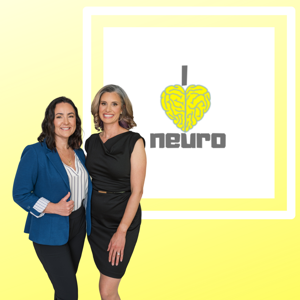


As rehab professionals, we're often hyper-focused on helping our clients improve their physical function and manage pain. But what about the equally important aspects of emotional and sexual wellbeing? In this episode Erin had the chance to sit down with Dr. Rose Schlaff, a pelvic PT and sex counselor, to discuss how neuroscience-based techniques can unlock greater intimacy, desire, and pleasure.
Dr. Rose shared her "Reclaim the Flame" method, which combines neuroscience, somatics, and sex counseling to help clients overcome societal pressures and unrealistic standards around sex and relationships. One key component is working with the cranial nerves through simple 30-second exercises. She explained that by grounding into the nervous system and using cranial nerve exercises and an understanding of polyvagal theory, we can help clients shift out of stuck states like anxiety, lack of focus, or low libido. These quick movements that stimulate the eyes, face, and other cranial nerves can create rapid shifts in our physiology and emotional state.
You will learn how eye movements actually release dopamine and how to use these to reset your nervous system or your clients. You will also have the opportunity to follow along with an exercise to make a shift yourself during the episode. Additionally, if you're nervous or don't know where to start having these conversations with clients we'll give you the steps you need to help them without the embarrassment.
As we discussed, our relationships, stress levels, and feelings of desire (or lack thereof) can have a profound impact on our nervous system and overall wellbeing. Dr. Rose emphasized the importance of clinicians feeling safe and comfortable to talk about any topic with clients, and using self-regulation techniques, in order to facilitate better co-regulation.
She encouraged clinicians to normalize conversations around sex and intimacy, even if it feels outside of our typical scope. By tapping into the power of the nervous system through techniques like eye exercises and visualization, we can help our clients (and ourselves) experience greater ease, excitement, and connection in all areas of life - not just the bedroom.
It's an empowering reminder that holistic health encompasses so much more than just the physical body. To learn more from Dr. Rose and explore her free resources use the links below.. And keep an eye out for her upcoming trainings on trauma-informed pelvic and sexual health coaching.
www.bewellwithrose.com
https://www.instagram.com/bewellwithrose/
Free 15 min call: https://www.bewellwithrose.com/schedule-now
Free guide: www.bewellwithrose.com/sds
^
FREE GUIDE: Playing with Power Dynamics: Scripts to Get You Confident and Comfortable Asking For What You Want in Any Setting!
This guide will take you through examples of my 3-step strategy to feel more comfortable, confident, and cozy communicating in any setting so you can:
✅ Decrease pain or discomfort during intimacy so you can have more fun and feel more care-free, confident, and connected in and out of the bedroom
✅ Feel calm and confident communicating your wants and needs
✅ Take the pressure off so you can feel energized and excited by intimacy
BONUS: navigate medical appointments with more comfort and confidence
Have you ever wondered how to effectively use telehealth to provide care? Maybe you're already using it and want to know how to improve. In this episode of the I Love Neuro Podcast, host Erin Gallardo sat down with two leading experts in the field - Dr. Jennifer O'Neil and Dr. Alan Lee - to learn the latest research about telehealth.
Dr. O'Neil, a physiotherapist and professor at the University of Ottawa, shared her passion for using telehealth to improve access to rehabilitation services. She became interested in this area after seeing how much time she spent traveling to see her patients in Canada's vast countryside. Her doctoral research focused on implementing intensive home-based telerehabilitation programs for people living with traumatic brain injuries. She also discussed her work on a telehealth falls prevention program tailored for Francophone communities, highlighting the importance of addressing health equity.
Dr. Lee, a physical therapist and professor at Mount Saint Mary's University, provided historical context on the development of telehealth in physical therapy. He talked about the contributions of the international physical therapy community, including the recent publication of a clinical practice guideline (CPG) on telehealth from the American Physical Therapy Association (APTA). This guideline covers everything from video conferencing to remote monitoring and asynchronous visits.
The experts shared their insights on key considerations for implementing telehealth, such as safety, patient satisfaction, and the importance of shared decision-making with patients. They emphasized the need for standardized terminology and the inclusion of qualitative research to better understand the nuances of telehealth delivery.
Erin asked about the barriers and best practices for clinicians using telehealth, how to use telehealth with people with cognitive difficulties, tips for using telehealth with groups vs individuals and how to overcome some of the common barriers that clinicians face when using telerehab. The speakers highlighted the importance of preparation, digital literacy, and adapting clinical skills for the virtual environment. They also discussed the latest changes in billing and reimbursement, as well as their opinions on whether telehealth visits should cost the same as in-person visits.
Download the CPG here: https://pubmed.ncbi.nlm.nih.gov/38513257/
https://x.com/oneil_jenn
https://www.uottawa.ca/faculty-health-sciences/rehabilitation/our-professors/jennifer-o-neil
@oneil_jenn
@alanleedpt (X)
https://www.linkedin.com/in/alan-lee-21211314/ (Linkedin)
[email protected] (email)
In this episode of the I Love Neuro podcast, hosts Erin Gallardo and Claire McLean sat down with Katie Bouchillon, OTR, CBIST, MCMT, owner and CEO of Spero Rehab, a multidisciplinary outpatient clinic with 6 locations across Houston and Austin, Texas. Katie shared her journey into neuro rehabilitation and entrepreneurship, offering valuable insights for other clinicians looking to start or grow their own practices including what NOT to do based on the big mistakes she made along the way.
- Katie was motivated to start her own clinic after becoming frustrated with the decreasing length of stays for neuro rehab patients at her previous employer. She saw a need in the community for more effective and sustainable rehabilitation options. - Starting a brick-and-mortar clinic from scratch came with its challenges, including taking out a large loan and making mistakes in the early years. Katies emphasizes the importance of establishing core values and a clear vision before opening a practice. She explains what this looks like in practice. - Building a strong network and community involvement are crucial to Katie's success. She leveraged relationships with former colleagues, participated in local events, and used social media to attract patients and employees. - Running a neuro-focused practice comes with unique financial and operational challenges. Katie discusses strategies like outsourcing services, partnering with nonprofits, and diversifying service offerings to maintain financial stability. - Hiring the right team and delegating responsibilities were key to Katie's ability to scale her business. She prioritizes finding passionate, adaptable employees who share her core values. She explains where to find "A players" and how long it could take to find the right people.
Overall, Katie's story highlights the rewards and difficulties of entrepreneurship in the neurorehabilitation field. Her insights offer valuable lessons for clinicians looking to take the leap into private practice.
https://sperorehab.com
@sperorehab
@sperorehabcentral
@speromeanshope
In this episode of the I Love Neuro Podcast, hosts Erin Gallardo and Claire McLean sat down with Dr. Beth Templin, PT, DPT, GCS, the founder of House Fit Physical Therapy, to discuss her innovative approach to serving the aging population and those living with Parkinson's disease.
Beth shared her journey into geriatric physical therapy, starting a mobile practice and then expanding to a 5,000 square foot facility that offers a range of services beyond one-on-one therapy. Some key highlights from the conversation include:
- Navigating Medicare billing as a non-participating provider initially, then transitioning to a participating provider to remove barriers for clients - Offering a diverse range of fitness classes tailored to different ability levels, with physical therapists leading the classes. Classes are with mixed populations of people, which is unique. - Incorporating non-invasive regenerative therapies like electromagnetic transduction therapy and shockwave to provide pain relief - Launching a comprehensive nutrition education and coaching program, including monthly plant-based potlucks - Emphasizing the importance of integrating nutrition, exercise, and lifestyle changes to achieve the best outcomes for their aging adult and Parkinson's clients
The discussion provides valuable insights for physical therapists and other healthcare providers looking to expand their services and take a more holistic approach to patient care. By blending traditional therapy, innovative treatments, and lifestyle interventions, House Fit Physical Therapy is setting a new standard for supporting the aging population and those living with neurological conditions.
https://www.housefitstl.com/
https://www.facebook.com/housefitstl
https://www.instagram.com/housefitstl
https://www.youtube.com/@housefitstl
In today's episode we hosted three experts in vision rehabilitation, optometrist Dr. Melissa Zarn Urankar, occupational therapist Katy Coleman, and physical therapist Xenia Andrzejewski to discuss the importance of optimizing care for people with neurologic conditions who have vision dysfunction.
The episode will address who sees patients for vision impairment - an optometrist, ophthalmologist, or neuro-ophthalmologist? Plus what are the differences in their roles for clinicians and optometrists. What are some of the things clinicians should look for that would prompt them to assess a patient's vision more closely? What are some key assessments or techniques they can use? What resources and training are available for physical therapists and occupational therapists who want to improve their skills in visual rehabilitation? Are there any certification programs?
The guests will share their key insights into having a collaborative relationship with other disciplines and where you can find your team.
Key takeaways:
- Building relationships with your "weirdos" or like-minded clinicians who are open to sharing perspectives is crucial for problem-solving complex patient cases. - Optometrists, occupational therapists, and physical therapists each bring unique expertise, but must be willing to listen and learn from each other to provide the best care. - Clear communication and avoiding jargon is key when working across disciplines. Clinicians should focus on describing functional observations rather than making assumptions. - Attending continuing education courses like the NORA annual conference can help build interdisciplinary knowledge and networks. - Reaching out to local vision therapy specialists and being open to learning from their perspective can greatly benefit OTs and PTs working with neuro patients.
By embracing an interdisciplinary approach and putting the patient's needs first, clinicians can provide more comprehensive and effective neuro vision rehabilitation. Collaboration is key to unlocking the best outcomes for those recovering from neurological injuries or conditions.
Helpful links:
https://noravisionrehab.org/about-nora/annual-conferences/2024-annual-conference
https://www.facebook.com/www.noravisionrehab.org/
https://www.youtube.com/c/NeuroOptometricRehabilitationAssociation
On this week's episode we hosted a specialist in Physical Medicine and Rehabilitation, Dr. List and occupational therapist Briana Elson, MS, OTR/L, BCPR, CBIS to share insights on spasticity management, focusing on the use of neurotoxin injections and collaboration between physicians and therapists.
Key discussion points included:
When do you recommend medication versus injection for spasticity management?
What do you consider when deciding on a treatment plan for someone with spasticity?
What does botulinum toxin do versus what does it not do?
When is it too early or too late for neurotoxin injections? Is there research showing that earlier treatment with neurotoxins can prevent symptoms from worsening?
Are neurotoxins typically covered by insurance for people?
How do you differentiate between spasticity and hypertonicity?
What's the best way to get a good outcome when injecting for contractures?
Do people need neurotoxin injections continuously to manage spasticity, or do some only need it temporarily?
When do you decide that intrathecal baclofen might be necessary instead of injections?
How do you respond to concerns about weakness from neurotoxin injections?
Does neurotoxin treatment help with pain associated with spasticity?
What's the best way for therapists to communicate with physicians about patient needs for spasticity management?
Who can perform neurotoxin injections, and how can patients find a provider?
This session highlighted the complexity of spasticity management and the need for a multidisciplinary approach. By combining medical interventions with therapy and ongoing assessment, we can help our patients achieve their functional goals and improve their quality of life.
In this episode Emily Duval Ledger, Erin Gallardo, and Claire McLean explore how maintaining an optimistic mindset can drive success in both clinical practice and business operations. Often it's not as easy to do this in business, but we've got some strategies to share with you today.
Key points included: - The power of positive language and beliefs in shaping business outcomes - Viewing challenges as opportunities for growth and innovation - Applying clinical confidence and problem-solving skills to business situations - The importance of perseverance and maintaining perspective during difficult times - Building a supportive community of like-minded professionals
The hosts emphasized that while running a business can be challenging, especially in healthcare, maintaining a tenaciously optimistic outlook can lead to creative solutions and ultimate success. They encouraged listeners to reframe obstacles, stay committed to their goals, and remember that "success is inevitable" with persistence.
In this enlightening discussion, we have an open conversation with physical therapist Lauren Young, PT, DPT, CSRS, NCS, who reached out to Claire with a number of questions. She was willing to come on the podcast so everyone can benefit from the information. Lauren started a mobile neuro practice in February 2024 and is looking to develop group wellness classes to increase access to specialty services.
Claire answers the following questions:
1. How do you make exercise classes accessible for all levels of abilities in a group setting?
2. How did you start your wellness program, particularly regarding staffing and class structure?
3. How do you structure her membership model and pricing?
4. Looking back, is there anything Claire wishes she had done differently when first starting?
Key takeaways include:
1. Renting space from existing gyms or studios is a smart way to start without heavy upfront costs. 2. Structuring classes for different ability levels is crucial for safety and effectiveness. 3. A monthly membership model provides consistent revenue and commitment from clients. 4. Pricing should reflect the premium nature of specialized services, even if it feels uncomfortable at first. 5. Slow, steady growth allows for learning and adaptation as the business evolves.
This conversation offers a wealth of practical advice for PTs looking to expand into wellness programming for neurological patients, emphasizing the importance of adaptability, client-focused services, and sustainable business practices.
Find out more about Lauren Young here: NeuroElite Physical Therapy www.NeuroElitePT.com
@NeuroElitePT (Instagram)
Have a neuro biz and want a place to ask questions of other biz owners? Request to join the NeuroBiz Besties free Slack group here
On today's show, Dr. Katie Nathan, PT, DPT, NCS joined Erin and Claire to share her journey building a successful physical therapy business to maximize impact and reach as many people as possible with focused Parkinson's disease.
Katie received her doctorate from USC in 2016 and is passionate about using exercise and movement to empower those with neurological disorders. This led her to start her own business, Moved by Movement, which offers one-on-one sessions, group classes, and a new online membership program.
Discover why Katie decided to start her own business and how she went from in person to now starting an online membership. She shares the details of her transition to working for herself full time, how she manages to keep her energy high, what it's like owning a business solo especially if she wants to travel and what she's learned with starting and online membership.
Katie relocated to Reno, Nevada and had to start from scratch. She shared some of the networking strategies that helped grow her new practice, like volunteering time, speaking at support groups, and consistently being helpful to build trust in the community.
Katie has since transitioned her business from one-on-one sessions to a group model through outdoor bootcamp classes. She also launched an online membership called Movement Matters Membership to serve clients worldwide through weekly live classes, an on-demand video library, and educational meetings.
The hosts and Katie discussed tips for work-life balance as business owners, marketing strategies, investing in professional video equipment, and more. Katie's passion for empowering those with neurological conditions through exercise was inspiring. Her story shows how physical therapists can thrive outside the traditional healthcare system.
Follow Katie on Instagram: @drkatiept
Website: www.movedbymovementpt.com
We're back for another episode this week! This one is bringing you practical clinical tools you can start incorporating right now. It's based on new evidence with intense exercise and its effect on increasing dopamine transporter and neuromelanin concentrations in the substantia nigra in Parkinson's disease. While Rogue has always been known to implement the research into practice, a transition at the clinic and inspiration from a recent article (small "n" yet still inspiring) results in a new class format that just started at Rogue PT and Wellness, Claire's gym for people with PD. Claire introduces the new high-intensity class at Rogue called "Hi Fi" for "high intensity" and "functional." It incorporates cardio, strength and functional exercises into intervals with modifications. The format follows recent research on intense exercise improving neuromelanin in Parkinson's. Find the link below to the full text free article.
Hi Fi includes a warm-up before intervals alternating between two high-intensity exercises and five skilled exercises. Exercises target mobility, balance and strength. Visual cues and straps help improve participants' form.
Claire discusses adapting the class based on themes like last week's focus on mobility. Exercises included burpees, lunges and power moves using straps and chairs.
Check it out and let us know what you learned and what you're going to try!
Intense exercise increases dopamine transporter and neuromelanin concentrations in the substantia nigra in Parkinson's disease. Npj Parkinson's disease. Published 09 February 2024
From the publisher's feed
195 Listeners
109 Listeners
155 Listeners

111,874 Listeners
7,986 Listeners

46,926 Listeners
54 Listeners
37 Listeners

29,191 Listeners
23 Listeners