
Sign up to save your podcasts
Or



If you’re a millennial woman, you might want to sit down for this one.
This episode explores how “Live Laugh Love” became one of the most successful pieces of modern décor, not because it was profound, but because it was comforting.
What began as a reflective early-1900s essay quietly transformed into a cultural shorthand for optimism, warmth, and emotional safety, and eventually into a multibillion-dollar home décor industry.
We trace how inspirational language moved from meaning to merchandise, why people like words in their homes, and how familiar phrases began standing in for identity, reassurance, and the version of ourselves we were trying to become. Especially during a time when adulthood felt unstable, expensive, and overwhelming.
This episode is not about judging taste or mocking trends.
Once you see how meaning, emotion, and commerce intertwine, you start seeing décor differently.
Welcome to Lies We Bought.
Follow the show for future episodes.
Do you know why certain colors make you feel calm, hungry, energized, or oddly loyal to a brand you have never questioned?
This episode explores how color became one of the most powerful psychological tools in marketing, shaping reactions long before we realize we are reacting at all.
Red creates urgency. Blue signals trust. Green implies health. Black and white suggest power and restraint. None of it is accidental. Entire industries spend millions testing shades because color influences belief, behavior, and choice before logic ever enters the room.
We trace how color carried meaning long before modern advertising, rooted in history, symbolism, and emotion, then follow how marketers, psychologists, and corporations turned it into a behavioral shortcut. From packaging and apps to grocery aisles and “add to cart” buttons, color quietly guides movement, appetite, and impulse.
This episode is not about telling you what color to like.
Your instincts are wiser than any palette a company selects.
Welcome to Lies We Bought.
Follow the show for future episodes.
How did drinking water become a moral achievement?
Hydration used to be a biological need. Somewhere along the way, it became a wellness routine, a personality trait, and a daily metric to prove you are doing life correctly.
This episode explores how water went from necessity to lifestyle. From the eight-glasses-a-day rule and wartime nutrition guidance, to bottled water brands selling purity, performance, and identity, hydration became less about thirst and more about control.
We trace how nuance disappeared, how marketing filled the gap, and how a free public resource turned into a multibillion-dollar industry. We also look at how modern wellness culture, influencer routines, and WaterTok trends turned drinking water into content and competition.
This episode is not about telling you how much to drink.
Hydration should not feel like a moral scoreboard.
Welcome to Lies We Bought.
Follow the show for future episodes.
Have you ever wondered how breakfast became a moral obligation, something you were taught you should eat to be a good and healthy person? This episode explores how cereal companies, early wellness movements, and strategic public relations turned breakfast into a cultural belief worth billions.
This is the real story behind why so many of us grew up hearing that breakfast is the most important meal of the day. The idea did not begin with science or nutrition. It began with marketing.
We start in the late 1800s at Dr. John Harvey Kellogg’s sanitarium, where food was treated as a path to purity, discipline, and moral control. From there, we follow the rise of cereal, the shift to sugary convenience foods, and the emotional advertising that linked breakfast to identity, family, and success.
We also look at Edward Bernays, the public relations strategist who used psychology and manufactured authority to sell bacon and eggs to America. His work changed how we trust experts and how we decide what is “healthy” or “correct.”
The playbook continued into the modern wellness era. Influencers, product claims, curated morning routines, and aesthetic meal prep follow the same behavioral cues that once came from cereal ads. Different tools, same emotional triggers.
This episode is not about telling you what to eat. It is about understanding how belief is shaped, repeated, and sold.
Eat when you are hungry. Skip it when you are not. Your body is wiser than any marketing campaign.
Welcome to Lies We Bought.They sold it. We bought it. Now we are unpacking it.
If this episode resonates, follow the show and leave a review. It helps new listeners discover it and supports independent storytelling.
“Breakfast is the most important meal of the day.”
This episode explores how breakfast became a moral obligation, something we were taught we should eat to be a good, healthy person. Cereal companies, early wellness movements, and strategic public relations turned a meal into a cultural belief worth billions.
We start in the late 1800s at Dr. John Harvey Kellogg’s sanitarium, where food was tied to purity, discipline, and moral control. From there, we trace the rise of cereal, the shift toward sugary convenience foods, and the emotional advertising that linked breakfast to family, productivity, and success.
We also look at Edward Bernays, the public relations strategist who used psychology and manufactured authority to sell bacon and eggs to America. His work reshaped how we trust experts and how we decide what is “healthy” or “correct.”
That same playbook never went away.
This episode is not about telling you what to eat.
Eat when you are hungry. Skip it when you are not.
Welcome to Lies We Bought.
If this episode resonates, follow the show to catch future episodes.
They sold it. We bought it. Now we’re unpacking it.
“Breakfast is the most important meal of the day.”“Live. Laugh. Love.”“Ten thousand steps.”“Diamonds are forever.”
We grew up believing these lines were truth, but they were marketing.
Lies We Bought is a narrative storytelling and cultural analysis podcast that explores how billion-dollar campaigns, catchy slogans, and pop culture myths shaped the way we live, shop, and see ourselves. It blends marketing psychology, history, and storytelling to uncover how everyday beliefs were built and sold to us.
From wellness trends to home decor mantras, we dig into the slogans that sold us serenity, success, and self-worth, and the emotional marketing that made them stick.
Because sometimes, the biggest lies are not the ones we are told. They are the ones we keep buying.
This one-minute teaser gives you a first listen inside the world of Lies We Bought, where nostalgia meets marketing and storytelling meets truth.
Launching November 2025.New episodes every other week.Follow now before the next lie drops.
If you love Offline with Jon Favreau, Work Appropriate, The Dream, or Marketing Made Simple, you will love Lies We Bought, a show for millennial women who love stories, strategy, and a little skepticism.
From the publisher's feed
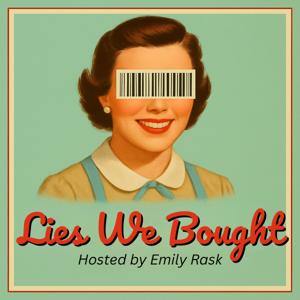
Lies We Bought is a podcast that traces advertising lies and marketing deception back to where they started. Host Emily Rask spent over a decade building marketing and advertising campaigns, and now she's reading the fine print out loud (think everything from "got milk?" to "clean beauty") to show how the message got made and why we believed it. Part branding history, part consumer psychology, part 1950s wink.
If you love smart, myth-busting shows about advertising, branding, and the hidden tricks behind the stuff you buy, you're in the right place.
Pulled fresh from the oven every Tuesday at 7 AM EST. Hit follow and start questioning the receipts.
15,777 Listeners
28,565 Listeners
2,220 Listeners

99,816 Listeners
1,991 Listeners
6,478 Listeners
4,146 Listeners
5,621 Listeners
7,331 Listeners
3,032 Listeners
12,334 Listeners
852 Listeners
12,497 Listeners
49 Listeners