
Sign up to save your podcasts
Or



Become a member of the Center for Bible Study! 👉
In this conversation, Dr. Christopher Skinner discusses his journey into biblical studies, focusing on the Johannine community and its historical context. He highlights the foundational works of scholars J. Louis Martin and Raymond Brown, who shaped the understanding of the Gospel of John and its community. The discussion also covers critiques of the Johannine community model, the impact of literary criticism on biblical studies, and the diverse approaches taken by contemporary scholars in interpreting the Gospel of John. In this conversation, Dr. Christopher W. Skinner discusses the evolving landscape of Johannine studies, highlighting the emerging consensus and ongoing debates surrounding the Johannine community. He emphasizes the importance of narrative and world-building in understanding the texts, while also addressing the dynamics of conflict present in the literature. The conversation explores future directions for research and the need to confront issues of anti-Judaism in the Fourth Gospel, ultimately aiming to foster constructive dialogue and scholarship in the field.
#secondcoming #prophet #prophecy #jesus #jesuschrist #gospel #gospels #biblicalstudies #parousia #jesusreturn #endtimes
Become a member of the Center for Bible Study! 👉
Become a member of the Center for Bible Study! 👉
Become a member of the Center for Bible Study! 👉
Join the Facebook Center for Bible Study Group for ongoing conversation about the Bible, live Q&A sessions, and great community.
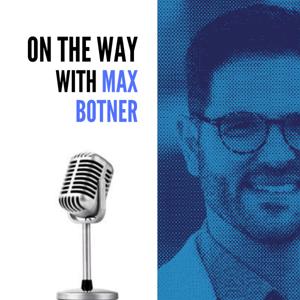
Dr. Botner interviews Drs. Matthias Henze and David Lincicum about their book 'Israel's Scriptures in Early Christian Literature'. They discuss the goals and unique aspects of their book, and explore the conceptualization of scripture in the ancient Jewish context and the fluidity of scribal practices. They also provide examples of how understanding the context of reading communities can inform our understanding of the New Testament. They highlight the importance of shared ways of reading and the diverse interpretations of scripture in shaping the early Christian movement. The book explores how the New Testament authors engaged with and interpreted the Old Testament scriptures. It covers various aspects such as the use of scripture in early Christian art, the reception of scripture in non-canonical texts, and the themes of covenant and law. The authors highlight the importance of understanding the historical and cultural context of the New Testament in order to fully grasp the significance of its use of scripture. The book aims to contribute to the ongoing conversation in Second Temple Judaism and New Testament studies.
Dr. Sarah Farmer discusses her journey into theology and her motivation for the work she does. She shares how her experience teaching in a prison led her to explore the concept of hope in dehumanizing contexts. She explores different forms of resilience, including dogged, creative, and embodied resilience, and emphasizes the importance of grounding hope in the body. Dr. Farmer also discusses the concept of compassionate mobility and the role of institutions, particularly churches, in supporting and championing incarcerated individuals. She highlights the need for marginalized and disenfranchised people to be included in the image of God and the importance of self-care as a way of honoring the image of God within oneself. Farmer also explores the idea of identity paralysis and the impact of stigma and institutional barriers on individuals. She suggests that theological education should focus on who students are becoming rather than just imparting knowledge. Additionally, she highlights the importance of creating spaces for communal encounter and authentic dialogue in faith communities.
Dr. Sarah F. Farmer is Assistant Professor in the Theology and Ministry Department at Indiana Wesleyan University. A former associate research scholar at Yale Divinity School and Director the Adolescent Faith and Flourishing Program at Yale Center for Faith and Culture, Sarah received her M.Div. and Ph.D from Emory University, where she taught as an adjunct faculty and co-directed a Certificate in Theological Studies Program at a Women’s Prison. Sarah teaches in the areas of psychosocial identity and faith formation, community building, congregational studies, social change and transformative pedagogy.
Become a member of the Center for Bible Study! 👉
Dr. Nathan Johnson discusses his book The Suffering Son of David in Matthew's Passion Narrative. He explains his journey into biblical studies and his interest in intertextuality and the reuse of scripture. He explores the need for looking at the Davidic elements in the end of the gospel and the passion. Dr. Johnson discusses the connections between Jesus as a new David or a Davidic Messiah being arrested on the Mount of Olives and being betrayed by his closest companion, drawing parallels to the Absalom Revolt. He also delves into the use of Psalms in the passion narrative, particularly Psalm 22 as a crucifixion and resurrection psalm. In this conversation, Nathan Johnson discusses the use of Psalms in Matthew's passion narrative and the portrayal of Jesus as the suffering Son of David. He highlights the connections between Psalm 22 and the crucifixion scene, as well as the inclusion of Psalm 69 in the resurrection scene. Johnson also explores the debate surrounding Jesus' reference to Psalm 22 and the significance of the centurion's fear. He emphasizes that Matthew is building on Mark's gospel and adding more Davidic material to show Jesus as the Davidic Messiah who suffers. Additionally, Johnson discusses the relationship between Matthew and Judaism, arguing that Matthew is a Jewish author who uses scripture to present Jesus as the Messiah within the Jewish tradition. He cautions against the self-serving interpretations of Judaism in New Testament studies and emphasizes the need for historical imagination when studying other messianic and prophetic figures of the time. Johnson concludes by discussing the rhetorical purposes of distancing Jesus from other messiah figures and movements, as well as the apologetic slant in Matthew's gospel.
Become a member of the Center for Bible Study! 👉https://give.ministrylinq.com/App/Form/d96bbdb5-197e-4a2d-820c-e3e4e3683e06
Join the Facebook Center for Bible Study Group 👉 https://www.facebook.com/groups/908391187019803
From the publisher's feed
19,480 Listeners
572 Listeners
612 Listeners
280 Listeners
4,434 Listeners
1,478 Listeners
45 Listeners

361 Listeners

2,057 Listeners
248 Listeners

51 Listeners

1,025 Listeners

219 Listeners
873 Listeners