
Sign up to save your podcasts
Or

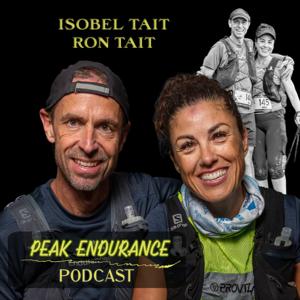


In this episode of the Peak Endurance Podcast, Isobel and Ron break down the exact approach runners should take when they’ve been doing nothing but easy running or have never done structured speedwork before and now want to get faster again.
We cover:
• Why speed is a skill not a pain game• How to introduce quality work without blowing up your tissues
• Why strength must come before intensity
• The simple weekly structure that actually works
• How to know when to progress — and when to hold
• Why most runners sabotage speedwork without realising it
If you’ve ever jumped into intervals and then wondered why you got injured or flat, this episode will make everything click.
Speedwork doesn’t have to break you.
When done right it unlocks that smooth, controlled pace that feels effortless on race day.
Enjoy the episode and if you want a personalised return-to-speed coaching program to implement this properly (with zero guesswork), send Isobel a DM on Instagram @peakendurancecoaching or enquire at www.peakendurancecoaching.com.au
This week, we’re diving into the questions every ultra runner is thinking—but not always asking out loud. No fluff, no generic advice, just honest, practical coaching insights (and a few hard-earned lessons) from years of racing and coaching ultras.
In This Episode, We Answer:
• Training for Elevation Without Hills
• Strength Training: Optional or Essential?
• Bonk or Medical Danger: Know the Difference
• Balancing Ultra Training with Work & Family
• Start Line Confidence & Imposter Syndrome
Got a question for the next Q&A? Drop it in the comments or message us on Instagram @peakendurancecoaching.If you’re training for your next ultra and want expert coaching support, visit www.peakendurancecoaching.com.au
The code for 25% off GSER, Rokeby Twilight Trail Run and Run Tarra Bulga is: UEPEAKVIP
This week, we’re diving into the questions every ultra runner is thinking—but not always asking out loud. That's why we asked ChatGpt what ultrarunners would ask!
From overtraining and gut issues to pacing mistakes, DNFs, confidence, and more, we’re tackling the real challenges you face on the trails. No fluff, no generic advice, just honest, practical coaching insights (and a few hard-earned lessons) from years of racing and coaching ultras.
In This Episode, We Answer:
• Overtraining vs. Just Tired: When to push and when to rest
• Mileage vs. Quality: What actually builds ultra performance
• How to Bounce Back from a DNF
• Gut Issues & Race Nutrition Mistakes
• Pacing the First Half of an Ultra Without Blowing Up
🎧 Got a question for the next Q&A? Drop it in the comments or message us on Instagram @peakendurancecoaching.If you’re training for your next ultra and want expert coaching support, visit www.peakendurancecoaching.com.au
Most runners obsess over VO₂ max. Watches flash it. Apps brag about it. Athletes compare numbers like trophies.
But here’s the truth: if VO₂ max decided races, we wouldn’t need start lines. We’d just hand medals to lab results.
In this episode, Ron and I break down the real difference between VO₂ max and lactate threshold — and reveal why neither metric tells the full story for trail and ultra runners.
You’ll learn:🏁 VO₂ Max — Your Engine Size
What it really means, how much you can influence it, and why it’s not the best predictor of ultra performance.⚡ Lactate Threshold — Your Sustainable Speed
Where the real racing happens, and why improving this matters more than chasing a bigger number on your Garmin.🪨 The Ultra Limiter No One Talks About: Muscular Endurance
The silent killer of 100 milers — and why blown quads, poor fueling, and mental fatigue end more races than oxygen capacity ever will.
If you want help building true ultra strength — beyond the lab metrics — that’s exactly what we coach inside the Ultra Performance Method.
In this episode, Isobel and Ron are calling out the biggest myths in running that just won’t die — from “more miles are better” to “pain is weakness leaving the body.”
These myths keep runners stuck, injured, and frustrated. Together, they break down the truth behind each one and share what actually works for long-term, strong, and sustainable running.
Expect a mix of science, experience, and a few laughs as they cover:
Why chasing mileage can backfire
How strength and mobility are secret speed tools
The real deal on carbo-loading
Why mindset, proper training and recovery matter more than gear
And why ultras will never get easier — but you’ll get stronger
If you’re ready to train smarter, not just harder, this episode will change how you think about your running forever.
🎧 Tune in now — and if you’re ready to go deeper, check out The Ultra Performance Method, our coaching program designed to help runners go further, faster, and injury-free.
www.peakendurancecoaching.com.au
Welcome back to the Peak Endurance Podcast with Isobel & Ron.
In this episode, we flip the script: instead of adding more to your training, we’re looking at what to avoid. Because sometimes, progress isn’t about piling on — it’s about cutting out the habits that hold you back.
We cover the 10 things smart runners don’t do, including:
kipping strength training
Ignoring recovery
Pushing through every niggle
Chasing junk miles
Winging nutrition
Going out too fast
Comparing everything to Strava
Neglecting mindset
Overcomplicating training
Going it alone
You’ll hear how small shifts in these areas can keep you injury-free, build confidence, and make you a stronger, more consistent runner.
Ready to put these principles into action? That’s exactly what I do with my athletes inside the Ultra Performance Method — integrating training, strength, nutrition, and mindset into one system. Check out www.peakendurancecoaching.com.au
A lot of runners think that hiring a coach means guaranteedresults. Or that once you’ve trained enough, ultras somehow get easier. In this episode, Isobel and Ron break down why both of those ideas are myths.
We talk about:
- why coaching is guidance and accountability - not a magic shortcut.
- the truth about training: it never makes ultras easy, but it makes you stronger at handling the ahrd.
If you’ve ever wondered why ultras still feel brutal nomatter how fit you are, or if you’ve questioned whether a coach can “guarantee”your success, this episode will set the record straight.
👉 Tune in to learn whychasing “easy” is the wrong goal—and why embracing the challenge is where themagic happens.
Ultras never go to plan. The runners who finish strong aren’t the ones who hope for a perfect day—they’re the ones who are ready for anything.
In this episode, I break down how to prepare for the inevitable curveballs of ultrarunning: nutrition mishaps, gear fails, weather chaos, and those mental lows that creep in at 3 a.m.
You’ll learn:
Why training in adverse conditions is a hidden superpower
How to fuel flexibly when things don’t go to plan
The art of problem-solving mid-race (without panicking)
Mental strategies to carry you through the final 20% when grit matters most
Quick fixes for common race-day disasters
By the end of this episode, you’ll know how to stay calm, adapt, and finish your ultra feeling strong.
👉 Grab my free Race Day Problems & Quick Fixes Checklist by commenting CHECKLIST on any post on Instagram
Ron and I break down what it actually takes to build true endurance over months and years—not just survive a big weekend. We unpack the physiology of aerobic capacity (why an easy-paced base is your performance superpower), how to apply progressive overload without tipping into fatigue, and the mindset tools that turn consistency into confidence on race day. You’ll learn how to build the base, add stress slowly, and let patience compound.
If you want a plan you can trust, check out Peak Endurance Coaching and sign up for my free workshop!
Whether you’re logging long runs on quiet trails or squeezing in miles along busy roads, safety should always come first. In this episode, Ron and I dive into practical strategies every runner can use to stay safe while training.
We cover:✅
Road running safety—visibility, traffic awareness, and sharing space with others
✅ Trail running safety—gear, navigation, wildlife, and running solo
✅ Personal safety tips—staying alert around people, tech use, and what to carry
✅ How to build safe habits without losing the joy of running
Staying safe doesn’t mean running scared—it means running smart. Tune in for actionable advice to keep your training consistent, confident, and worry-free.👉
If you enjoyed this episode, share it with a running friend. Also, go to Instagram @peakendurancecaoching and DM me 'safety' for the tips. Also, check out my free workshop 'Spot and Fix Your Training Blind spots' on my website here<<