
Sign up to save your podcasts
Or

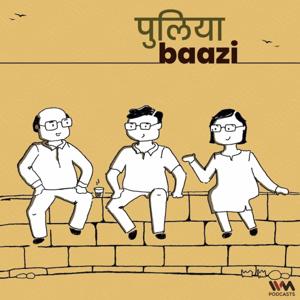


पेरिस ओलंपिक्स के नजदीक आने के साथ ही भारत में कई खेल प्रेमी सोच रहे होंगे: भारत ओलंपिक की मेजबानी कब करेगा? लेकिन अगर कोई खेल प्रेमी पुलियाबाज़ी का श्रोता है, तो वह सबसे पहले यह सवाल पूछेगा: क्या भारत को ओलंपिक की मेजबानी करनी चाहिए? क्या इस तरह के आयोजन से भारत में खेल को बढ़ावा मिलेगा या यह हमारे सीमित संसाधनों की बर्बादी होगी? क्या कोई और विकल्प है जो भारत में खेल प्रशासन को सुधार सकता है? प्रणय के पास ऐसे ही कुछ वैकल्पिक प्रस्ताव हैं जिन पर हमने पुलियाबाज़ी की। आप भी सुनिए और इन विचारों पर अपनी टिप्पणियां हमें भेजिए।
As Paris 2024 is just around the corner, many sports enthusiasts in India may be wondering: When will India host the Olympics? But if the sports enthusiast happens to be a Puliyabaazi listener, they are likely to first ask: Should India host the Olympics? Will the sports ecosystem in India get a boost by such an event or will it be a wastage of our already limited resources? Are there any alternatives that can rejig the sports governance in India? Well, Pranay has a few heretical ideas to present on this Puliyabaazi. So hit that play button and get listening!
We discuss:
00:00 Introduction
02:30 Should India host the Olympics?
06:00 The Olympics is like a PLI scheme
13:15 An impact on culture
17:19 Ideas for improving sports governance
20:40 The pyramid of sports governance
30:40 Breaking the monopoly of sports bodies
40:45 Sports beyond boundaries
Readings:
Boundary Lab: Inside the Global Experiment Called Sport by Nandan Kamath
Anticipating the Unintended #262: Heretical Ideas in Sports Governance by Pranay Kotasthane
Related Puliyabaazi:
रन-नीति : क्रिकेट में डेटा क्रांति. Cricket and Data Science.
If you have any questions for the guest or feedback for us, please comment here or write to us at [email protected]. If you like our work, please subscribe and share this Puliyabaazi with your friends, family and colleagues.
Website: https://puliyabaazi.in
Hosts: @saurabhchandra @pranaykotas @thescribblebee
Twitter: @puliyabaazi
Instagram: https://www.instagram.com/puliyabaazi/
Subscribe & listen to the podcast on iTunes, Google Podcasts, Castbox, AudioBoom, YouTube, Spotify or any other podcast app.
इस सप्ताह पुलियाबाज़ी पर हम चर्चा करते हैं कि कैसे फ्री मोबिलिटी समझौतों के माध्यम से भारतीयों के लिए नए अवसर पैदा किए जा सकते हैं। क्या यह हमारे ब्रेन ड्रेन को ब्रेन गेन में बदलने का मार्ग हो सकता है? ज़रूर सुनें।
This week on Puliyabaazi, we discuss how new opportunities can be created for Indians by improving rotational labour mobility for Indians through Free Mobility Agreements. Can this be the pathway to turn our brain drain into brain gain? Do listen in.
We discuss:
* World’s changing demography
* Rotational Labour Mobility
* Free Mobility Agreements
* Brain Gain
* Elements of bilateral agreement
* Does this reduce freedom?
Readings:
India Policy Watch #3: India Should Sign Free Mobility Agreements (FMAs)
As Trump attacks migrants, how India can help itself and the West on labour migration, by Manish Sabharwal and Chinmay Tumbe for Indian Express
Michael Clemens’ idea for a US-Mexico Bilateral Worker Agreement
Lant Pritchett’s foundational work on the concept of Rotational Labour Mobility
Related Puliyabaazi:
श्रम कानून में सुधार कैसे लाया जाए? Reforming India’s Labour Laws ft. Bhuvana Anand
भारत की Global Value Chains में हिस्सेदारी कैसे बढ़ाई जाए? Ft. Saon Ray
If you have any questions for the guest or feedback for us, please comment here or write to us at [email protected]. If you like our work, please subscribe and share this Puliyabaazi with your friends, family and colleagues.
Website: https://puliyabaazi.in
Hosts: @saurabhchandra @pranaykotas @thescribblebee
Twitter: @puliyabaazi
Instagram: https://www.instagram.com/puliyabaazi/
Subscribe & listen to the podcast on iTunes, Google Podcasts, Castbox, AudioBoom, YouTube, Spotify or any other podcast app.
इस हफ़्ते पुलियाबाज़ी पर और एक सफरनामा जिसमें सौरभ देते हैं अपने बोस्टन सफर का ब्यौरा। क्या इकोसिस्टम है बोस्टन में जिससे वहाँ रोबोटिक्स से लेकर बायोटेक्नोलॉजी जैसे क्षेत्र में अप्रतिम संशोधन निकल कर आते हैं? क्या चीन में भी ऐसी इकोसिस्टम बनाना संभव है? जुड़िये इस पुलियाबाज़ी पर। अगर आपकी कोई टिप्पणियाँ हो तो ज़रूर भेजें। अगर आप पुलियाबाज़ी पर अपने विचार या लेख साझा करना चाहें तो हमें ज़रूर लिखें।
This week, Saurabh shares his notes from his travels to Boston. He talks about the innovations he saw in robotics and biotechnology, and shares his views on what sustains the innovation ecosystem in the US. What should India do if it wants to foster such an innovation in India? How does the innovation ecosystem in China fare in comparison to the US and the European Union? This and more on this Safarnama:
We discuss:
* The Mecca of Robotics
* The Boston Ecosystem
* Government interventions
* Agglomeration in research
* Driving cutting-edge innovation
* Can China overtake the US in innovation?
Readings:
Research Paper: Rethinking innovation policy in India: amplifying spillovers through contracting-out by R. A. Mashelkar, Ajay Shah, Susan Thomas
Youtube: BigDog Evolution by Boston Dynamics
सफ़रनामा Playlist:
सफ़रनामा: अमरीका से थाईलैंड से केन्या तक। Travelogue from US, Thailand, Kenya
अमरीकी मैन्युफैक्चरिंग जगत का सफ़रनामा। US Travelogue - Trade Exhibitions, Saving Art, and Unisex Toilets
भारतीय शहरों के लिए एक मॉडेल शहर। Singapore Safarnaama
If you have any questions for the guest or feedback for us, please comment here or write to us at [email protected]. If you like our work, please subscribe and share this Puliyabaazi with your friends, family and colleagues.
substack:
Website: https://puliyabaazi.in
Hosts: @saurabhchandra @pranaykotas @thescribblebee
Twitter: @puliyabaazi
Instagram: https://www.instagram.com/puliyabaazi/
Subscribe & listen to the podcast on iTunes, Google Podcasts, Castbox, AudioBoom, YouTube, Spotify or any other podcast app.
भारत में आर्थिक विश्लेषण अक्सर राज्य-केंद्रित होता है। हालाँकि, राज्यों के भीतर भी काफ़ी आर्थिक भिन्नताएँ हैं। भारत को क्षेत्रीय विविधता के नज़रिए से देखना शायद ज़्यादा सटीक होगा- 85 क्षेत्रों का देश, जिनमें से प्रत्येक की अपनी अर्थव्यवस्था, भौगोलिक पहचान, संसाधन और कुशलता हैं। इस नज़रिए से भारत कैसा दिखता है? क्षेत्रीय स्तर पर विश्लेषण से हम भारत के बारे में क्या सीख सकते हैं? इस विषय पर विस्तार से चर्चा के लिए पुलिया पर जुड़ती है अर्थशात्री और लेखिका डॉ. पूर्णिमा डोरे।
Economic analysis in India is often state-centric. However, there is quite some economic divergence even within states. It’s probably more accurate to look at India through the lens of its regional diversity-a country of 85 regions, each with their own economy, geographic identity, resources and skill sets. What can we learn about India when we adopt this lens? To discuss this, we talk to Dr. Poornima Dore, an economist and author of ‘Regional Economic Diversity’.
We discuss:
* Why focus on regional diversity?
* Are regions political entities too?
* Understanding the agglomeration effect
* Who comes first? Industry or people?
* A lack of regional political consciousness?
* Planning at regional level
* Specialisation or Diversification?
* Enabling conditions and organic growth
Readings:
Regional Economic Diversity: Lessons from an Emergent India by Poornima Dore and K. Narayanan
Listen to related Puliyabaazi:
भारत का भविष्य हमारे शहर तय करेंगे। Managing India’s Cities ft. Devashish Dhar, Author
आंतरिक सुरक्षा: हालचाल ठीक-ठाक है? Internal Security in India ft. Devesh Kapur & Amit Ahuja
If you have any questions for the guest or feedback for us, please comment here or write to us at [email protected]. If you like our work, please subscribe and share this Puliyabaazi with your friends, family and colleagues.
Website: https://puliyabaazi.in
Hosts: @saurabhchandra @pranaykotas @thescribblebee
Guest: @PoornimaDore
Twitter: @puliyabaazi
Instagram: https://www.instagram.com/puliyabaazi/
Subscribe & listen to the podcast on iTunes, Google Podcasts, Castbox, AudioBoom, YouTube, Spotify or any other podcast app.
ये अंक २०१९ लोक सभा चुनाव के पहले प्रकाशित किया गया था
इलोन मस्क के EVM से जुड़े ट्वीट ने इस मशीन को एक बार फिर अख़बारों के प्रथम पृष्ठ पर ले आया है | तो पुलियाबाज़ी में हमने इस प्रश्न से हटकर मतदान प्रक्रिया को समझने का प्रयास किया | इस पुलियाबाज़ी में हमारे गेस्ट है श्री अलोक शुक्ला जो २००९ और २०१४ के बीच भारत के डिप्टी इलेक्शन कमिश्नर रह चुके हैं | उनकी किताब Electronic Voting Machines: The True Story इवीएम पर लग रही आलोचनाओं का मुँहतोड़ जवाब देती है | इस पुलियाबाज़ी में हमने उनके सामने यह सवाल रखे:
* संसद चुनाव के लिए प्रक्रिया कब और कैसे शुरू होती है ?
* चुनाव आयोग एक स्वतन्त्र संवैधानिक संस्था है - इस संरचना का ECI अफसरों पर आपके मुताबिक क्या फ़र्क पड़ता है? क्या सब पार्टियाँ चुनाव आयोग के पास चुगली करने आती रहती है?
* EVM के आने से पहले क्या तकलीफें होती थी चुनाव करवाने में ?
* EVM का आईडिया कब पहले आया? क्या क्या विरोध रहे है EVM के ख़िलाफ़?
* EVM और राजनैतिक दलों का रिश्ता कैसा रहा है?
* EVM की छवि सुधारने के लिए ECI को क्या करना चाहिए?
In the 1971 General Elections, it was alleged that ballot papers were tampered with vanishing and reappearing ink such that the vote stamp miraculously disappeared from another candidate and reappeared against the Congress candidate instead. This is not different from today when political parties blame the Electronic Voting Machine for their losses. Elon Musk's recent tweet is another instantiation of this debate.So, in this episode, we investigate the Indian electoral process and the EVM itself. To help us understand this better, we are joined by Dr Alok Shukla, who served as Deputy Election Commissioner between 2009 and 2014. Dr Shukla has served as an international observer for elections in several countries and has been decorated with the Prime Minister’s Award for Excellence in Administration in 2010. His latest book, Electronic Voting Machines: The True Story, is an authoritative account of electronic voting machines.
(This is a retelecast of an episode we recorded in 2019 before the Lok Sabha elections that year)
सुनिए और बताइये कैसा लगा यह एपिसोड आपको।
If you have any comments or questions, please write to us at [email protected] Follow us on Twitter: https://twitter.com/puliyabaazi Instagram: https://www.instagram.com/puliyabaazi/
'कोस कोस पर बदले पानी, चार कोस पर वाणी, जो नहीं बदलती वो है हिंदुस्तानी।’ तो आइये करते है आज हिंदुस्तानी भाषाओं पर एक पुलियाबाज़ी। जिसमे बातें पाकिस्तान में बोली जाती एक द्रविड़ भाषा ब्राहुई से लेकर पूर्वोत्तर के बाजार की भाषा नगामीस तक। एक दूसरे के जैसी पर एक दुसरे से अलग, ऐसी भारतीय भाषाओं की कहानी संपादक और लेखक कार्तिक वेंकटेश के साथ।
This week, an evergreen Puliyabaazi on the diversity of Indian languages. Why do languages evolve the way they do? How did the many different languages and dialects of India evolve? What role did the British play in reviving some of these languages? Do languages die? What gets lost when we lose a language? Find some interesting answers to these fascinating questions in this conversation with editor and author, Karthik Venkatesh.
We discuss:
* How do languages evolve
* Brahui-Clues to the language of Indus Valley Civilization
* Oldest Indian Languages
* How the British contributed to Indian languages
* Linguistic survey of India
* The late arrival of printing in India
* The interesting dynamics of Hindi and Urdu
* Link languages
* Do languages die?
Readings:
10 Indian Languages and How They Came to Be
Listen to related Puliyabaazi:
भारतीय भाषाओँ में हमारे अतीत के सुराग़. Clues to our past in Indian languages.
हिंदी-उर्दू : इतिहास और राजनीतिकरण. Hindi Urdu Unity.
एक देश, कईं भाषाएँ, एक लिपि। Many Languages, One Script
If you have any questions for the guest or feedback for us, please comment here or write to us at [email protected]. If you like our work, please subscribe and share this Puliyabaazi with your friends, family and colleagues.
substack:
Website: https://puliyabaazi.in
Hosts: @saurabhchandra @pranaykotas @thescribblebee
Guest: @karthik_venk
Twitter: @puliyabaazi
Instagram: https://www.instagram.com/puliyabaazi/
Subscribe & listen to the podcast on iTunes, Google Podcasts, Castbox, AudioBoom, YouTube, Spotify or any other podcast app.
नीतियां बनाते वक़्त, ये समझना ज़रूरी होता है कि लोग कैसे सोचते हैं और कैसे अपना व्यवहार तय करते हैं, तभी कामयाब और फायदेमंद नीतियां बन पाएंगी। लेकिन, क्या नीति बनाने वाले ये मान लें कि लोग अक्सर अतार्किक फैसले लेते हैं या ये कि लोग ज़्यादातर विवेकशील होते हैं? आखिर, ऐसी मान्यताओं के आधार पर कैसी नीतियां बनेंगी? आइये, करते हैं आज इसी पर चर्चा।
In the realm of policymaking, understanding human behavior is crucial for crafting effective and impactful solutions. However, a central debate revolves around whether policymakers should assume humans are inherently rational or irrational beings. What kind of policies will such assumptions lead to? We argue against the assumption of human irrationality and examine its implications for policy formulation.
We discuss:
* Making decisions for others
* Assuming irrationality
* Humans are reasonable
* Is buying lottery irrational
* A lottery to increase voting percentage
* Empathy vs Compassion
Readings:
A Framework A Week: How to Deter Reasonable People from Engaging in Undesirable Behaviour? | Pranay Kotasthane
Behavioral science should start by assuming people are reasonable
Listen to related Puliyabaazi:
अर्थतंत्र को क्यों समझें ? Economics for Everybody ft. Ashish Kulkarni
सोचे तो सोचे कैसे. Behavioral Economics
If you have any questions for the guest or feedback for us, please comment here or write to us at [email protected]. If you like our work, please subscribe and share this Puliyabaazi with your friends, family and colleagues.
Website: https://puliyabaazi.in
Hosts: @saurabhchandra @pranaykotas @thescribblebee
Twitter: @puliyabaazi
Instagram: https://www.instagram.com/puliyabaazi/
Subscribe & listen to the podcast on iTunes, Google Podcasts, Castbox, AudioBoom, YouTube, Spotify or any other podcast app.
क्या आपको पता है कि विश्व युद्ध और भारत के बंटवारे के बाद भी दशकीय जनगणना समय पर की गयी थी, जब की हालिया दशकीय जनगणना करने में देरी हो चुकी है। इससे शासन प्रणाली पर काफ़ी असर पड़ेगा क्योंकि हर एक जिल्ले में कितनी सरकारी सुविधा प्रदान की जाये ये जनगणना के हिसाब से निश्चित किया जाता है। जनगणना और जनसंरचना याने कि डेमोग्राफी एक दिलचस्प विषय है जिसको गहराई से समझाने के लिए हमारे साथ पुलियाबाज़ी पर जुड़े प्रोफ़ेसर शिवकुमार जोलद। सुनिए इस पुलियाबाज़ी को और समझिये भारत की बदलती जनसंरचना के बारे में।
Did you know that even after World War II and the partition of India, the decennial census was conducted on time? The recent decennial census has been delayed and it is a matter of concern because this will have an impact on all levels of governance. This week on Puliyabaazi, Professor Shivkumar Jolad joins us to discuss the fascinating discipline of Demography. This is a Puliyabaazi with many TIL moments. Do listen in.
We discuss:
* The discipline of demography
* Why is the census important?
* History of census in India
* Impact of caste census
* How is India’s demography changing
* Counting languages and state formation
Readings: Articles by Shivakumar Jolad
* India's Linguistic Diversity: How the Census obscures it
* Pedagogical Problem of the Census
* Demography in service of other social sciences
* Perils of a Centralized State
* Listen to related Puliyabaazi:
जातीय जनगणना होनी चाहिए या नहीं? Pros and Cons of a Caste Census
भारत की जनसंख्या: विस्फोट या वरदान? Is India overpopulated?
If you have any questions for the guest or feedback for us, please comment here or write to us at [email protected]. If you like our work, please subscribe and share this Puliyabaazi with your friends, family and colleagues.
substack:
Website: https://puliyabaazi.in
Hosts: @saurabhchandra @pranaykotas @thescribblebee
Guest: @shivakjolad
Twitter: @puliyabaazi
Instagram: https://www.instagram.com/puliyabaazi/
Subscribe & listen to the podcast on iTunes, Google Podcasts, Castbox, AudioBoom, YouTube, Spotify or any other podcast app.
अक्सर हमारे नेता भारतीय शहरों को सिंगापुर जैसा बनाने का सपना रखते है। क्या है जो हमारे शहर सिंगापुर से सीख सकते हैं? इस हफ़्ते पुलियाबाज़ी पर सुनिए सिंगापुर यात्रा से प्रणय के अवलोकन। इस सफ़रनामा में बात खुले व्यापार से लेकर स्ट्रीट लाइट्स तक। सुनियेगा ज़रूर।
Singapore is often seen as a model for development for Indian cities. This week, Pranay shares his observations from his recent visit to the city-state of Singapore.
We discuss:
* Should we make our cities as union territory?
* 100 Singapores in India
* Can Indian cities learn from Singapore?
* Kids travelling alone
* Churn in city centre
* Administrative outlook
* Import dependence and free trade
* Energy intense economy
* Smart Diplomacy
Pranay’s travelogue:
https://publicpolicy.substack.com/i/144748014/global-policy-watch-a-singapore-summer
Listen to related Puliyabaazi:
सफ़रनामा: अमरीका से थाईलैंड से केन्या तक। Travelogue from US, Thailand, Kenya
अमरीकी मैन्युफैक्चरिंग जगत का सफ़रनामा। US Travelogue - Trade Exhibitions, Saving Art, and Unisex Toilets
If you have any questions for the guest or feedback for us, please comment here or write to us at [email protected]. If you like our work, please subscribe and share this Puliyabaazi with your friends, family and colleagues.
substack:
Website: https://puliyabaazi.in
Hosts: @saurabhchandra @pranaykotas @thescribblebee
Twitter: @puliyabaazi
Instagram: https://www.instagram.com/puliyabaazi/
Subscribe & listen to the podcast on iTunes, Google Podcasts, Castbox, AudioBoom, YouTube, Spotify or any other podcast app.
क्या आपने कभी सोचा है कि एक न्यायपूर्ण समाज कैसा दिखता है? आज हम न्यायपूर्ण समाज की दो परिकल्पना को समझेंगे, जॉन रॉल्स और रोबर्ट नोज़िक के दृष्टिकोण से। जॉन रॉल्स करते हैं समानता की पैरवी, जब के नोज़िक रखते हैं स्वतंत्रता का पक्ष। इस पुलियाबाज़ी में हम दोनों पक्षों के तर्क को समझने की कोशिश करेंगे। क्या इसमें कोई समाधान की आशा है? वो तो आप ही सुनिए, सोचिये और बताइये।
In this episode of Puliyabaazi, we delve into the philosophical debate between John Rawls and Robert Nozick on what makes a just society. What is more important? equality or liberty?
John Rawls proposes the "veil of ignorance" thought experiment, where individuals choose principles of justice for a society while not knowing their own social status. Robert Nozick, on the other hand, prioritizes individual liberty. His book Anarchy, State, and Utopia argues for minimal government intervention, emphasizing the right to keep what one has justly acquired.
The Debate Heats Up
This episode is an exploration of these two differing points of view. We unpack their core arguments, identify their strengths and weaknesses, and delve into some real-world implications of their ideas.
We discuss:
* Is philosophy useful in crafting policy?
* Rawls’ Theory of Justice
* Greatest Equal Liberty Principle
* Maximin Principle
* Do we really believe in equality?
* Nozick’s answer to Rawls
* A patterned distribution will not work
Readings:
A Theory of Justice by John Rawls
Anarchy, State and Utopia by Robert Nozick
Listen to related Puliyabaazi:
गांधी टैगोर की पुलियाबाज़ी. The Gandhi Tagore Debates
एक सवाल, कई जवाब: क्या सम्पत्ति कर आर्थिक असमानता से निजात दिला सकता है? Can wealth tax solve economic inequality?
If you have any questions for the guest or feedback for us, please comment here or write to us at [email protected]. If you like our work, please subscribe and share this Puliyabaazi with your friends, family and colleagues.
Website: https://puliyabaazi.in
Hosts: @saurabhchandra @pranaykotas @thescribblebee
Twitter: @puliyabaazi
Instagram: https://www.instagram.com/puliyabaazi/
Subscribe & listen to the podcast on iTunes, Google Podcasts, Castbox, AudioBoom, YouTube, Spotify or any other podcast app.
From the publisher's feed

8,770 Listeners

158 Listeners

5 Listeners

27 Listeners

1 Listeners

4 Listeners

34 Listeners

14 Listeners

7 Listeners

7 Listeners

56 Listeners

88 Listeners

39 Listeners

10,106 Listeners
289 Listeners

554 Listeners

40 Listeners
13 Listeners
2 Listeners

15 Listeners

9 Listeners
94 Listeners

11 Listeners