
Sign up to save your podcasts
Or

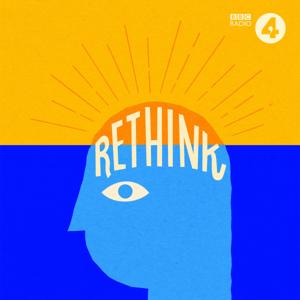

Do you agree with either of these statements?
Illegal migrants come here and are a burden on services and the taxpayer.
They may seem on opposite poles of the political spectrum, but both anti-migrant campaigners and anti-capitalists share an identical mindset. Both are demonstrating zero-sum thinking; the belief that if one group wins, another has to lose.
In itself, zero-sum thinking isn't moral or immoral, right or wrong. But Economists claim it leads to poor economic policy, and they say evidence shows it is possible to create win-win situations for everyone.
But many of the main parties at Westminster also use zero-sum thinking in their political rhetoric - from Reform and the Greens, to the Conservatives and Labour. Also, the first past the post electoral system is literally a zero-sum process. So is this kind of thinking baked-into UK politics?
So are there particular groups of people that are more prone to zero-sum beliefs? Where did this mindset come from? What economic conditions encourage zero-sum thinking, and how deeply are these beliefs held?
Presenter: Ben Ansell
Contributors:
 View all episodes
 By BBC Sounds

4.8
99 ratings
Do you agree with either of these statements?
Illegal migrants come here and are a burden on services and the taxpayer.
They may seem on opposite poles of the political spectrum, but both anti-migrant campaigners and anti-capitalists share an identical mindset. Both are demonstrating zero-sum thinking; the belief that if one group wins, another has to lose.
In itself, zero-sum thinking isn't moral or immoral, right or wrong. But Economists claim it leads to poor economic policy, and they say evidence shows it is possible to create win-win situations for everyone.
But many of the main parties at Westminster also use zero-sum thinking in their political rhetoric - from Reform and the Greens, to the Conservatives and Labour. Also, the first past the post electoral system is literally a zero-sum process. So is this kind of thinking baked-into UK politics?
So are there particular groups of people that are more prone to zero-sum beliefs? Where did this mindset come from? What economic conditions encourage zero-sum thinking, and how deeply are these beliefs held?
Presenter: Ben Ansell
Contributors:

7,639 Listeners
375 Listeners

876 Listeners

1,046 Listeners

5,520 Listeners

1,799 Listeners

1,763 Listeners

1,049 Listeners

1,920 Listeners
43 Listeners
305 Listeners
61 Listeners

217 Listeners

164 Listeners
48 Listeners
58 Listeners
4,159 Listeners

3,177 Listeners
21 Listeners

720 Listeners

3,336 Listeners
797 Listeners

39 Listeners
26 Listeners
75 Listeners